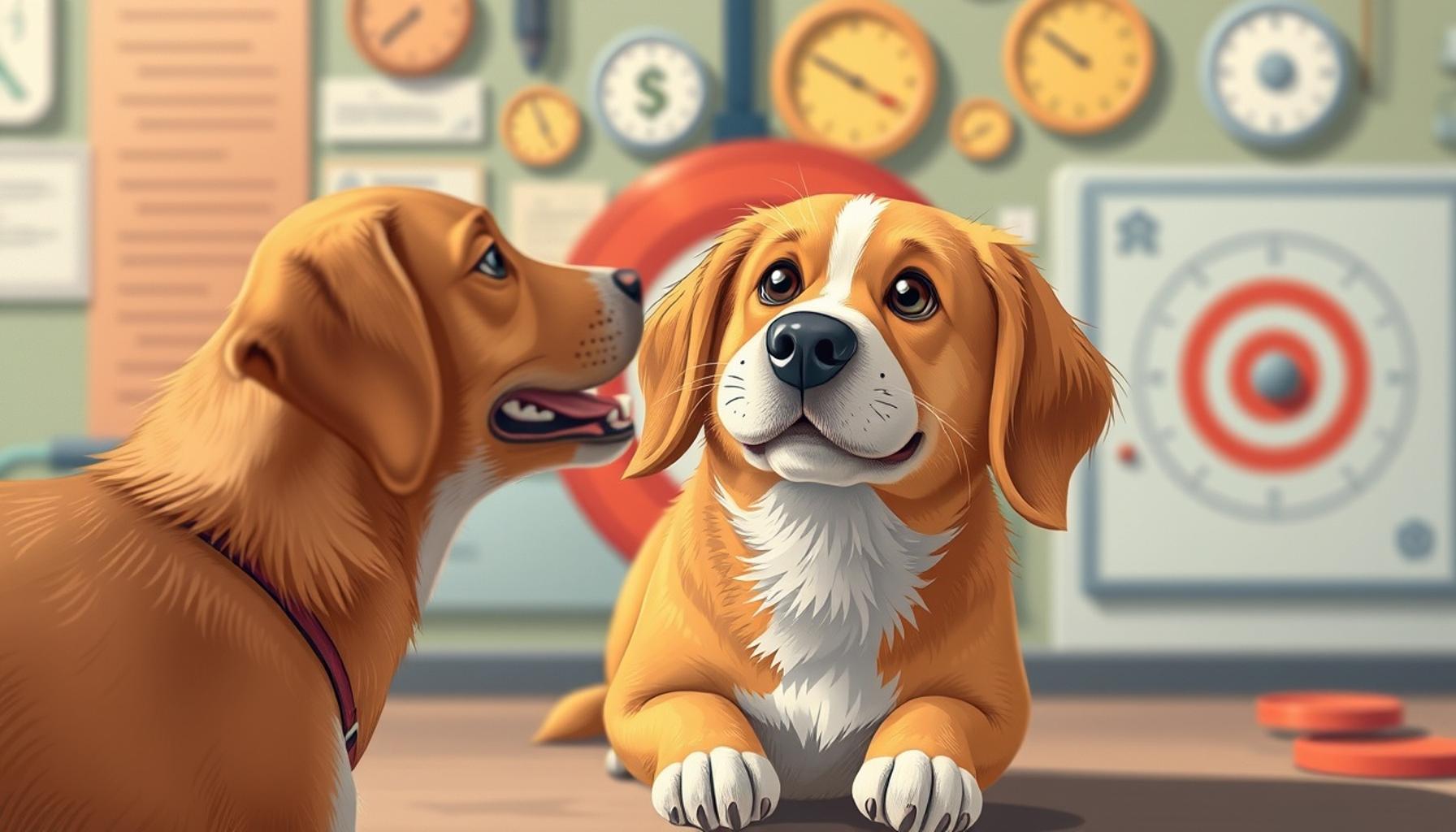
Understanding the Role of Body Language in Animal Training
Unlocking the Secrets of Animal Communication
In the world of animal training, it is often said that actions speak louder than words. This holds particularly true, as non-verbal communication plays a pivotal role in how animals interact with humans and with each other. Animals, much like humans, have developed a complex system of gestures and body language that convey emotions and intentions. Mastering this silent language is not only crucial for effective training but also for nurturing a strong bond of trust between pets and owners.
The Significance of Posture
Posture is one of the most significant indicators of an animal’s emotional state. For example, a dog that stands tall with its chest out and ears perked is likely exuding confidence and comfort in its environment. Conversely, a dog that cowers with its tail between its legs and ears flat against its head indicates submission or fear. Recognizing these stances can help trainers tailor their approach, fostering an environment that encourages positive learning experiences.
Facial Expressions Tell a Story
Facial expressions are another critical aspect of animal communication that trainers must learn to decode. Take a dog, for instance; its furrowing brow, widened eyes, or relaxed lips can provide insights into its emotional landscape. A cat’s slow blink can indicate trust and affection, while a dilated pupil may signify excitement or fear. By paying close attention to these subtle cues, trainers can gauge their pets’ emotional states and adjust their methods accordingly.
The Tail as a Communication Tool
The position of the tail serves as a fascinating barometer of an animal’s feelings. For dogs, a wagging tail often signifies excitement or happiness, though the speed and height of the wag can offer additional context; a slow wag might suggest uncertainty, while a high-speed, side-to-side motion generally indicates joy. In contrast, a raised, stiff tail could signal aggression or alertness. Understanding these nuances can empower trainers to navigate training sessions more effectively and prevent potential behavioral issues.
Creating a Positive Learning Environment
Effective training hinges on the trainer’s ability to recognize non-verbal cues. A relaxed animal is undoubtedly more open and eager to learn, while a tense, fearful animal may struggle. For instance, if a dog is showing signs of anxiety, such as panting or pacing, introducing new commands or skills might be counterproductive. Instead, allowing the dog to settle before engaging is more likely to yield positive results.
The Path to Successful Training
As we delve deeper into the intricate relationship between body language and animal behavior, we uncover the nuances that can enhance our training approaches. This understanding not only improves training outcomes but also deepens the bond between humans and animals. Aspiring trainers and seasoned professionals alike can benefit from refining their observational skills, paving the way for more effective communication and a richer, more harmonious connection with the animals they care for.
In conclusion, the realm of animal communication invites us to explore unique, non-verbal exchanges. By becoming attuned to these signals, we not only improve training methods but also cultivate a profound understanding of our animal companions, enriching both their lives and our own.
DISCOVER MORE: Click here to learn about the impact of age on your pet’s health</p
Interpreting Non-Verbal Signals
Understanding body language in animals extends beyond just observing individual gestures; it’s about interpreting the combination of signals that convey messages specific to each animal’s behavior. This intricate language reflects their feelings and influences their reactions during training sessions. As such, animal trainers who invest time in learning to read these non-verbal cues can significantly impact the effectiveness of their training techniques.
Decoding Body Language Versus Vocalization
While animals can certainly vocalize their feelings through sounds, such as barking, meowing, or growling, the silent language of body movement often speaks volumes. Body language unfolds a narrative that vocalizations may not fully capture. For example, a dog that barks excitedly while jumping might still be showing signs of anxiety or frustration through its tail position or posture. Therefore, trainers should seek to understand the whole body to truly grasp what the animal is feeling. Key components to observe include:
- Ear Position: Ears pinned back can signal fear or aggression, while ears up and alert may indicate curiosity.
- Body Position: Leaning forward might suggest interest, whereas leaning back can imply discomfort or a desire to retreat.
- Vocal Cues: Growling or whining often accompany body movements but should be interpreted alongside physical signals for a complete picture.
The Role of Context in Understanding Signals
The context of a situation is crucial when interpreting an animal’s behavior. A seemingly aggressive posture can stem from various reasons depending on the environment. For example, a dog exhibiting stiff body language when meeting a stranger may be protective, excited, or even frightened. By observing the broader context in which these behaviors occur, trainers can more accurately assess how to respond and guide their animals effectively.
Building a Foundation of Trust
When trainers understand the role of body language, they can cultivate a more effective training environment. Trust plays a critical role in learning; animals respond better when they feel secure and understood. A skilled trainer recognizes when to approach or retreat based on the animal’s non-verbal cues. This sensitivity not only speeds up the learning process but also creates a bond that fosters loyalty and engagement.
Training Techniques That Leverage Body Language
Incorporating body language into training techniques can enhance sessions significantly. Techniques such as positive reinforcement, where praise and treats are given for desired behaviors, are more effective when aligned with the animal’s emotional state. For instance:
- Rewarding a dog that shows relaxed body language encourages more of that demeanor in future situations.
- A calm, steady voice and non-threatening posture can alleviate anxiety, encouraging an animal to engage more freely.
By acknowledging and respecting the silent communication of our animals, trainers not only facilitate better learning but also foster a more profound emotional connection, ultimately leading to a harmonious relationship between human and animal.
| Advantages | Details |
|---|---|
| Enhanced Communication | Understanding body language allows trainers to communicate effectively with animals, leading to improved responses and obedient behavior. |
| Strengthened Bond | By recognizing subtle non-verbal cues, trainers foster a deeper emotional connection, enhancing trust and engagement between handler and animal. |
Understanding the nuances of animal body language is pivotal in successful training. Animals express emotions and intentions through their posture, movements, and facial expressions. For instance, a dog that wags its tail may indicate excitement, but the position and speed of the wag can convey different messages. Similarly, a horse’s ears can indicate attentiveness or annoyance depending on their orientation. Moreover, body language facilitates a reactive approach to training sessions. Instead of relying solely on verbal commands, trainers who adapt to their pets’ body language can modify their techniques based on real-time feedback. This responsiveness not only makes training more effective but also enriches the overall experience for both trainer and animal. By integrating the understanding of body language into training methods, trainers can achieve quicker results, and more importantly, nurture a positive training environment that emphasizes empathy and connection. The exploration of these signs is a fascinating journey into the intelligence and emotional depth of animals, rendering the training process both enlightening and rewarding.
DISCOVER: Click here to learn about the benefits of pet adoption
Enhancing Communication Through Body Language
Utilizing body language actively during animal training not only aids in the comprehension of animal behavior but also enhances the communication between trainer and animal. This two-way communication is pivotal for successful training, as animals rely heavily on visual cues and non-verbal signals to make sense of their environment. By adjusting their own body language, trainers can influence the reactions and behaviors of the animals, fostering a more cooperative and responsive training atmosphere.
Mirror Neurons and Emotional Synchrony
Research has unveiled the fascinating concept of mirror neurons, brain cells that activate when an individual observes someone else performing an action. For animals, this phenomenon extends to understanding emotions. When a trainer exhibits calm and positive body language, it can lead to an emotional synchrony with the animal, reinforcing a sense of safety and mutual understanding. For instance, a trainer standing relaxed with open arms can convey an inviting energy, encouraging the animal to approach with less hesitation. Conversely, a trainer exhibiting tense or abrupt movements may inadvertently heighten the animal’s stress or anxiety, creating a barrier to learning.
Using Body Language in Specific Training Approaches
Different training techniques can effectively incorporate body language. In techniques such as clicker training, aligning the trainer’s posture and movements with the timing of the reward can optimize the learning process. For example:
- Timing is Key: A trainer who crouches or lowers themselves to the animal’s level provides visual alignment and connection. This physical positioning can create an affirming atmosphere that minimizes intimidation.
- Consistency in Signals: Consistent body language, such as using the same hand signals coupled with verbal commands, reinforces the message being communicated, making it easier for the animal to learn.
Trainers utilizing agility training or obedience trials often find success through body language cues such as hand gestures or body orientation. For instance, directing a dog through an obstacle course can be achieved by positioning the trainer’s body in the desired direction, intuitively guiding the dog toward the next challenge. This technique fosters a natural collaboration, reducing confusion and enhancing the bonding experience.
The Impact of Animal Temperament on Training Dynamics
Every animal has a unique temperament that influences how they interpret body language. Understanding these differences is essential for trainers. For example, a fearful animal may interpret a trainer’s direct eye contact as a threat, while a more confident or assertive animal may view it as a challenge. Trainers must adapt their body language to match the temperament of the animal they are working with.
Additionally, the training environment plays a critical role in how animals respond to body language. High-stress situations, such as crowded or noisy spaces, may skew their perception of signals and lead to misinterpretations. By recognizing these nuances, trainers can modify their approach, perhaps choosing to train in quieter settings or utilizing additional comfort measures if needed.
Overall, understanding and leveraging body language can transform the dynamics of animal training sessions. By fostering an environment of empathy and sensitivity, trainers can unlock an enriching experience for both themselves and the animals in their care. It becomes a dance of communication where both species cooperate in pursuit of mutual goals.
LEARN MORE: Click here to discover what’s best for your pet’s health
Conclusion
In conclusion, the role of body language in animal training is undeniably significant. As trainers, understanding the nuances of body language allows for better communication and fosters a collaborative bond with animals. By being aware of how animals interpret visual cues and adapt their own body language accordingly, trainers can create a more responsive training environment that encourages learning and trust.
The exploration of mirror neurons highlights the intricate connection between human and animal emotions, establishing the importance of calm and empathetic body language in building rapport. Furthermore, recognizing the unique temperaments of different species, alongside the impact of the training environment, allows trainers to tailor their approaches in a manner that is sensitive to individual needs and behaviors. This adaptation of body language can significantly minimize stress for the animal, setting the stage for more effective learning outcomes.
Ultimately, as the field of animal training continues to evolve, the integration of body language mastery can enhance not only the trainer-animal relationship but also the overall effectiveness of training techniques. Trainers are encouraged to explore these concepts further, experimenting with their own body language and observing the unique responses of animals during training sessions. By doing so, they pave the way for a deeper understanding of animal behavior and communication, enriching the experience for both the trainer and the animal alike. As we delve into this fascinating interplay, we can unlock new potentials in animal training—where every gesture and movement tells a story of connection and cooperation.

Linda Carter
Linda Carter is a writer and pet care expert specializing in pet health, grooming, and wellness. With extensive experience helping pet owners create safe, loving, and enriching environments for their animals, Linda shares her knowledge on our platform. Her goal is to empower readers with practical advice and strategies to ensure their pets thrive and lead joyful, healthy lives.