DIY and Upcycling: Transforming Antique Furniture into Modern and Functional Pieces

Embracing the Charm of Antique Furniture
In today’s fast-paced world of mass production, antique furniture stands out as a timeless reminder of artistry and craftsmanship from bygone eras. Each piece tells a story, carrying with it the essence of the past, which modern items often lack. By transforming these treasures into modern and functional pieces, you not only preserve their legacy but also infuse your home with distinctive character that reflects your personal taste.
With the increasing popularity of DIY and upcycling, many homeowners are turning to antique furniture as a sustainable and stylish option for decorating their homes. This trend encourages creativity and resourcefulness, allowing individuals to rethink how they use furniture in their spaces. Here are a few compelling reasons to consider this creative endeavor:
- Eco-Friendly Practices: In an age where environmental concerns are paramount, repurposing old furniture can significantly reduce waste. Rather than contributing to the landfill, you can breathe new life into an old piece, showcasing sustainable living.
- Cost-Effective Solutions: Antique furniture can often be purchased at a lower price than new items, enabling you to save money. Through upcycling, you can customize these pieces to suit your décor, making them uniquely yours without breaking the bank.
- Personal Touch: Every transformation project presents an opportunity to create a piece that reflects your personality and aesthetic. Whether you prefer a rustic farmhouse style or a sleek modern look, your vision can come to life.
With a little creativity and the right tools, even the most worn pieces can be revitalized. A few popular transformation ideas include:
- Refinishing: A simple yet impactful way to restore the beauty of an antique piece is by refinishing its surface. By sanding away old layers, you can unveil the natural wood beneath, then apply a fresh stain or clear coat to enhance its appearance.
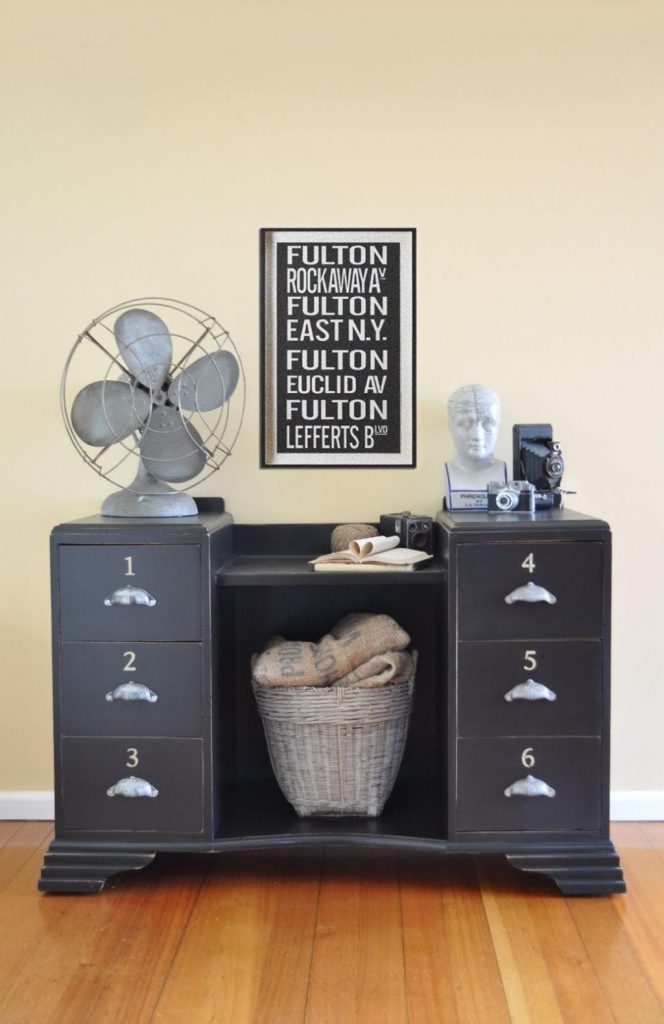
- Modern Hardware: Updating antique furniture with contemporary hardware, such as sleek knobs or handles, can create a striking contrast that enhances its overall look. This small change can make a big difference, providing a fresh and updated feel.
- Reupholstering: For chairs and couches, consider reupholstering with trendy fabrics. A bold patterned fabric can transform a tired piece into a focal point in a room. Look for fabric remnants or sales at local fabric stores to find budget-friendly options.
In this article, we will explore the exciting world of DIY projects and upcycling techniques specifically for antique furniture. From beginner tips to advanced restoration methods, you will discover how to breathe new life into these stunning treasures, transforming them into spectacular statements in your home. Dive into the process, inspire your creativity, and enjoy the journey of making something beautiful and functional.
Choosing the Right Antique Furniture
Before diving into the exciting world of DIY and upcycling, it’s essential to consider which antique furniture pieces will serve as the best candidates for transformation. Not every antique will lend itself perfectly to a modern makeover, so here are some key factors to keep in mind when selecting your project pieces:
- Condition: Assess the overall condition of the piece. Look for structural integrity, such as sturdy legs and unbroken joints. Minor scratches or worn finishes can usually be easily repaired, while significant damage may require more extensive restoration efforts.
- Style: Consider the style of furniture you are drawn to—whether it’s Victorian, Art Deco, or mid-century modern. Aligning the era of the antique with current design trends can make the piece feel more cohesive within your contemporary space.
- Material: Antique furniture can be crafted from a variety of materials, including wood, metal, and even upholstered fabric. Certain woods, like oak or walnut, are particularly sturdy and can withstand numerous transformations, while metal pieces can be painted or polished for a fresh look.
- Functionality: Think about how you intend to use the piece in your home. Assessing its existing functionality, such as a side table becoming a nightstand or an old dresser turned into a TV stand, can help guide creative decisions throughout the transformation process.
Once you’ve chosen a suitable piece, it’s time to plan the transformation. This phase requires a blend of creativity and practicality. Research current trends in home décor to ensure your DIY project aligns with what’s popular now, while still respecting the antique’s character. For instance, many homeowners are leaning towards minimalist designs, so introducing clean lines and neutral colors can breathe contemporary appeal into your antique piece.
Essential Tools and Materials
Having the right tools and materials on hand is crucial for a successful upcycling project. Depending on the specific transformation you plan to undertake, here are some essential items you may need:
- Sandpaper: A variety of grits for smoothing surfaces before refinishing.
- Paint or Stain: Choose a high-quality product that complements the existing features of the furniture, whether it’s a sleek paint or a rich wood stain.
- Brushes and Rollers: Different sizes will help you achieve a smooth and even finish.
- Upholstery Tools: If your project involves reupholstering, tools like a staple gun, scissors, and fabric remnants are essential.
- Measuring Tape: For ensuring accuracy when making adjustments or cuts.
The charm of antique furniture lies in its character and history, but it’s the creativity of the DIY process that allows it to shine in a modern context. By paying attention to the right details and employing suitable techniques, you’ll discover just how magical it is to transform an old piece into a functional work of art that fits seamlessly into your life.
| Advantage | Description |
|---|---|
| Sustainability | By choosing to upcycle antique furniture, you contribute to reducing waste and conserving resources. |
| Unique Style | Upcycled pieces allow for a blend of classic charm and modern aesthetics, creating a personalized living space. |
| Cost-Effective | Transforming existing furniture can often save money compared to purchasing brand new pieces. |
| Skill Development | Participating in DIY projects enhances creativity and hones valuable skills. |
Exploring the world of DIY and upcycling offers a pathway to both creativity and sustainability. Those interested in this trend discover that transforming antique furniture not only preserves history but also breathes new life into pieces often overlooked. This process allows homeowners to craft unique, functional art that can adapt beautifully to any modern decor while making a strong eco-friendly statement. The marriage of old and new, achieved through creativity, serves to inspire many to delve deeper into various projects, potentially uncovering hidden talents and a new passion for craftsmanship. As you embark on this journey of upcycling, you become part of a transformative movement that enhances spaces, supports local resources, and pushes the boundaries of creativity. The potential is limitless.
Creative Transformation Ideas
Once you’ve selected the perfect antique furniture piece, the real fun begins: brainstorming creative transformation ideas that breathe new life into the item while preserving its historic charm. Here we explore various innovative approaches that can transform antique furniture into modern and functional pieces:
1. Painting and Finishing Techniques
One of the most popular methods to revitalize antique furniture is through painting or refinishing. Chalk paint is particularly favored in upcycling circles for its matte finish and ease of use. It can help create that rustic or farmhouse aesthetic many contemporary homes desire. Consider using colors like mint green or soft pink for an eclectic look or classic white for a more streamlined finish. To add depth, try distressing techniques, which can highlight the piece’s contours and accents, revealing glimpses of the original wood beneath.
2. Reupholstering for a Fresh Look
If you’re working with upholstered pieces like chairs or sofas, reupholstering can dramatically change their appearance. Opt for bold, modern fabrics with geometric patterns or rich textures that contrast the classic lines of antique furniture. Fabrics like linen or velvet can introduce a contemporary touch while ensuring durability. Additionally, consider mixing and matching fabrics across multiple pieces for an adventurous pop of color and texture in your space.
3. Repurposing and Redesigning
Repurposing is the essence of upcycling. An old dresser can become a stylish bathroom vanity, while a vintage ladder may serve as a unique bookshelf. The creative possibilities are boundless! For instance, turning a wooden trunk into a coffee table not only provides a chic focal point in your living room but also offers practical storage. Not convinced? Seek inspiration online; platforms like Pinterest and Instagram are treasure troves of successful upcycling projects that can spark new ideas.
4. Mixing Antique and Modern Elements
Combining your antique find with modern elements can create a stunning juxtaposition. For example, pairing a sleek glass top with a vintage wrought-iron base can strike a mesmerizing balance between old and new. You might integrate contemporary hardware, like sleek metal knobs or handles, to modernize a vintage cabinet or chest of drawers while enhancing its function. Using these design principles can lead to truly unique pieces that blend both eras beautifully.
Sourcing Inspiration
Despite embarking on a DIY journey, it’s always helpful to draw inspiration from various sources. Consider flipping through design magazines, following home improvement shows, or visiting upcycling workshops in your community. Many local artisan shops even host events where DIY enthusiasts can gather, share ideas, and learn new techniques. Don’t shy away from speaking to designers or fellow hobbyists who might offer invaluable tips from their experiences.
As the DIY and upcycling movement continues to rise, so does the desire to create unique environments tailored to individual tastes. By exploring creative transformation ideas, you can discover endless possibilities within the realm of antique furniture, turning inherited or thrifted pieces into modern treasures that reflect your personality and elevate your home’s aesthetic.
Conclusion: Crafting Timeless Contemporary Treasures
The art of DIY and upcycling antique furniture is not just a trend; it’s a celebration of creativity and sustainability that allows homeowners to blend the past with the present. Armed with inspiration and a creative vision, you can transform dated pieces into modern, functional treasures that resonate with your unique aesthetic. Whether you are repainting, reupholstering, or repurposing, each project offers not just a chance to innovate but a rewarding pathway to craftsmanship that reflects your personality.
In an age where sustainability is key, these projects serve a dual purpose: reducing waste while providing an opportunity to create something invaluable. As you embark on this journey, keep in mind that sourcing inspiration can enhance your creative process. Engage with community workshops, design events, or online platforms to spark your imagination and refine your skills.
Ultimately, every piece you upcycle carries a story, rich in history yet revamped for contemporary living. With the right techniques, it’s possible to create harmonious blends of antique charm and modern functionality. So roll up your sleeves, unleash your imagination, and embrace the thrilling world of DIY as you transform those treasured antiques into stunning focal points in your home. Discover the joy of not only redefining these vintage pieces but also making a statement about your personal style and values.