Essential Steps to Prepare Your Home for a New Pet
Ready for a New Companion?
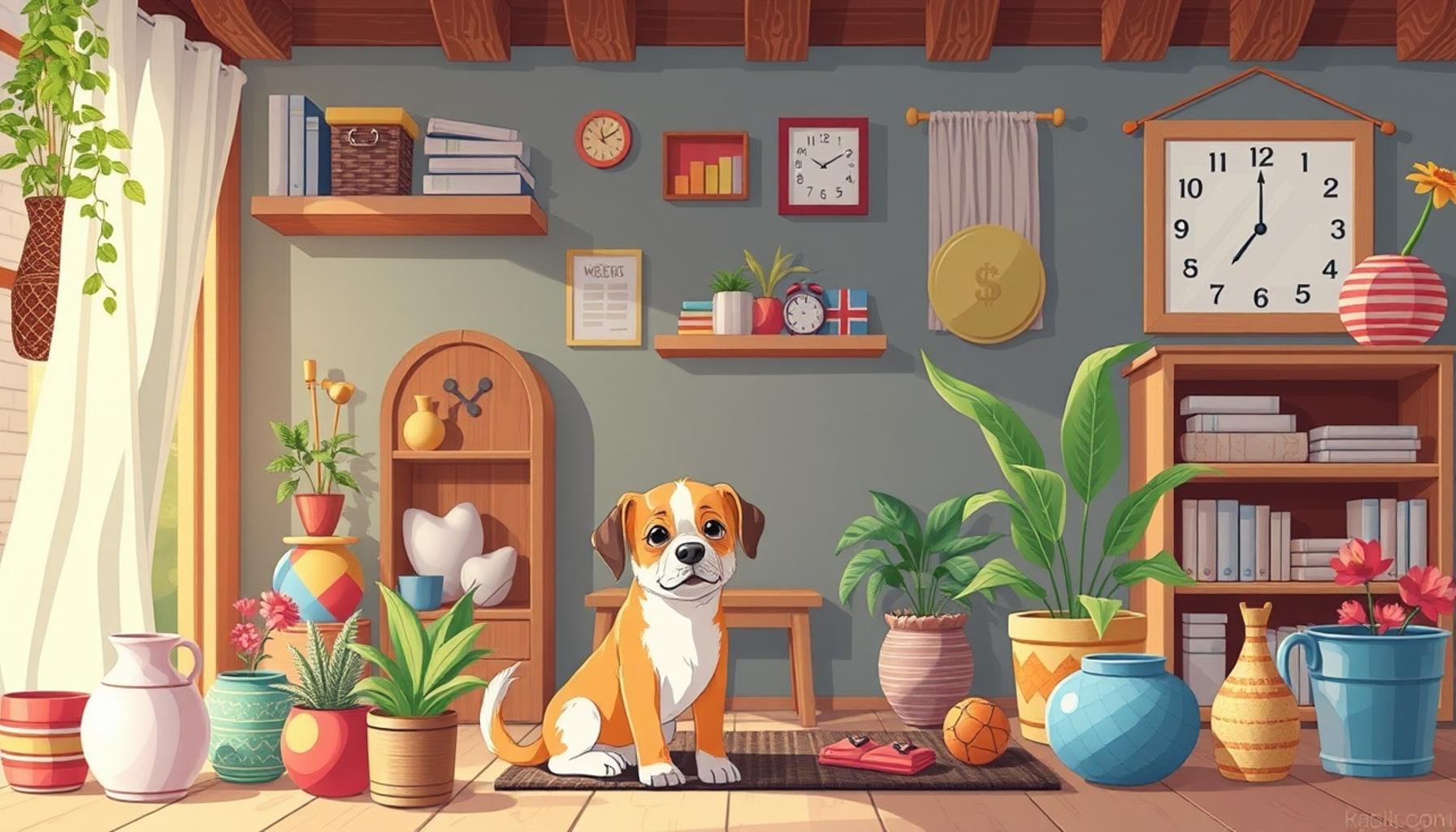
Bringing a new pet into your home is an exciting milestone, filled with joy and cherished moments. However, it also comes with its own set of responsibilities. Preparing your home ensures your furry friend feels welcomed and safe right from the start.
What You Need to Consider
A thoughtful approach to your pet’s introduction can help prevent mishaps and create a harmonious living environment. Here are key factors to consider:
- Space: Ensure there is enough room for your pet to move around comfortably. For example, if you’re adopting a medium to large dog, a small apartment may not provide the necessary space for exercise and play. On the other hand, a cat can thrive in smaller spaces, provided it has vertical perches and cozy hiding spots.
- Toy Selection: Choose appropriate toys that are safe and engaging for your new pet. Look for toys that promote active play and mental stimulation, such as puzzle toys for dogs or feather wands for cats. Avoid toys with small parts that could be swallowed, especially for young pets.
- Designated Areas: Set up specific areas for eating, sleeping, and playing. For instance, create a comfortable sleeping nook with a cozy bed in a quiet corner. A designated feeding area equipped with mats can help contain messes, while a space for play can include scratching posts for cats or a designated “fetch zone” for dogs.
Preparing Your Supplies
Before bringing your new pet home, stock up on essential supplies. This preparation can prevent stress and uncertainty for both you and your new companion. Here’s what you might need:
- Food and Water Bowls: Choose durable and non-slip options. Stainless steel bowls are often preferable as they are easy to clean and less likely to harbor bacteria.
- Food: Select a diet that suits the specific needs of your pet. Consult your vet about the best choice based on breed, age, and any health concerns. High-quality pet foods are available in various formulations to cater to your animal’s dietary needs.
- Safety Gear: Invest in harnesses, leashes, and collars to keep your pet secure. For dogs, a comfortable and well-fitted harness can prevent escapes during walks. For cats, a collar with an ID tag is essential should they venture outside and get lost.
Taking the necessary steps to prepare your home cannot be overstated; it will make the transition smoother and set the foundation for a loving relationship. Delve into each aspect thoroughly to ensure a happy, healthy environment for your new pet! Remember that your efforts will contribute to creating a space where your furry companion can flourish.
DIVE DEEPER: Click here to discover how to incorporate agility training into your pet’s routine
Making Your Home Pet-Friendly
Creating a welcoming and safe environment for your new pet is essential in making them feel at home. This means not just providing them with food and toys, but also adjusting your space to accommodate their needs and ensure their safety. Here are some practical steps to make your home pet-friendly:
- Pet-proofing: One of the first tasks is to remove any hazardous items from reach. This includes securing electrical cords, stashing away cleaning supplies, and relocating fragile decor. Keep in mind that some household plants can also be toxic to pets, so consider researching which plants are safe or moving them out of reach.
- Comfortable Environment: Temperature control is vital. Ensure your home is at a comfortable temperature and provide shaded areas if your pet will be spending time outside. Additionally, think about the noise levels; sudden loud sounds can frighten pets, especially during their initial days in a new home.
- Safe Outdoor Space: If you have a yard, make sure it is secure. Fences should be high enough (for example, at least six feet for larger breeds) to prevent escape. Check for gaps or holes where a small pet can squeeze through. Consider creating a designated area with pet-safe plants and proper barriers for a relaxing outdoor experience.
Establishing Routines
Incorporating structured routines can also help your new pet adapt better. Pets thrive on predictability, making it crucial to create a daily schedule that includes feeding, exercise, playtime, and training.
- Feeding Schedule: Consistent feeding times will help your pet develop a routine. This is important not only for their behavioral stability but also for their digestive health. Ensure you select a balanced diet suited to their specific needs.
- Exercise Routine: Regular exercise is paramount, especially for dogs that require physical activity to stay healthy and happy. Establish a playtime that fits your pet’s energy level—whether it’s daily walks, interactive play, or vigorous games of fetch.
- Training Sessions: Incorporate short training sessions into your routine. Consistent training promotes good behavior and strengthens the bond between you and your pet. Teaching basic commands like ‘sit,’ ‘stay,’ or ‘come’ can significantly enhance your pet’s safety and your control over their actions.
Taking these steps will not only prepare your home but also pave the way for a smoother transition for your new furry family member. The more thought and consideration you put into creating an inviting atmosphere, the more likely your pet will feel secure and happy in their new surroundings. Investing time in these essential preparations will reap long-term rewards, leading to a fulfilling companionship.
| Preparation Steps | Importance |
|---|---|
| Decluttering | Removes potential hazards that could injure your pet, ensuring a safe environment. |
| Secure Hazardous Areas | Protects your pet from accessing dangerous places, reducing the risk of accidents. |
| Designated Pet Space | Gives your new pet a safe haven to relax, helping them acclimatize to their new home. |
| Supplies Stock-up | Ensures you have everything needed for your pet’s care and comfort from day one. |
| Plan for Exercise | Promotes physical health and mental stimulation, essential for a happy pet. |
By taking these essential steps, you’ll cultivate an environment that not only welcomes your new pet but also supports their adjustment and overall well-being. Understanding the various preparations required will make the transition smoother, benefiting both you and your furry friend. Implementing these tasks ahead of their arrival lays the groundwork for a happy home filled with love and companionship.
DISCOVER MORE: Click here to learn how adopting senior animals can change lives
Creating a Safe and Stimulating Environment
As you prepare to welcome your new pet into your home, it’s important to think beyond basic safety measures. Your pet’s environment should not only be safe but also engaging, providing them with mental stimulation and enrichment. This balance fosters their well-being and helps reduce behavioral issues that can stem from boredom or anxiety.
Designating Specific Zones
Designating specific areas within your home for your pet can create a sense of stability. Here are some key zones to consider:
- Resting Area: Provide a designated sleeping space that is cozy and quiet. Consider the pet’s size and biggest comfort needs when choosing a bed or blanket. For dogs, a crate can serve as both a secure den and a sleeping area while helping with house training.
- Play Area: Create a dedicated space where your pet can engage in play. This area should be free from clutter and contain their toys. Interactive toys, such as puzzle feeders, can stimulate their mind and keep them engaged for extended periods.
- Grooming Station: Establish a routine for grooming, which promotes hygiene and bonding. Set up an area with grooming tools, and ensure you have the right brushes or combs for your pet’s coat type. This station can also be where you check your pet for any sign of health issues, like parasites or skin irritations.
Providing Enrichment and Entertainment
Pets need more than just food and love—they crave mental stimulation too. Incorporating enrichment activities into their routine can significantly enhance their quality of life. Here’s how to get started:
- Toys and Puzzles: Invest in a variety of toys designed to challenge their cognitive skills. Puzzle toys, which require pets to solve a problem to access treats, keep them entertained and mentally engaged.
- Social Interaction: Pets are social creatures and thrive on interaction. Regular playdates with other pets, or even simply providing them with attention and affection, can reduce loneliness and anxiety. For dogs, consider group classes or dog parks where they can meet others.
- Exercise Opportunities: Beyond daily walks, consider incorporating different activities to diversify their physical routine. For example, agility training, swimming, or even hiking as a bonding activity can keep them fit while strengthening your connection.
Health Preparedness
In addition to creating a safe and stimulating environment, ensuring your pet’s health is vital. It’s never too early to plan for their medical needs:
- Veterinary Care: Schedule an appointment with a vet as soon as you bring your pet home. Regular check-ups are essential for monitoring their well-being, vaccinations, and preventive medications.
- Emergency Preparedness: Familiarize yourself with the nearest veterinary emergency clinic and keep a pet first-aid kit stocked. Include items like tweezers, antiseptic wipes, and gauze. Being prepared for emergencies is crucial in maintaining your pet’s health.
- Identification: Equip your pet with identification, such as a collar with tags and a microchip. This is essential for a quick reunion should your pet get lost.
By setting up a safe and stimulating environment, you empower your pet to thrive in their new home. Addressing their physical and mental needs will lead to a happier and healthier pet, fostering a deep bond between you and your new companion.
LEARN MORE: Click here for valuable insights
Conclusion: Embracing the Responsibility of Pet Parenthood
Bringing a new pet into your home is an exciting journey that requires careful planning and consideration. Preparing your environment effectively is paramount in ensuring your new companion feels safe, comfortable, and loved from day one. Remember, the essential steps discussed—from creating designated zones within your home to prioritizing their health care—are not mere checkboxes but foundational elements of responsible pet ownership.
By arranging a cozy resting area, an engaging play zone, and starting a grooming routine, you help your pet adapt more smoothly to its new surroundings. Moreover, incorporating mental enrichment activities and socialization opportunities can significantly enhance your pet’s quality of life, encouraging a happy and well-adjusted animal. Don’t forget about medical preparedness; scheduling regular veterinary appointments and having an emergency plan is vital for your pet’s health and safety.
Ultimately, the bond you cultivate with your pet begins with thoughtful preparation and consistent care. As you embark on this rewarding adventure, stay informed and proactive. Research local resources, connect with fellow pet owners, and leverage community groups to enrich your experience. By investing time and effort into your home environment, you lay the groundwork for a harmonious life together, filled with love, companionship, and joy. Your commitment today will ensure your new pet thrives and becomes an integral part of your family for years to come.

Linda Carter
Linda Carter is a writer and pet care expert specializing in pet health, grooming, and wellness. With extensive experience helping pet owners create safe, loving, and enriching environments for their animals, Linda shares her knowledge on our platform. Her goal is to empower readers with practical advice and strategies to ensure their pets thrive and lead joyful, healthy lives.