The Influence of Music on Body Expression: How Dance Transforms Emotions into Movement
The Influence of Music on Body Expression
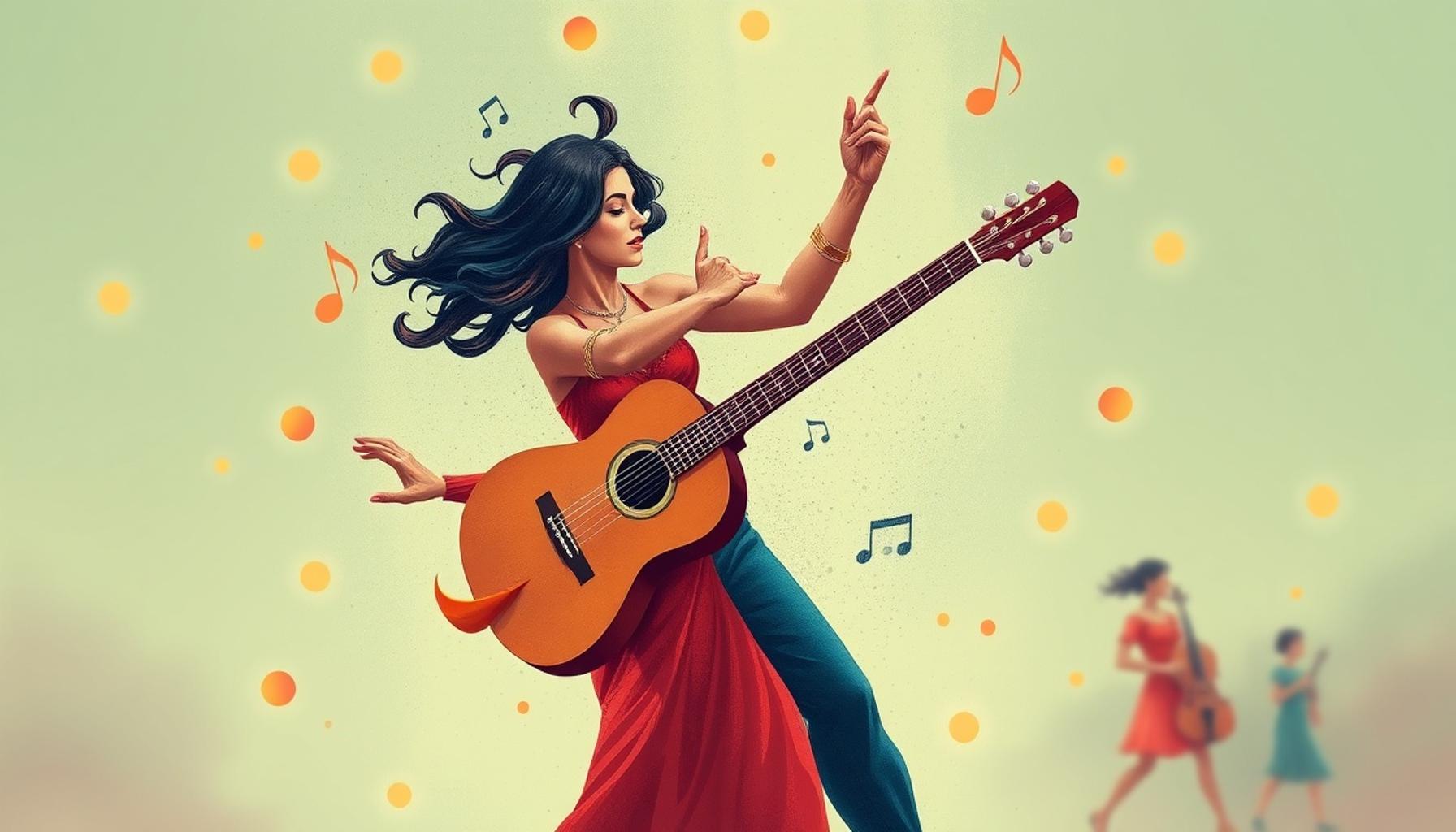
Dance is a universal language that speaks volumes without uttering a single word. It has the remarkable ability to transform emotions into fluid movements, showcasing the profound connection between music and body expression. This intricate relationship influences how we feel, think, and express ourselves, creating a tapestry of communication that transcends cultural and linguistic barriers.
Consider the following aspects:
- Emotional Connection: Music evokes feelings that can be channeled into dance. For instance, a soulful ballad may inspire a dancer to express longing and heartbreak through slow, deliberate movements. In contrast, an upbeat pop song can lead to vibrant, energetic choreography that radiates joy. This emotional spectrum allows performers to connect deeply with their audience, making their dance more relatable.
- Physical Response: Rhythms and melodies inspire specific movements and styles. For example, the syncopated beats of jazz music naturally lend themselves to sharp, angular dance moves that are characteristic of jazz dance. Similarly, the heavy bass lines in hip-hop create a grounded, almost percussive quality in the movements, encouraging dancers to utilize their whole body for expression. This responsiveness highlights the intricate ways in which our bodies interpret musical elements.
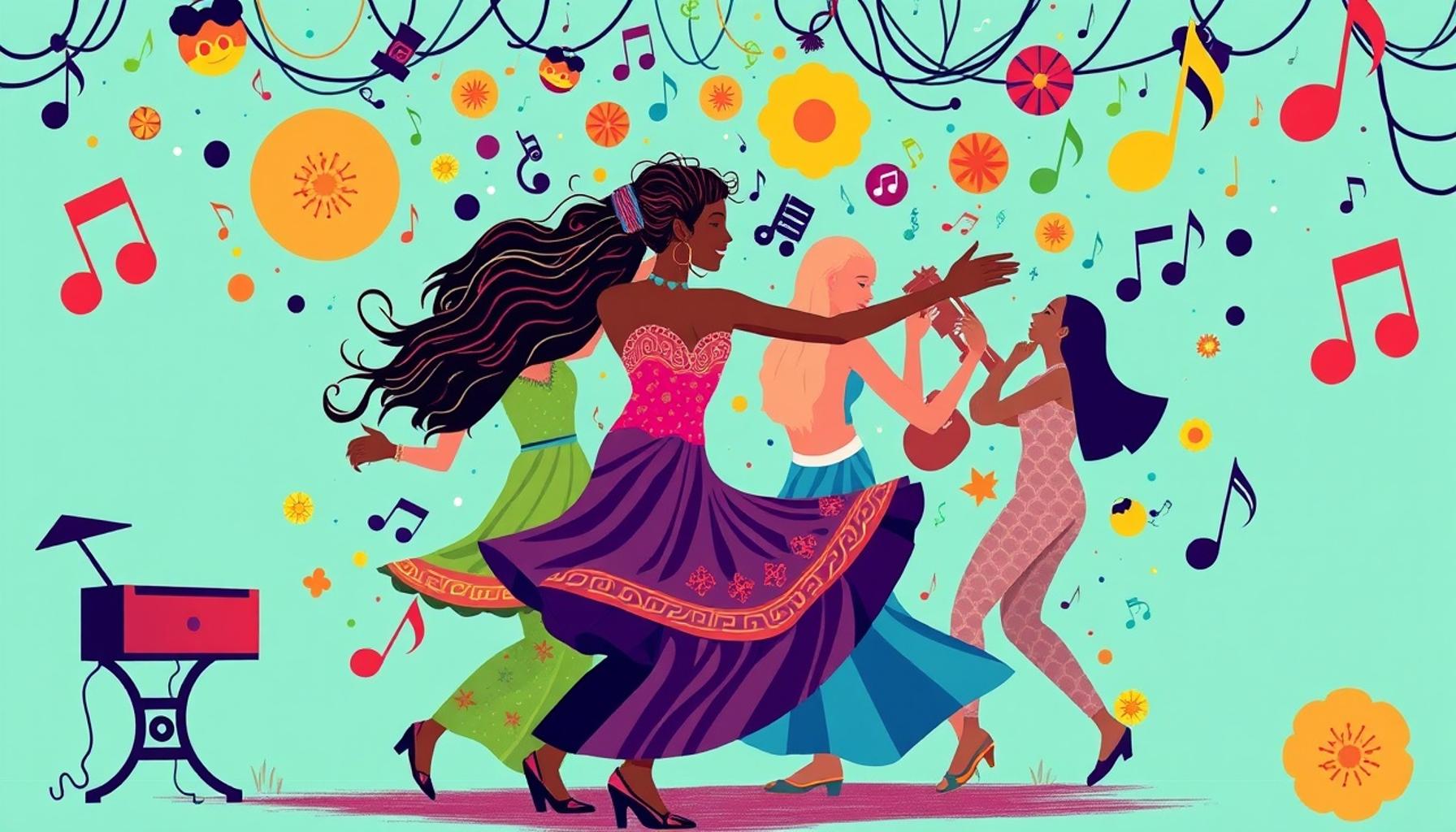
- Cultural Reflection: Different genres of music can highlight unique dance forms, reflecting cultural sentiments. In the United States, genres such as country music are often accompanied by traditional line dancing, which emphasizes community and shared experience, while the passionate rhythms of salsa evoke fiery and intimate dance expressions deeply rooted in Latin culture. This cultural diversity enriches the American dance landscape and allows for a broader appreciation of different artistic expressions.
Events like dance competitions or social gatherings illustrate how deeply rooted these practices are in our society. For instance, traditional celebrations like weddings often feature dance as a key component, with music driving the nature of the celebration. The ‘first dance’ can evoke heartfelt emotions while group dances like the Cha-Cha Slide encourage collective participation, uniting guests through a shared experience.
Take the time to explore how dancers use music to bridge the gap between feeling and expression. Whether it’s a ballet performance set to Tschaikovsky or a hip-hop showcase accompanying contemporary beats, the interaction between music and movement is palpable. As we dive deeper into this captivating subject, we will uncover the ways in which music not only inspires choreography but also shapes our emotional experiences through the art of dance. This exploration can lead to a richer understanding of how we, as a society, celebrate life’s most poignant moments through artistic expression.
The Emotional Pulse of Movement
At the heart of dance lies an emotional pulse that resonates through the rhythm and melodies of music. This connection enables dance to serve as a vessel for expressing diverse feelings, often leading performers to convey complex narratives through their movements. The relationship between music and dance is not merely coincidental; it’s a profound dialogue that invites audiences into the dancer’s world.
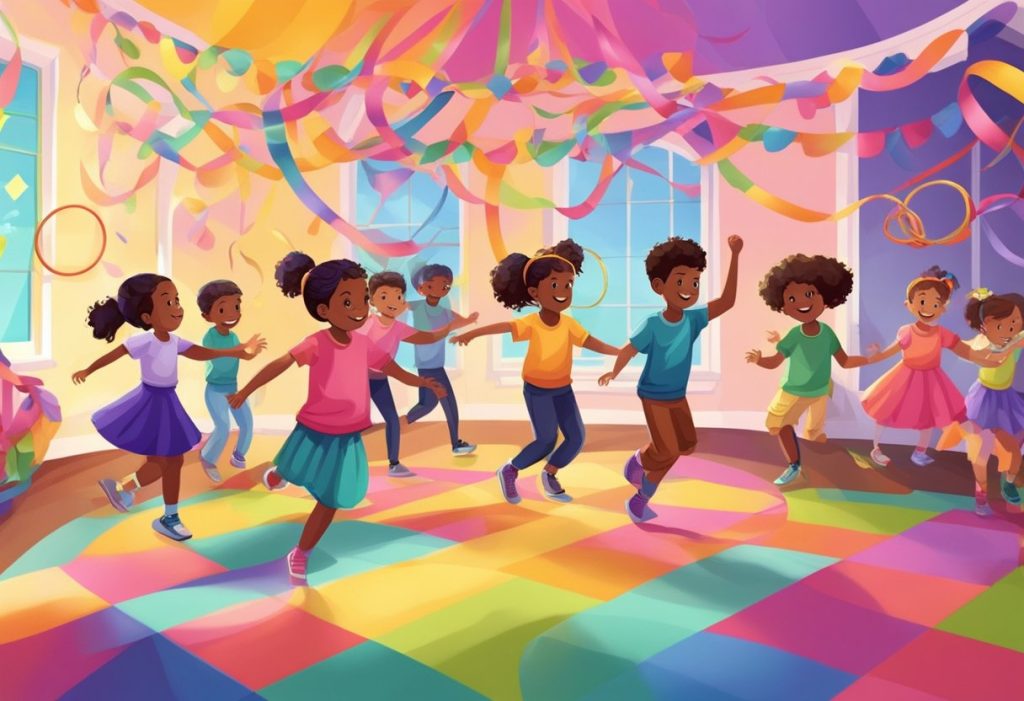
When dancers interpret music, they tap into a range of emotions that can significantly transform their physical expression. The nuances in a piece of music—such as tempo, dynamics, and timbre—can evoke different emotional responses. Studies have shown that music has the power to affect mood and psychological states, which in turn influences how dancers express themselves. A study published in the journal *Music Perception* found that dancers who engaged with emotionally charged music performed with heightened expression and technicality compared to those dancing to neutral music. This finding underscores the necessity of emotional engagement in dance, where the music acts as a catalyst, enhancing the performer’s connection to the movement.
Furthermore, dance genres themselves can create distinct emotional atmospheres. For example, ballet often conveys grace and fluidity, embodying themes of beauty and aspiration through the soft, sweeping melodies of classical compositions. Conversely, contemporary dance tends to embrace a broader emotional range, incorporating raw and visceral elements that might resonate with personal narratives of struggle or liberation. Whether it’s the powerful beats of hip-hop that inspire assertive and assertive movements, or the delicate strains of a waltz that evoke a sense of romance and nostalgia, the genre of music profoundly impacts the physiological response of the dancer.
- Feeling Through Rhythm: Each genre has its own unique rhythmic qualities that influence how dancers incorporate those beats into their movements. For instance, African dance traditions celebrate percussive rhythms that inspire vitality and spirited expression, while the fluidity of Bollywood music captures the joy and celebration found within its vibrant narratives.
- Melodic Interpretation: Dance is often an interpretation of the melodies one hears. A dancer may choose to emphasize the high notes in a song through jumps or spins, while the bass may lead to grounded and powerful movements that reflect the depth of the sound.
- Expressive Dynamics: The dynamic range of music—from soft to loud, slow to fast—offers dancers a palette to paint their emotional landscape, challenging them to modify their movement quality to match these shifts.
As we explore these dynamics further, it becomes clear that the dance floor is not just a space for physical movement, but rather a canvas for emotional storytelling. The perceptions of dancers are intimately tied to the music they engage with, and this relationship lays the groundwork for a deeper understanding of how music influences body expression. Each performance serves as a unique testament to the powerful transformation of emotions, weaving an intricate tapestry where the heart and body synchronize in rhythm and artistry.
The Emotional Connection in Dance
Music plays a pivotal role in shaping our emotional landscape, and this influence is profoundly manifested in dance. When individuals engage in dance, they often find themselves tapping into a deeper reservoir of emotion, which music effectively awakens. Through rhythms and melodies, dancers express feelings that may otherwise remain unarticulated. Each beat can evoke joy, sorrow, excitement, or nostalgia, allowing for a raw and authentic expression of inner experiences.The interplay between music and movement also serves as a conduit for emotional catharsis. For many, dancing to music can be a therapeutic experience, enabling individuals to process feelings of stress, anxiety, or even trauma. Research has indicated that the act of dancing while listening to music can lead to the release of endorphins, enhancing mood and providing a sense of well-being. This unique relationship makes dance not just an art form, but a vital avenue for emotional health.Moreover, the cultural context in which music and dance coexist adds another layer of depth to body expression. Various genres of music encapsulate distinct emotional narratives, and when combined with corresponding dance styles, they narrate powerful stories. For example, classical ballet often embodies elegance and grace, reflecting themes of beauty, whereas hip-hop might project strength and resilience, portraying life’s struggles and triumphs. Each genre allows dancers to communicate different facets of the human experience, encouraging both performers and audiences to explore their own emotions through the shared language of movement.The integration of music into dance routines also fosters community and connection. Group dances often reflect a collective emotional journey, drawing participants together in a shared experience. This not only enhances personal expression but also strengthens social bonds, as dancers communicate their feelings and stories to one another through synchronized movement. Thus, the fusion of music with body expression in dance becomes an essential element of human connection, revealing both the individual and collective emotional landscapes.As we delve deeper into the nuances of how music transforms emotions into movement, it becomes evident that exploring this influence opens up a world of understanding about ourselves and others. This remarkable synergy not only enriches our lives but also portrays the beauty of human expression in its most profound form.
The Synergy of Sound and Movement
Continuing from the exploration of emotional expression through dance, it’s essential to delve deeper into the intricate synergy between sound and movement. While music provides the auditory backdrop, dancers embody the emotional themes conveyed through the melodies and rhythms, ultimately uniting them in a captivating display of artistry. This interaction is also influenced by the dancers’ individual interpretations and cultural backgrounds, further enriching their performances.
One fascinating aspect of this relationship is the concept of musicality in dance. Musicality refers to a dancer’s ability to interpret and express music through their movement. It’s often a distinguishing factor that separates good dancers from exceptional ones. Talented performers don’t just hear the music—they feel it, allowing them to respond with profound physicality that matches the emotional essence of the piece. For instance, noted choreographer Martha Graham once said, “Dance is the hidden language of the soul.” In her bold, expressive technique, the emotionality of the music informs the shapes and lines that dancers create, showcasing the essence of musicality.
Moreover, studies suggest that the cognitive processing of music can create a deeper emotional resonance in dancers. When dancing to familiar tunes, performers are able to draw upon personal memories associated with those melodies. This connection enhances their expressiveness as they communicate their own stories to the audience. For instance, a dancer performing to a nostalgic song might incorporate movements that reflect the weight of memory or longing, beautifully translating visceral emotions into fluid physical expressions.
- Cultural Influences: Cultural context plays a significant role in emotional expression through dance. Different cultures interpret the same musical piece uniquely, as seen in variations of the tango. While Argentine tango embodies passion and intimacy, ballroom tango may emphasize elegance and precision, illustrating how cultural backdrops influence the interpretation of movement.
- Rhythm and Pulse: Rhythm shapes the way dancers move and react. For example, in styles like tap dancing, the rhythms generated by feet striking the floor become a critical component of the performance. This interplay between auditory and kinetic elements nurtures a vibrant language where each tap resonates with the underlying music, further cementing the connection between sound and movement.
- Emotional Release: Dance is often lauded as a means of emotional catharsis. The raw energy and emotion embedded in music offer a channel for dancers to release pent-up feelings. Styles such as contemporary or lyrical dance allow for free-form expression, facilitating a direct dialogue between emotional turmoil and physical release, thus exhibiting the transformative power of music.
This multifaceted exploration of the impact of music on body expression reveals the richness of dance as a form of communication. It transcends mere movement, transforming the dancer into a storyteller who articulates deep feelings and narratives through rhythm and emotion. By investigating the profound connections between sound and motion, we uncover more about how dance serves as a potent medium for human expression, shaping not only performances but also the emotional experiences of those who witness them.
Conclusion: The Transformative Power of Dance
In exploring the influence of music on body expression, it becomes clear that dance serves as a profound conduit for translating emotions into movement. The intricate dance between rhythm and physicality allows performers to convey feelings that transcend words, inviting audiences into a shared emotional journey. As dancers engage deeply with music, they awaken personal stories and cultural narratives that enhance their expressiveness, solidifying dance as a universal language.
The connections between sound and movement foster a rich tapestry of artistic expression. Various dance forms—each influenced by cultural backgrounds—bring unique interpretations that reflect individual and communal identities. This diversity not only enriches the performance but also provides insight into the intricacies of human emotion, revealing how feelings are intricately woven into our physicality. By harnessing musicality and personal memories, dancers can invoke nostalgia, joy, or melancholy, transforming the stage into an emotional landscape.
Ultimately, the role of dance in expressing emotions through the medium of music goes beyond entertainment; it offers emotional release and personal catharsis for both performers and audiences. As we continue to delve into this powerful interplay between sound and motion, we uncover the essential role dance plays in enriching our understanding of the human experience. Whether in a theater or a casual gathering, dance remains an enduring testament to how music shapes our emotions, inviting us all to move together in rhythm and harmony.