Tips for Creating a Safe and Comfortable Environment for Cats at Home
Creating a Cozy Feline Haven
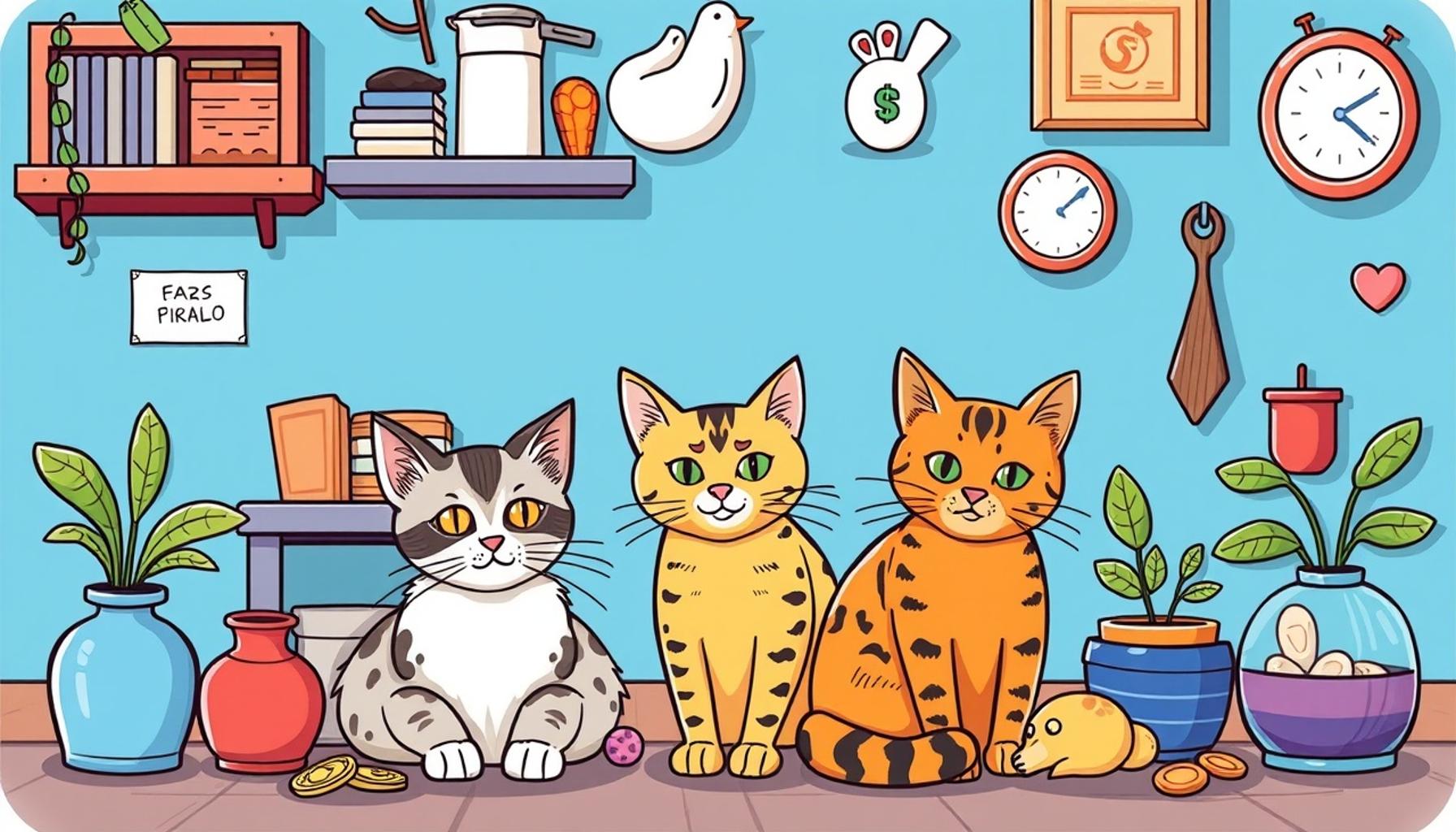
Transforming your home into a safe and comfortable haven for your cat is essential for their well-being. Your feline friend deserves a space where they feel secure, happy, and engaged. This not only enhances their quality of life but also strengthens the bond between you and your pet.
Consider these vital elements to make your home a cat-friendly sanctuary:
- Safe Spaces: Offer various spots where your cat can retreat, such as cozy beds, hideaways, or high perches. A cat tree not only allows for climbing but also provides a safe lookout point, which is an instinctive behavior for most cats. You might find your furry friend appreciating a sunbeam through a window or snuggling into a soft blanket tucked in their favorite corner.
- Toy Variety: Engage your cat with a selection of toys that stimulate their natural instincts, keeping them entertained and mentally active. Toys that mimic prey, such as feather wands or laser pointers, can energize your cat’s playtime. Interactive puzzle toys that dispense treats are another excellent way to keep their minds sharp and let them use their natural hunting skills.
- Environmental Enrichment: Incorporate scratching posts, climbing trees, and interactive play areas to promote healthy behaviors. Scratching posts made from different materials, such as sisal or cardboard, cater to different scratching preferences and protect your furniture. Adding vertical spaces like shelves or wall mounts can also encourage your cat to explore and exercise throughout your home.
Moreover, it’s critical to ensure that hazardous items are out of your cat’s reach. Many common household items, such as:
- Plants like lilies and poinsettias, which are toxic to cats. These can cause serious health problems including gastrointestinal distress and more severe reactions.
- Chemicals and cleaning supplies, which can cause serious health issues. Always store these products securely and consider using pet-safe options to minimize any risks.
- Small objects that could be swallowed, presenting choking hazards. Items like rubber bands, hair ties, and even small batteries should be kept safely out of reach, as ingestion can lead to fatal consequences.
Implementing these tips helps create a habitat where your cat can thrive. A cozy room with soft furnishings that are easily washable, as well as safe indoor plants like cat grass, can further enhance their space. Not only does this minimize risks, but it also paves the way for a fulfilling life filled with love, joy, and exploration.
By focusing on these aspects, you are not just decorating your home but are also providing a nurturing environment that respects and encourages the natural behaviors of your beloved feline companion. Embrace these changes, and you may find that your cat’s happiness is reflected in their well-being and your strengthened bond.
DISCOVER: Click here to learn more
Prioritizing Safety in Your Cat’s Domain
When creating a safe and comfortable environment for your cat at home, safety is of paramount importance. Cats are naturally curious creatures, instinctively exploring their surroundings. While this inquisitiveness is endearing, it can often lead them into dangerous situations if precautions aren’t taken. Therefore, it is essential to assess your living space and make necessary adjustments to safeguard your feline friend.
Start by identifying potential hazards that could put your cat at risk. Here are some common items and areas to be aware of:
- Cords and Wires: Cats love to play, but tangled cords can be a choking hazard or even lead to electrocution. Secure electrical cords and wires with cable organizers or keep them out of reach.
- Windows and Balconies: While fresh air is delightful, open windows can present an escape route or risk of falling. Install window screens and ensure balconies are cat-proofed to prevent any unfortunate incidents.
- Medication and Supplements: Many common human medications, including pain relievers and vitamins, can be toxic to pets. Always store medications in cabinets or high shelves, beyond curious paws.
- Small Objects: Items like buttons, coins, and small household decorations can be swallowed or pose choking hazards. Regularly check areas where small objects might accumulate and ensure they are stowed away securely.
In addition to removing dangers from your home environment, incorporating pet-proofing techniques can significantly enhance your cat’s safety. Here are a few strategies to implement:
- Choose Non-Toxic Houseplants: Many common houseplants can be toxic to cats. Some safer options include spider plants, Boston ferns, and catnip. Research which plants are safe and curate your indoor garden accordingly.
- Secure Heavy Items: Ensure that bookshelves, heavy vases, or glass ornaments are stable and secured. Cats love to jump and climb, and an unsteady item may fall and injure them.
- Utilize Covers on Trash Cans: Keep trash cans locked or covered to prevent your cat from rummaging through potentially harmful substances. Cats are often attracted to odors, which can lead to dangerous ingestion of food scraps or harmful chemicals.
Ensuring your home is free of hazards not only creates a safe environment but also allows your cat to explore and engage with their surroundings confidently. Creating an enriching and safe habitat also means considering their social needs, as loneliness or boredom can lead to behavioral issues.
Understanding your cat’s unique personality will inform your adjustments, fostering an atmosphere where curiosity is welcomed without fear. Keep in mind that a vigilant cat owner can significantly diminish risks while enhancing their cat’s overall quality of life.
Creating Safe Spaces in Your Home
When it comes to ensuring your feline friend’s safety and comfort, thoughtful planning in your living space is essential. Cats thrive in environments that cater to their instincts and well-being. One major tip is to establish safe zones where your cat can retreat when they feel overwhelmed. This could be a designated room with cozy bedding, toys, and scratching posts, making it an inviting sanctuary. Also, be mindful of the furniture arrangement in your home. A cat’s natural curiosity leads them to scale furniture or investigate nooks and crannies, so ensuring that heavy objects are secure can prevent accidents or injuries. Hide electrical cords and sharp objects to reduce hazards.
Choosing Cat-Friendly Furnishings
Another crucial element in fostering a safe environment is selecting the right furnishings. Cat-friendly options, such as sofas and chairs made from durable materials that withstand scratching, are practical. Opt for items that are easy to clean to minimize mess. Additionally, adding vertical space, like cat trees or shelves, allows cats to climb and explore, satisfying their natural behaviors while keeping them engaged and active.
| Category | Advantages |
|---|---|
| Safe Zones | Provides a retreat for stress relief |
| Cat-Friendly Furnishings | Enhances comfort and support behavior |
Ensuring your cat has an environment that prioritizes their safety and comfort fosters a harmonious relationship and promotes a healthy lifestyle. Adapting places in your home encourages exploration while minimizing risks inherent to household items. The stability and predictability that a tailored environment can offer will lead to less anxiety for your pet, ultimately resulting in a happier cat.
LEARN MORE: Click here to discover the impact of NGOs on animal adoption
Creating Comfort and Enrichment for Your Feline Friend
While safety is undeniably crucial, creating a comfortable and stimulating environment for your cat is just as important. Cats, being natural hunters, thrive in environments that cater to their instincts and preferences. This goes beyond just providing food and water; it entails fostering a space where they can relax, play, and satisfy their curiosity.
Establishing Cozy Spaces: Cats love to have their own personal spaces where they can retreat and feel secure. Consider adding cozy beds or blankets in various quiet corners of your home. A soft, elevated perch or cat tree can provide not only a comfortable resting spot but also a vantage point for your cat to survey their territory. This multifaceted approach caters to their instinctive behavior to observe their environment from a safe height, simultaneously providing them with a sense of ownership over their space.
Interactive Play: Incorporating interactive toys into your cat’s daily routine can significantly enhance their comfort and well-being. Toys that mimic the movements of prey, such as feather wands or laser pointers, invite your cat to engage in play that simulates hunting behaviors. Additionally, puzzle feeders can encourage your cat to think and problem-solve, making meal times more intellectually enriching. Challenge their natural instincts while providing a safe outlet for their energy, which can lead to a more satisfying and comfortable home life.
Environmental Enrichment: Beyond toys, your home can be transformed into an enriching environment in various ways. Consider setting up vertical spaces like shelves or cat trees near windows to provide observational spots, allowing your feline to watch the world outside. This visual stimulation is vital for their mental health as it keeps them entertained. If you have a safe, enclosed outdoor area or catio, it can offer an excellent opportunity for fresh air and adventurous exploration, all while keeping your cat safe.
Odor Management: An often-overlooked aspect of comfort is hygiene. Maintaining a clean litter box is essential for your cat’s health and happiness. Ensure you scoop it out daily and change the litter regularly. Cats can be notoriously finicky about cleanliness, and a dirty litter box can lead to stress or behavioral issues. Consider using odor-neutralizing litter to keep the area fresh and inviting.
Temperature Control: Just like humans, cats can be sensitive to temperature changes. Be mindful of your home’s heating or cooling systems and provide additional comfort during extreme temperatures. In winter, cozy blankets or heated pads could be offered for extra warmth, while in summer, cooling mats or shaded areas can help prevent overheating. Cats commonly seek out warmer spots, so observing their behavior can guide you in creating a temperature-friendly environment tailored to their needs.
Routine and Structure: Finally, establishing a consistent daily routine can create a sense of stability for your cat. Feed them at the same times each day, and give them regular play and interaction times. Predictability helps cats feel secure in their environment, reducing stress and providing them with a comfortable and enjoyable living space.
By focusing on creating a safe, comfortable, and stimulating environment, you can significantly enhance your cat’s life at home, ensuring that their natural instincts are nurtured while maintaining their well-being and happiness. These adjustments not only benefit your cat but also contribute to a harmonious household where both you and your furry companion can thrive together.
DISCOVER MORE: Click here to learn about the importance of proteins in your dog’s diet
Conclusion
In conclusion, creating a safe and comfortable environment for your cat at home is essential for their overall health and happiness. By implementing the tips outlined—such as establishing cozy spaces, incorporating interactive play, and ensuring proper hygiene—you can significantly enrich your cat’s living experience. Environmental enrichment not only caters to a cat’s natural instincts but also enhances their mental stimulation, making for a more fulfilling life. Likewise, temperature control and structured routines contribute to a sense of security and comfort that every feline needs.
Moreover, recognizing the importance of odor management and a tidy living space reflects your commitment to your pet’s wellbeing. By acknowledging and addressing these aspects, you’re not just a pet owner; you’re a nurturer of a thriving and happy companion. Whether you have a playful kitten or a serene elder cat, each adjustment matters and fosters a dynamic relationship between you and your pet.
As you embark on the journey of creating an optimum habitat for your cat, remember that improvements can be made gradually. Your attentive actions can lead to a harmonious household where peace prevails and your furry friend flourishes. Dive deeper into techniques and practices that suit your individual cat’s temperament and behavioral needs, and continue to enhance their comfort and safety at home.

Linda Carter
Linda Carter is a writer and pet care expert specializing in pet health, grooming, and wellness. With extensive experience helping pet owners create safe, loving, and enriching environments for their animals, Linda shares her knowledge on our platform. Her goal is to empower readers with practical advice and strategies to ensure their pets thrive and lead joyful, healthy lives.