The Benefits of Dance as a Form of Self-Expression and Well-Being
Unlocking the Power of Movement
Dance transcends mere movement; it is a profound form of self-expression and a pathway to enhanced well-being. From ballet to hip-hop, every style offers unique ways to convey emotions and stories. This universal language resonates deeply, allowing individuals to communicate feelings that words often fail to express. The power of dance lies not only in its rhythmic movements but also in its ability to foster connections among people of diverse backgrounds and experiences.
Why Dance Matters
Participating in dance can bring numerous benefits, including:
- Emotional Release: Dance allows individuals to express joy, sadness, anger, or love, facilitating emotional healing. Research has shown that engaging in dance can lead to a reduction in anxiety and depression levels, making therapeutic dance practices increasingly popular in mental health care.
- Physical Health: Engaging in dance routines improves cardiovascular health, flexibility, and strength. Styles like salsa and jazz can elevate heart rates, providing an effective workout while being fun. Notably, studies indicate that regular dancers often have better balance and coordination, contributing positively to overall physical health and resilience.
- Social Connection: Group dancing fosters community and belonging, which is crucial for mental health. Whether it’s taking classes at a local dance studio, participating in community events, or joining social dance clubs, these shared experiences can help forge lasting friendships and support networks.
In the United States, dance is more than a pastime; it’s integrated into various cultures and social settings. From Zumba classes at local gyms to traditional dances at family gatherings, movement plays a significant role in American lives. For instance, Native American powwows incorporate traditional dancing that celebrates cultural heritage, while urban ballroom dancing creates spaces for inclusive social interaction. Moreover, dance serves as a tool for artistic expression in popular culture, with platforms like TikTok influencing trends and inspiring millions to take up dance.
Exploring the depths of these rhythms reveals how dance promotes not just physical health, but also emotional and social well-being. The accessibility of dance in a variety of forms makes it an inclusive activity, appealing to people of all ages and backgrounds. For example, senior dance programs encourage older adults to stay active and connected with their peers, fostering a sense of purpose and community.
As we delve deeper into the intersection of dance and mental wellness, the compelling evidence of its benefits offers a transformative experience that can inspire many. From the joyful release found in a lively group class to the personal reflections expressed in contemporary dance, the opportunities for growth through movement are expansive. Stay tuned as we explore how various forms of dance contribute to a fulfilling and enriched life, revealing not only its impact on physical fitness but also its ability to heal the mind and bond the community.
The Transformative Impact of Dance
Dance acts as a vibrant conduit for creativity, facilitating a unique form of self-expression that intertwines physical movement with emotional storytelling. The versatility of dance styles—from contemporary and ballet to hip-hop and folk dances—provides individuals with various avenues through which to express their innermost thoughts and feelings. This artistic outlet can serve as a vital remedy for stress relief and emotional turbulence, making it an invaluable tool for enhancing well-being.
The Emotional Spectrum of Dance
One of the most compelling aspects of dance is its ability to evoke and channel emotions. Engaging with dance can lead to significant emotional benefits. Here are a few of the transformative effects:
- Therapeutic Benefits: Dance therapy has gained recognition in clinical settings for its potential to alleviate symptoms of anxiety and depression. Research indicates that participants in dance therapy experience improved mood and emotional regulation, highlighting the role of movement in mental health.
- Stress Reduction: The physical act of dancing releases endorphins, the body’s natural stress relievers. This biochemical response can create feelings of happiness and relaxation, making dance an effective antidote to daily stressors.
- Increased Self-Confidence: Learning dance routines and performing in front of others can boost self-esteem. Overcoming challenges on the dance floor contributes to a sense of accomplishment that spills over into other areas of life.
In the United States, community dance initiatives are increasingly prevalent, offering opportunities for individuals to engage in classes and workshops that encourage mental health through movement. From dance marathons to flash mobs, these initiatives not only immerse participants in rhythm and energy but also foster a sense of community and support. Dance floors transform into safe spaces where self-expression flourishes, allowing individuals to shed their inhibitions.
Additionally, dance encapsulates a form of cultural storytelling that transcends generations. Traditional dance forms, such as the Appalachian flatfoot or Native American powwows, carry rich histories and narratives that connect participants to their roots and heritage. By participating in these dances, individuals can foster a deepened understanding of their cultural identity, further enhancing personal well-being.
The physical benefits of dance cannot be overlooked either. Engaging in dance regularly not only nourishes emotional health but also contributes significantly to physical vitality. The cardiovascular nature of styles such as tango and swing dancing provides a fun and engaging way to stay active, promoting overall fitness. It has been shown that individuals who participate in dance consistently report improved physical health and fewer incidents of chronic illness.
As we continue to explore the multifaceted benefits of dance, it becomes increasingly clear that this form of self-expression is not merely an art form, but a vital contributor to holistic well-being. With every move, dancers share their stories, process their emotions, and build lasting connections, revealing how deeply intertwined dance is with the fabric of our lives.
The Transformative Power of Dance
Dance, often seen as a passionate art form, serves as a profound means of self-expression and well-being. Engaging in dance allows individuals to mirror their emotions and stories through movement, creating a unique communication channel that transcends verbal language. This expressive quality enables dancers to process feelings, articulate experiences, and cultivate emotional awareness, ultimately fostering a deeper connection to oneself.Moreover, dance is celebrated not only as a creative outlet but also for its significant benefits to mental and physical health. Research has shown that regular participation in dance classes decreases levels of anxiety and depression. The rhythmic movements trigger the release of endorphins, which help to elevate mood and create a sense of happiness. For many, the dance floor becomes a sanctuary where stressors are left behind, and self-confidence is nurtured.Additionally, the physicality of dance contributes to overall fitness, engaging muscles and increasing cardiovascular health. This combination of creativity and exercise promotes holistic well-being. Whether through ballet, hip-hop, or salsa, each dance style offers various health benefits while also providing a community of like-minded individuals, thereby enhancing social connections. The rhythm of the music couples harmoniously with the dancer’s movements, creating a synergy that uplifts the spirit and invigorates the body. Indeed, dancing is more than just a leisure activity; it is a gateway to personal exploration, emotional release, and communal bonding.In exploring dance as a form of self-expression and well-being, individuals not only discover their unique movement styles but also realize the plethora of benefits that await through this art form. For those seeking to learn more, various classes, workshops, and events are available that celebrate dance in all its glory, inviting you to join this vibrant journey of self-discovery and joy.
| Advantage | Description |
|---|---|
| Emotional Expression | Dance acts as a profound outlet for expressing emotions, allowing individuals to convey their feelings through movement. |
| Physical Health | Engaging in dance promotes cardiovascular fitness, increases flexibility, and tones muscles, contributing to overall physical health. |
Connecting through Dance: Community and Culture
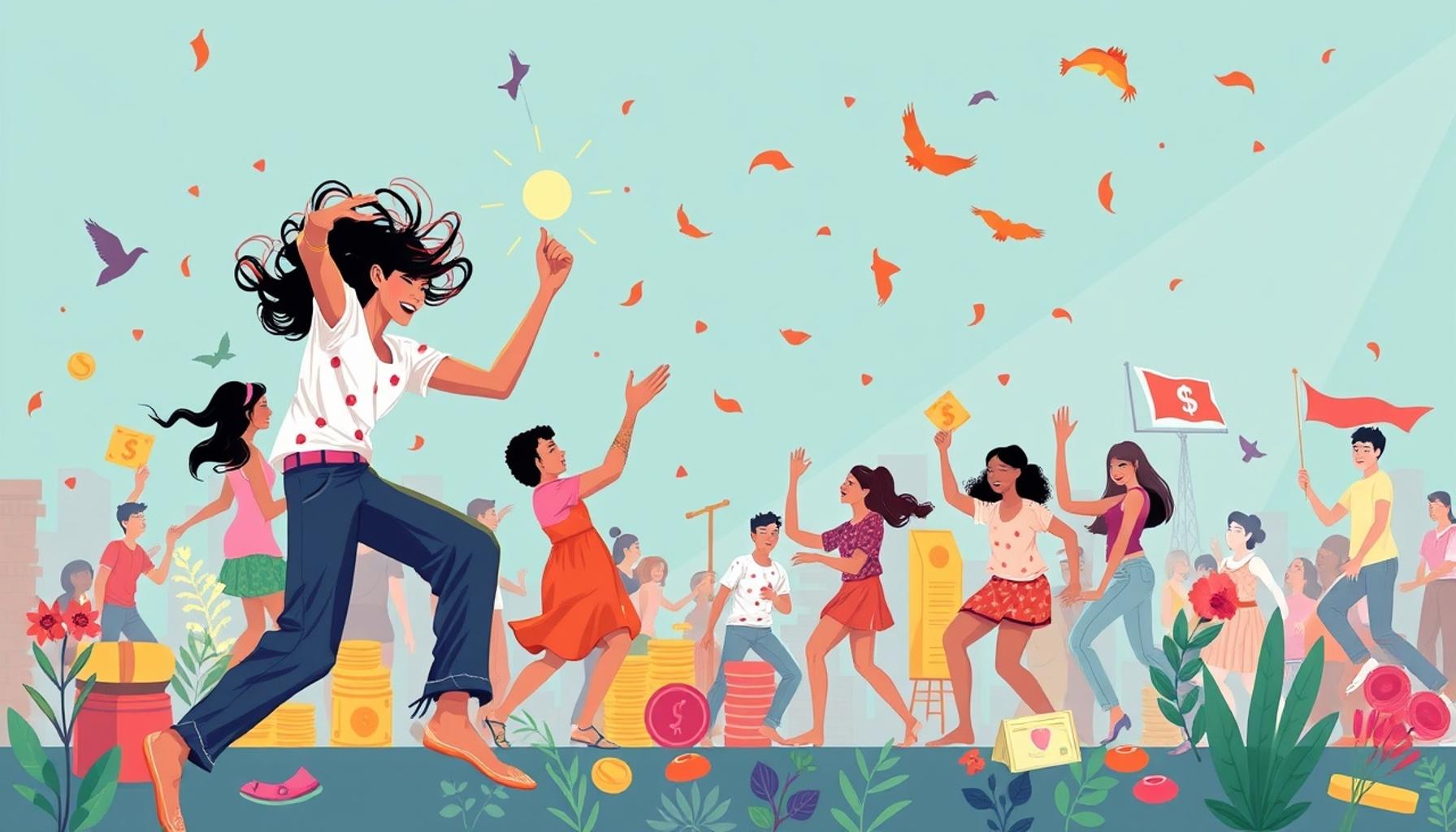
As we delve deeper into the benefits of dance, it becomes increasingly evident that community engagement plays a crucial role in enhancing both self-expression and well-being. Dance classes, workshops, and events not only provide a platform for nurturing creativity but also foster connections among participants. These gatherings often transcend mere recreational activities; they become spaces where individuals can cultivate relationships, share experiences, and support one another.
The Power of Collective Movement
Participating in group dance classes or community performances offers a profound sense of belonging. When individuals come together to learn choreography or perform, they create an atmosphere of shared energy and motivation. A pivotal study by the American Dance Therapy Association found that social interaction during dance can significantly reduce feelings of isolation, promoting enhanced mental health. This social aspect brings forward the idea that dance is not just an isolated personal endeavor but a collaborative experience that fosters unity.
Furthermore, many community dance projects prioritize inclusivity, encouraging individuals from diverse backgrounds, abilities, and ages to participate. Programs designed for seniors, individuals with disabilities, or those from marginalized communities exemplify how dance can break down barriers and foster a spirit of acceptance and camaraderie. Dance becomes a unifying language, transcending age, race, and cultural differences, which leads to enriched social interactions and mutual respect.
Cultural Identity and Expression
Embracing dance as a form of self-expression also allows individuals to explore and celebrate their cultural heritage. Traditional dance forms, such as Mexican folklorico, Irish step dance, or Hula, carry deep-rooted histories and traditions that resonate with cultural identity. Engaging in these dances can evoke a sense of pride and belonging. Many dancers find that participating in cultural dance not only connects them to their roots but also introduces vital conversations about cultural preservation and representation in modern society.
Working with various music genres and styles exposes dancers to a broader understanding of the cultural narratives reflected in movement. Research has shown that cultural dances promote feelings of self-validation and acceptance, providing individuals with a sense of agency in expressing their unique identities. This connection to heritage supports mental well-being, as individuals experience a confidence boost when sharing their culture through dance.
Mindfulness and Presence in Dance
Another noteworthy benefit of engaging in dance lies in its alignment with the principles of mindfulness. The process of focusing on movement, rhythm, and breath encourages dancers to stay present, cultivating a state of mindfulness that aids in reducing anxiety and enhancing overall mental clarity. The convergence of body and mind during a dance session allows participants to temporarily disconnect from stressors and worries, immersing themselves entirely in the experience.
Studies suggest that practicing mindfulness through dance can enhance emotional regulation by mindfully processing feelings as they arise. As a result, dancers may develop a more profound awareness of their emotional responses in daily life, leading to improved coping mechanisms and resilience against challenges.
In essence, the multifaceted benefits of dance as a form of self-expression and well-being extend well beyond the physical realm. By providing vital emotional, communal, and cultural connections, dance acts as a catalyst for personal growth and a vehicle for deeper understanding, ultimately reinforcing its significance in our lives. Through rhythm and movement, we discover not only ourselves but one another, highlighting how dance enriches our communities and nurtures our collective spirit.
Conclusion: The Transformative Power of Dance
In summary, the benefits of dance as a form of self-expression and well-being are profound and multifaceted. Not only does dance serve as a creative outlet for individuals, but it also fosters a sense of community that is essential for emotional health. Through collective movement, participants connect with one another, creating bonds that transcend cultural and social barriers. The social interactions during dance classes or performances can diminish feelings of isolation, providing a supportive environment that enhances mental well-being.
Moreover, dance allows individuals to embrace their cultural heritage, celebrating diverse traditions while fostering conversations about identity and representation in today’s society. By moving to the rhythms of their cultures, dancers affirm their identities and cultivate pride, contributing to a healthier self-image and emotional resilience.
Finally, the alignment of dance with mindfulness principles cannot be overlooked. Engaging in movement cultivates present awareness, reducing stress and anxiety while promoting mental clarity. This holistic connection between body and mind not only enriches individual lives but also enhances coping mechanisms for daily challenges.
As we continue to explore the transformative power of dance, it is essential to recognize its potential as a vital tool for healing and personal growth. By elevating this art form as a medium of self-expression, we encourage a deeper understanding of ourselves and each other, ultimately strengthening the fabric of our communities. Whether through a vibrant hip-hop class, a graceful ballet session, or a spirited cultural dance, embracing dance in our lives opens the doors to greater well-being, unity, and joy.