The Influence of Music on Creativity: How Composers and Dancers Inspire Each Other

The Dance of Sound and Movement
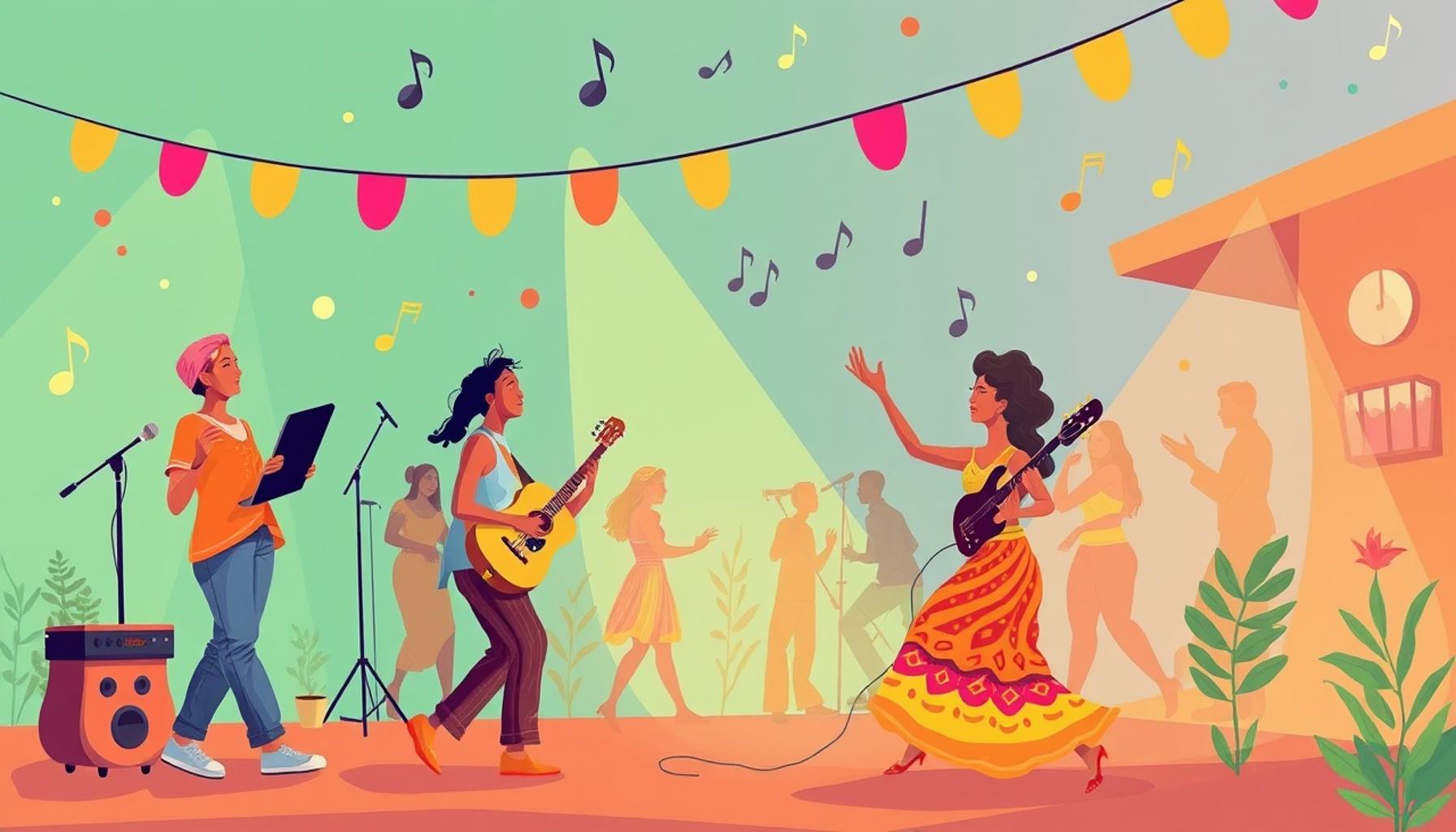
Each note in a symphony carries with it a distinct rhythm, while every dance step is imbued with a melody that resonates in the hearts of the audience. This intertwining of music and dance extends far beyond simple collaboration; it embodies a profound mutual influence that fuels creativity and fosters innovation in both artistic realms. Composers and dancers engage in a unique dialogue through their work, inspiring one another to push boundaries and explore new territories of expression.
Why This Relationship Matters
- Emotional Expression: The way music evokes deep feelings can be translated into exquisite movements by dancers, forming a powerful emotional narrative. For example, consider how a haunting violin solo can prompt a dancer to express melancholy through slow, flowing movements, while an upbeat pop song might inspire energetic, sharp choreography that conveys joy.
- Creative Collaboration: The most successful artistic projects often arise when composers and dancers collaborate, seamlessly merging their talents. The creative synergy derived from such partnerships can lead to groundbreaking performances that engage audiences on multiple sensory levels. The famed collaboration between Igor Stravinsky and Vaslav Nijinsky in “The Rite of Spring” exemplifies this; their revolutionary work not only redefined performance art but also sparked debates about the nature of artistic expression at the time.
- Cultural Exchange: Globally, various genres and styles of music significantly influence dance, contributing to an intricate tapestry of creativity. In the United States, influences like hip-hop, jazz, and even ballet are deeply intertwined with traditional and contemporary music styles, showcasing how diverse cultural elements come together to inspire unique forms of dance.
Examining celebrated collaborations uncovers a wealth of insight into the dance and music connection. For instance, Contemporary Dance draws upon a myriad of musical genres, allowing choreographers to experiment with sounds ranging from classical to electronic. This dynamic interplay further illustrates how one art form elevates the other, enriching not just the performance but the creative journey for the artists involved.
Diving deep into the techniques composers utilize to stimulate movement, or the choreography that interprets musical nuances, opens an intriguing window into the creative process. This exploration reveals how each discipline enhances and informs the other, fostering artistic innovation that continues to captivate audiences around the world. Thus, the dance of sound and movement not only entertains but also serves as an enduring testament to the boundless possibilities of human creativity.
Exploring the Symbiosis of Music and Dance
At the heart of the relationship between composers and dancers lies a dynamic interplay that transcends traditional artistic boundaries. When music and movement converge, they create a distinct artistic synergy that energizes both disciplines, resulting in innovative expressions that captivate audiences. Understanding this connection requires delving into how various musical elements influence choreography and how dancers’ interpretations, in turn, enrich musical compositions.
The Role of Rhythm in Movement
One of the fundamental ways music influences creativity in dance is through rhythm. The structured components of music, including tempo, meter, and syncopation, serve as guiding principles for dancers. For instance, a rapid tempo can incite fast, sharp movements, while a slow, languorous melody invites smoother, more fluid gestures. The relationship of rhythm and movement can be illustrated through different dance forms:
- Ballet: In ballet, music often dictates the precision of each movement. Composers like Pëtr Ilyich Tchaikovsky have created remarkable scores that provide the underlying structure for classical ballet, inspiring dancers to explore the nuances of both technique and artistry.
- Hip-Hop: In stark contrast, hip-hop dancers interpret beats with a strong emphasis on rhythm and its syncopated nature. Dancers respond to the intricacies of a beat by creating intricate footwork and body isolations, driving home the importance of musical interpretation in their performances.
- Contemporary Dance: This genre takes a more flexible approach to rhythm, allowing dancers to interpret music in unconventional ways. Composers such as Philip Glass have challenged dancers to push the envelope—exploring the emotional undercurrents conveyed through repeating motifs that demand a more fluid and less structured response.
Musical Genres and Cultural Fusion
Different musical genres can also play a significant role in shaping dance movements. In the United States, the melting pot of diverse musical influences fosters a unique landscape for choreographic innovation. From the syncopation of jazz to the vibrant rhythms of Latin music, each style offers distinct qualities that inspire various forms of dance. Artists and choreographers often draw upon their cultural backgrounds, leading to an exciting fusion of ideas that further enriches the creative process.
The Creative Process of Collaboration
Collaboration between composers and dancers is another way this reciprocal influence unfolds. In recent years, choreographers have increasingly sought out composers to create original scores, offering a chance to create a personalized dialogue between sound and movement. The collaborative process can be seen in the works of modern artists like Brian Brooks, whose innovative approach demonstrates how new music and dance can coexist and inspire each other in novel ways.
In summary, the relationship between music and dance conveys a rich narrative of creative potential, where each discipline not only informs but also enhances the other. As this exploration continues, we see how the collaboration of composers and dancers blooms into art that speaks to the depths of human emotion and cultural expression, urging us to recognize that in this dance of sound and movement, creativity knows no bounds.
The Synergistic Relationship Between Music and Dance
The link between music and dance is evident in the collaborative efforts of composers and dancers, where each discipline feeds into the other, creating a rich tapestry of creative expression. Musicians often draw inspiration from the movements and emotions of dancers, while dancers interpret music through their physical expressions, leading to a mutual enhancement of creativity.For instance, choreographers frequently work closely with composers to develop pieces that reflect the nuances of the score. This collaboration encourages a dynamic interplay where the choreography is tailored to the rhythm, harmony, and emotional undertones of the music. Such synchronicity not only enriches the performance but also allows both artists to push the boundaries of their respective crafts.Additionally, the improvisational nature of both fields can lead to innovative outcomes, where spontaneous movement and sound come together to create something unique. This experimentation fosters a creative environment where new forms and styles can emerge, showcasing how collaboration can enhance both music and dance.Moreover, the influence of dance on music composition can potentially alter public perception of both art forms, sparking interest and encouraging new audiences to explore various genres. When composers integrate visual elements from dance into their musical narratives, the emotional impact of the piece is amplified, resulting in a more immersive experience that resonates with a broader audience.Through this continuous exchange of inspiration and creativity, composers and dancers inspire one another, revealing just how intertwined their artistic journeys can be. The discussions and interactions between both communities lead to a rich cross-pollination of ideas, ultimately nurturing human creativity on multiple levels.
| Category | Description |
|---|---|
| Collaboration | Direct partnership between composers and choreographers enhances creativity. |
| Emotional Expression | Music and dance together create a profound emotional connection for audiences. |
Creative Cross-Pollination: The Impact of Dance on Composition
While music undoubtedly inspires dance, the influence flows in the opposite direction as well. Dancers interpret and embody music in ways that can radically shift how composers approach their craft. By observing the physical expression of rhythm and emotion, composers can glean insights that lead to richer, more complex musical compositions. This symbiotic creative relationship fosters an environment where both forms of artistry can thrive, constantly evolving together.
Choreography as Musical Narrative
Dancers excel at telling stories through their movements, providing a narrative that composers can tap into as they create their musical landscapes. For example, the famed choreographer Martha Graham explored themes of human emotion and personal struggle that resonated deeply within the musical works of her time. Graham’s collaborations with composers like Aaron Copland highlighted how choreography can serve as a narrative structure that compels the composer to adapt their music to reflect the emotion inherent in the dance. This blurring of lines allows both disciplines to create a more vivid storytelling experience.
The Influence of Movement on Composition
Movement quality also profoundly influences musical composition. When dancers perform, their motions can spark new ideas for composers, leading to unexpected musical developments. For instance, when commissioned to create a score for a dance piece, composer Philip Glass often focuses on the physical aspects of movement, using repetition and layering to mirror the intricacies of a dancer’s routine. The result is music that is not only synchronized with the dance but also pushes the boundaries of innovation, showcasing the effectiveness of *musical dialogue* between the two art forms.
Technology: Expanding Collaborative Possibilities
The rise of technology has further enhanced the collaboration between composers and dancers. With digital tools allowing for real-time composition and visualization of movement, artists can experiment with new forms of expression. Software such as Catnip and Choregraphe enables choreographers to map out dance sequences while simultaneously composing music, creating an iterative feedback loop that enriches both musical and movement composition. This innovative interplay enhances the creative process, pushing boundaries and allowing for more fluid exchanges of ideas that were not feasible in earlier eras.
The Role of Live Performance and Audience Interaction
Finally, the dynamic nature of live performance cannot be underestimated when examining the relationship between music and dance. The energy of a live audience can inspire both composers and dancers during a performance, leading to spontaneous variations in rhythm, tempo, or choreography. Artists often feed off the audience’s reactions, leading to a creative cycle that shapes the work as it unfolds. This interaction brings a freshness and unpredictability to both music and dance, highlighting the importance of live performance in the broader creative ecosystem.
The shared journey of composers and dancers is a testament to the power of collaboration and inspiration across artistic disciplines. As they continue to work together and influence each other’s creative processes, new forms and styles will undoubtedly emerge, reflecting the complexities of human emotion and expression that bind these two art forms together.
Conclusion: The Harmonious Interplay of Music and Dance
The intricate relationship between music and dance reveals a deeply woven tapestry of creativity where each art form not only complements but also enriches the other. As explored throughout this article, the collaboration between composers and dancers fosters remarkable innovation, inspiring new works that reflect the dynamic spectrum of human emotion. Composers draw inspiration from the physicality and narrative quality of dance, while dancers find meaning and rhythm in the music that underscores their movements.
The influence of modern technology further enhances this interaction, offering artists tools that democratize creativity and encourage exploration. This way, music and dance evolve together, mirroring societal changes and the collective human experience. Additionally, the energy generated in live performances introduces an element of spontaneity and unpredictability, fostering an environment ripe for artistic exploration.
As we reflect on these artistic partnerships, it is evident that they are not merely collaborations; they are dialogues that transcend traditional boundaries. Each performance serves as a new opportunity for experimentation, ensuring that both composers and dancers continue to inspire each other. The profound impact of this artistic interplay enhances our understanding of creativity, urging us to appreciate the interconnectedness of different art forms.
In moving forward, art enthusiasts, students, and professionals alike can benefit from observing the synergies between music and dance. Whether through attending performances, studying their history, or exploring collaborative projects, the dynamic relationship between these two disciplines remains a rich field for exploration, promising a future filled with creative innovation that captures the essence of human expression.