The Experimentation of Flavors: How Creativity Can Revolutionize Traditional Recipes
The Transformation of Culinary Practices
In today’s culinary landscape, the art of cooking is being transformed by a wave of creativity that challenges the boundaries of traditional recipes. This shift is not merely a trend; it signifies a broader evolution in how food is perceived, prepared, and shared. From professional kitchens to home cooking, innovative methods and exciting flavor profiles are reshaping our culinary experiences.
Fusion Cuisine stands at the forefront of this revolution. By blending elements from diverse culinary traditions, chefs create dishes that are as adventurous as they are delicious. A prime example is the rise of Korean tacos, which marries the robust flavors of Korean barbeque with the handheld ease of Mexican street food. This combination not only pleases the palate but also celebrates cultural intersections in a globalized food market. Another fabulous instance is sushi burritos, marrying the freshness of sushi with the convenience of a burrito, showcasing how culinary boundaries can be blurred to create something entirely new.
Likewise, ingredient substitutions are reshaping classic recipes to enhance their nutritional value and intrigue. Take, for instance, the use of avocado in brownies. This innovative approach not only makes the dessert creamier but also adds healthy fats, giving a guilt-free twist to an indulgent treat. Additionally, many home bakers are experimenting with whole grain flours, reducing refined sugars, and incorporating superfoods like spirulina and chia seeds, paving the way for a healthier baking culture.
Moreover, modern techniques such as sous-vide and molecular gastronomy are pushing the envelope on texture and taste. Sous-vide cooking, which involves vacuum-sealing food and cooking it to a precise temperature in a water bath, allows for unparalleled control over the cooking process, resulting in perfectly tender meats and vegetables. Molecular gastronomy, on the other hand, involves the scientific manipulation of food to create unexpected textures and flavors, such as transforming liquids into edible foams or gels. Chefs like Ferran Adrià and Heston Blumenthal have gained international acclaim by pushing the boundaries of culinary science, inviting diners to experience food in ways previously thought impossible.
The experimentation of flavors does not merely serve novelty; it reflects a deeper connection to culture, sustainability, and personal expression. By incorporating local and seasonal ingredients, chefs honor their roots while simultaneously responding to contemporary food trends that prioritize sustainability and environmental consciousness. For example, sourcing from local farmers reduces carbon footprints and fosters a sense of community, while also providing access to fresher, more flavorful products.

This evolution offers a unique opportunity to explore new sensory experiences that tantalize the taste buds. As we delve deeper into how creativity can revolutionize traditional recipes, we may discover that the joy of cooking lies not just in following recipes, but in embracing the endless possibilities of innovation and exploration. With each dish, there is a story to tell, an experiment to conduct, and an invitation to savor the rich tapestry of flavors that define our culinary world.
Culinary Creativity: A Gateway to Innovation
The experimentation of flavors is not just an abstract concept; it is a tangible force that is enriching the culinary landscape, inviting cooks of all levels to embark on extraordinary gastronomic journeys. Traditional recipes, once sacred, are now being deconstructed and reimagined under the guidance of creativity and curiosity. This evolution is evident in several important facets of contemporary cooking, which we explore below.
Reviving Classics with a Twist
At the heart of culinary innovation lies the art of revitalizing classic dishes. Chefs are embracing the notion of nostalgia while instilling freshness into well-established recipes. For example, think of a classic Italian lasagna, now layered with roasted vegetables and ricotta infused with herbs—each bite surprises the palate with a new dimension of flavor. The traditional Caesar salad is being enlivened with grilled peaches and a zesty lime dressing, shifting the entire taste profile yet keeping the essence of the initial dish intact.
This blend of old and new can produce a tantalizing experience that resonates with both history and modernity. As creativity flourishes, traditional recipes are undergoing exciting mutations that reflect our ever-changing tastes and dietary preferences.
Seasonal and Locally-Sourced Ingredients
The incorporation of seasonal and local ingredients is profoundly influencing the way we view traditional recipes. Chefs are keenly aware that freshness affects flavor, leading to more mindful cooking that respects the environment and local communities. By prioritizing farm-to-table practices and seasonal availability, culinary artists can create dishes that not only honor tradition but also spotlight the uniqueness of local agriculture.
- Farmers’ Markets: Shoppers at local markets can discover fresh produce that inspires home cooks to think outside the box, using ingredients that might have previously been overlooked.
- Cultural Experiences: Local ingredients can also serve as a bridge to the past, connecting dishes back to their cultural roots.
- Community Support: Purchasing from local farmers promotes a sense of community and encourages environmentally sustainable practices.
Exploring Global Influences
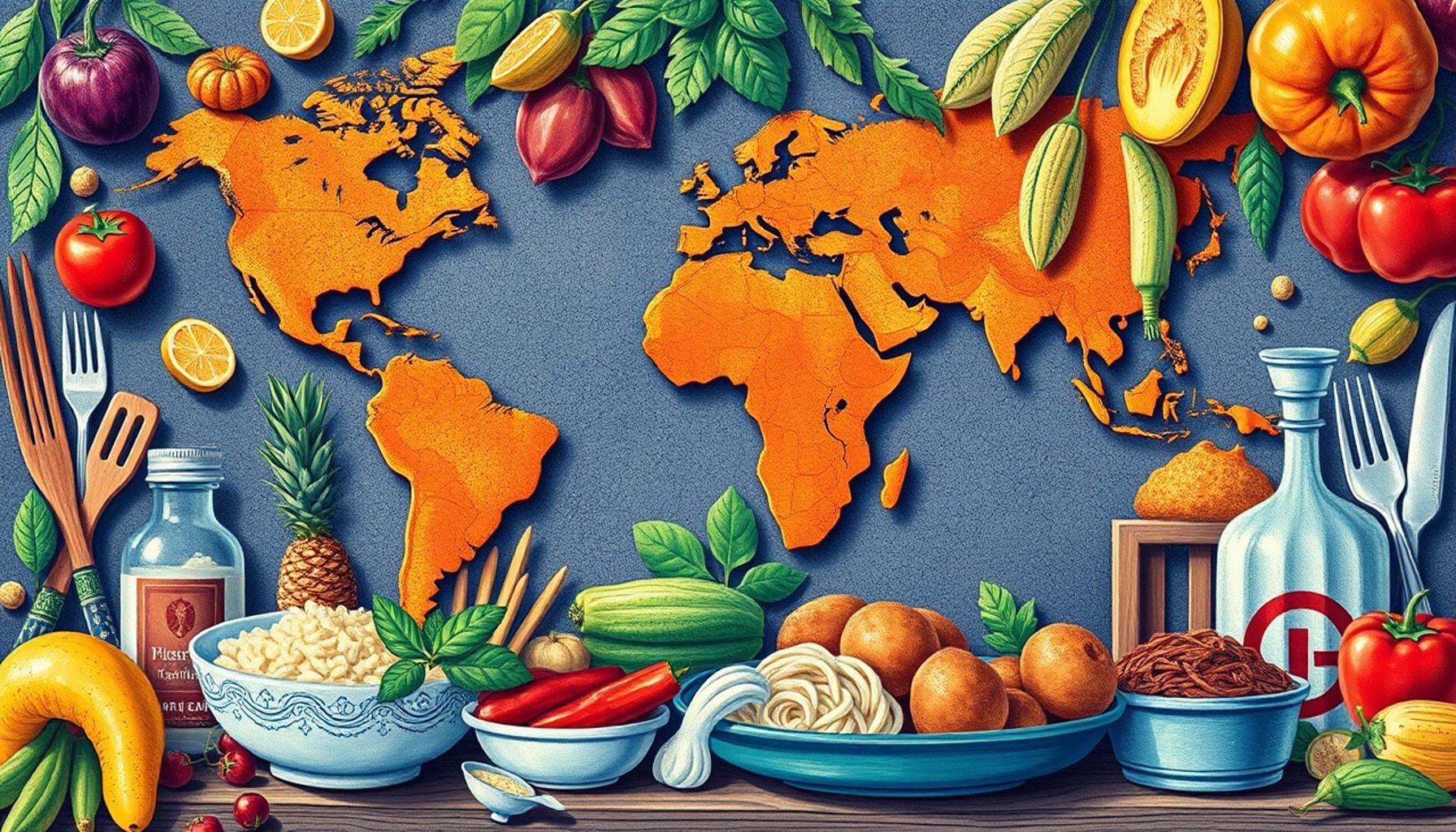
As our world becomes increasingly interconnected, the flavors of different cultures are merging to create innovative fusions that are redefining the notion of traditional cuisine. The emergence of culinary cross-pollination illustrates how cuisines can learn from and adapt to one another. Dishes like tikka masala pizza or pho ramen highlight this revolution, showcasing how diverse ingredients and cooking methods can create something completely original yet rooted in multiple heritages.
In this context, the experimentation of flavors serves as a medium through which cultural dialogue can flourish. By embracing these influences, cooks can craft dishes that celebrate diversity while promoting unity through food.
Ultimately, the experimentation of flavors invites both professional chefs and home cooks alike to venture into the realm of culinary exploration, where creativity instigates a fundamental transformation of traditional recipes. As we navigate through these changes, we are reminded that the kitchen is not merely a place for preparation but a canvas for endless potential and storytelling through flavors. It is a reminder that food, like culture, is constantly evolving, and in this evolution lies the excitement of discovery.
| Advantage Category | Description |
|---|---|
| Innovative Pairings | Discovering bold new flavor combinations expands the palate, enhancing the culinary experience. |
| Cultural Fusion | Blending diverse culinary traditions promotes inclusivity and appreciation for global cuisines. |
| Healthier Alternatives | Experimenting with ingredients can lead to nutritious twists on classic dishes, encouraging healthier eating habits. |
| Enhanced Creativity | Encouraging personal expression in cooking can inspire others and make meal preparation an art. |
The experimentation of flavors invites chefs and home cooks alike to break away from the predictable. With innovative pairings, such as chocolate and chili or saffron and strawberries, traditional recipes evolve into extraordinary culinary experiences that entice the senses. Cultural fusion not only celebrates diversity but also infuses traditional staples with new life, enabling a dialogue between cuisines.As health becomes an increasing priority, creativity in recipe adjustments promotes the use of whole foods, introducing superfoods to classics like a quinoa-stuffed bell pepper. Additionally, enhanced creativity allows cooks to showcase better personal expression, making cooking a joyful, shared activity that transcends traditional boundaries. This artistic freedom in the kitchen can lead to discoveries that are both delicious and visually appealing, captivating any audience. By fostering this innovative spirit, the culinary world can redefine dining as a whole.
Techniques and Technology: The New Age of Culinary Innovation
As creativity breathes new life into traditional recipes, advances in kitchen techniques and technology play a pivotal role in shaping the experimentation of flavors. Chefs and home cooks alike are leveraging modern culinary tools to push boundaries in taste and presentation, creating experiences that are as visually striking as they are delicious.
Precision Cooking
One of the most significant trends in contemporary cooking is the rise of precision techniques such as sous-vide. This method involves vacuum-sealing food and cooking it to the exact desired doneness in a water bath, retaining moisture, and intensifying flavors. Imagine classic beef bourguignon, where traditional simmering is replaced by time-controlled sous-vide preparation, allowing the flavors to meld perfectly without overcooking the meat. By embracing these precise cooking methods, chefs can uphold the integrity of traditional dishes while offering richer, more consistent flavors.
Fermentation: Turning Tradition on Its Head
Fermentation is another exciting avenue where creativity significantly alters our approach to traditional recipes. As chefs experiment with deeply flavorful fermented ingredients, such as kimchi or miso, they introduce an entirely new dimension to once-simple dishes. For instance, incorporating homemade miso into a classic potato salad transforms it into a umami-packed side that sparks curiosity and excitement. Furthermore, fermentation allows for seasonality to be captured in a jar, preserving flavors that can be revisited year-round, thus challenging the notion of what can be considered traditional.
Gastronomy and Molecular Techniques
The field of molecular gastronomy is another fascinating frontier in taste experimentation. Through techniques like spherification, chefs can create bursts of flavor that surprise and delight. A traditional tomato soup can be reimagined, served as tiny spheres that release liquid upon biting into them, creating an innovative dining experience. Such techniques invite diners to engage with food in a new way, encouraging them to break free from conventional expectations around textures and flavors.
The Art of Plating
Beyond techniques and cooking methods, presentation plays a crucial role in how flavors are experienced. The seasonal, locally sourced ingredients often become part of a deliberate aesthetic choice, fostering a visual narrative surrounding the dish. Chefs are taking plating to new heights, utilizing geometric shapes, vibrant colors, and unexpected garnishes to heighten the experience of a traditional recipe. For instance, when plating a classic shepherd’s pie, a chef might opt for a towering arrangement, with each layer distinctly defined, rather than the traditional approach of a layered casserole. This evolution in plating demonstrates how the visual component of food can engage diners, making them more open to the new flavor profiles being presented to them.
In a rapidly evolving culinary world, experimenting with flavors through innovative techniques, ingredients, and presentation offers endless opportunities to enhance traditional recipes. By embracing these advancements, cooks can continue to foster a dialogue between the past and the present, paving the way for an exciting future in cuisine. As modern culinary exploration unfolds, it encourages the continuous reinvention of offerings, reminding us that the kitchen can be a space for creativity and storytelling.
Conclusion: A Flavorful Future Awaits
The culinary landscape is ever-evolving, with the experimentation of flavors captivating the attention of chefs and home cooks alike. As we have explored, innovation in cooking techniques, the use of modern technology, and a bold embrace of new ingredients are revolutionizing traditional recipes, turning them into something extraordinary. It is through methods like sous-vide cooking and fermentation that we witness classic dishes being reimagined, offering depth and complexity that were previously unachieved. Additionally, molecular gastronomy and the art of plating have transformed the dining experience into a visual and sensory journey.
As we move forward, it is essential to maintain a balance between honoring our culinary heritage and embracing creativity. This journey towards redefining flavor profiles not only elevates classic recipes but also invites a broader audience to explore and enjoy diverse gastronomical experiences. The kitchen has emerged as a canvas, where flavors can intermingle and inspired stories come to life. Each experiment encourages a dialogue within culinary communities, offering unique insights into our cultural identities and personal histories through food.
In conclusion, the experimentation of flavors is not just a trend; it is a transformational movement that seeks to unite tradition and innovation. The possibilities are endless, and as we continue to push boundaries, we invite everyone to join in this culinary adventure, ready to discover new tastes and wholesome connections. So, whether you are a seasoned chef or a curious home cook, the challenge now stands before you: how will you revolutionize tradition on your plate?