The Art of Baking: Transforming Simple Ingredients into Masterpieces
The Artistry of Baking
Baking is more than just a culinary skill; it is an art form that allows creativity to flourish. With a handful of basic ingredients, bakers transform simple components into delightful masterpieces that can evoke joy and nostalgia. The chemistry of baking combines science and creativity, making it a fascinating pursuit. Each blend of flavors and textures represents not only the baker’s skill but also their personal touch and background.
Key Ingredients in Baking
At the heart of this craft are essential ingredients that, when combined, can produce extraordinary results. Let’s explore these foundational components in detail:
- Flour: The foundation of most baked goods, providing structure and strength. Different types of flour, such as all-purpose, bread, and cake flour, offer varying protein content, which affects texture and rise. For instance, bread flour, with its higher protein, yields chewier artisan loaves compared to the tender crumb of cake flour.
- Sugar: Introduces sweetness and contributes to browning through caramelization and the Maillard reaction. Beyond taste, sugar also affects moisture retention, texture, and even shelf-life. Different sugars, like brown sugar and powdered sugar, offer unique flavors and effects in recipes.
- Eggs: Essential for binding and enriching texture. They play a critical role in leavening, as well, helping baked goods rise and achieve a light, airy quality. Eggs also contribute to color and flavor, making them a valuable ingredient in pastries and cakes.
- Butter: Adds flavor and moisture while aiding in flakiness, particularly in pastries. The choice between salted and unsalted butter can influence the overall taste, requiring bakers to adjust salt levels accordingly.
- Baking soda and baking powder: Key leavening agents that create rise. Knowing the difference between these two is crucial; baking soda requires an acid to activate, whereas baking powder includes both an acid and a base, making it a more versatile option for many recipes.
These ingredients, when treated with care and respect, can yield an array of baked wonders—from crispy cookies to fluffy cakes and artisan breads. Each creation tells a story, enriched by the bakers’ unique touch. For instance, a simple chocolate chip cookie can vary widely in texture and flavor depending on the ratios and types of butter and sugar used. Understanding the role of each ingredient opens up a world of possibilities, enabling bakers to refine their techniques and elevate their creations.
The Transformative Power of Baking
In this article, we will explore the transformative power of baking. By delving into techniques such as proper mixing methods, temperature control, and ingredient substitutions, bakers can better understand how to manipulate their environment and ingredients to achieve optimal results. With tips drawn from expert bakers and culinary schools, we aim to break down complex processes into manageable steps that encourage experimentation.
Moreover, baking can serve as a creative outlet. With every recipe, bakers have the freedom to incorporate seasonal ingredients or even cultural flavors that reflect their heritage. Whether it’s baking with pumpkin in the fall or tropical fruits in the summer, each season paints a vibrant picture on the table.
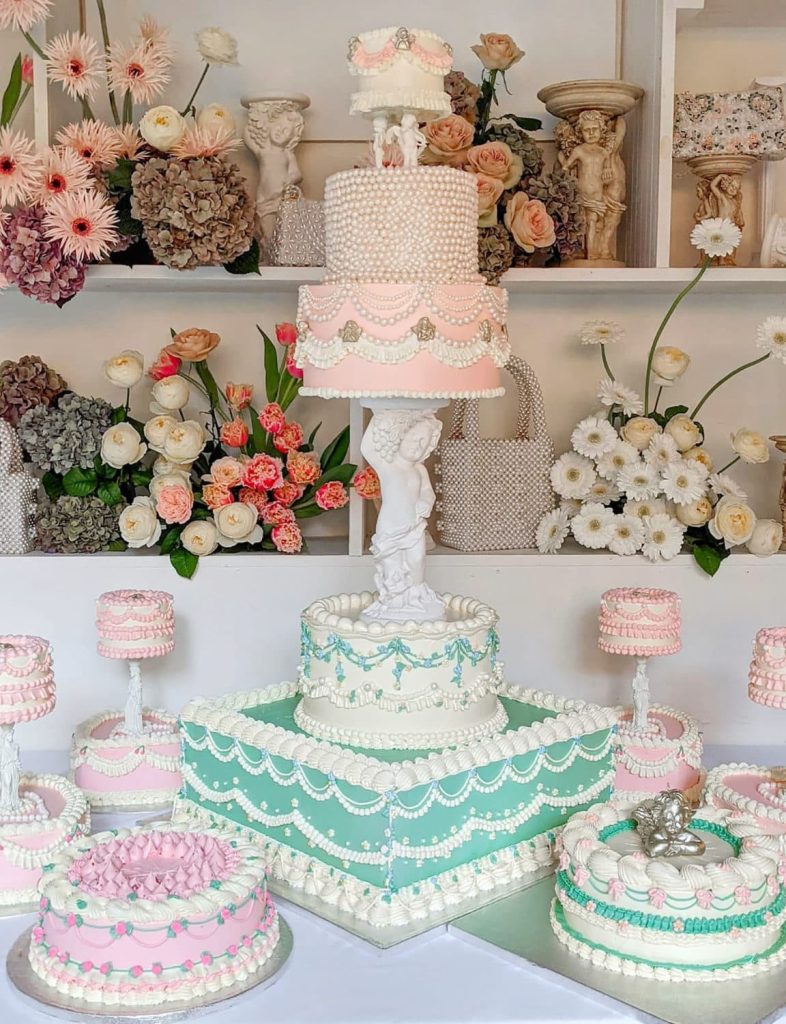
Join us as we uncover how the humble elements of flour and sugar become breathtaking culinary masterpieces, creating not only delicious treats but also lasting memories around the dining table. Through this exploration, we hope to inspire you to don an apron and unleash your inner baker.
Unlocking the Techniques of Baking
The artistry of baking goes beyond the mere combination of ingredients; it involves mastering various techniques that elevate the process from mundane to extraordinary. Understanding how to manipulate each ingredient through different methods, temperature adjustments, and timing can dramatically alter the final product. Here, we delve into key techniques that can help any baker create stunning and delectable treats.
Mixing Methods
One of the most essential techniques in baking is understanding mixing methods. Different recipes call for specific mixing approaches that influence the texture and structure of the final baked good. Here are some common methods:
- Creaming: This method involves beating butter and sugar together until light and fluffy. This process incorporates air into the butter, which is essential for leavening in cakes and cookies.
- Folding: Used primarily in recipes involving whipped egg whites or whipped cream, folding is a gentle technique that incorporates one mixture into another without deflating the airy components.
- Kneading: Essential for breads, kneading develops gluten, the protein that gives bread its structure. This technique requires rhythmic motion and ensures even distribution of ingredients.
By mastering these mixing methods, bakers can significantly impact the texture and lightness of their creations, turning ordinary recipes into extraordinary delights.
The Importance of Temperature
Understanding temperature control is another critical aspect of baking that can make or break a project. Different ingredients react uniquely at varying temperatures, which is why precision is paramount. For example, butter must be at room temperature for effective creaming, while cold butter creates a flakier texture in pastries. The following temperature tips are essential for successful baking:
- Room Temperature Ingredients: Many recipes specify using room temperature eggs, butter, or milk to ensure even mixing and proper chemical reactions during baking.
- Oven Preheating: Preheating the oven ensures that baked goods rise correctly and cook evenly. Skipping this step can result in denser textures and uneven baking.
- Cooling Racks: Allowing baked items to cool on racks instead of in pans prevents sogginess by ensuring proper air circulation.
Each of these temperature considerations shapes the end product, whether through achieving the perfect crust on a loaf of bread or ensuring a cake rises to the desired height. Baking takes time and patience, but by acknowledging the impact of temperature, bakers can enhance their results exponentially.
Ingredient Substitutions
As every baker learns, sometimes the right ingredient is unavailable, but that doesn’t have to spell disaster. Knowing how to substitute ingredients can be an invaluable skill. For instance, if you’re out of eggs, unsweetened applesauce or a flaxseed mixture can often work as a binder in many recipes. In addition, alternatives like almond flour can be used in place of traditional wheat flour for gluten-free baking. Here are a few more common substitutions:
- Yogurt for Sour Cream: This can impart moisture and a slight tang.
- Applesauce for Sugar: A way to reduce calories while adding moisture.
- Butter for Coconut Oil: Offers a dairy-free option with a subtly sweet taste.
These substitutions not only save the day but also allow bakers to innovate and create unique flavors or health-conscious alternatives.
By understanding and applying these various techniques in baking, individuals can elevate their culinary skills significantly, transforming simple ingredients into breathtaking masterpieces that delight the palate and spark creativity. Whether you’re a seasoned baker or just starting, these foundational methods will support your journey into the art of baking.
| Category | Advantages |
|---|---|
| Creativity in Baking | Baking allows for endless creative expression, transforming basic components into extraordinary flavors and designs. |
| Nutritional Control | By utilizing fresh, simple ingredients, bakers can create healthier versions of classic recipes, impacting overall dietary well-being. |
Delving deeper into the world of baking, it becomes clear that this cherished activity transcends mere food preparation. The blend of basic ingredients can lead to breathtaking creations, from artisanal breads to intricate pastries. This process simultaneously offers bakers both a canvas to unleash their creativity and the opportunity to explore flavor profiles they’ve never encountered before. Each loaf or cake serves not just as sustenance but also as a testament to innovative thinking.Nutritional awareness has shaped modern baking practices, with many enthusiasts opting for organic or locally sourced ingredients. The rise in popularity of gluten-free, vegan, and other specialized diets has encouraged bakers to push the boundaries of traditional recipes, making it possible for everyone to enjoy baked goods without compromising health. This transformation of simple ingredients elevates baking into a profound art form, captivating both novice and seasoned bakers alike.
Creative Flavor Enhancements
In the realm of baking, the flavor profile of a dish can set it apart, transforming a basic that into a tantalizing experience. Incorporating flavor enhancements allows bakers to express their creativity, making use of various techniques and ingredients to create layers of taste. Here are some popular methods that inspire bakers to think beyond conventional ingredients.
Infusions and Extracts
Using infusions and extracts can take your baked goods to another level. These concentrated flavors can be incorporated into batters, doughs, and frostings to create distinctive tastes:
- Herb-Infused Simple Syrups: Infusing syrups with herbs like basil or rosemary can produce moist cakes that have a sophisticated flair.
- Vanilla Extract: A staple in many recipes, the addition of premium or unique extracts (like almond or orange blossoms) can make a significant difference in flavor depth.
- Spiced Additions: Don’t shy away from spices! Cinnamon can add warmth to cookies while nutmeg or cardamom can infuse cakes with aromatic complexity.
Experimenting with these ingredients encourages bakers to highlight seasonal flavors, such as using fresh mint in the summer or candied ginger in the fall.
Texture Enhancements
Texture is equally important as flavor when it comes to baking. By incorporating a variety of textures into your creations, you can create a more engaging eating experience. Here are some ideas:
- Crunchy Toppings: Add nuts or seeds to the top of breads and muffins; they not only provide a satisfying crunch but also enhance the visual appeal of baked goods.
- Layering Techniques: Utilizing techniques such as crumb toppings or filling pastries with custard can add unexpected elements that elevate dishes.
- Experiment with Gels: Adding textures through fruit gels or jellies can make desserts intriguing, with their glossy finishes and contrasting textures.
The integration of different textures gives bakers the opportunity to create a truly memorable product that delights the senses.
Garnishing Techniques
The final presentation of a baked good is just as essential as its taste. Garnishing techniques not only enhance the aesthetics but can also provide additional flavors. This can be through sugar dusting, chocolate drizzles, or using edible flowers like pansies or violets:
- Glazes and Frostings: These can be drizzled or piped onto cookies and cakes, offering a beautiful finish while also introducing another flavor dimension.
- Textured Sprinklings: Using flaked sea salt or colored sugar can enhance both flavor and visual impression, contributing to a bakery’s distinctive identity.
- Fresh Fruits: Topping tarts and cakes with fresh fruits adds a vibrant pop of color and freshness, visually inviting guests to indulge.
Developing these garnishing skills not only beautifies your dishes but also demonstrates the artistic side of baking, allowing for personal expression in every creation.
The art of baking is a joyous exploration of flavor and technique, and as bakers become more familiar with these creative enhancements, they can truly transform simple ingredients into culinary masterpieces. Whether it’s through inventive flavor combinations, textural contrasts, or stunning presentations, the heart of baking lies in the continuous quest for improvement, expression, and above all, enjoyment of the process.
Conclusion
In conclusion, the journey through the art of baking reveals that the simplest ingredients can be morphed into exquisite masterpieces. It is not merely a process of combining flour and sugar; it is a captivating expression of creativity, passion, and skill. By embracing innovative approaches—such as creative flavor enhancements, exciting texture combinations, and stunning garnishing techniques—bakers can elevate their creations from ordinary to extraordinary.
As bakers explore unique flavor profiles through infusions and seasonal ingredients, they create memories that linger long after the last bite. Incorporating a variety of textures can engage the palate and enhance the overall experience, making every ingredient count. Coupled with aesthetic garnishing, a simple loaf of bread or a humble cake turns into an art piece, inviting appreciation from both the eye and the taste buds.
Ultimately, baking is a blend of science and artistry, a delightful means to connect with loved ones and a captivating adventure to undertake alone. As bakers continue to experiment and refine their skills, they contribute their unique narratives to the culinary world. So, whether you’re a seasoned professional or a novice baker, remember that the true essence of baking lies in the joy of creation and the satisfaction of sharing delicious results. Embrace the process, and you may just find that your next batch of cookies or cake is more than just a dessert—it’s a genuine work of art.