The Influence of Art on Mental Health: How Artistic Expression Can Help Overcome Emotional Challenges
The Unseen Benefits of Artistic Expression
Art has served as a powerful medium for expression and connection throughout human history, yet its potential to enhance mental health is often underestimated. Engaging in creative endeavors can provide not only an escape but also a transformative experience that promotes overall psychological well-being. By embracing artistic expression, individuals can navigate through emotional challenges and foster a sense of resilience.
Numerous studies underline the significant benefits of art on mental health, revealing that engaging in creative activities can yield substantial improvements in emotional well-being. For instance, a recent study published in the journal Psychology of Aesthetics, Creativity, and the Arts found that both sporadic and regular engagement in artistic activities correlated with decreased levels of anxiety and depression among participants. Here are some avenues through which creativity acts as a healer:
- Art therapy: This structured form of therapy utilizes various artistic mediums—ranging from painting and sculpture to music and poetry—to facilitate healing. Certified therapists guide individuals, enabling them to explore personal challenges and confront emotions that may be difficult to articulate. Institutions such as the American Art Therapy Association champion the importance of these therapeutic practices, demonstrating their effectiveness in settings ranging from hospitals to schools.
- Self-expression: Many people find a voice through their art. Whether it’s creating a heartfelt painting, writing a moving poem, or composing music, these forms of expression allow individuals to externalize their thoughts and feelings. For example, writers often use journaling as a tool to reflect on their lives and processes emotions, leading to greater self-awareness and clarity.
- Mindfulness: The act of creating art can serve as a form of mindfulness practice. By concentrating on the creative process—such as the brush strokes on a canvas or the rhythm of a dance—individuals can momentarily escape the whirlwind of anxiety, entering a serene state where worries dissipate. Research by the University of California, Los Angeles found that engaging in creative activities can significantly reduce cortisol levels, a hormone associated with stress.
For many, the journey of creating art is deeply personal, often unlocking emotions previously hidden away. From the vibrant colors of a canvas to the rhythm of a song, various forms of creativity allow for endless opportunities for self-discovery. Artistic pursuits, whether music, dance, or visual art, promote an enriched understanding of one’s inner self and foster emotional resilience. The possibilities are as varied as the individuals engaging in them.
As we delve deeper into the relationship between art and psychology, it becomes clear that creativity transcends mere hobby status; it is a critical healing practice. Recognizing this connection empowers individuals to take a proactive approach to their mental health. Embracing artistic endeavors not only enriches one’s life but also serves as a powerful tool for healing and personal growth.
Join us on this enlightening exploration to unlock how engaging in creative practices can enhance emotional resilience and lead to profound personal insights.
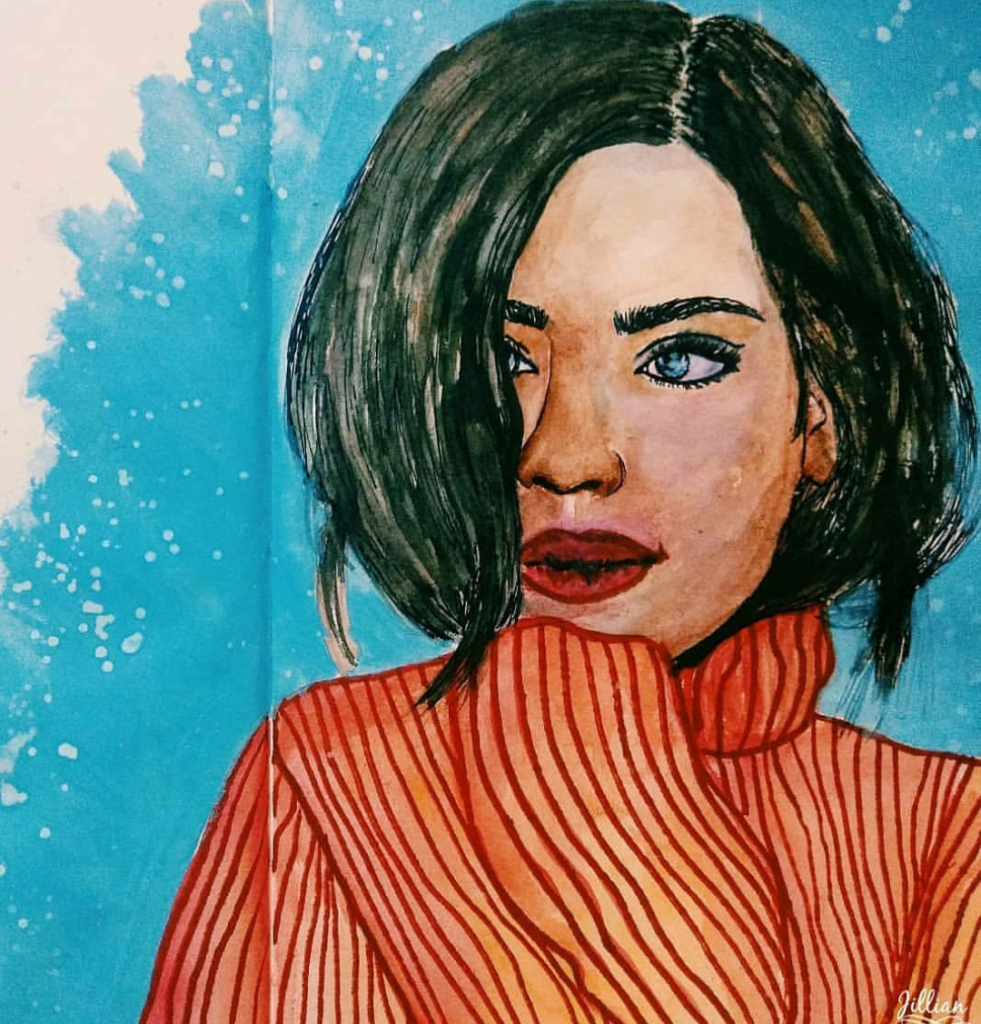
Artistic Expression as a Path to Healing
Artistic expression not only serves as a creative outlet but holds the potential to guide individuals through their emotional struggles. The practice of creating art allows for a unique engagement with one’s feelings, paving the way for healing and understanding. Across various platforms, including community centers, schools, and hospitals, art is gradually being recognized as a compelling form of therapy that can help individuals address a range of psychological issues.
Research has shown that engaging in artistic practices can act as an antidote to stress and emotional turmoil. According to a report from the American Psychological Association, creative activities promote mental wellness by providing individuals the chance to creatively explore and reorganize their thought processes. When someone draws or paints, they are not just creating a visual masterpiece; they are also visualizing their inner world, allowing them to confront and reflect on their emotions.
Beyond the therapeutic aspects, artistic expression offers several key benefits that contribute to mental health:
- Connect with Others: Engaging in group art sessions can foster social connections, helping individuals form supportive networks. Whether through painting clubs or dance classes, these communal spaces provide comfort and shared experiences, significantly reducing feelings of isolation or loneliness.
- Build Confidence: The act of creating something tangible can empower individuals, boosting their self-esteem. Accomplishing a piece of art, regardless of skill level, can create a sense of pride and ownership that translates into broader aspects of life.
- Process Trauma: For many, art serves as a vehicle for processing difficult experiences. Studies have shown that trauma-focused art could help individuals articulate pain they might struggle to express verbally. This form of expression can be particularly beneficial for those grappling with issues such as PTSD or other distressing emotional challenges.
In America, several initiatives demonstrate the effectiveness of artistic expression in enhancing mental health. Programs focusing on art therapy are increasingly integrated into schools and community centers, emphasizing the role arts play in emotional development. Organizations like The Art Therapy Collective provide access to workshops and resources, empowering individuals to harness their creativity in healing ways.
As we explore the intriguing intersection between art and mental health, we uncover the vital role that creativity can play in overcoming emotional challenges. Embracing artistic outlets is not merely a form of leisure; it is an essential practice that can enrich lives and foster significant psychological growth. Through art, individuals can reclaim their narratives, transforming pain into beauty and solitude into connection.
The Transformative Power of Artistic Expression
Artistic expression encompasses a wide variety of forms, including visual arts, music, dance, and writing. Each of these mediums offers unique pathways for individuals to explore their emotions, process experiences, and communicate feelings that may be difficult to articulate through conventional means. Research in psychology underscores that engaging in creative activities can significantly reduce stress and anxiety levels, ultimately leading to improved overall well-being.
Art as a Healing Tool
The act of creating art can serve as a powerful therapeutic intervention. It allows individuals to externalize their emotions, confronting their internal struggles without fear of judgment. Studies have shown that expressive arts therapy, which integrates artistic methods with psychological practices, not only fosters emotional healing but also enhances cognitive functioning. By engaging with art, individuals can develop a deeper understanding of their feelings, learning to cope with emotional challenges more effectively.Artists throughout history have used their craft as a means of processing trauma and suffering. For instance, renowned painter Vincent van Gogh famously struggled with mental illness, channeling his emotions into his vibrant, evocative works. This exemplifies how art can be a refuge and a source of strength, enabling individuals to transmute pain into creativity.
The Benefits of Community Engagement
Participating in group art projects or community-based art initiatives can enhance emotional resilience. Connecting with others who share similar experiences fosters a sense of belonging and support, reducing feelings of isolation and loneliness. Group art activities encourage collaboration and communication, vital elements in overcoming emotional challenges. Moreover, community art programs have been shown to promote social cohesion, allowing participants to share their stories, thereby validating their experiences. This process not only strengthens community bonds but also inspires collective healing through the power of shared artistic expression.As we continue to explore the relationship between art and mental health, it is crucial to recognize the potential it holds for individuals who are navigating emotional struggles. By embracing creativity, one can unlock doors to healing, self-discovery, and profound connection.
| Category | Benefits |
|---|---|
| Emotional Release | Art provides a safe outlet for expressing pent-up emotions. |
| Increased Self-awareness | Engaging with art helps individuals gain insights into their emotional states. |
| Social Connectivity | Collaborative art activities foster a sense of community and reduce isolation. |
Through the lens of artistic expression, individuals can embark on transformative journeys toward emotional healing, ultimately reinforcing the significant influence art has on mental health.
Art as a Therapeutic Tool in Diverse Settings
The integration of art into therapeutic practices is gaining traction not only in clinical psychology but also in various settings, including schools, hospitals, and rehabilitation centers. Art therapy, which combines psychological principles with artistic techniques, is harnessed to foster emotional expression and healing. In the realm of mental health, these practices can lead to profound transformations, offering both practitioners and patients new pathways to understanding and addressing emotional trauma.
One noteworthy example is the use of art therapy in schools, where educators increasingly recognize the benefits of creative expression for vulnerable student populations. Programs that incorporate artistic activities can help children deal with anxiety, stress, and feelings of inadequacy. Many educators report that students who engage in art projects show remarkable improvements in emotional indicators, including a decrease in behavioral issues and anxiety levels. The availability of artistic outlets allows young individuals to express their unique challenges in a non-verbal manner, promoting a sense of security and connection with their peers.
Moreover, hospitals are adopting art therapy as part of the healing process for patients facing both mental and physical health challenges. Studies published in reputable journals, such as the American Journal of Public Health, demonstrate that patients involved in art-based interventions report decreases in pain perception and improvements in mood and overall well-being. Art therapists design tailored programs to help patients express their emotions, whether through painting, sculpture, or music. This engagement not only provides a distraction from medical concerns but also promotes a holistic approach to recovery.
The transformative power of art can also be witnessed in rehabilitation centers, where creative expression is employed to support individuals recovering from addiction. Programs that incorporate artistic expression, such as writing workshops or gallery exhibitions, have been linked to reduced cravings and a stronger sense of identity. The process of creating allows recovering individuals to channel their experiences into tangible pieces, nurturing both resilience and hope.
Research and anecdotal evidence indicate the cognitive benefits attached to artistic endeavors. Engaging in creative activities stimulates the brain and enhances cognitive functioning, which can be particularly beneficial for individuals with mental health disorders. The act of creating can activate various parts of the brain, fostering greater neural connections that support improved emotional regulation. Engaging in art also encourages mindfulness—a state of being present that studies show can mitigate stress levels and enhance emotional well-being.
In the explosion of social media, the role of shared artistic experiences has taken on new dimensions. Platforms like Instagram and TikTok not only showcase artwork but also build vibrant communities centered around creativity and emotional share. Mental health advocates frequently use these platforms to promote discussions about art and emotional healing, providing insightful content that resonates with followers. Users are encouraged to explore their creativity, pass on lessons learned from their struggles, and foster connections with others who share similar battles.
Through community initiatives and personal explorations, the intersection of art and mental health continues to expand in meaningful ways. From schools to online spaces, artistic expression serves as a bridge to heal emotional challenges, carving out avenues for understanding, recovery, and solidarity among those who seek solace in creativity.
Exploring the Lasting Impact of Artistic Expression on Mental Health
In conclusion, the influence of art on mental health is both profound and multifaceted, offering a powerful outlet for individuals to navigate their emotional challenges. As this article demonstrates, the integration of art therapy across various settings—from schools to hospitals and rehabilitation centers—highlights the therapeutic benefits that artistic expression can facilitate. Through creative activities, individuals find not only a means to articulate previously unexpressed feelings but also valuable coping strategies for life’s pressures.
The evidence supporting the positive effects of art on mental health continues to grow, reaffirming that engaging in creative processes can enhance emotional regulation, improve cognitive functioning, and foster a sense of community among individuals grappling with similar issues. Programs that encourage artistic exploration serve as vital resources, enabling individuals of all ages to connect with their emotions and experiences, ultimately paving the way for healing and resilience.
Moreover, the rising presence of art on social media platforms amplifies these benefits, creating networks of support and shared experiences that have the potential to reach even broader audiences. As more people share their journeys through art, they contribute to a larger cultural conversation around mental health awareness, breaking down stigmas and fostering acceptance.
As we continue to explore the intersections of art and mental health, it is clear that nurturing creativity can provide essential benefits that may lead to healing and hope. Individuals and communities alike are encouraged to embrace their artistic voices, harnessing the transformative power of creativity to overcome emotional challenges and improve overall well-being. The journey of self-expression through art may just be the key to unlocking new pathways toward mental health support that is more accessible and inclusive for all.