The influence of musical expression on mental health and well-being
Understanding the Power of Musical Expression
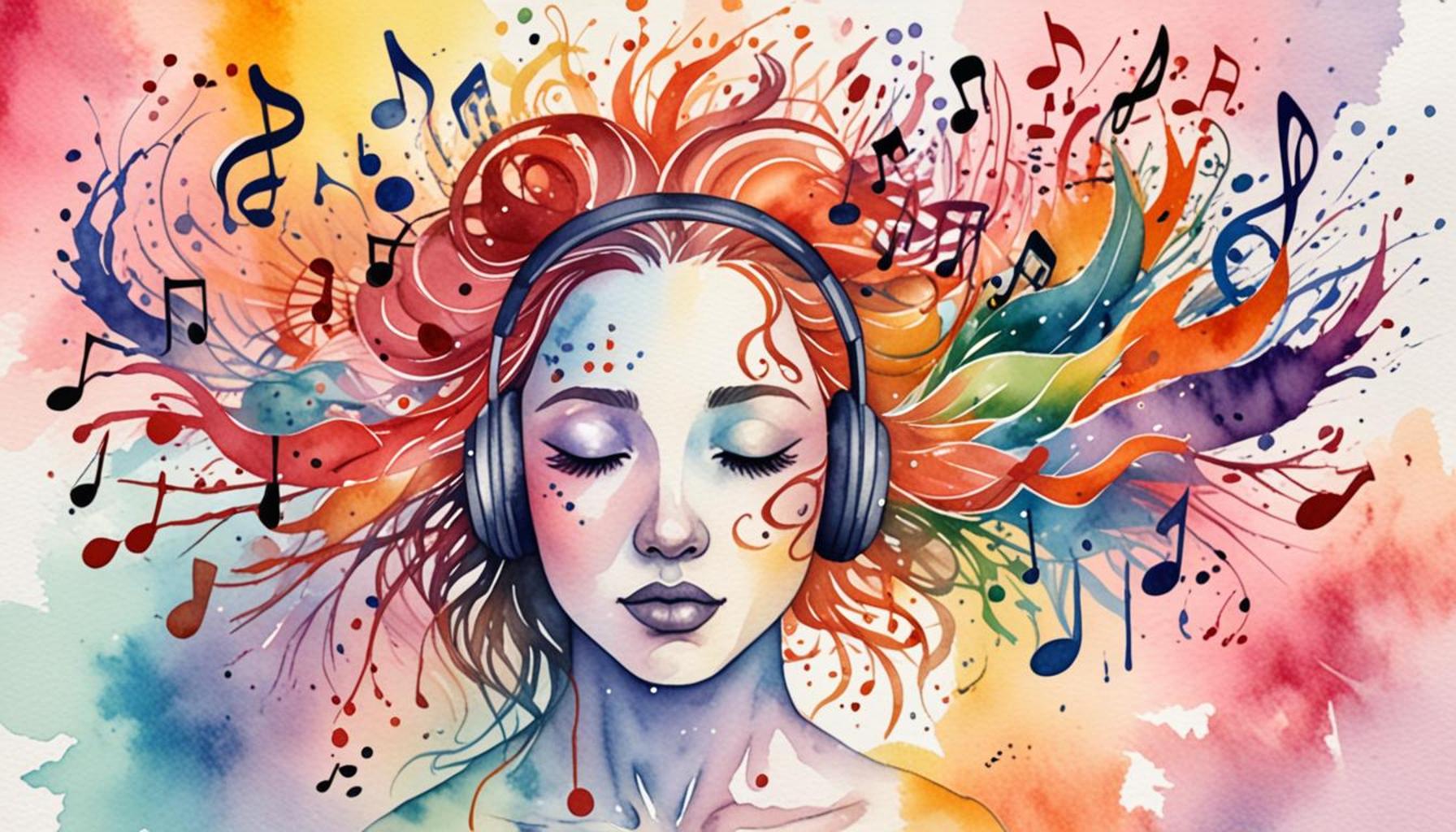
Music has an extraordinary ability to evoke emotions, shape moods, and foster connections among individuals. With its far-reaching effects, musical expression plays a considerable role in influencing both mental health and overall well-being. Across various cultures, music has served not just as entertainment but as a vital component of emotional communication and social cohesion.
Research suggests that engaging with music can lead to numerous psychological benefits. For instance, stress reduction is one of the most documented advantages of listening to music. Studies show that listening to relaxing music can significantly lower cortisol levels, thereby alleviating anxiety and promoting a sense of calm. Genres like classical music or ambient sounds have been particularly noted for their calming effects. In fact, a study from the University of Maryland Medical Center indicated that patients who listened to music before surgery experienced less anxiety and required less pain medication afterward.
In addition to reducing stress, music has a profound impact on our mood. Upbeat tunes can uplift spirits, while calm melodies promote relaxation, acting as a powerful emotional regulator. For example, many people turn to their favorite playlists for motivation during workouts, utilizing the energizing beats to boost their enthusiasm and performance. This phenomenon is often referred to as the “Mozart Effect,” where listening to certain types of music can enhance cognitive functions such as focus and memory retention. Educational institutions across the United States have incorporated music into learning environments, recognizing its potential to enhance student engagement and retention of information.
Music as a Form of Therapy
Moreover, individuals utilize musical expression as a vital form of therapy. Studies indicate that music-related therapies, such as art therapy, allow individuals to process emotions and experiences more effectively. Music therapy often involves listening to, creating, or performing music as a way to manage stress, pain, and other physical or emotional challenges. For those dealing with trauma, playing an instrument or engaging in songwriting can provide an outlet for feelings that might be difficult to articulate verbally.
Community connection is another benefit of musical expression. Participating in group music activities—such as choirs, bands, or community drum circles—fosters a sense of belonging and shared identity. These interactions can be particularly powerful in times of isolation, promoting social ties that are essential for emotional health. Many cities across the United States host community music events, highlighting the importance of collaboration and shared experiences in enhancing mental well-being.

Finally, emotional release is a significant aspect of composing or performing music. Creativity allows individuals to express their inner thoughts and feelings, facilitating personal healing and reflection. This practice is especially important in today’s fast-paced world, where traditional forms of communication might feel inadequate to express complex emotions. From open mic nights at local cafés to music festivals, there are countless opportunities for individuals to share their musical voices and connect with audiences on a deeper level.
As society increasingly recognizes the vital role of music in mental wellness, exploring its impact can yield deeper insights into how we can improve our emotional health. The threads woven through musical expression can bind communities and uplift individuals, encouraging a journey toward better mental health for all. In this article, we will delve into the multiple facets of how musical expression influences mental well-being, encouraging readers to better understand and appreciate its significance.
DISCOVER MORE: Click here to delve deeper
The Emotional Resonance of Music
Musical expression is a deeply personal experience that transcends cultural barriers and speaks to the core of human emotion. Through melodies, harmonies, and rhythms, music becomes a medium of communication that articulates feelings often left unspoken. The emotional resonance of music can have profound effects on mental health, offering a pathway to understanding and processing complex emotions.
One of the unique aspects of music is its ability to evoke memories and trigger emotional responses that are sometimes buried within. For instance, certain songs can transport individuals back to significant life events, serving as powerful reminders of personal narratives. Psychologists argue that this phenomenon plays a pivotal role in a therapeutic context, allowing individuals to revisit and reassess past experiences. Engaging with cherished tunes can facilitate healing, as clients in music therapy sessions often find solace in their connections to songs that resonate with their histories.
Furthermore, music has become an accessible tool for managing emotional well-being. People often curate playlists to accompany various activities that cater to their emotional states. For instance, a person might select high-energy tracks to lift their spirits during a workout or opt for soothing sounds during meditation. This personalized approach to musical consumption suggests that individuals can actively influence their emotional landscapes through music choices, reinforcing the notion that individuals hold power in managing their mental health.
Advantages of Engaging with Musical Expression
There are numerous benefits of engaging with musical expression, which can significantly enhance mental well-being. Some of these advantages include:
- Enhanced mood stabilization: Engaging with music—whether through listening, singing, or playing instruments—can increase levels of serotonin and dopamine in the body, contributing to a more stable and uplifting mood.
- Improved social interactions: Music often serves as a social glue, bridging gaps between individuals and fostering connections. Participating in group music activities can forge friendships and a sense of community, particularly vital in a society plagued by isolation.
- increased self-esteem: The act of creating or performing music can boost self-worth and confidence. Individuals who engage in musical endeavors often report feeling empowered and more in touch with their identities.
- Management of emotional expression: Through music, people can articulate emotions that may be difficult to express in words, allowing for cathartic release and personal reflection. This process encourages emotional intelligence and awareness.
Ultimately, the multifaceted relationship between music and mental health demonstrates a significant correlation that merits further exploration. The act of making or listening to music serves as a therapeutic tool for many, providing a refuge for self-exploration, connection, and healing. As society continues to recognize and champion the mental health benefits of musical expression, the potential for more comprehensive approaches to therapy and well-being expands. In the next sections, we will further uncover the research linking music to various mental health outcomes and highlight initiatives that embrace musical expression as a form of recovery and support.
The Influence of Musical Expression on Mental Health and Well-being
Music has long served as a form of expression and communication, deeply intertwined with human experiences and emotions. Research increasingly highlights how musical expression can significantly impact mental health and well-being. One key aspect is its ability to foster emotional release. Engaging with music—whether by listening, performing, or composing—provides a channel for individuals to process and express complex emotions. This therapeutic quality is particularly beneficial for those dealing with anxiety or depression, as studies suggest that music can help lower cortisol levels, the hormone linked to stress, ultimately leading to psychological relief. Moreover, music often serves as a social connector. Group music-making activities, such as choirs or bands, enhance feelings of belonging and community. These social interactions can reduce feelings of isolation and loneliness, promoting a sense of well-being. This communal aspect of music is critical, especially in today’s fast-paced world where individuals often feel disconnected from others. Additionally, music’s role in eliciting memories can be a powerful tool in therapies such as reminiscence therapy, especially for individuals with cognitive impairments. Familiar songs can trigger vivid memories, allowing individuals to reconnect with their past, which can be profoundly therapeutic.Furthermore, emerging research suggests that specific genres of music can induce varying psychological states. For instance, classical music may promote relaxation and focus, while energetic genres can be uplifting and motivating. This versatility indicates that individuals can tailor their musical experiences to suit their emotional needs, enhancing coping strategies in challenging times. To illustrate these points, let’s explore the benefits of musical expression through a concise table:
| Category | Key Features |
|---|---|
| Emotional Release | Helps process complex feelings, reduces stress hormones. |
| Social Connection | Fosters a sense of belonging through group activities. |
In summary, the influence of musical expression on mental health is profound, serving as a multi-faceted tool for emotional release, social connection, and cognitive engagement. These qualities underline the importance of incorporating music into mental health practices, and they pave the way for further exploration into the therapeutic potentials of musical expression.
DIVE DEEPER: Click here to explore the world of mixed media
Music as a Therapeutic Modality
In recent years, the integration of music as a therapeutic modality in mental health care has gained momentum, demonstrating its efficacy in alleviating a wide range of psychological issues. Music therapy—a professional practice that involves the use of music interventions to achieve specific therapeutic goals—has been shown to provide clients with emotional support, communication, and coping strategies. Trained music therapists use customizable approaches that consider the individual needs of each patient, enhancing the healing process.
Research indicates that music therapy can significantly reduce symptoms of anxiety and depression. A meta-analysis published in the journal Psychological Bulletin found that participants who engaged in music therapy experienced noteworthy reductions in depressive symptoms compared to those who did not participate. Such findings highlight the profound capacity of music to facilitate emotional regulation, reinforcing the emotional value of musical expression as a key component of mental health treatment.
Another critical aspect of the relationship between music and mental health is its impact on cognitive function. Studies have shown that listening to music can enhance attention and memory performance, particularly in individuals coping with cognitive decline due to conditions such as dementia. In fact, music has been used in memory care programs across the United States, where familiar songs serve as cognitive anchors, helping patients retrieve memories and stimulating communication with caregivers and loved ones.
Community and Collective Musical Experiences
The communal aspect of musical expression also significantly contributes to mental health and well-being. Group activities such as choirs, drum circles, and community concerts not only provide enjoyment but also foster a sense of belonging and purpose. Engaging in musical activities as part of a group can alleviate feelings of loneliness and promote social skills, particularly in individuals who may struggle with social anxiety.
In an era characterized by social distancing and isolation, evidence suggests that virtual musical gatherings, from online karaoke to live-streamed concerts, have played vital roles in maintaining connections among individuals. Community-driven musical initiatives can serve as vital lifelines, enhancing well-being and providing emotional support in difficult times.
Furthermore, the incorporation of music into educational programs has shown to support mental wellness in children and adolescents. Schools across the United States are increasingly recognizing the importance of introducing musical curricula as a means to nurture student self-esteem and resilience. Environments that encourage musical exploration can facilitate emotional expression and offer an outlet for young people grappling with the pressures of growing up in today’s fast-paced world.
As the understanding of music’s influence on mental health continues to evolve, the dialogue around the integration of musical expression into broader therapeutic and social frameworks is paramount. The potential for music to serve as a catalyst for emotional connection, cognitive growth, and community support underscores its profound importance in fostering mental health and well-being across all segments of society. As more evidence emerges, practitioners and individuals alike are encouraged to embrace music as an essential component of a holistic approach to mental health care.
DIVE DEEPER: Click here to discover more about creative writing
Conclusion: The Transformative Power of Musical Expression
In summary, the exploration of musical expression as a potent tool for enhancing mental health and well-being reveals its multifaceted benefits. From structured music therapy to community-oriented musical experiences, the evidence consistently underscores the ability of music to offer emotional support, sharpen cognitive abilities, and foster social connections. The practices rooted in musical expression create environments where individuals can thrive emotionally, mentally, and socially.
As we have seen, the therapeutic applications of music can effectively combat issues such as anxiety, depression, and cognitive decline, highlighting its value in modern psychological treatment frameworks. Beyond individual therapy, community-driven musical initiatives actively combat isolation, promoting a sense of belonging and purpose, particularly crucial in our current landscape of digital interactions and social distancing.
Furthermore, the integration of music in educational settings stands as an invitation for schools to invest in students’ holistic development. By nurturing a culture of artistic expression, educators can play pivotal roles in shaping resilient and emotionally intelligent individuals. Musical exploration allows young people to navigate their complex feelings, ultimately contributing to their overall mental wellness.
As we look towards the future, the growing body of research illustrates that the influence of musical expression on mental health is not just a fleeting observation but a profound reality that deserves attention. For clinicians, educators, and individuals alike, embracing music in various forms can lead to enriched lives and healthier communities. The journey into the world of musical expression is just beginning, and its potential to transform mental health is indeed symphonic, waiting to be discovered by all.
Related posts:
Music and Nature: The Musical Inspiration from the Natural World
The Evolution of Music Genres and Their Influence on Personal Expression
Musical Expressions Impact on Emotional and Mental Well-being
The Impact of Music on Community Creation: Uniting People through Sound Expression
Music and Technology: How New Tools Transform Musical Expression
The Influence of Folk Music on Cultural and Community Expression

Linda Carter is a writer and creative hobbies expert specializing in crafting, DIY projects, and artistic exploration. With extensive experience helping individuals discover their creative potential and bring their ideas to life, Linda shares her knowledge on our platform. Her goal is to empower readers with practical tips, inspiring ideas, and step-by-step strategies for success in the world of creative hobbies.