The Influence of Nature on Artistic Creation: Exploring Biodiversity as a Source of Inspiration
The Influence of Nature on Artistic Creation
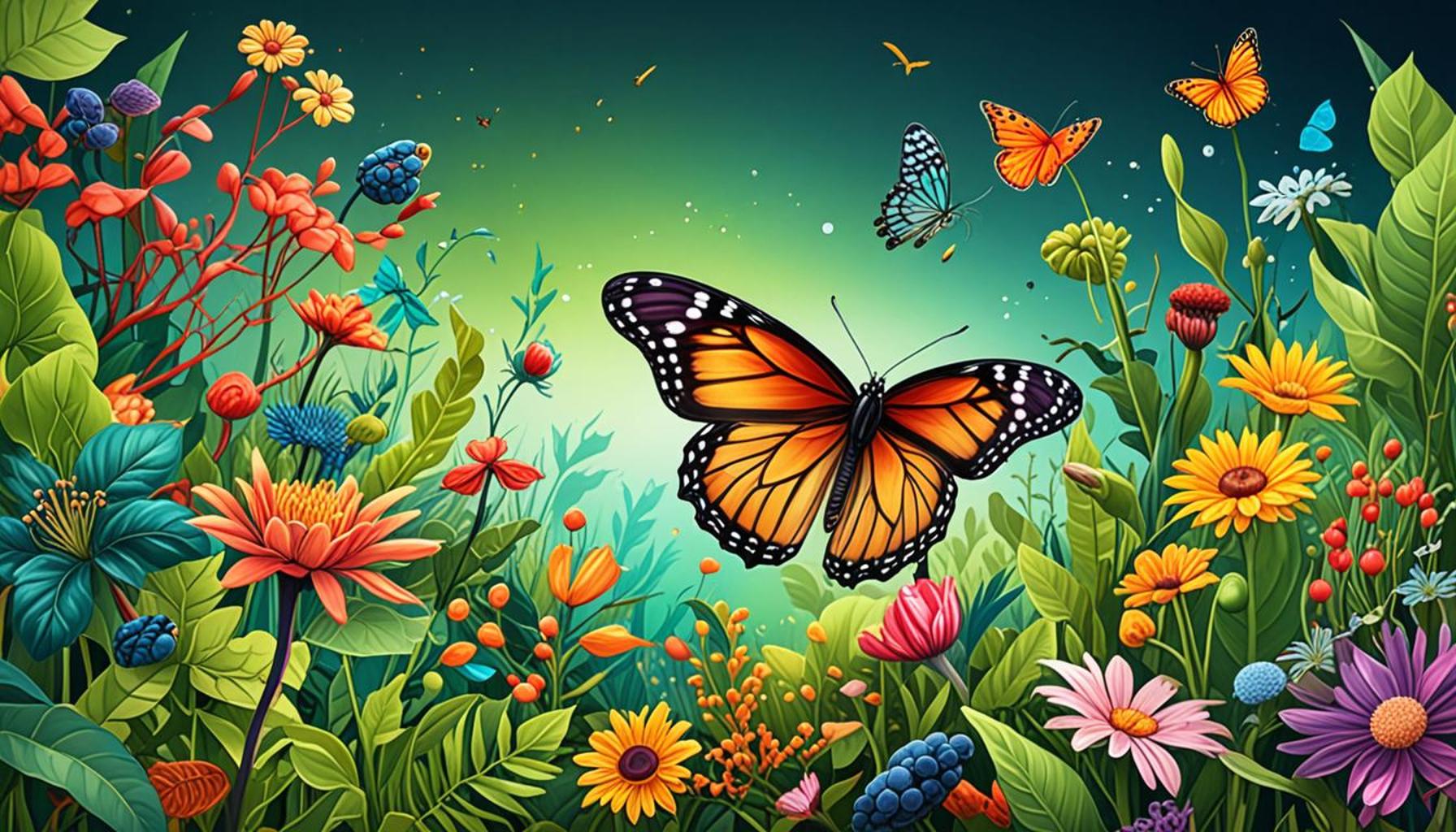
Throughout history, the natural world has served as a profound source of inspiration for artists, igniting their creativity with the myriad of colors, patterns, and textures found in nature. From the vivid splashes of color that characterize a sunset to the delicate intricacies of a butterfly’s wings, the beauty of our environment is a canvas that artists have long sought to capture. Notably, this inspiration draws deeply from the richness of biodiversity, which shapes both the subject matter and style of artistic endeavors.
Examples of Nature’s Impact
- Flora and Fauna: The variety of shapes and colors inherent in plants and animals provides a never-ending treasure trove for artistic interpretation. For instance, Georgia O’Keeffe became renowned for her paintings of flowers, which magnified their forms and colors, inviting viewers to experience nature in an intimate and personal way. Similarly, Alexander Calder’s mobile sculptures often epitomize the motion and vibrancy found in natural environments, merging art and nature seamlessly.
- Landscapes: Iconic landscapes, such as the towering peaks of the Rockies or the serene coastal views of the Pacific Northwest, have inspired countless masterpieces. Artists like Ansel Adams immortalized the beauty of the American wilderness through his stunning black-and-white photography, capturing the grandeur of nature while advocating for its preservation.
- Seasons: The cyclical nature of the seasons—the blossoming of spring, the heat of summer, the vibrant hues of fall, and the dormancy of winter—provides artists with themes that resonate universally. For example, Claude Monet’s “Haystacks” series showcases how changing light and weather can transform the same scene, while Robert Frost’s poetry eloquently reflects on the seasonal shifts and their impact on the human experience.
In addition to historical examples, the emergence of contemporary art movements continues to highlight an engagement with pressing environmental concerns. Modern artists increasingly use their platforms to address issues such as climate change and wildlife conservation, underscoring the fragile relationship between humanity and the planet. Works by artists like Olafur Eliasson highlight the impact of climate change while inviting viewers to reflect on their own roles in conserving the environment.
A Call to Explore
This artistic exploration invites us to appreciate not only the beauty of nature but also urges us to consider our responsibility towards its preservation. By understanding the interconnectedness of art and nature, we may find inspiration in our own lives to take action on environmental issues. Engaging with art that reflects biodiversity can encourage a deeper appreciation for our planet’s intricate web of life, inspiring conversations about sustainability and conservation. Whether visiting a local art exhibit or creating your own nature-inspired art, diving into the dialogue around biodiversity could reshape our understanding of both art and the environment.
DISCOVER MORE: Click here to deepen your understanding
Nature as a Muse
As the foundation of our existence, nature not only sustains life but also fuels the imagination of artists across various mediums. The intricate details found in ecosystems—ranging from the elegance of a peacock’s plumage to the patterns of rippling water—serve as catalysts for artistic innovation. In the realm of visual arts, sculpture, literature, and even performance, the designs and phenomena inherent in biodiversity open up a world of interpretations and creative expressions.
Nature’s Palette: A Spectrum of Inspiration
- Color Theory: Artists often rely on the vibrant colors observed in nature to influence their work. The lush greens of a forest, the browns of earthly materials, and the bright hues of blooming flowers can dictate a painter’s palette. Iconic artists like Vincent van Gogh vividly illustrate this concept in works such as “Starry Night,” where the vibrant blues and yellows come alive, mirroring the celestial beauty of a starry sky. This color relationship serves not only aesthetic purposes but also evokes emotional responses in viewers.
- Textures and Forms: The textures present in nature provide artists with endless inspiration for their work. The rough bark of an ancient tree, the smooth surface of river stones, or the delicate feel of flower petals can lead to varied artistic interpretations. Renowned sculptor Andy Goldsworthy, for instance, draws inspired forms from nature, using natural materials like leaves, ice, and stones to create works that merge seamlessly with their environment. His ephemeral art emphasizes how textures and forms in the natural world can manifest profound messages and emotions.
- Symbolism and Themes: Nature frequently features as a central theme in literature and poetry, with writers like Willa Cather and John Steinbeck finding rich symbolism within natural landscapes. The themes associated with nature, such as growth, decay, and renewal, reflect broader human experiences. Nature often serves as a backdrop where interactions unfold, conveying narratives that resonate with readers’ lives, helping them forge connections to their own surroundings.
Such examples underscore the idea that the relationship between nature and art is not merely superficial; it is deeply rooted in a shared consciousness. Artists observe, interpret, and transform the elements they see, leading to innovative methods and styles that honor and enhance the inherent beauty of our world. Furthermore, this interaction calls upon society to appreciate and cherish the variety of life that exists within our environment. By examining how biodiversity influences artistic creation, we are led to recognize that artistry is not only a personal expression but also a reflection of our interconnectedness with the planet.
| Category | Details |
|---|---|
| Flora and Fauna as Muse | Biodiversity serves as a wellspring of ideas for artists, inspiring works that reflect the intricate beauty of ecosystems. |
| Emotional Resonance | Nature’s forms evoke deep emotions in artistic expressions, fostering a connection between viewers and the natural world. |
The intersection of art and nature is a fascinating journey through which we explore how biodiversity significantly influences creative output. Artists such as Claude Monet and Georgia O’Keeffe have long admired and illustrated the hues and forms derived from the environment, inviting spectators to view nature through their imaginative lenses. This connection not only emphasizes the visual aspect of flora and fauna but also encourages a strong emotional bond that resonates with those who experience their art.Additionally, the representation of diverse ecosystems pushes boundaries within various artistic mediums, compelling creators to delve deeper into themes of conservation and environmental awareness. It becomes apparent that the vibrancy of life is not merely a topic for discussion, but a driving force behind artistic movements, as the environment’s richness continues to captivate and inspire new generations of artists. As urgency arises around preserving these natural resources, the influence of nature on artistic creation requires further exploration, unveiling the potential of art to advocate for biodiversity and encourage a collective consciousness toward environmental stewardship. Through this lens, art becomes not only a reflection of life but a call to action, intertwining creativity with the quest to celebrate and protect the incredible diversity that our planet has to offer.
DISCOVER MORE: Click here to delve deeper
Interconnected Inspirations: Nature and Cultural Expression
The influence of biodiversity transcends mere aesthetics in artistic creation; it also shapes cultural identity and collective memory. Throughout history, artists have turned to the natural world to interpret and express the unique narratives of their communities. The essential relationship between nature and culture is evident in various forms of artistic expression, highlighting how biodiversity inspires the creation of symbols and traditions that reflect a region’s climate, geography, and flora and fauna.
Cultural Iconography in Art
- Native American Art: Indigenous cultures, particularly in the United States, have integrated elements of the natural world into their art forms. For instance, Native American pottery often features motifs inspired by local wildlife, including birds, fish, and plants, signifying deep connections with their environment. The vibrancy of these designs not only showcases the beauty of nature but also imparts ecological wisdom, passed down through generations, reminding artists and viewers alike of the importance of respecting and preserving their surroundings.
- The Influence of Landscapes: The American transcendentalist movement during the 19th century, represented by figures such as Ralph Waldo Emerson and Henry David Thoreau, illustrates the reciprocal relationship between nature and creativity. Artists like Thomas Cole and the Hudson River School painters sought to capture the breathtaking beauty of American landscapes, using their work as a platform for environmental advocacy and highlighting the need to protect these precious resources. Their paintings provided a tangible connection to frontier exploration that resonated with national identity, inviting viewers to contemplate the significance of the pristine American landscape.
- Floral Inspirations in Design: The art of botanical illustration continues to thrive today, with artists meticulously detailing various species of plants and flowers. In the United States, artists like Margaret McCarty and Karan Vickers focus on the local flora, bridging natural sciences with fine arts to create pieces that educate and inspire. These illustrations not only serve to document and showcase the astonishing beauty of biodiversity but also work as a call to action for conservation efforts to protect plant species endangered by environmental degradation.
Furthermore, the cultural expressions inspired by nature inform contemporary dialogues surrounding environmental awareness and climate change. As artists increasingly engage with ecological themes, their works often provoke thought, challenging audiences to reflect on their relationship with the planet. Installations and public art pieces incorporating recycled materials or living plants highlight the pressing need for sustainability and underline how art can serve both as a catalyst for change and a celebration of nature.
Just as biodiversity comprises various species coexisting harmoniously, artistic creation also thrives on the rich tapestry of cultural influences drawn from nature. This interconnectedness illustrates that engaging with the natural world can inspire artists to craft innovative narratives, weaving together past traditions with present challenges. By understanding how biodiversity influences artistic creation, we recognize the potential for art to foster greater awareness of the environment and our shared responsibility to protect the intricate web of life that inspires so many.
DIVE DEEPER: Click here to discover the evolution of digital platforms
Conclusion: Nature as the Muse of Artistic Expression
The exploration of biodiversity as a source of inspiration reveals the profound and intricate relationship between nature and artistic creation. Throughout history, artists have drawn upon the natural world not only for aesthetic purposes but also as a means of cultural expression, identity, and storytelling. From the vibrant motifs in Native American pottery to the breathtaking landscapes immortalized by the Hudson River School painters, nature has served as a canvas upon which artists paint their interpretation of life, community, and environmental stewardship.
Moreover, contemporary artworks increasingly reflect a pressing concern for environmental awareness, urging audiences to engage with pressing global challenges such as climate change and habitat loss. This evolution in artistic purpose reaffirms that art remains a vital tool for advocacy and education, illuminating the interconnectedness of art, identity, and the environment.
As we further embrace art’s potential to comment on and celebrate our diverse ecosystems, we invite deeper reflections on our responsibility to protect the delicate strands of biodiversity. The creative process flourishes in the symbiotic relationship between cultural expression and the natural world; thus, artists who connect with their surroundings can inspire change and foster a culture of sustainability. In recognizing the pivotal role of nature as a muse, we can cultivate a greater understanding of the importance of preserving the intricate ecosystems that inspire not just individual works of art, but the collective human experience.
Related posts:
The Art of Telling Stories in Comics: Mixing Illustration and Narrative to Express Ideas
Exploring Shadow Theatre: The Magic of Visual Narrative
Exploring Digital Art: Creating Worlds and Emotions in Pixels
The Intersection of Science and Art: How Biology Inspires Artistic Creations
Exploring Photography as a Form of Creative Expression: Capturing Moments and Emotions
Dance as the Language of the Soul: Expressing Emotions Through Movement

Linda Carter is a writer and creative hobbies expert specializing in crafting, DIY projects, and artistic exploration. With extensive experience helping individuals discover their creative potential and bring their ideas to life, Linda shares her knowledge on our platform. Her goal is to empower readers with practical tips, inspiring ideas, and step-by-step strategies for success in the world of creative hobbies.