The Influence of Folk Music on Cultural and Community Expression
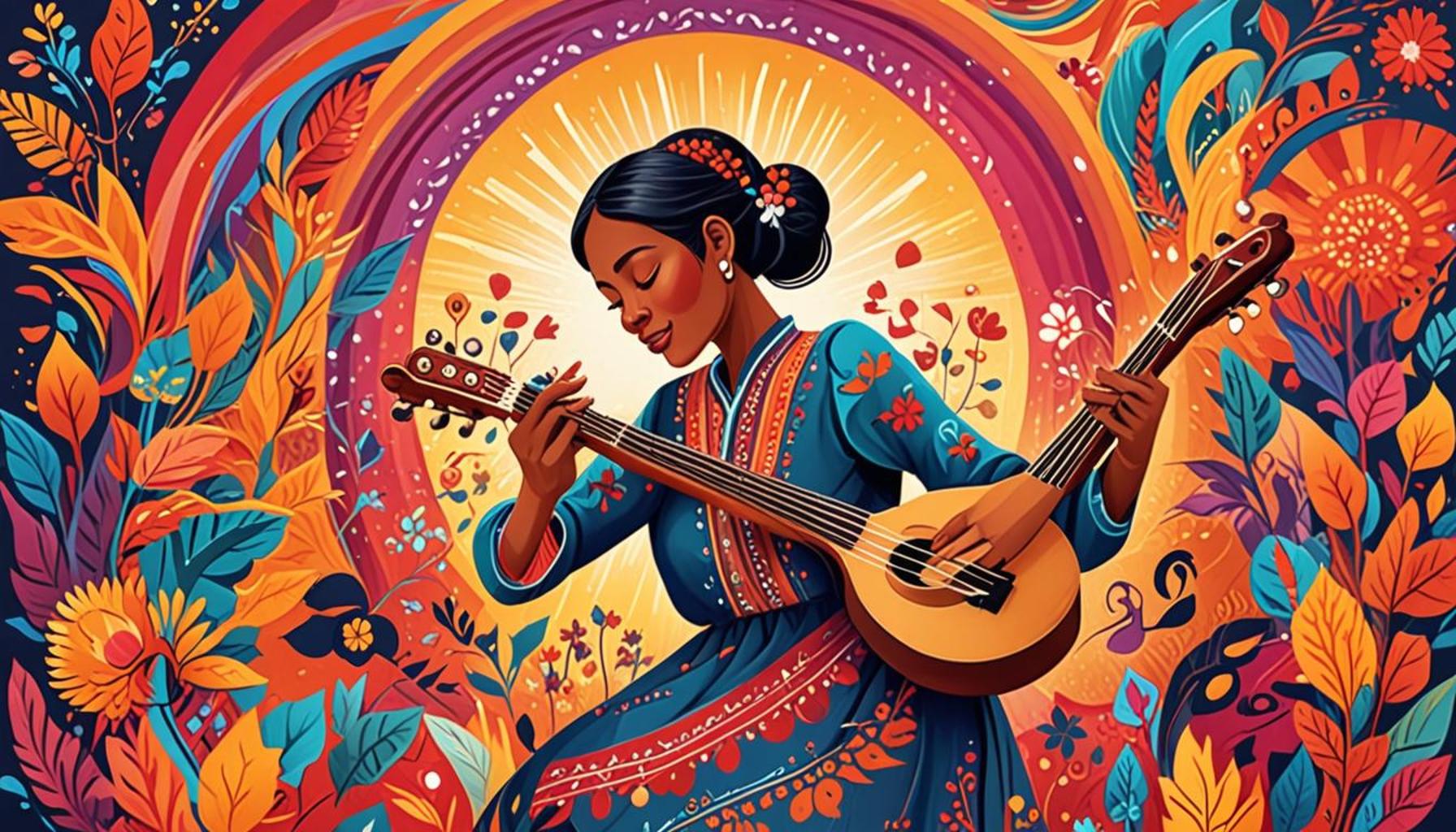
Exploring the Roots of Folk Music
Folk music has played a fundamental role in shaping cultural heritage and community identity across the globe. This genre is a sonic tapestry that intertwines the stories, struggles, and celebrations of its people, creating a powerful connection that resonates through generations. Through melody and rhythm, folk music serves as an essential medium for expressing cultural narratives and conveying the emotional spirit of diverse communities, particularly in a melting pot like the United States.
The Role of Folk Music in Communities
Folk music is much more than just notes and rhythms; it is a communal experience that fosters a sense of belonging. Here are a few important functions it serves:
- Storytelling: Folk music captures local legends, historical events, and personal stories that reflect the lives of the people. For example, the ballads of the American South detail tales of love, loss, and adventure that have been passed down through generations.
- Unity: During gatherings such as festivals, weddings, and community events, folk songs provide a shared experience that brings people together. In places like the Appalachian Mountains, communal singing creates a sense of camaraderie that strengthens social ties.
- Identity: It plays a critical role in preserving cultural traditions while influencing modern artistry. The folk sounds of diverse immigrant communities, such as Irish fiddling or Mexican mariachi, have integrated into broader American music styles, enriching the nation’s cultural mosaic.
In America, the folk revival of the 1960s sparked a renewed interest in regional sounds, highlighting everything from Appalachian ballads to the haunting melodies of Native American music. This era allowed artists like Bob Dylan and Joan Baez to bring folk music into the political arena, shining a light on social issues and injustices, while giving voice to marginalized communities and celebrating their unique cultures.
Folk Music as Cultural Expression
Delving deeper into folk music reveals how profoundly it embodies cultural values and shapes community identity. For instance, the work songs of African American laborers not only provided rhythm to their grueling tasks but also served as a means of expressing resilience and hope in the face of adversity. Understanding the impact of folk music unveils more than just melodies; it uncovers a rich tapestry of human emotion and connection that transcends generations.
This journey through sound is not merely a history lesson but a vital key to understanding the essence of community, especially in an ever-evolving society. Folk music continues to adapt, morphing alongside the experiences of its people, linking people to their past while simultaneously addressing contemporary issues that persist today. As you explore this vibrant genre, you will not only encounter the echoes of history but also the voices of current struggles and celebrations that enrich America’s cultural legacy.
DON’T MISS: Click here to discover eco-friendly DIY projects
The Multifaceted Impact of Folk Music on Community Dynamics
The rhythm of folk music is deeply woven into the fabric of communities, serving as a testament to shared experiences and cultural legacies. Its influence extends beyond mere entertainment; it plays a pivotal role in shaping social structures, fostering interpersonal connections, and even igniting social change. Throughout the United States, regional folk traditions embody the heart and soul of their communities, reflecting a diverse landscape of ideals, emotions, and histories that continue to thrive today.
Expressions of Shared Experiences
One salient aspect of folk music is its ability to capture the collective voice of a community. Across various cultures, folk songs tell stories that resonate with listeners on a personal level, effectively bridging gaps between generations. The following elements highlight how folk music embodies shared experiences:
- Cultural Heritage: Folk music preserves traditional narratives, transforming them into melodies that resonate across time. For example, the work songs of African American communities, such as “Wade in the Water,” contain historical references to the struggles for freedom, serving as both a reminder and a call to resilience.
- Community Rituals: In many cultures, folk music accompanies significant life events such as weddings, funerals, and festivals. These gatherings foster a sense of community and belonging, as songs serve to solidify cultural values and traditions.
- Activism and Advocacy: Folk music has a longstanding relationship with social movements. During the Civil Rights Movement, artists like Pete Seeger and Joan Baez harnessed folk songs as tools for change, using platforms to advocate for justice and equality while uniting diverse groups of participants in a common cause.
These powerful connections demonstrate the ability of folk music to function as a medium for shared expression, ensuring that the stories of communities are not lost to time. In turn, this cultivates an environment where members feel empowered to express their identities and celebrate their heritage.
The Evolution of Folk Music in Contemporary Society
As society evolves, so too does the sound and significance of folk music. Today, folk genres are increasingly influenced by modern technology and multimedia. Artists are exploring innovative ways to blend traditional sounds with contemporary styles, which not only revitalizes interest but also broadens the genre’s appeal. Festivals and digital platforms are key facilitators in this evolution, allowing for greater access to diverse folk traditions, helping them reach new audiences. For instance, events like the Newport Folk Festival celebrate this fusion, showcasing artists who draw inspiration from their cultural roots while addressing modern themes.
This continual evolution ensures that folk music remains relevant, providing a dynamic space for cultural and community expression. As such, it serves as a living archive of social history, where every chord strummed and every lyric sung reflects a community’s journey through trials and triumphs.
| Cultural Reflection | Community Bonding |
|---|---|
| Folk music serves as a prism through which the values and beliefs of a community are expressed. | It encourages collective participation, fostering a sense of belonging among members. |
| Preservation of Tradition: By embracing local folklore and historical narratives, folk music becomes a repository of cultural heritage. | Shared Experiences: Festivals and gatherings centered around folk music create opportunities for social interaction and shared memories. |
Folk music captures the essence of cultural identity, reflecting the diverse narratives of various communities. Each song tells a story, often recounting historical events or daily life, enabling listeners to connect with their roots. Its tunes resonate deeply within the community, acting as a catalyst for cultural education and awareness. For example, songs that narrate local legends serve as teaching tools for younger generations, ensuring that the community’s heritage is immortalized in sound.Community bonding is equally crucial, as folk music often involves participatory elements, where individuals come together to sing, dance, and celebrate. This practice not only strengthens social ties but also reinforces shared values and collective identity. Events such as folk festivals become joyful gatherings, allowing individuals to connect on a personal level while celebrating their cultural heritage. These interactions encourage collaboration and unity, as people of varying backgrounds join in the rhythm of their shared identity. The promotional aspect of folk music, enhanced by communal involvement, offers a compelling avenue for cultural expression, keeping traditions alive in a vibrant and engaging manner.
DISCOVER MORE: Click here to dive deeper
The Role of Folk Music in Identity Formation
Folk music stands as a powerful tool for identity formation, allowing individuals and communities to articulate their unique narratives and connect with their roots. This is particularly significant in a nation as diverse as the United States, where a mosaic of cultures coexists, each with its own musical heritage. Folk music not only provides a means of cultural expression but also cultivates a sense of belonging and solidarity among members of a community. Through the lens of identity formation, several key facets emerge:
Reinforcement of Cultural Identity
Folk music serves as a vital expression of cultural identity, reflecting the historical and social circumstances of its origin. In the Appalachian region, for instance, bluegrass music thrives as a reflection of the area’s mountain culture, intertwining Scots-Irish musical traditions with broader American influences. Artists like Bill Monroe and the Stanley Brothers have not only kept these traditions alive but have also instilled a sense of pride and belonging among those who share this heritage. Accordingly, folk music acts as an oral history, preserving languages, dialects, and narratives at risk of extinction.
Fostering Intercultural Exchange
The rich tapestry of folk music in the United States fosters intercultural exchange, allowing for the blending and evolution of musical genres. As various immigrant communities introduced their folk traditions—such as Mexican corridos, Irish jigs, and Eastern European Klezmer—American folk music began to reflect an amalgamation of these diverse influences. Events like the American Folk Festival offer platforms for artists from varying backgrounds to share their music, creating dialogues and fostering an understanding of distinct cultural identities. By engaging with folk music, individuals gain insight into the histories and struggles of others, leading to greater empathy and respect.
The Impact of Social Media and Accessibility
Social media has revolutionized how folk music is disseminated and appreciated. With platforms like YouTube and Spotify, musicians can share their work beyond geographic limitations, reaching audiences who may not typically engage with traditional folk scenes. This accessibility not only democratizes folk music but also invites the participation of a new generation, who might blend contemporary issues with classical forms, creating relevant stories that resonate with modern audiences. For example, contemporary artists like The Civil Wars and Brandi Carlile have successfully merged folk traditions with pop and rock elements, expanding the genre’s reach and encouraging new interpretations of age-old themes.
Preservation Efforts and Future Generations
Organizations dedicated to preserving folk music traditions, such as the American Folklife Center and the Smithsonian Folkways Recordings, play vital roles in safeguarding the music for future generations. By documenting oral histories, archiving recordings, and providing educational resources, these institutions ensure that folk music remains a prominent aspect of cultural expression. Festivals and workshops focused on teaching traditional instruments, like the banjo or fiddle, engage younger audiences, instilling an appreciation for their heritage while encouraging them to reinterpret these sounds in new and innovative ways.
This vitality and resonance of folk music demonstrate its significant role not only in shaping cultural and community identity but also in building bridges across diverse populations, thereby nurturing a unified sense of community that celebrates both shared and distinct experiences.
EXPLORE MORE: Click here to discover the power of customization
Conclusion: The Enduring Legacy of Folk Music
In summary, the influence of folk music on cultural and community expression is deeply intertwined with the fabric of society, offering invaluable insights into the past and a beacon for the future. As a medium for identity formation, folk music encapsulates the stories and struggles of diverse populations across the United States, preserving cultural heritage while also inviting innovative interpretations that resonate with modern audiences. Through its various forms, it serves not just as an artistic outlet, but as a catalyst for intercultural dialogue, promoting empathy and understanding among different cultural backgrounds.
The role of social media in the dissemination of folk music cannot be overstated. It has become a democratic platform where rising artists can share their music far beyond their local communities, enriching the genre and ensuring its relevance in contemporary society. With this increased accessibility, younger generations can engage with their musical heritage, ensuring that the spirit of folk music thrives and evolves.
As we witness the continuing efforts of organizations and individuals dedicated to preserving this art form, it is clear that folk music is much more than a fleeting trend. It is an enduring legacy that connects past and present, continuously shaping cultural landscapes. Exploring the multifaceted realms of folk music can lead us to a richer understanding of our shared humanity, encouraging us to celebrate both our diversity and our common ground. As such, the journey into folk music is not just about appreciating sound, but also about embracing the profound stories that each note carries, reinforcing the belief that music is, indeed, a universal language.
Related posts:
The Connection between Music and Literature: Creative Expression in Song Lyrics
Musical Expression at Different Stages of Life: From Childhood to Old Age
Musical Expressions Impact on Emotional and Mental Well-being
The influence of musical expression on mental health and well-being
The evolution of digital platforms and their impact on creative musical expression
Music as a Tool for Communication in Times of Crisis

Linda Carter is a writer and creative hobbies expert specializing in crafting, DIY projects, and artistic exploration. With extensive experience helping individuals discover their creative potential and bring their ideas to life, Linda shares her knowledge on our platform. Her goal is to empower readers with practical tips, inspiring ideas, and step-by-step strategies for success in the world of creative hobbies.