The Role of Music in the Construction of Cultural Identity
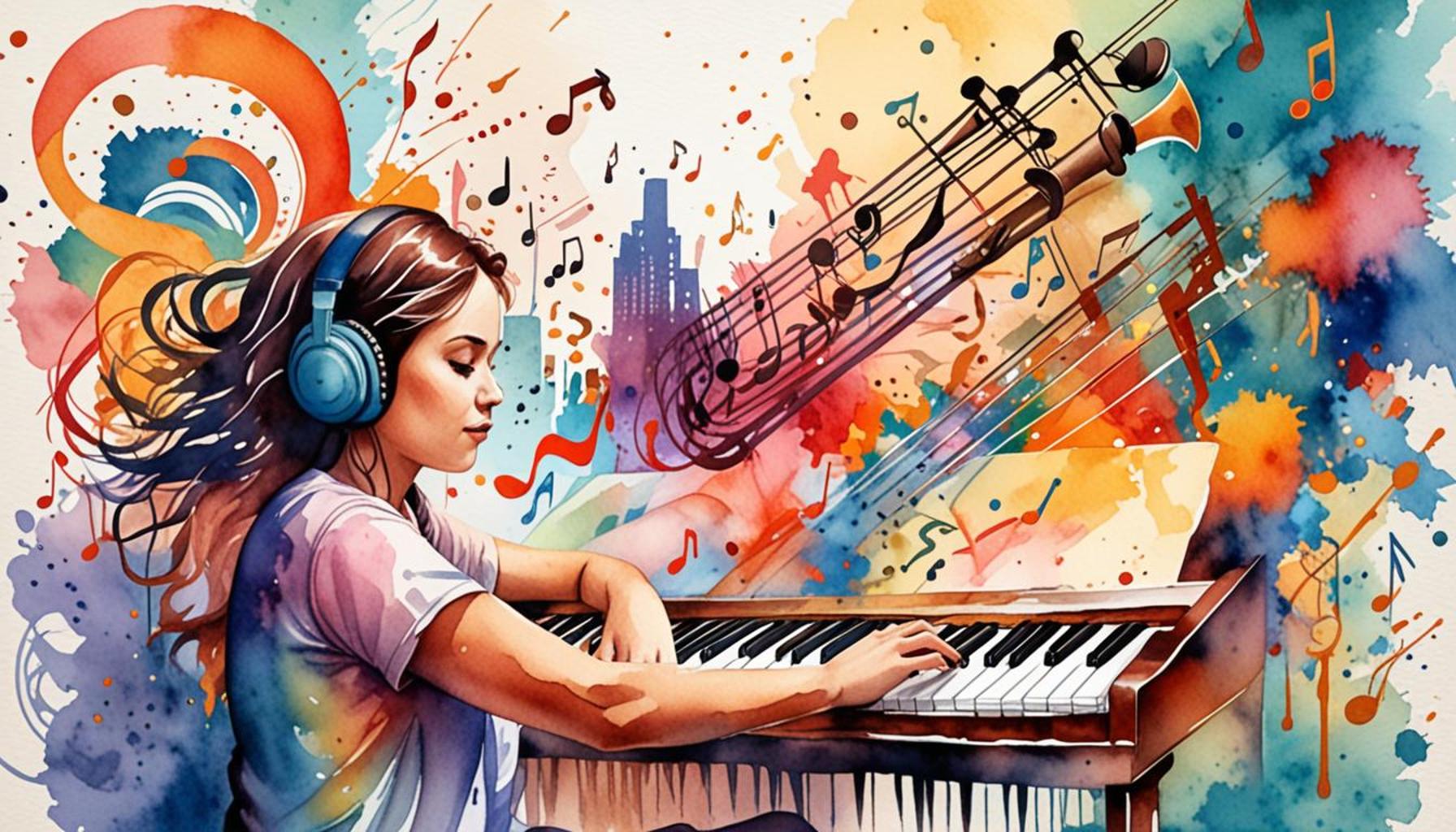
Exploring the Depths of Music and Cultural Identity
Music is not just a form of entertainment; it serves as a deeply woven thread in the fabric of cultural identity. It captures emotions, evokes memories, and narrates the collective history of communities. The relationship between music and cultural identity manifests through various dimensions that influence how individuals and groups perceive themselves. Here, we delve into the different aspects of this relationship.
Traditional Forms
Traditional music genres often embody the sounds, stories, and customs of specific regions. For instance, bluegrass in Appalachia showcases the unique cultural heritage of rural American life, blending Scottish, Irish, and African influences. Similarly, Native American music utilizes unique instruments and vocal styles that are integral to their cultural narratives, often centered around spiritualism and nature. Such genres do not only preserve history but also serve as a vehicle for passing down traditions to future generations.
Social Movements
The historical significance of music in social movements cannot be underestimated. During the civil rights movement in the 1960s, songs like “We Shall Overcome” and artists such as Marvin Gaye and Sam Cooke provided anthems that resonated with the fight for equality and justice. This kind of music played a crucial role in uniting people and galvanizing them towards a collective cause. The lyrics spoke to injustices, hopes, and dreams, allowing individuals to connect on a profound level.
Globalization and Cultural Exchange
In the face of globalization, music has become a melting pot of genres transcending geographical boundaries. The emergence of genres like reggaeton and collaborations between artists from different backgrounds, such as Latin trap artists and hip-hop icons, illustrate the dynamic nature of cultural identity. These cross-cultural exchanges not only breed innovation in music but also allow individuals to forge new identities that reflect their multicultural realities. In urban centers across the United States, such as New York and Los Angeles, this blending of musical styles has become emblematic of a vibrant, diverse society.
This exploration of music and cultural identity invites intriguing questions: How does music serve as a mirror reflecting the identities of different cultural groups? As music evolves, how do these identities also adapt and transform? Understanding the profound role music plays in storytelling and identity can stimulate a deeper appreciation for the narrative that each community contributes to society as a whole.
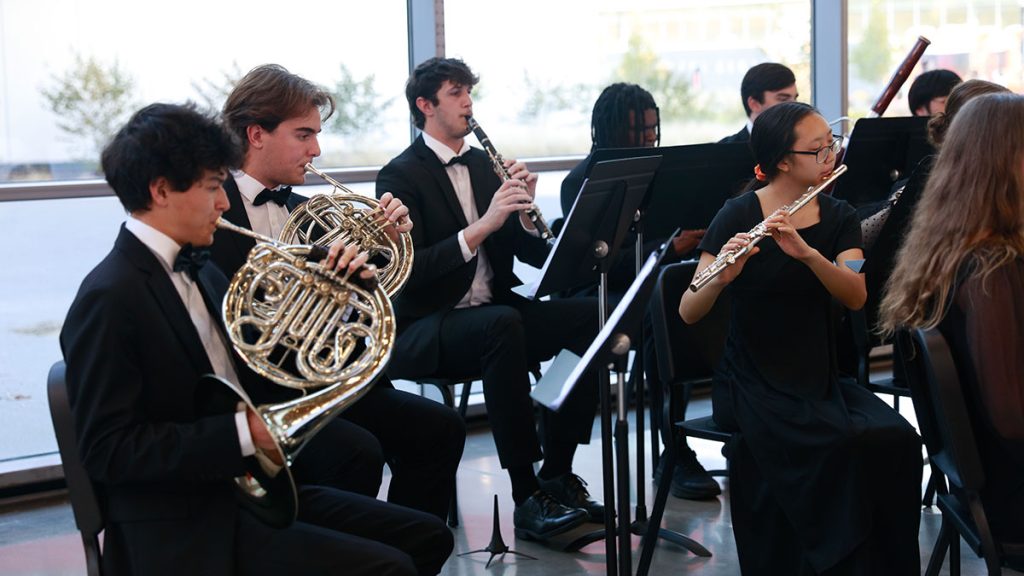
Ultimately, music is more than an art form; it is a powerful medium that shapes our understanding of cultural identities. By continuing to explore its nuances, we can better understand how it informs our collective consciousness and individual experiences, revealing the dynamic interplay between society and the sounds that define it.
DISCOVER MORE: Click here for budget-friendly DIY projects
Traditional Music as a Cultural Anchor
At the heart of many cultures lies traditional music, an authentic vessel that carries the essence of a community’s history, values, and experiences. Traditional music serves as a significant marker of cultural identity, offering a rich tapestry interwoven with the threads of folklore, rituals, and communal storytelling. While music styles vary widely across the globe, specific genres often encapsulate the unique characteristics of their respective cultures, allowing individuals to connect with their ancestry and collective narrative.
Folklore and Storytelling
In societies worldwide, traditional music frequently serves as a medium for disseminating folklore and oral histories, preserving the mythologies and life lessons of generations past. In the United States, for example, the blues genre emerges from African American experiences, conveying the struggles and triumphs of daily life through powerful storytelling and emotive melodies. This genre not only reflects cultural sentiments but also complements efforts to maintain community cohesion, as collective participation in music helps reinforce shared identities.
Rites of Passage and Celebrations
Music plays a pivotal role in significant life events, such as weddings, funerals, and seasonal festivals, serving as a backdrop that enhances the emotional weight of these gatherings. These ceremonies, often accompanied by specific musical styles, create lasting memories and define the cultural landscape of communities. For instance, Mariachi bands in Mexican celebrations like Día de Muertos not only animate the festivities but also signal the importance of honoring ancestors, resonating with themes of familial duty and remembrance.
Preservation Efforts and Global Recognition
As traditional music faces the challenges of modernization and globalization, various movements seek to preserve these culturally significant sounds. Organizations dedicated to cultural preservation are actively recording and promoting traditional music globally, ensuring that these unique forms of expression do not fade into obscurity. Efforts like the UNESCO Intangible Cultural Heritage list have recognized the importance of safeguarding these musical practices, shining a light on their intrinsic value in constructing and affirming cultural identities.
List of Influential Traditional Music Genres
- Bluegrass: Emerging from layers of Appalachian culture, it blends folk, blues, and jazz.
- Blues: Rooted in African American history, often expressing deep emotion and social commentary.
- Jazz: A true American art form that reflects the rich cultural intersections found in urban life.
- Native American Music: Intricate rhythms and vocalization styles conveying spiritual connections with nature.
- Mariachi: Captivating ensembles that celebrate Mexican heritage and joy during significant events.
The enduring impact of traditional music on the construction of cultural identity stands as a testament to its power. As communities embrace and celebrate their musical heritage, they not only connect with their past but also lay a foundation for future generations to explore their identities. Understanding the intricacies of these musical forms prompts a deeper appreciation for the rich cultural narratives they convey, inviting us to engage more comprehensively with the sounds that define us.
| Cultural Influence | Community and Belonging |
|---|---|
| Globalization | Shared Experiences |
| Music serves as a powerful vehicle for expressing cultural identity amid global influences. | Fosters community bonds as individuals connect through shared musical traditions. |
In the ever-evolving landscape of cultural identity, music plays a pivotal role in both celebrating and preserving heritage. Through rhythms and melodies, communities express their unique narratives, often intertwining with historical events or social movements. This rich tapestry of sounds often reflects a society’s values, struggles, and aspirations, providing a window into collective experiences that might otherwise remain hidden.Moreover, music not only acts as a reflection of cultural realities but also fuels social cohesion within communities. Festivals and gatherings filled with traditional music ignite a sense of pride and ownership over one’s lineage, fostering connections among individuals who may otherwise feel fragmented. This shared musical experience anchors a group’s identity, allowing diverse voices to resonate together and create a profound sense of belonging.By examining these elements, we uncover how music significantly influences cultural identity, urging us to dive deeper into its transformative power in societies worldwide. Each note and lyric carries a story worth exploring, reflecting the intricate dance between individual expression and communal life.
DIVE IN: Click here to uncover creative DIY projects
Contemporary Music: A Reflection of Evolving Identities
As cultural landscapes are continuously reshaped by societal changes, contemporary music has become a vital extension of traditional forms, reflecting the evolving nature of cultural identities. In a world increasingly interconnected by technology and globalization, music transcends geographic boundaries, often blending diverse influences into new genres. This hybridization plays a significant role in allowing individuals to explore and express their multicultural identities while simultaneously affirming their roots.
The Fusion of Genres
The phenomena of fusion music offer a striking illustration of how traditional and contemporary sounds coalesce to create unique musical experiences. For instance, reggaeton, a genre that originated in Puerto Rico, combines elements of dancehall, hip-hop, and Latin rhythms, appealing to a vastly diverse audience. This genre not only celebrates Latino culture but also exemplifies how musicians harness various influences to navigate their cultural identities. Similar fusions can be observed in the emergence of country rap, which melds traditional Southern storytelling with modern hip-hop beats, creating an intersectional space for both genres.
Music as a Medium for Activism
Contemporary music also serves as a powerful platform for activism, enabling artists to address social issues that resonate with their community’s cultural identity. A prime example is the use of hip-hop as a voice for marginalized groups, particularly in the African American community. Artists like Kendrick Lamar and Janelle Monáe weave narratives of inequality, empowerment, and advocacy into their lyrics, challenging listeners to confront systemic issues while reaffirming their heritage. Through this lens, music functions not merely as entertainment but as a vehicle for social change, fostering a sense of unity and purpose among listeners.
The Role of Technology in Music Dissemination
In addition to genre fusion and activism, the rise of digital platforms has revolutionized how music is produced, distributed, and consumed. Platforms like Spotify and SoundCloud have democratized access to music, allowing artists from diverse backgrounds to share their cultural narratives with global audiences. This accessibility has enabled greater visibility for indigenous genres and underrepresented artists, strengthening cultural identity by fostering appreciation for diverse sounds and stories. The online space not only broadens reach but also acts as a community hub where individuals can connect over shared musical experiences, thus reinforcing cultural bonds.
The Impact of Music Festivals and Events
Music festivals and cultural events further exemplify the role of music in constructing cultural identity. Events like the New Orleans Jazz & Heritage Festival and Coachella celebrate diverse musical lineages and invite attendees to immerse themselves in varying cultural expressions. These gatherings act as cultural touchstones, encouraging engagement with traditional music while exposing audiences to contemporary expressions. Moreover, participating in these events fosters pride in one’s heritage and allows individuals to explore their cultural identity in a vibrant social context.
The dynamic nature of contemporary music amplifies its importance in shaping cultural identity today. As communities navigate the intersection of tradition and modernity, music emerges as an unyielding force, propelling individuals to engage with their past while forging new narratives for the future. With every beat and lyric, cultural identity is both reiterated and reimagined, an ongoing dialogue between history and innovation.
DISCOVER MORE: Click here to dive into eco-friendly DIY projects
Conclusion: The Ever-Evolving Soundscape of Cultural Identity
Music is undeniably a powerful instrument in the construction of cultural identity, functioning not only as a reflection of societal changes but also as a catalyst for dialogue and connection. As we have explored, genres have blossomed and fused, creating rich tapestries of sound that mirror our multicultural world. This fusion not only celebrates diversity but also challenges traditional boundaries, allowing individuals to embrace their heritage while navigating contemporary influences.
Moreover, the role of music in activism showcases its potential to foster community and inspire social change. Artists translate the struggles and triumphs of their respective cultures into lyrical narratives, galvanizing listeners around pressing issues. As seen through the works of influential figures like Kendrick Lamar, music becomes a voice for the voiceless, forging a collective identity among audiences and igniting movements for justice and equality.
With digital platforms democratizing access to music, the potential for cross-cultural exchanges has expanded exponentially. Artists from all walks of life can now share their stories and sounds, enriching the global music landscape. Festivals celebrating diverse musical traditions encourage engagement and interaction, strengthening cultural bonds among individuals.
In essence, music not only reflects cultural identities but actively shapes them, allowing for an ongoing interplay between the past, present, and future. As listeners, we are challenged to embrace this dynamic dialogue with every rhythm, note, and lyric, ultimately understanding that cultural identity is a mosaic—constantly evolving, yet deeply rooted in the sounds of our shared human experience.
Related posts:
Music and Identity: How Musical Expression Reflects Our Roots and Personal Histories
The Connection between Music and Literature: Creative Expression in Song Lyrics
The Influence of Folk Music on Cultural and Community Expression
The influence of music on self-expression and emotional well-being
How Musical Improvisation Boosts Creativity Across Life Areas
The Musical Expression in Visual Arts: The Interaction between Music and Painting in Artistic Creati...

Linda Carter is a writer and creative hobbies expert specializing in crafting, DIY projects, and artistic exploration. With extensive experience helping individuals discover their creative potential and bring their ideas to life, Linda shares her knowledge on our platform. Her goal is to empower readers with practical tips, inspiring ideas, and step-by-step strategies for success in the world of creative hobbies.