The Musical Expression in Visual Arts: The Interaction between Music and Painting in Artistic Creation
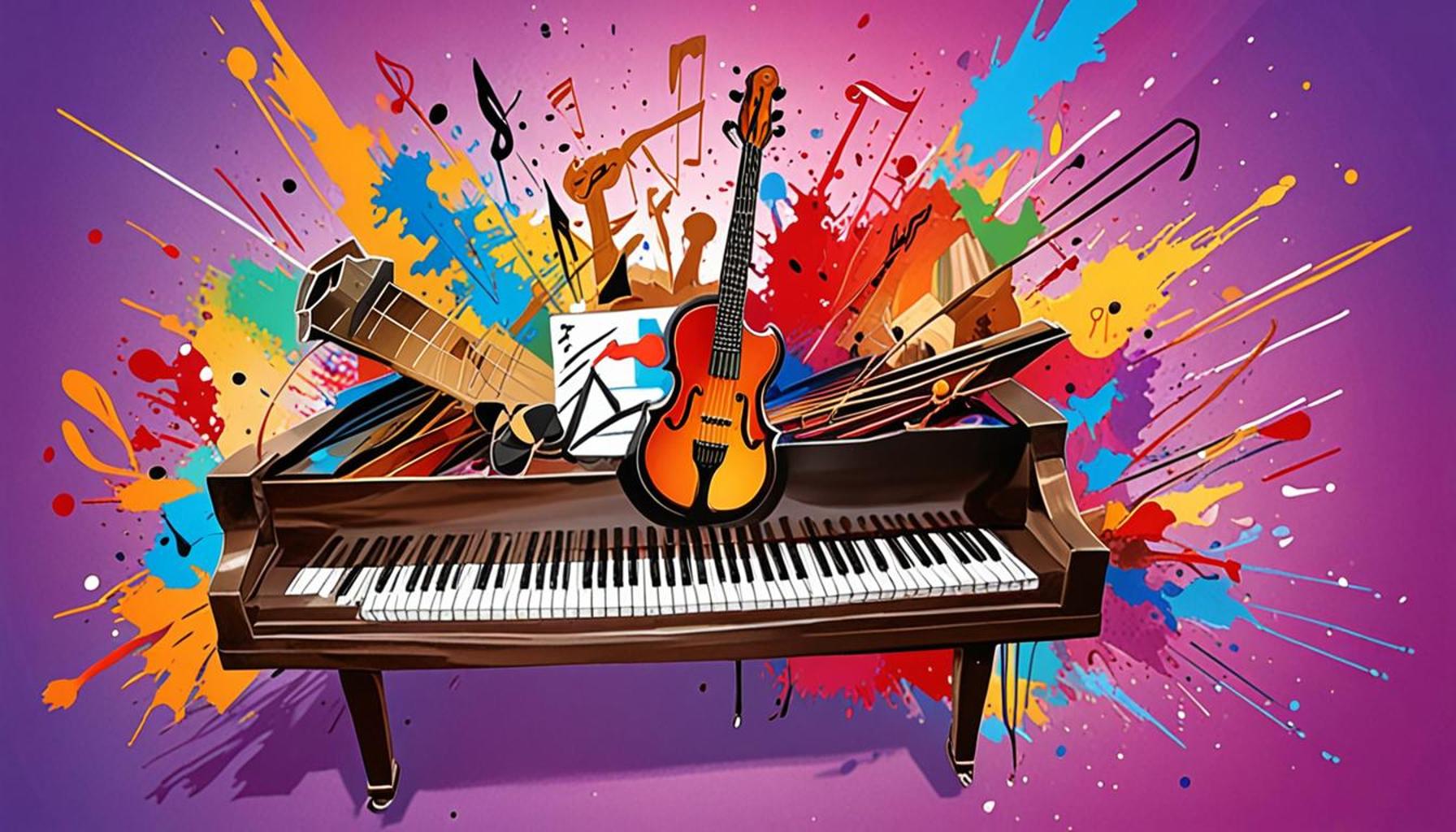
Unraveling the Connection Between Sound and Color
Artistic creation is often seen as a solitary pursuit; however, the interplay between music and visual arts reveals a deep and harmonious connection. Throughout history, artists have sought to meld the two forms, creating a dialogue that resonates on multiple levels. This duality transforms ordinary experiences into extraordinary art, which captivates audiences and expands creative boundaries.
Consider the influential figures who have intertwined music and painting:
- Wassily Kandinsky – Known for his abstract works, Kandinsky believed that color could evoke sound and vice versa. He often claimed that he could hear colors and see music, incorporating this synesthetic perspective into his vibrant compositions. His 1910 piece “Composition VII” is a prime example, with swirling shapes and bold hues that mimic the dynamism of a symphony.
- Claude Monet – The Impressionist master infused his paintings with the rhythms of nature, often likening the process of painting to composing music. Works such as “Impression, Sunrise” reflect the gentle melodies of dawn, capturing light and movement in a way that resonates like a soft aria, inviting the viewer to listen with their eyes.
- Jackson Pollock – Pollock’s signature drip paintings are arguably visual representations of the jazz music he admired. His improvisational style drew from the spontaneity of jazz, creating an energetic and chaotic interplay of paint that mirrors the rhythms and beats of his favorite tracks, inviting viewers to feel the pulse of the artwork.
The interaction between these two art forms extends beyond individual works. It encompasses various aspects that resonate with audiences worldwide:
- Emotional expression – Both music and painting manifest feelings in unique ways, tapping into the emotional core of the human experience. For instance, the somber tones of a blues song can be mirrored in a dark, evocative landscape artwork, allowing viewers to engage with the art on an emotional level.
- Creative process – Many artists find inspiration in sound, often listening to music while creating. The rhythm and melody can guide their brushstrokes, making the painting process a dance of sound and color. Research shows that certain types of music can enhance creativity and productivity, allowing artists to immerse themselves fully in their work.
- Cultural commentary – Artists often use their combined insights to reflect societal issues and personal experiences. Consider the Civil Rights Movement, where musicians and visual artists collaborated in expressing the struggle for equality, using both melody and imagery to convey their messages and unite communities.
As we delve deeper into this fascinating relationship, it becomes evident that understanding the link between music and visual arts enriches both artistic endeavors and our appreciation of beauty in the world around us. By exploring these connections, we can uncover new methods of expression and inspiration, paving the way for innovative creative dialogue across mediums. Prepare to be inspired by the connections that ignite creativity, revealing the profound synergy between sound and color. Discover how the exploration of this relationship can deepen our understanding of both art forms, inviting us to appreciate the world in richer, more nuanced ways.
DISCOVER MORE: Click here to learn about the power of music on well-being
The Emotional Resonance of Sound and Color
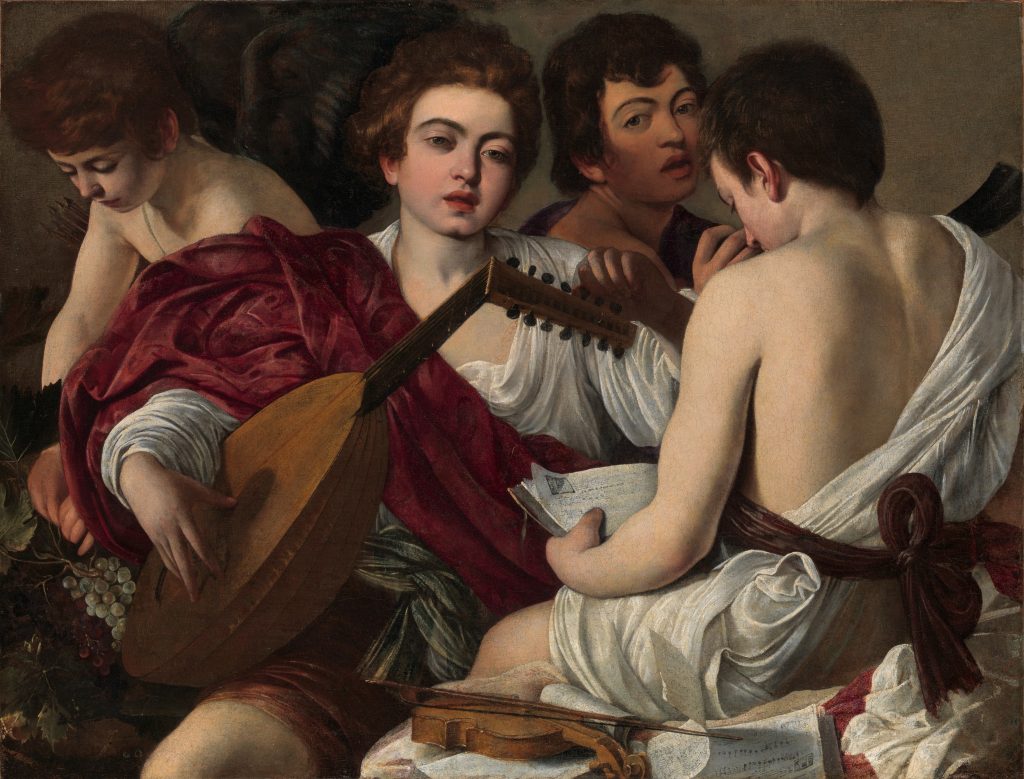
The profound connection between music and painting emerges as a rich tapestry woven through emotional expression, enhancing the viewer’s experience and an artist’s ability to convey complex feelings. Both mediums function as powerful languages, allowing creators to communicate sentiments that often defy verbal articulation. Indeed, music and visual arts not only coexist but also amplify one another, inviting individuals to explore layers of meaning and emotion.
Emotional expression in both music and painting underscores the essence of artistic creation. The universal potential of these art forms connects deeply with human experiences, invoking shared emotions. Take, for instance, the melancholic tones of a classical symphony. A viewer may find parallels in a painting portraying a rainy landscape, where the subdued colors and subtle brushstrokes evoke a similar sense of longing or introspection. This ability to resonate emotionally enhances understanding and appreciation, bridging different artistic realms. Consequently, one can see how a piece of music can serve as a muse for a painter, sparking an image that captures the same mood or feeling.
Additionally, the creative process plays a pivotal role in the intersection of music and visual arts. Many artists actively engage with music while they work, allowing melodies and rhythms to influence their creative output. For instance, renowned American artist Mark Rothko often listened to music during his painting sessions, enabling the emotional undercurrents of songs to guide his color choices and brushwork. Research suggests that exposure to specific genres may unlock creative pathways in the brain, inviting artists to express themselves in entirely novel ways. The cadence of music can initiate a harmonious flow of creativity, translating auditory inspiration into visual masterpieces that resonate on multiple sensory levels.
The collaborative nature of art also mirrors cultural movements and societal dialogues. Many artists and musicians have poignantly responded to historical events and social issues through their respective mediums. For instance, during the Harlem Renaissance, musicians like Duke Ellington and visual artists like Aaron Douglas worked concurrently, illustrating the experiences of African Americans in a rich cultural landscape. Their combined efforts highlighted the struggles and triumphs within their communities and became emblematic of a transformative era. The synergistic blending of music and painting during such periods demonstrates the collective power of art forms to act as a catalyst for change, amplifying voices that demand recognition and understanding.
These intricate relationships reveal how the musical expression in visual arts can transcend traditional boundaries. By examining the connections between sound and color, we open our eyes to a realm of creativity that challenges our perceptions and encourages a deeper interaction with art. As we delve into the factors that unite music and painting, it becomes increasingly clear how crucial this dynamic interplay is to both artistic innovation and cultural dialogue.
The Musical Expression in Visual Arts: The Interaction between Music and Painting in Artistic Creation
The interaction between music and painting reveals a profound synergy that transcends mere aesthetics to touch upon the very essence of human emotion and creativity. From the rhythmic brushstrokes that mimic the tempo of a vibrant symphony to the serene color palettes that evoke tranquility similar to a soft lullaby, artists have long found ways to intertwine these two forms of expression.
Historical contexts show that renowned artists like Wassily Kandinsky and Arnold Schönberg sought to establish a dialogue between visual art and music. Kandinsky famously believed in the spiritual quality of color and sound, arguing that colors possess emotional resonances akin to musical notes. As he painted each canvas, he would often listen to music to harmonize his brushwork with its rhythm and tone. This cross-disciplinary approach not only broadened the horizon of artistic expression but also created a multidisciplinary canvas where sound and sight could coexist.
Moreover, contemporary artists continue to explore the musicality of painting. Performance artists, for example, often integrate live music with their visual installations, where the unfolding of a painting can take on a rhythm of its own, creating a captivating sensory experience. This interplay raises intriguing questions: Can a visual piece truly resonate without the accompaniment of sound? Or does painting inherently possess “musical” qualities that we have yet to explore fully?
Additionally, recent studies in neurology suggest that there is a distinct connection in the brains of individuals when they engage with both art forms. The emotional responses elicited from viewing paintings while listening to music create a layered experience, heightening our understanding and appreciation of both mediums. As art lovers delve deeper into these interactions, they often find a rich tapestry of inspiration and insight that fuels further artistic exploration and innovation.
| Category | Details |
|---|---|
| Musical Influence on Painting | Artists use music to enhance creativity and emotional expression in visual art. |
| Rhythm and Color | The correlation between rhythmic patterns in music and color dynamics in painting. |
This cross-pollination of art forms not only enriches the understanding of each discipline but also opens up endless possibilities for artists who are willing to experiment beyond traditional boundaries. The journey through sound and sight reveals how intimately woven our artistic expressions truly are, urging us to appreciate both disciplines more deeply and holistically.
DISCOVER MORE: Click here to delve deeper
Symphonic Inspirations: Artists Shaping Narratives through Sound and Color
The interaction between music and painting reveals itself not only through emotional resonance but also through narrative techniques that both art forms embody. Many visual artists draw on the structure and rhythm inherent in music to shape the stories conveyed in their works. For instance, the use of composition in visual art parallels the arrangement of a musical score. Just as musicians rely on key signatures, tempo, and dynamics to create a cohesive piece, visual artists utilize elements of composition—such as balance, contrast, and focal points—to guide the viewer’s eye and convey meaning.
One might look to the works of Pablo Picasso, who famously explored the concept of movement through his fragmented brushwork and color choices. Picasso’s pieces echo a musical quality, as they contain an underlying rhythm that draws the viewer into a dynamic visual experience. His “Guernica,” while grounded in the tragedy of war, utilizes a swirling energy that resonates with the urgency of a symphonic score. Such works exemplify how narrative can be articulated not just through stories but through form and structure, organizing chaos into an impactful visual melody.
Moreover, the cultural significance of musical genres often translates into visual symbolism among artists. For example, the jazz movement has inspired numerous painters, notably during the Harlem Renaissance. Celebrated artists like Romare Bearden and Mavis P. Smith drew inspiration from the improvisational nature of jazz, reflecting spontaneity and rhythm in their artwork. The visual representation of jazz music often includes vibrant colors and abstract forms, suggesting the liberating and energetic essence of the genre. This interaction fosters a dialogue in which sound becomes a muse, giving visual shape to the nuances of musical expression.
Additionally, the increasing popularity of multimedia art installations has intensified the interplay between music and painting in contemporary art spaces. Artists like Yayoi Kusama and Olafur Eliasson incorporate sound into their exhibitions, creating immersive environments where visual art merges seamlessly with musical elements. These installations challenge the traditional confines of both art forms, inviting a multisensory engagement that captivates audiences. In such instances, the boundaries blur, allowing for a richer exploration of themes—such as identity, perception, and existence—leading to profound dialogues about the human experience.
Furthermore, universities and art institutions have started recognizing this dynamic relationship, incorporating cross-disciplinary programs to encourage collaboration between music and visual arts. Workshops and symposia often bring together musicians and painters to explore the depths of their respective practices, fostering innovation through shared brainstorming sessions. This educational initiative not only cultivates new talent but also underscores the importance of collaborative creativity in artistic expression, illustrating how sound and vision can unite to create something exceptional.
This evolving dialogue between music and painting continues to inspire artists in the United States and beyond, as innovators seek to fuse different mediums to reflect the complexities of modern life. Through this exploration of the musical expression in visual arts, we begin to understand the importance of blending influences, experiences, and emotions, allowing these art forms to speak to one another in a shared language that resonates across generations.
EXPLORE MORE: Click here to discover how musical improvisation can enhance your creativity
Bridging Melodies and Brushstrokes: A Harmonious Conclusion
The interplay between music and visual arts is a profound yet intricate dialogue that transcends traditional artistic boundaries. As explored throughout this article, the musical expression in visual arts is an exploration of how sound influences visual narratives and vice versa. Artists, from Pablo Picasso to contemporary multimedia creators, demonstrate that the fusion of melodies and brushstrokes can create rich, immersive experiences that engage the viewer’s senses on multiple levels.
By harnessing the structural and rhythmic qualities found in music, visual artists are able to evoke emotions and convey narratives that resonate with audiences. The visual representation of genres like jazz highlights this connection, illustrating how cultural and historical contexts can inspire compelling imagery that speaks to the heart of human experience. Furthermore, as galleries and institutions embrace cross-disciplinary collaboration, the evolving landscape of art continues to push the limits of creativity, blending mediums in exciting new ways.
As this dialogue between artistic forms expands, it invites us to reflect on our perceptions of art and the stories behind it. For those captivated by the intersection of music and painting, exploring local exhibitions, participating in workshops, or even delving into art history can provide a deeper understanding of how these two realms interact to create a vibrant tapestry of human expression. The ongoing evolution of this relationship will undoubtedly continue to inspire future generations, proving that art, in all its forms, has the power to unite, transform, and amplify the universal language of creativity.
Related posts:
The influence of music on self-expression and emotional well-being
Music as Therapy: The Impact of Musical Expression on Mental Health
Music and Technology: How New Tools Transform Musical Expression
How Musical Improvisation Boosts Creativity Across Life Areas
The Influence of Music on Personal Self-Expression
The Role of Music in the Construction of Cultural Identity
Linda Carter is a writer and creative hobbies expert specializing in crafting, DIY projects, and artistic exploration. With extensive experience helping individuals discover their creative potential and bring their ideas to life, Linda shares her knowledge on our platform. Her goal is to empower readers with practical tips, inspiring ideas, and step-by-step strategies for success in the world of creative hobbies.