The Influence of Music Education on Children’s Creativity
The Transformative Effect of Music on Cognitive Development
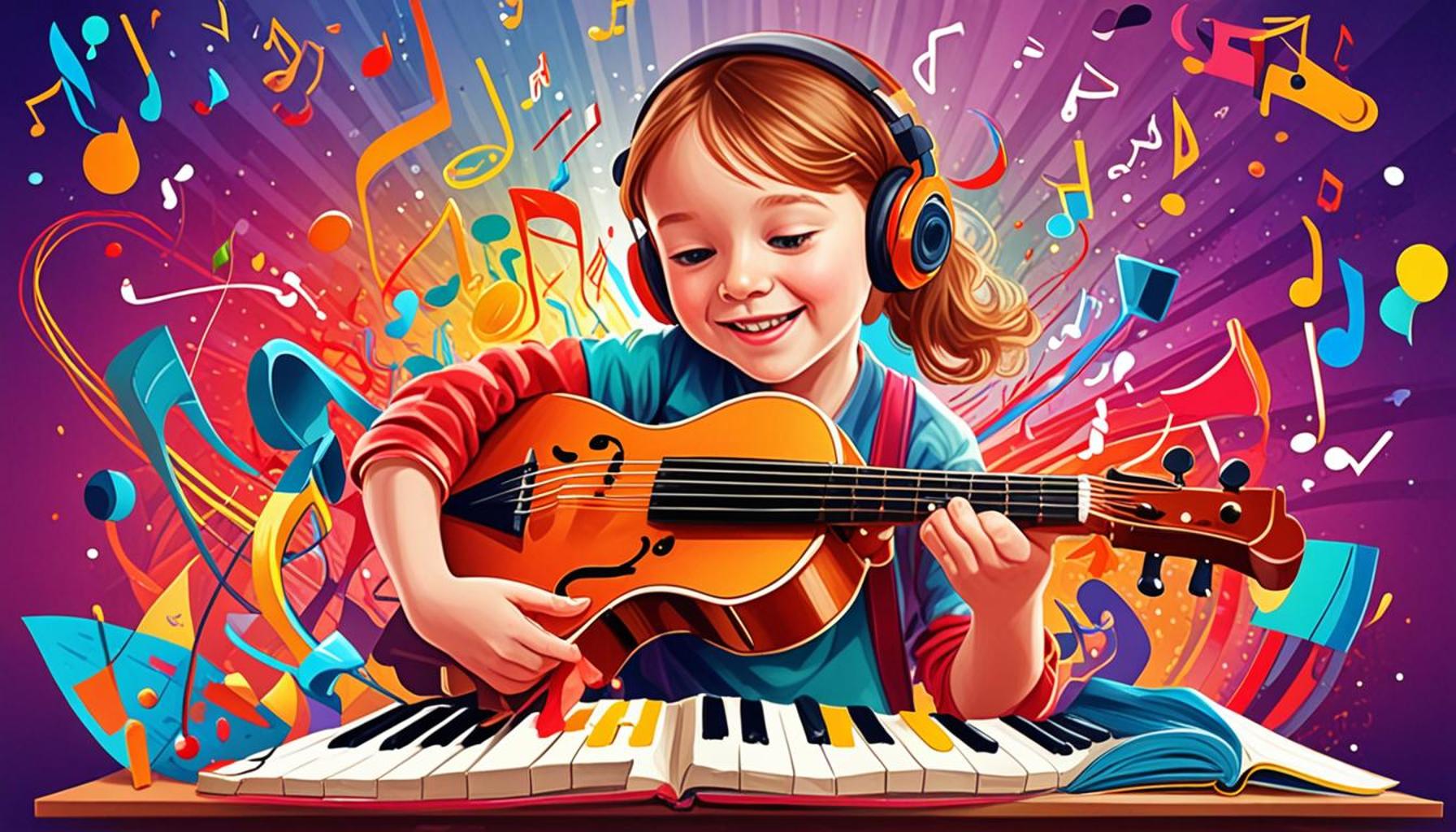
Music education plays a pivotal role in shaping children’s creativity. Children exposed to music are not only learning an art form, but also enhancing vital cognitive skills. This unique blend fosters an environment where imagination can flourish. When children learn to play an instrument or explore vocal techniques, they are not simply engaging in a pastime; they are also developing essential life skills that will benefit them academically and socially.
Research continues to demonstrate the many benefits of music education, shining a light on its multifaceted impact on child development. One prominent benefit is:
- Enhanced Problem-Solving Skills: Engaging with music encourages innovative thinking. For instance, composing a piece requires a child to make decisions about melody, harmony, and rhythm, which collectively hones their analytical skills.
- Emotional Expression: Children learn to articulate feelings through various musical expressions. Music provides a safe medium to convey complex emotions, allowing children to discuss their feelings and connect with others more deeply.
- Improved Academic Performance: Numerous studies reveal a correlation between music education and higher scores in subjects such as math and reading. For example, students who participate in music programs often outperform their peers on standardized tests due to enhanced memorization and pattern recognition abilities associated with musical training.
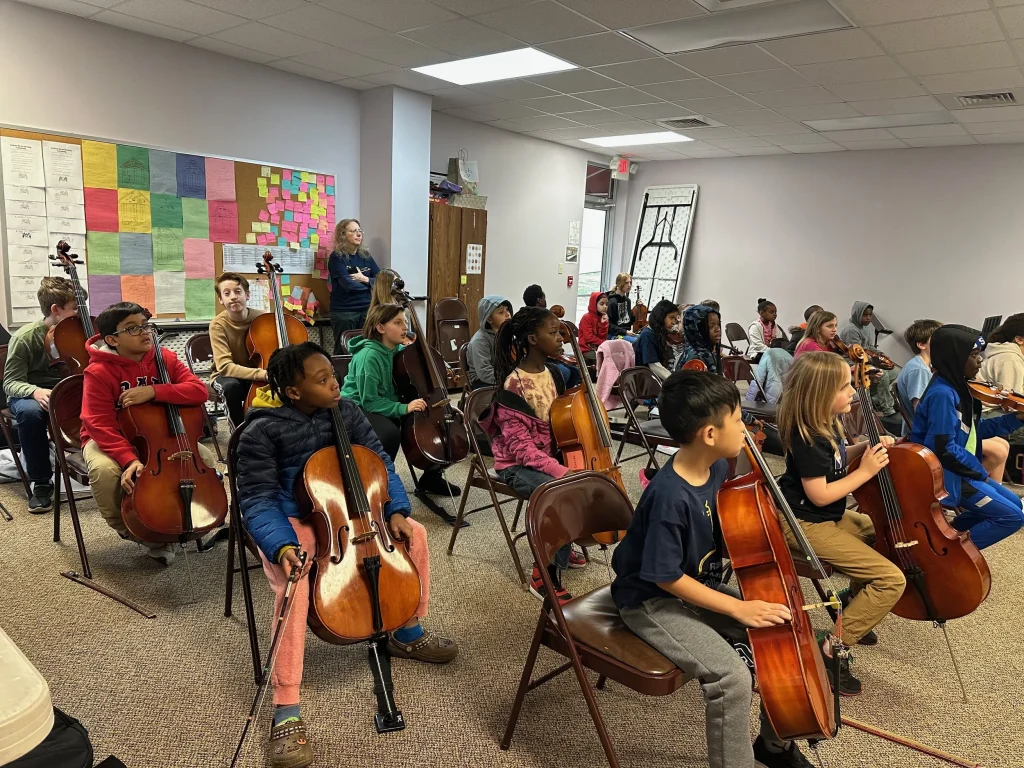
In the United States, schools are increasingly recognizing the importance of integrating music into their curricula. Programs that incorporate music not only help students with personal growth but also cultivate a sense of community and collaboration among peers. This is particularly vital in diverse classrooms where music can serve as a universal language, bridging cultural divides.
Being part of a band or choir can lead to:
- Boosted Self-Esteem: Achievements in music can increase confidence. Performing in front of an audience gives children a chance to shine and can dramatically alter self-perception.
- Stronger Focus and Discipline: Learning an instrument requires dedication. The practice and precision involved in mastering a musical piece instill a sense of responsibility and time management.
- Collaboration and Teamwork: Music education often involves group activities, fostering shared goals. Children learn the importance of working together to create something beautiful, enhancing their social skills.
As we delve deeper into the influence of music education, it is vital to understand its extraordinary impact on children’s creativity. Are we doing enough to enrich our children’s lives through music? This question invites a broader discourse about how schools and communities can advocate for music programs. Investing in music education can yield lasting benefits, shaping not only skilled musicians but also well-rounded individuals equipped for future challenges. Join in the exploration of this compelling connection and consider how music can unlock the potential within our young minds.
DISCOVER MORE: Click here to delve deeper
The Profound Connection Between Music and Creative Thinking
In exploring the influence of music education on children’s creativity, one must examine how engagement with music fosters innovative thought processes. Studies have shown that children who participate in music programs develop unique approaches to problem-solving. When students are challenged to compose music or improvise during practice, they must tap into their imagination, generating new ideas and concepts. This not only enhances their musical abilities but also translates into improved creativity in other academic areas.
One crucial aspect of music education is its ability to promote diverse modes of thinking. Engaging with music requires children to think in multidimensional ways, considering various elements such as rhythm, melody, and emotional expression simultaneously. As they experiment with different sounds, they learn to see multiple perspectives and think outside the box. This cognitive flexibility can lead to greater innovation in subjects like science, art, and writing, where creative solutions are often paramount.
The inherent structure of music also plays a pivotal role in shaping creative thought patterns. Children who study music quickly realize that it operates within certain rules and frameworks, yet still allows ample room for personal expression. As they master these frameworks, they become adept at navigating limitations—an essential skill applicable in all walks of life. For example:
- Improvisation Skills: Music encourages spontaneity and adaptability. When musicians improvise, they must think quickly and creatively, leading to unique interpretations of familiar pieces. This skill inherently develops a child’s capacity to think on their feet in daily scenarios.
- Understanding Context: Music education often requires children to analyze different genres and historical eras. This analysis enhances their understanding of context, allowing them to draw connections between seemingly unrelated concepts, which is critical in creative endeavors.
- Increased Collaboration: Collaborative music projects, such as group performances or ensemble work, reinforce the importance of sharing ideas and blending perspectives. This teaching of co-creation not only nurtures emotional intelligence but also cultivates a collective creative mindset.
Furthermore, the impact of music education on creativity extend beyond individual proactive thought—it shapes social dynamics among peers as well. The experience of creating music together fosters a sense of camaraderie and encourages shared vision and teamwork. In classrooms that embrace diverse musical experiences, children become more open to collaboration across subjects and disciplines, creating a rich tapestry of learned creativity.
As educators and parents recognize the significance of music education for creativity, a vital question emerges: How can we further integrate music into standard curricula to maximize its potential? Each classroom, auditorium, and music room serves as a potential launchpad for cultivating the next generation of creative thinkers, and the collective effort towards this mission may lead to unforeseen opportunities for students to excel in various endeavors.
| Aspect of Creativity | Impact of Music Education |
|---|---|
| Improved Problem-Solving Skills | Engaging with music teaches children to identify patterns and solve complex challenges, which translates into enhanced cognitive abilities in academic settings. |
| Increased Self-Expression | Learning an instrument or singing allows children to convey their thoughts and emotions, fostering unique artistic identities and encouraging creativity. |
| Collaboration and Social Skills | Participating in ensembles or groups enhances teamwork capabilities, allowing kids to build stronger inter-personal relationships. |
| Enhanced Memory Retention | Music education requires memorization of notes and rhythms, leading to better memory recall in other academic areas. |
Music education serves as a fascinating intersection where art meets cognitive development, revealing its profound impact on children’s overall creativity. Exploring these aspects more deeply can uncover insights that may change perceptions about the importance of fostering musical skills in young learners. Researchers continue to find correlations between early music education and long-term creative success, encouraging schools and parents alike to prioritize these programs in an ever-evolving educational landscape.
DIVE DEEPER: Click here to discover more
Music Education as a Catalyst for Cognitive Development
Investigating the influence of music education on children’s creativity uncovers a wealth of cognitive benefits that extend far beyond the realm of melody and rhythm. Research indicates that music training can significantly enhance various cognitive functions, providing a multifaceted foundation for creative growth. For instance, a study from the University of California found that children who received formal music instruction exhibited significant improvements in areas such as spatial-temporal skills and verbal memory. These cognitive enhancements are essential building blocks that support creativity, enabling children to forge new ideas and concepts.
One fascinating element of music education is its profound effect on emotional intelligence. Music has a unique ability to evoke emotions, prompting children to discuss and express complex feelings. This emotional exploration fosters greater empathy and understanding in young learners, qualities that are crucial for creative expression in storytelling, acting, visual arts, and other creative fields. By understanding emotional nuances, children learn to articulate their ideas more vividly, making them more compelling creators.
Moreover, participating in music activities lays the groundwork for developing essential executive functions. Executive functions refer to cognitive processes such as working memory, flexible thinking, and self-control. Children engaged in music education are often required to memorize vast amounts of information—notes, rhythms, and lyrics—which strengthens their working memory. Activities such as ensemble play require children to remain focused and manage multiple tasks simultaneously, reinforcing their ability to multitask efficiently and effectively, a skill applicable in both academic and everyday life.
- Critical Thinking: Analyzing compositions and understanding the intricacies of musical theory nurtures critical thinking skills. Children learn to evaluate their performance, assess their strengths and weaknesses, and make adjustments accordingly. This reflective practice equips them with problem-solving skills that permeate into other areas of study.
- Enhanced Communication Skills: Music education inherently encourages children to express themselves both verbally and non-verbally. Through learning to play instruments or sing, they become adept at conveying ideas, leading to improved communication skills essential for impactful collaboration and creativity in various domains.
- Resilience and Patience: Mastering an instrument teaches children the values of resilience and patience. As they undertake the challenging journey of learning, they cultivate perseverance, understanding that failure is often a stepping stone to success. This resilience is key when faced with creative obstacles outside of music.
The integration of technology into music education adds another compelling layer to its influence. Tools such as digital audio workstations and music composition software introduce children to contemporary music production techniques. The hands-on experience with technology encourages creative experimentation, allowing children to explore sound in innovative ways. Moreover, as they learn to use these tools, they acquire skills that are increasingly valuable in today’s digital landscape.
In diverse educational settings across the United States, innovative programs are emerging that blend music with other subjects, such as science and mathematics, under the concept of STEAM education (Science, Technology, Engineering, Arts, and Mathematics). By incorporating music into these disciplines, educators are fostering a holistic learning environment where creativity thrives. For example, projects that involve calculating rhythms or composing songs related to scientific concepts serve as powerful engagements, encouraging children to think critically and creatively.
In the ongoing exploration of how music education influences children’s creativity, it becomes clear that its effects are broad and deeply interconnected with cognitive, emotional, and social dimensions. As our understanding of these benefits grows, it is essential to advocate for policies and practices that ensure music programs remain an integral part of educational curricula across the nation.
DIVE DEEPER: Click here to discover more
Conclusion: The Transformative Power of Music Education
In examining the influence of music education on children’s creativity, it is evident that music serves as a powerful catalyst for a multitude of cognitive, emotional, and social advancements. As discussed, the skills acquired through music training—such as enhanced critical thinking, emotional intelligence, and executive functions—create a solid foundation for children to channel their creativity. The experience of learning an instrument or engaging in musical activities not only helps develop essential cognitive skills but also nurtures perseverance, empathy, and self-expression.
Furthermore, the integration of technology into music education allows children to experiment and innovate, bridging traditional music practices with modern digital capabilities. This evolving landscape offers a myriad of opportunities for creative exploration, ensuring that music education remains relevant in today’s rapidly changing world. The alignment of music with the STEAM approach further exemplifies its role in fostering a holistic learning environment, where creativity flourishes across various disciplines.
As we advance our understanding of how these elements interconnect, it becomes increasingly vital for educators, policymakers, and communities to advocate for robust music programs in schools. By prioritizing music education, we can cultivate a generation of imaginative thinkers and problem-solvers ready to tackle the complexities of the future. Ultimately, the lasting impact of music on children’s creativity emphasizes the importance of integrating the arts into educational systems, not merely as an extracurricular pursuit, but as an integral component of a well-rounded education.
Related posts:
Music as Therapy: The Impact of Musical Expression on Mental Health
The influence of musical expression on mental health and well-being
Music and Nature: The Musical Inspiration from the Natural World
Musical Expressions Impact on Emotional and Mental Well-being
The Intersection of Music and Emotions: How Melodies Influence Our Feelings
The Influence of Music on Personal Self-Expression

Linda Carter is a writer and creative hobbies expert specializing in crafting, DIY projects, and artistic exploration. With extensive experience helping individuals discover their creative potential and bring their ideas to life, Linda shares her knowledge on our platform. Her goal is to empower readers with practical tips, inspiring ideas, and step-by-step strategies for success in the world of creative hobbies.