The Connection between Music and Literature: Creative Expression in Song Lyrics
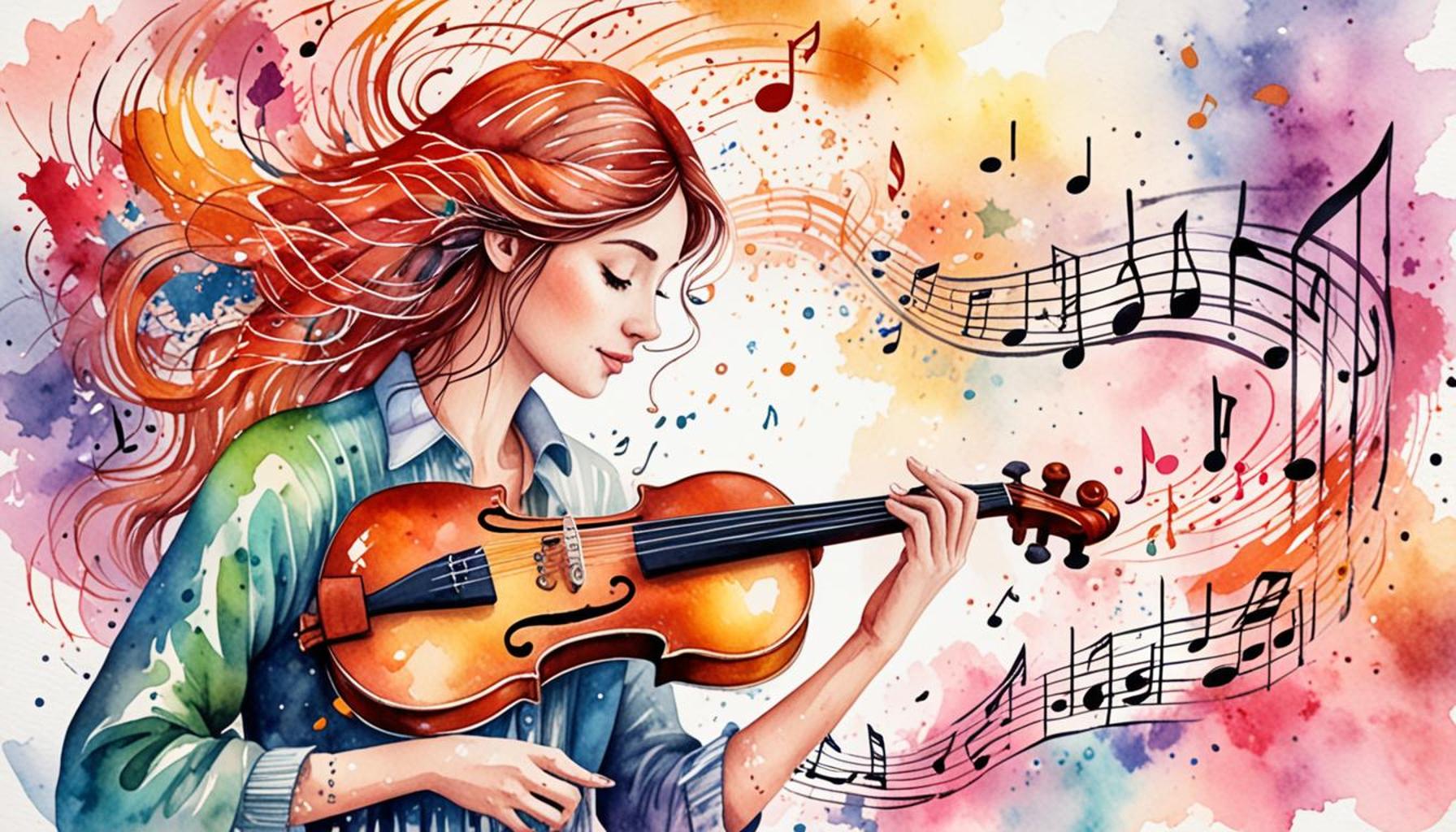
The Interplay of Music and Literature
Throughout history, music and literature have shared a profound connection, using the power of creative expression to evoke emotions and convey messages. This intricate relationship can be traced back to ancient civilizations where oral traditions were prevalent. In cultures around the world, storytelling was often accompanied by music, creating a tapestry of sounds and words that enriched the tale being told. From the poignant storytelling found in folk ballads to the lyrical intricacies of modern pop songs, the interplay between these two art forms is both captivating and thought-provoking.
Examining the elements that intertwine music and literature reveals the depth of their relationship:
- Storytelling: Many song lyrics narrate vivid tales, paralleling a short story or poem. For instance, The Band’s “The Weight” tells a multi-faceted story that captures the essence of Americana and the complexities of human experience. Similarly, Bruce Springsteen’s “The River” narrates a poignant story of love and loss, evoking a rich narrative that resonates with listeners.
- Imagery: Rich descriptions and metaphors bring lyrics to life, enhancing the listener’s experience. Take, for example, Joni Mitchell’s “A Case of You,” where her use of highly visual language creates a vivid emotional landscape that listeners can easily visualize. Such lyrical prowess transforms songs into poetic journeys.
- Emotional resonance: Both mediums share the ability to evoke deep feelings in their audience, whether through a heartbreak ballad or a moving sonnet. Adele’s “Someone Like You” serves as a contemporary example, showcasing raw emotion through both its lyrics and melodic composition, tapping into universal feelings of heartbreak that anyone can relate to.
Artists like Bob Dylan and Leonard Cohen exemplify the merging of profound literary themes with sonorous artistry, blurring the lines between songwriting and poetic expression. Dylan’s work, particularly in songs like “Blowin’ in the Wind,” reflects literary influences ranging from civil rights literature to existential philosophy. Meanwhile, Cohen’s intricate lyrics often draw on themes of love, spirituality, and human struggle, resembling verses found in traditional poetry.
Contemporary musicians, such as Taylor Swift, also skillfully weave literary inspirations into their songwriting. Albums like “Folklore” and “Evermore” demonstrate this artistic approach, as her narratives reflect personal experiences through a lens of storytelling parallel to that found in literature. Her use of metaphor and storyline invites listeners to explore deeper meanings while encouraging them to reflect on their own lives.
Ultimately, this exploration highlights how song lyrics can serve as a form of literature, prompting deeper analysis and appreciation. Just as readers might dissect a novel or poem for its thematic content, listeners are encouraged to engage with song lyrics in a similar manner. As we delve into the rich tapestry of music and literature, we discover a world where words effortlessly dance in harmony with melody, offering both entertainment and profound insights into the human condition.
DISCOVER MORE: Click here to learn about the impact of music on well-being
Exploring Narrative Depth in Song Lyrics
At the heart of the connection between music and literature lies the art of storytelling. The narrative depth found in song lyrics often mirrors that of traditional literature, creating compelling tales that resonate across generations. Just as a well-constructed narrative in a novel can transport readers into new worlds, song lyrics invite listeners to embark on emotional journeys through their poignant themes and relatable characters.
The power of storytelling in music can be illustrated through various genres. In country music, for example, artists like Johnny Cash and Dolly Parton have mastered the art of storytelling through lyrics that depict everyday life. Cash’s iconic “A Boy Named Sue” is a classic example, where a narrative of personal conflict and growth unfolds within a catchy melody. Similarly, Parton’s “Jolene” tells the story of a woman confronting her insecurities and pleading with another for mercy, making the emotions palpable and relatable to many listeners.
In the realm of hip-hop, the genre often serves as a profound literary platform, allowing artists to narrate their life experiences with raw honesty. Artists like Kendrick Lamar and J. Cole craft intricate stories that detail their struggles, triumphs, and the societal issues they face. Lamar’s “The Art of Peer Pressure” illustrates the complexity of navigating peer dynamics, effectively drawing listeners into a vivid narrative that reflects larger themes of identity and choice.
- Character Development: Many song lyrics introduce characters that experience transformation throughout the story. The evolution of these characters parallels the character arcs seen in literary narratives, allowing listeners to form emotional connections.
- Theme Exploration: Themes such as love, loss, and resilience resonate strongly in both music and literature. Artists explore these themes through their lyrics in ways that encourage introspection and relatability.
- Symbolism and Metaphor: Just as literature employs symbols and metaphors to convey deeper meanings, song lyrics do the same. This use of figurative language enhances the richness of the narrative, providing layers for interpretation.
The interplay of imagery and lyrical composition can turn a simple song into a literary masterpiece. Consider the song “The Night the Lights Went Out in Georgia,” a Southern Gothic ballad by Vicki Lawrence that weaves a tale of betrayal and justice, evoking a haunting, cinematic quality akin to that of a short story. Such songs often provoke discussions about ethics, morality, and the complexities of human relationships, encouraging listeners to reflect on broader societal issues just as great literature does.
As we further investigate the connection between music and literature, it becomes clear that songs are much more than entertainment. They are narrative vessels that encapsulate human experience, offering a unique lens through which to explore deeper themes and emotions. The rich tapestry of song lyrics acts as a critical bridge between the worlds of music and literature, prompting us to engage with them in meaningful and thought-provoking ways.
The relationship between music and literature delves into the rich tapestry of human experience, where each strand reinforces the other. Song lyrics serve not just as mere words sung to melodies; they embody narratives that often echo the complexity of literary themes. The poetic structure of song lyrics captures emotions and storytelling techniques akin to that of novels and poems, often weaving intricate tales of love, loss, and social commentary. Songs can provide a powerful emotional outlet, allowing listeners to connect on personal and communal levels through shared narratives.
Furthermore, metaphor and symbolism are abundant in both literary texts and song lyrics. Artists often use these devices to evoke imagery, making their expressions universally relatable. The interplay between the two mediums leads to a deeper understanding of cultural contexts and personal experiences, encouraging audiences to reflect on their lives and societal issues. For example, Bob Dylan’s lyrics frequently draw on literary influences, merging folk traditions with profound existential themes, a hallmark of both literary prose and poetry.
Moreover, the process of analyzing song lyrics as literature opens up new avenues for academic and personal exploration. Lyrics can be dissected similarly to poems, allowing students and researchers to examine their rhythm, rhyme, and thematic substance. This analysis not only enhances appreciation for musical art forms but also enriches literary studies by introducing modern, accessible texts that resonate with younger audiences. Ultimately, the synergy between music and literature fosters a fusion of creativity and communication, encouraging individuals to express themselves in new and innovative ways.
| Category | Description |
|---|---|
| Emotional Connection | Lyrics often reflect universal human experiences, resonating with listeners. |
| Thematic Depth | Influences from literature enrich song narratives, allowing deeper exploration of emotions and ideas. |
DISCOVER MORE: Click here for easy DIY projects
Lyricism as Poetry: The Artistic Craft of Songwriting
Beyond storytelling, another significant link between music and literature is the lyricism found in song lyrics, often regarded as a form of modern poetry. This artistic craft encompasses not only the rhythm and cadence of words but also the deliberate choice of language, all of which contribute to the emotional impact of a song. Just as poets use meter, rhyme, and structure to enhance their work, songwriters employ similar techniques to craft lyrics that resonate on a deeper level.
A prime example of this skill can be seen in the work of Bob Dylan, whose lyrics have been lauded for their poetic depth. The Nobel Prize-winning artist often weaves complex themes into his songs, using symbolism and vivid imagery to engage listeners intellectually and emotionally. “A Hard Rain’s A-Gonna Fall” serves as a haunting reflection of social and political anxieties, reminiscent of a bleak narrative poem that explores the human condition amidst turmoil. Dylan’s ability to evoke emotion through his lyrical complexity challenges the notion that lyrics are inferior to literary works.
Another contemporary figure, Taylor Swift, has transformed her personal experiences into relatable narratives through a rich tapestry of lyrical storytelling. Albums like “Folklore” and “Evermore” delve into fictional character studies, crafting songs that read like short stories. In “The Last Great American Dynasty,” Swift narrates the story of Rebekah Harkness with an engaging blend of history and personal insight. This approach not only captures the listener’s imagination but also highlights how song lyrics can provide a compelling commentary on societal issues and the personal lives intertwined within them.
- Musical Techniques: The sonic landscape of a song amplifies its lyrical content. Elements like melody, harmony, and rhythm work in tandem with lyrics to create a holistic experience that enhances poetic nuances, making the emotions palpable.
- Intertextuality: Many songwriters draw inspiration from literary works, weaving references and allusions into their lyrics. This interplay enriches the listening experience, inviting fans to explore and uncover the literary connections behind the music.
- Cultural Reflection: Just as literature reflects its cultural context, so do song lyrics. They serve as a mirror to society, often addressing pertinent social issues, identities, and norms, thus sparking dialogue and contemplation among listeners.
Furthermore, the rise of rap and spoken word within the music industry has redefined the boundaries of lyricism as a poetic form. Artists like Lauryn Hill and the late Gil Scott-Heron exemplify how rhythmic speech can deliver powerful messages, bridging the gap between music and literary art. Hill’s “Doo Wop (That Thing)” combines elements of soul and hip-hop to discuss themes of self-respect and empowerment, showcasing the capacity of lyrics to advocate for social change, akin to protest literature.
The debate around the classification of song lyrics as literature invites further exploration into their artistic merit. As the boundary between genres blurs, lyrics stand as a testament to the creativity inherent to both music and literature. They embody a space where language transforms into emotion, inviting listeners to act as active participants in the ongoing dialogue between these two forms of creative expression.
DISCOVER MORE: Click here for essential tips and techniques
Exploring the Intersection of Music and Literature
In conclusion, the connection between music and literature is profoundly intertwined, with song lyrics serving as a modern conduit for creative expression. As demonstrated, songwriters employ lyricism akin to poetry, employing rich imagery, symbolism, and narrative techniques that invite listeners into a world of emotional depth and intellectual engagement. Iconic artists like Bob Dylan and Taylor Swift exemplify how musicians can transcend the musical realm to deliver compelling stories and social commentary, enriching the fabric of contemporary literature through their craft.
The exploration of musical techniques that enhance lyrical meaning, alongside the intertextuality that connects songwriting to traditional literary forms, underscores the dynamic interplay between these two art forms. Moreover, as cultural mirrors, song lyrics address profound societal issues, echoing the very essence of literary exploration while fostering dialogue among diverse audiences.
As the rise of genres like rap and spoken word continues to expand the definition of lyricism, it prompts us to reconsider what constitutes art in a modern context. It further raises vital conversations about the artistic merit of lyrics, challenging existing boundaries and inviting listeners to appreciate the creativity inherent in both music and literature. Ultimately, song lyrics stand as a testament to humanity’s rich capacity for expression, allowing us to reflect, connect, and engage with our world on multiple levels—inviting us to listen more closely and discover the narratives woven into the melodies that surround us.
Related posts:
The Intersection of Music and Emotions: How Melodies Influence Our Feelings
The influence of music on self-expression and emotional well-being
Musical Expressions Impact on Emotional and Mental Well-being
Music and Nature: The Musical Inspiration from the Natural World
Music as a Tool for Communication in Times of Crisis
Music and Identity: How Musical Expression Reflects Our Roots and Personal Histories

Linda Carter is a writer and creative hobbies expert specializing in crafting, DIY projects, and artistic exploration. With extensive experience helping individuals discover their creative potential and bring their ideas to life, Linda shares her knowledge on our platform. Her goal is to empower readers with practical tips, inspiring ideas, and step-by-step strategies for success in the world of creative hobbies.