The Evolution of Music Genres and Their Influence on Personal Expression
Understanding Music’s Journey
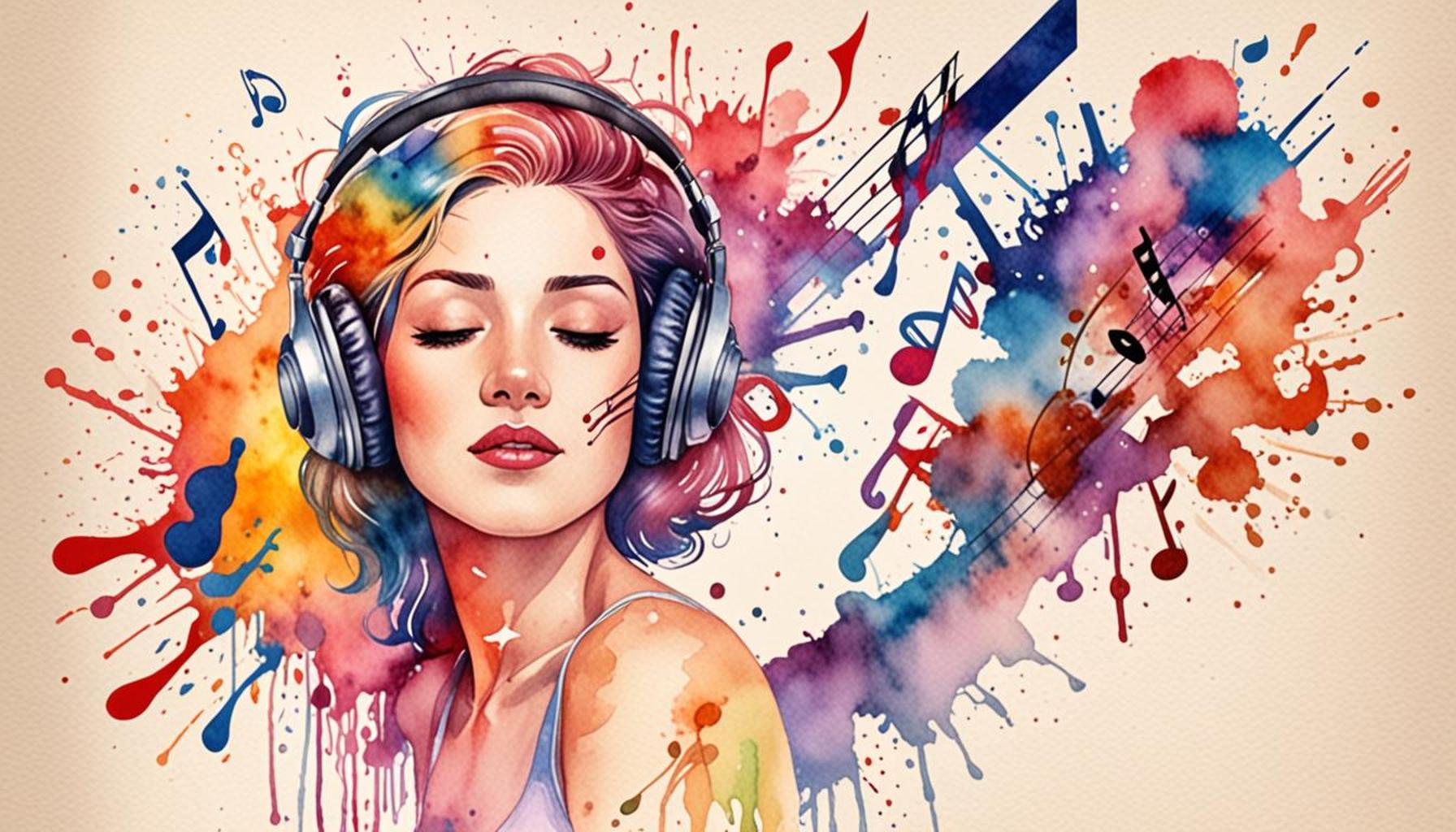
Music serves as a captivating reflection of our world, constantly adapting to the ebb and flow of societal values, cultural diversity, and technological progress. Over the decades, numerous genres have emerged, influencing personal expression in remarkably nuanced ways. From the heartfelt stories conveyed in blues to the bold, rhythmic expressions found in hip-hop, each musical genre encapsulates a narrative that resonates with its audience.
Key Influences on Music Genres
- Historical Events: Major historical landmarks such as wars, civil rights movements, and economic downturns have significantly influenced the themes in music. For example, the jazz music that blossomed during the Harlem Renaissance offered a platform for African-American artists to express their struggles, hopes, and aspirations. Songs like Billie Holiday’s “Strange Fruit” poignantly addressed racial inequality, illustrating how music can serve as a powerful instrument for social change.
- Cultural Diversity: The intertwining of various cultures has paved the way for an incredible fusion of sounds and styles. In the United States, this confluence is evident in genres like Latin jazz, which marries traditional Latin rhythms with jazz instruments, or in country music, which has drawn influences from folk traditions across Europe. Artists like Carlos Santana have showcased how this blend generates new, innovative sounds that appeal to diverse audiences and transcend cultural boundaries.
- Technology: Advances in technology have revolutionized the way music is created, distributed, and experienced. The rise of digital platforms like Spotify and Apple Music has redefined accessibility, enabling listeners to explore a vast array of genres from the comfort of their home. The advent of music production software has democratized the industry, empowering amateur artists to produce high-quality tracks without needing a professional studio. This accessibility has often resulted in viral sensations, such as Lil Nas X’s “Old Town Road,” which gained popularity through platforms like TikTok before dominating the charts.
As these genres evolve, they emerge as powerful vessels for personal expression. Artists utilize music to:
- Convey emotions and personal stories that resonate with listeners, making them feel seen and understood.
- Challenge societal norms and stimulate discussions about pressing issues, reflecting the artist’s perspective on real-world matters.
- Connect with diverse audiences on a deeper level, forging a sense of community through shared experiences and emotions.
Exploring the journey of music genres reveals not only the richness of artistic expression but also insights into our identity and societal context. Each evolution of music does more than merely reflect the times; it reshapes how individuals articulate their thoughts and feelings through sound and lyrics. This dynamic interplay of music and society makes the study of these phenomena both fascinating and essential, inviting listeners to engage in an ever-expanding auditory landscape. As music continues to evolve, it remains a central aspect of human experience, echoing the stories of our lives and shaping the world around us.
DISCOVER MORE: Click here to learn about the impact of music on your emotions
The Interplay of Music and Personal Expression
Throughout history, the evolution of music genres has shaped the way individuals articulate their feelings, beliefs, and experiences. Each genre embodies a unique set of values and cultural narratives, offering a rich tapestry for personal expression. Artists and listeners alike draw from these diverse sounds, using them to channel their thoughts and emotions in ways that resonate profoundly. As musical styles expand, so too does their capacity to reflect the multifaceted nature of human experience.
The Role of Icons and Innovators
Individual artists have played a critical role in the evolution of music genres. Iconic figures like Elvis Presley in rock and roll and Madonna in pop music have redefined genre boundaries, influencing countless musicians and shaping societal trends. These artists not only pushed creative limits but also addressed contemporary issues within their work. For instance, Madonna’s embrace of sexuality and gender fluidity in her music challenged societal norms, allowing listeners to explore their own identities in a safe space.
Moreover, the rise of genre-blending artists, such as Kanye West, exemplifies how personal expression flourishes at the intersection of diverse musical styles. West’s ability to merge hip-hop with elements of electronic music and orchestral arrangements not only redefined the genre but also conveyed his unique perspective on fame, mental health, and race. This cross-pollination of genres has become increasingly prevalent, prompting artists to express complex themes through innovative sounds.
How Genres Foster Community and Individuality
Genres can also serve as a backbone for communities, providing a sense of belonging while simultaneously allowing for individual expression. For instance, the punk movement in the 1970s emerged not merely as a genre but as a cultural protest against mainstream norms. Bands like the Sex Pistols used their music to voice discontent with social issues, encouraging fans to embrace their individuality and challenge the status quo. This radical spirit was mirrored by fans who adopted punk fashion and attitudes, further solidifying the connection between genre and personal identity.
In contrast, genres like country music often emphasize storytelling that reflects shared life experiences. Artists like Dolly Parton and Johnny Cash have crafted narratives around love, hardship, and personal triumph that resonate deeply with audiences. The thematic focus on authenticity and emotional honesty fosters a sense of communal understanding, while still allowing listeners to interpret and relate those stories through their own lenses.
Evolving Soundscapes and Their Impact on Lives
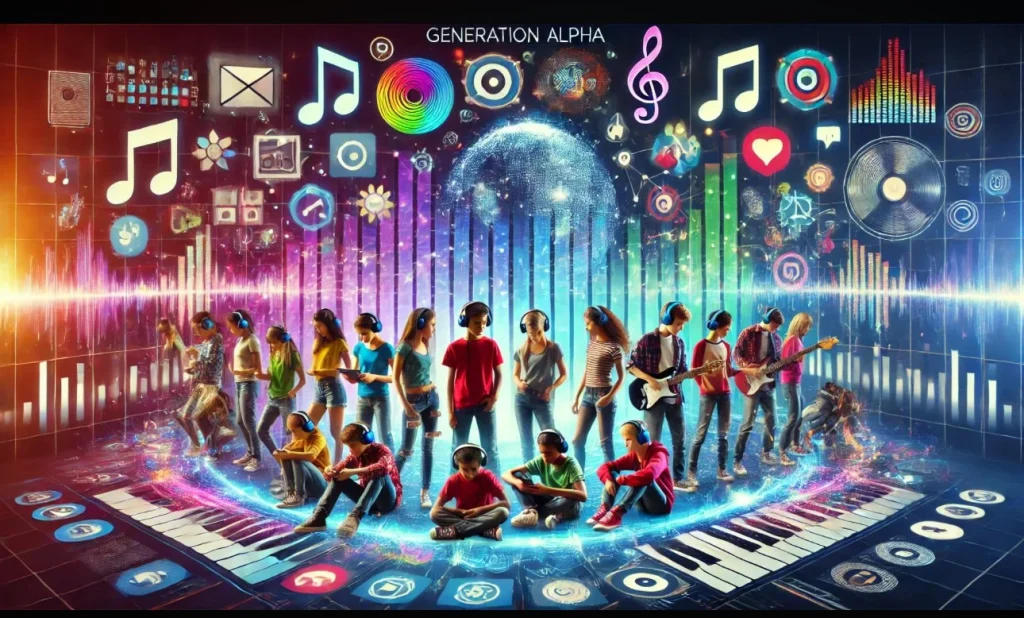
As technology continues to advance, the soundscapes of music genres evolve in tandem with personal expression. The integration of digital tools has empowered creators to experiment with new styles, leading to the emergence of sub-genres. For example, the growth of lo-fi hip-hop has provided a soothing backdrop for study and relaxation, resonating with listeners seeking comfort in their daily lives. This genre not only symbolizes a shift towards more introspective forms of musical engagement but also highlights how evolving sounds can transform the way we experience life.
Ultimately, understanding the evolution of music genres is essential in comprehending how they influence personal expression. From the poignant lyrics of folk ballads to the electrifying beats of electronic dance music, each genre serves as a vital channel through which individuals can navigate their emotions and identities. As genres continue to flourish, they challenge us to explore new ways of expressing ourselves in a world that is ever-changing.
As music continues to evolve, it not only shapes cultural identities but also serves as a profound medium for personal expression. New genres often emerge in response to social, political, and technological changes, reflecting the diverse experiences of individuals within society. For instance, hip-hop, with its deep roots in African American history and struggles, has become a powerful voice for social justice, allowing artists to convey their personal narratives while simultaneously addressing systemic issues. This genre showcases how individual creativity fuels a collective ethos, forging connections amongst listeners who identify with its themes.Furthermore, electronic music has transformed the way people experience sound and community. With the rise of digital tools, artists now have unprecedented access to create and disseminate music. Genres like EDM and techno have fostered unique subcultures, encouraging personal expression through communal experiences at festivals and raves. These events act as safe havens for self-exploration, allowing attendees to engage in communal catharsis while expressing their individuality through dance, fashion, and interaction. As artists continue to bridge genres—like blending traditional folk with modern pop—listeners gain access to a rich tapestry of sound that invites them to explore their identities. The cross-pollination of musical styles also paves the way for global influences, introducing listeners to a myriad of cultural narratives. By harnessing the power of genre evolution, individuals are able to articulate who they are and what they feel, making music a vital aspect of personal expression in an increasingly complex world.To further illustrate some of the significant advantages of this evolution in music genres, the following table outlines categories and their benefits in relation to personal expression:
| Category | Key Features |
|---|---|
| Diverse Genres | Offers a variety of styles catering to different tastes and emotions. |
| Cultural Reflection | Showcases the societal context, conveying messages and personal stories. |
This table highlights how the evolution of music genres not only enhances the listening experience but also supports individuals in articulating their unique stories and emotions. As genres blend and innovate, they continue to play a crucial role in personal expression, allowing listeners to resonate with the evolving fabric of musical narrative.
DISCOVER MORE: Click here to unlock the power of creative writing
The Impact of Cultural Shifts on Music Genres
Cultural shifts have a profound impact on music genres, often acting as catalysts for change and innovation. As society evolves, new subcultures emerge, each contributing distinct influences that shape musical expressions. For example, the hip-hop genre exploded in popularity during the late 20th century, reflecting the socio-economic struggles of African American communities. Artists like Tupac Shakur and The Notorious B.I.G. not only popularized rap but also brought to the forefront issues such as systemic racism, poverty, and police brutality. This connection between music and activism allowed many listeners to find their voices amid adversity, amplifying the genre’s relevance in personal expression.
The rise of the Internet and social media has accelerated this trend, granting underrepresented voices a platform to share their stories and experiences. Platforms like SoundCloud and TikTok have allowed artists of varying backgrounds to distribute their music direct to consumers, leading to the rise of genres such as trap and bedroom pop. These genres not only signify a shift in musical style but also demonstrate how technology can enable individuality and personal storytelling, inviting a broader array of voices into the musical dialogue.
The Globalization of Music Genres
The globalization of music has also contributed significantly to the evolution of genres. The cross-cultural collaboration that has emerged in recent years highlights the unifying power of music while promoting personal expression on a global scale. For instance, genres like K-pop have taken the world by storm, blending traditional Korean music with pop, hip-hop, and EDM elements. Artists like BTS and BLACKPINK bring not just catchy tunes but also messages of self-love, resilience, and societal pressures, reflecting the diverse experiences of their audience. This phenomenon illustrates how music can cross cultural boundaries, creating a sense of belonging for fans worldwide while giving artists unique ways to express their identities.
Notably, the incorporation of Latin rhythms into mainstream music has also reshaped the soundscape in recent years. Tracks such as “Despacito” paved the way for a variety of Latin-inspired genres in the U.S., including reggaeton and Latin trap. Artists like Bad Bunny and J Balvin have not only achieved commercial success but have also used their platform to explore themes of love, social justice, and personal identity. Through their music, they empower listeners to embrace their heritage while sharing their stories with a broader audience. This blend of cultural influences showcases the potential for music genres to reflect both individuality and community.
The Future of Musical Expression
Looking ahead, the evolution of music genres will likely continue to reflect societal trends and personal expressions shaped by technological advancements and cultural dialogues. Virtual reality concerts and augmented experiences are just on the horizon, hinting at new ways for artists to connect with fans and tell their stories. Additionally, the rise of artificial intelligence in music production raises intriguing questions about originality and creativity in personal expression. As genres adapt to future technologies and cultural shifts, the capacity for self-expression through music will only grow.
The interplay between evolving music genres and personal expression underscores a dynamic relationship that transcends time and borders. As listeners increasingly seek ways to connect with their emotions and identities, music will continue to serve as an essential medium through which individuals can articulate their unique narratives amidst an ever-changing cultural landscape.
DISCOVER MORE: Click here to overcome writer’s block
Conclusion
The evolution of music genres is a powerful reflection of cultural, technological, and societal changes, creating a tapestry that enhances personal expression in diverse ways. Ultimately, music transcends mere entertainment; it serves as a crucial medium for individuals to convey their thoughts, emotions, and identities within a complex global landscape. As genres continue to evolve, we witness the rise of unique sounds that represent both individual experiences and collective narratives.
From the impact of hip-hop as a voice for marginalized communities to the globalization of genres like K-pop and Latin trap, music acts as a conduit for storytelling and connection. Through technological advancements, such as social media and AI, artists are empowered to share their perspectives with unprecedented reach, allowing listeners to find resonance in an array of experiences. This emerging landscape showcases the importance of connectivity, inspiring individuals to express their uniqueness while also inviting collaboration and cultural exchange.
As we move forward, the future of music promises further innovation, where hybrid genres and new technologies redefine what it means to create and share. The ongoing dialogue between music and personal expression is set to thrive, reflecting the complexities of contemporary life and providing a platform for voices that seek recognition and validation. For those open to exploring this ever-changing musical environment, the opportunity to engage with sounds that resonate deeply and authentically will only continue to expand. In this way, music remains an essential element of human expression, ready to adapt and grow alongside society itself.
Related posts:
Musical Expression at Different Stages of Life: From Childhood to Old Age
Music as a Tool for Communication in Times of Crisis
How Musical Improvisation Boosts Creativity Across Life Areas
The evolution of digital platforms and their impact on creative musical expression
The Connection between Music and Literature: Creative Expression in Song Lyrics
Exploring Musical Improvisation as a Form of Creative Freedom

Linda Carter is a writer and creative hobbies expert specializing in crafting, DIY projects, and artistic exploration. With extensive experience helping individuals discover their creative potential and bring their ideas to life, Linda shares her knowledge on our platform. Her goal is to empower readers with practical tips, inspiring ideas, and step-by-step strategies for success in the world of creative hobbies.