Musical Expression at Different Stages of Life: From Childhood to Old Age
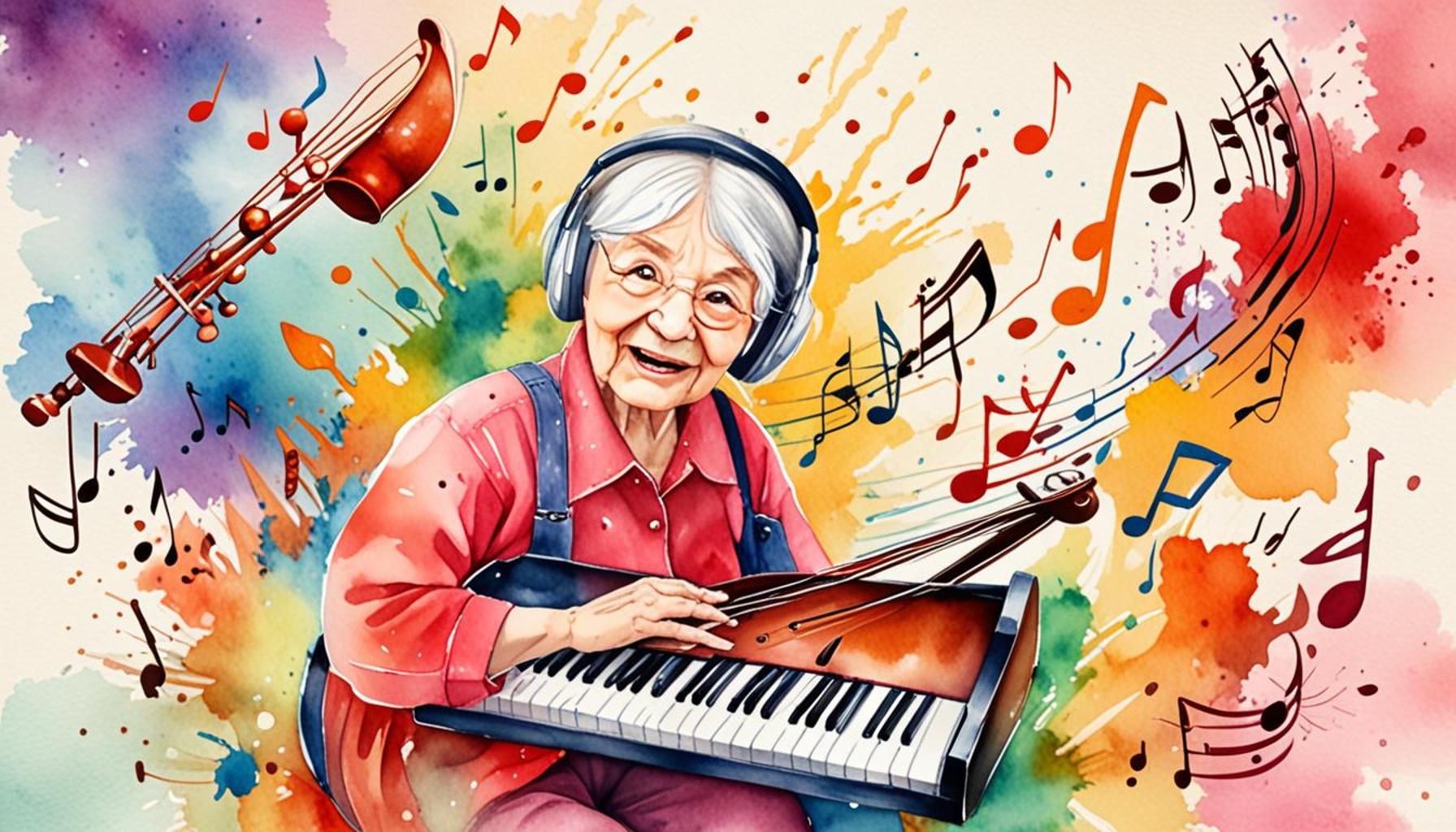
The Evolution of Musical Expression Through Life Stages
Music is a universal language that transcends age, culture, and backgrounds. At every stage of life, from childhood to old age, musical expression evolves, reflecting personal experiences and societal influences. It serves as a mirror to our emotions, a companion during significant life events, and a vehicle for cultural transmission.
Understanding how musical preferences and practices change can illuminate important aspects of human development. Consider the various stages of life and how music plays a role in shaping our identity and emotional landscape:
- Childhood: From a very young age, children engage with music through playful activities like sing-alongs and nursery rhymes. These early exposures help to develop auditory skills and foster creativity. For example, the simple act of clapping to the beat of a song can teach rhythm, while singing can help with language acquisition. Instruments like xylophones or even homemade shakers made from recycled materials can provide hands-on experience that encourages exploration and fun.
- Adolescence: As individuals transition into their teenage years, music often becomes a powerful means of self-expression. For many adolescents, genres like rock, hip-hop, and pop serve as soundtracks to their evolving identities, often reflecting their struggles with societal expectations and personal challenges. The lyrics of songs by artists such as Billie Eilish or Kendrick Lamar resonate with young listeners, providing comfort and a sense of belonging. This is a time when music fosters community, as teens bond over concerts and shared playlists.
- Adulthood: In adulthood, music often serves multiple purposes. Many adults seek out tunes that provide relaxation after a long day, such as soft jazz or classical music. Conversely, high-energy music is frequently utilized for motivation during workouts. Adults may also find joy in social gatherings where music plays a central role, from casual get-togethers to large weddings where DJs spin dance tracks. Additionally, changing tastes often mirror life experiences; for instance, as a parent, someone may appreciate children’s music for its nostalgic simplicity or educational value.
- Old Age: For seniors, music can evoke nostalgia and trigger cherished memories. Many elderly individuals find comfort in songs from their youth, which can help stir long-forgotten moments and experiences. Research indicates that music therapy can be effective in aiding memory recall for those with dementia or Alzheimer’s, illustrating the powerful connection between music and cognitive function. Social gatherings centered around music can also help foster engagements, allowing older adults to build and maintain connections with others.
Each stage of life not only shapes individual expression but also emphasizes the profound impact of social and cultural contexts. For instance, the advent of streaming services like Spotify and Apple Music has revolutionized how we consume music, making a myriad of genres and global rhythms easily accessible for everyone. This democratization of music exposes individuals to diverse sounds and styles they might not encounter otherwise, further enriching their musical palette.
Join us as we dive deeper into the fascinating world of musical expression at various life stages. Together, we’ll explore how melodies resonate with personal growth and societal change, uncovering the intricate relationship between music and the human experience. The journey of musical expression is not just a reflection of individual tastes but also a vivid tapestry woven from cultural threads that connect us all.
DISCOVER MORE: Click here to explore mixed media techniques
Musical Journeys: A Look at Life Stages
The experience of musical expression is deeply intertwined with the journey of life. Each stage brings its unique influences, interests, and emotional connections that shape our relationship with music. From the rhythmic babble of childhood to the reflective melodies of old age, music accompanies us, evolves with us, and often helps delineate the phases of our lives.
In childhood, music lays the foundation for many crucial developmental skills. Children are naturally drawn to sounds and rhythms, leading to early interactions with music through games and playful activities. Singing nursery rhymes or clapping along to children’s songs not only builds a sense of joy but also enhances language acquisition and cognitive abilities. Research shows that children who engage with music at an early age tend to perform better academically and exhibit improved social skills. Instruments designed for little hands, like xylophones or even DIY shakers, encourage an early sense of rhythm and creativity while cultivating a joyful and explorative environment.
As children reach adolescence, the importance of music amplifies significantly. This phase is characterized by a quest for identity, and music often becomes a crucial outlet for self-expression. Teenagers gravitate towards genres that resonate with their emotions and experiences, with pop, rock, and hip-hop taking center stage. The lyrics of relevant artists not only provide comfort but often articulate feelings of angst, love, and rebellion, making music a powerful tool for connection among peers. Social dynamics shift as teenagers bond over shared music playlists and live concert experiences, creating a sense of community that influences their sense of belonging. According to a study by the American Psychological Association, teens who engage with music are often better equipped to manage stress and navigate the complexities of adolescence.
- Identity Formation: Adolescents use music to express themselves and differentiate from their families.
- Emotional Reflection: Songs often serve as anthems for personal experiences, good and bad.
- Community Engagement: Music fosters friendships through shared experiences, such as attending concerts or discussing favorite artists.
Transitioning into adulthood, the role of music takes on new dimensions. For many adults, music becomes a backdrop to daily life. Individuals often search for tunes that enhance their routines; soothing jazz may provide relaxation after a hectic day while upbeat tracks can energize workouts. Furthermore, music serves as a bridge during social gatherings, from celebratory weddings to casual barbecues, facilitating connection and joy among friends and family. As life experiences fluctuate, so do musical preferences. For instance, a parent may find comfort in returning to the children’s songs that once filled their home, recognizing the beauty of simplicity amid life’s complexities.
Lastly, in old age, music often evokes nostalgia, serving as a powerful reminder of long-extinguished memories and cherished moments. Many older adults find immense comfort in songs that harken back to their younger years, establishing connections to past joys and experiences. Studies emphasize the efficacy of music therapy in helping those suffering from Alzheimer’s and dementia, illustrating music’s profound impact on word recall and emotional well-being. As social centers for seniors often organize musical events, these settings foster friendships and community, reinforcing bonds that may have weakened over the years.
In summary, as we explore musical expression at various life stages, it is clear that our relationship with music is both fluid and deeply embedded in our identities. Understanding this relationship sheds light on how melodies resonate with personal growth, cultural influences, and emotional landscapes throughout our lives.
Musical Expression at Different Stages of Life: From Childhood to Old Age
As we journey through life, our relationship with music evolves in fascinating ways. From the playful tunes of childhood to the reflective melodies of old age, each stage is enriched by the power of musical expression. Understanding how music shapes our experiences can deepen our appreciation for its role in our lives.
Childhood: The Foundation of Musical Growth
In childhood, music serves as a playful means of exploration and learning. Engaging with sounds and rhythms enhances cognitive abilities, improves language skills, and promotes social interaction. Young children often learn through songs, as catchy lyrics and melodic patterns make information memorable. Programs that introduce music education at this age provide a strong foundation for future musical experiences.
Adolescence: A Form of Identity
As children transition into adolescence, music becomes a significant part of self-identity and expression. Teenagers often gravitate towards genres that resonate with their emotions and life experiences. This phase is marked by the formation of groups surrounding musical preferences, leading to enhanced social bonding. Live concerts and shared playlists play a vital role in forging connections during these years of discovery.
Adulthood: A Means of Expression and Therapy
During adulthood, music often serves a dual purpose. It acts as a medium for personal expression, enabling individuals to capture and communicate their feelings. Moreover, music has been increasingly recognized for its therapeutic benefits. Studies showcase the positive effects of music therapy in managing stress, alleviating anxiety, and fostering emotional well-being in adults. Understanding these advantages can encourage engagement with music across various settings and experiences.
Old Age: Reflection and Connection
In old age, music often becomes a vehicle for reflection, facilitating connections to cherished memories and loved ones. Familiar tunes can evoke nostalgia, providing comfort and helping to bridge gaps in communication for those facing cognitive decline. Participating in musical activities, such as group singing or listening sessions, can enhance social interaction and overall quality of life in seniors. The lifelong journey with music continues to impact individuals, enriching their lives right up to their later years.
| Stage of Life | Advantages of Musical Expression |
|---|---|
| Childhood | Enhances cognitive development, language skills, and social interaction. |
| Adolescence | Fosters a sense of identity and social connections. |
| Adulthood | Acts as a therapeutic tool, improving emotional well-being. |
| Old Age | Encourages connection and aids in reminiscing, enhancing quality of life. |
As we navigate these different stages of life, it becomes evident that the advantages of musical expression are integral to our development, well-being, and social connections. Exploring the multifaceted role of music can uncover deeper insights into both individual and communal experiences, engaging our curiosity to learn more about this universal form of expression.
DIVE DEEPER: Click here to discover how abstract art shapes your personal expression
The Transformative Power of Music Across Life’s Phases
As individuals progress into middle adulthood, the relationship with music undergoes significant changes once again. Oftentimes, with career responsibilities and family obligations reaching their peak, music becomes a source of escape and solace. Many adults turn to music as a means to reflect on their life’s journey, using it as a companion during solitary moments of introspection or while navigating the chaotic demands of daily life. Music streaming services, which have surged in popularity, provide curated playlists that cater to various moods—whether it’s the soothing sounds of classical music to unwind or energetic pop anthems to motivate morning workouts. This customized access enables adults to curate personal soundtracks that align with their evolving identities and emotional needs.
Moreover, during this stage, music can act as a catalyst for bonding across generations. Family gatherings, road trips, and other social settings often feature music that celebrates both shared history and contemporary influences. For instance, parents might introduce their children to music from their own youths, creating a bridge of understanding and nostalgia. This sharing of musical tastes can foster family closeness and instill a sense of cultural heritage within younger generations.
During later adulthood, the role of music often becomes more pronounced as many individuals approach retirement and reflect on their life accomplishments. Studies have shown that engaging with music can enhance cognitive functioning and emotional stability among seniors, making it a vital component of well-being. Music therapy has emerged as a recognized field, particularly in aiding older adults facing memory-related challenges. With melodic cues often triggering memories, familiar songs can assist individuals in reconnecting with their past and evoke powerful emotions.
- Memory Recall: Music can trigger vivid memories, making it a valuable tool in therapeutic settings with Alzheimer’s and dementia patients.
- Emotional Resonance: Familiar tunes can offer comfort and improve mood, countering feelings of isolation.
- Social Interaction: Group music activities, such as sing-a-longs or dance classes, foster community engagement and friendships among seniors.
As older adults participate in community music events—whether it be group singing or learning to play instruments—these experiences not only reduce feelings of loneliness but also promote an active lifestyle. Programs that encourage participation in music, such as local choirs or orchestras for seniors, have shown a marked improvement in social connections and mental health. Music becomes a vibrant thread weaving through the fabric of community life, enriching the experiences of aging individuals.
Additionally, the ability to create music, whether through singing, playing an instrument, or songwriting, continues to be a rewarding form of expression well into old age. The creative process often serves as a powerful tool for processing life experiences, offering a unique outlet for emotions that might otherwise go unexpressed. Workshops and community classes encourage seniors to explore their creativity, reinforcing the timeless lesson that it is never too late to express oneself through music.
As evident in the varied interactions with music across life stages, it remains a fundamental aspect of our existence. Understanding how music molds our experiences provides insight into its enduring influence, shaping attitudes, relationships, and personal growth throughout our lives.
DISCOVER MORE: Click here to delve into mixed media techniques
Conclusion: The Lifelong Journey of Musical Expression
In exploring the journey of musical expression from childhood to old age, it is clear that music serves as a pivotal companion through all phases of life. Starting as a tool for exploration in early childhood, music fosters creativity and shapes our understanding of the world. As we transition into adolescence, it becomes a form of self-identity, an avenue for connection with peers, and a medium for emotional expression during a complex formative stage.
Moving into middle adulthood, music transforms into a source of solace amid life’s demands, and a bridge that connects generations during family gatherings, reinforcing cultural legacies. In later adulthood, the importance of music becomes even more profound as it emerges as a therapeutic tool that enhances cognitive health and emotional well-being. Familiar melodies not only help in memory recall but also foster social bonds in community settings, combatting loneliness and promoting active participation in life.
Ultimately, music holds a transformative power, adapting with us as we navigate the different stages of life. Whether it is through listening, creating, or sharing, music remains an enduring thread that enriches our experiences. This timeless medium encourages us to not only express ourselves but to also connect with others and our own histories. As we continue to discover the roles music plays in our lives, it invites further exploration into its profound effects on emotional health, social connections, and personal growth. Engaging with music is indeed a lifelong journey, one that continues to evolve and resonate at every age.
Related posts:
Music as Therapy: The Impact of Musical Expression on Mental Health
The Musical Expression in Visual Arts: The Interaction between Music and Painting in Artistic Creati...
How Musical Improvisation Boosts Creativity Across Life Areas
The Connection between Music and Literature: Creative Expression in Song Lyrics
Musical Expressions Impact on Emotional and Mental Well-being
The Influence of Music on Personal Self-Expression

Linda Carter is a writer and creative hobbies expert specializing in crafting, DIY projects, and artistic exploration. With extensive experience helping individuals discover their creative potential and bring their ideas to life, Linda shares her knowledge on our platform. Her goal is to empower readers with practical tips, inspiring ideas, and step-by-step strategies for success in the world of creative hobbies.