The Role of Reading in Stimulating Creativity in Writing
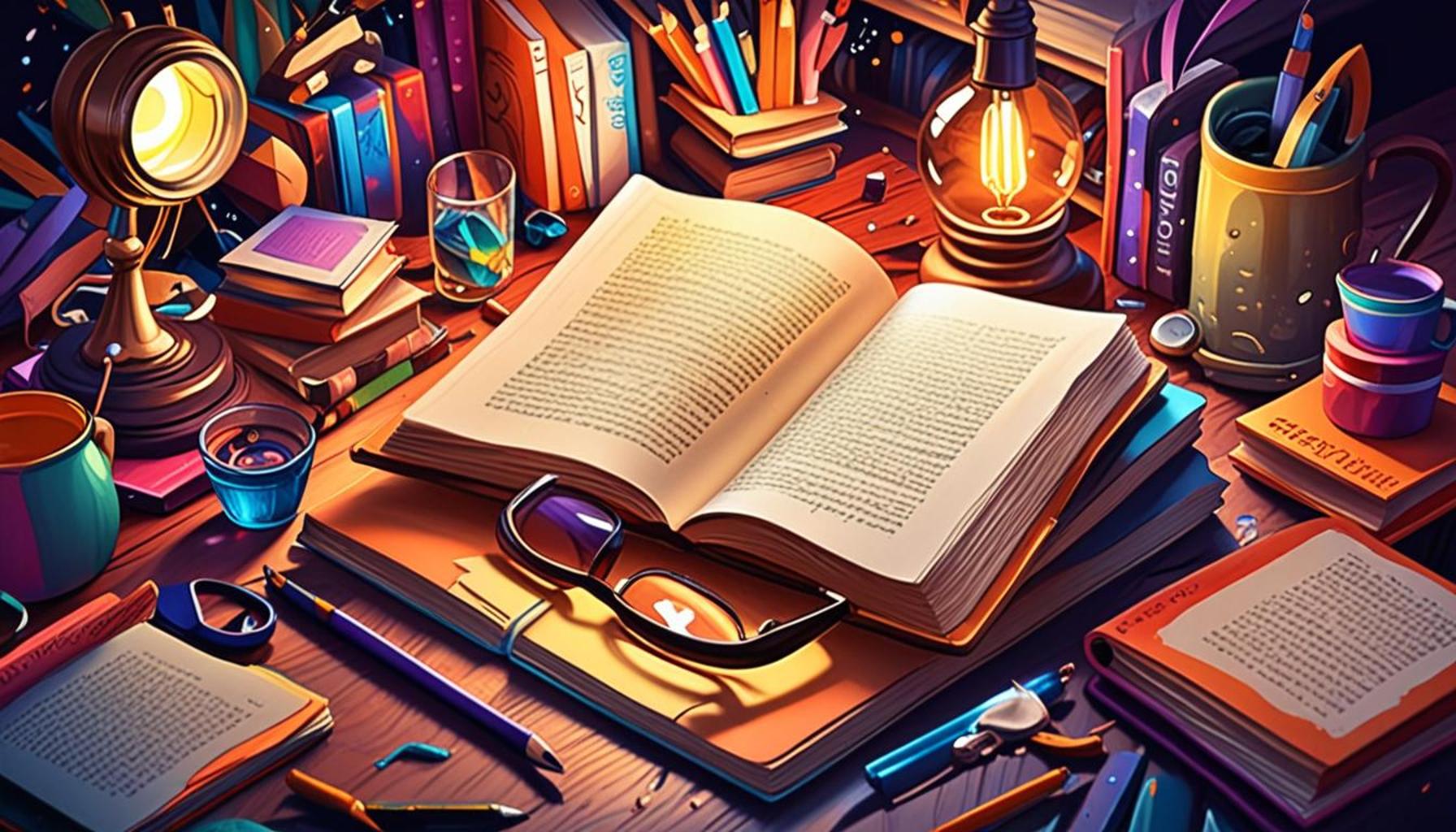
Unlocking Creativity Through Literature
Reading isn’t just a pastime; it’s a powerful tool that fuels creativity in writing. By immersing ourselves in diverse literature, we expose our minds to new ideas, styles, and perspectives that can spark our imagination. Diverse literature does not merely serve as entertainment; it acts as a catalyst, incubating creativity and empowering writers to explore uncharted territories in their work.
The relationship between reading and writing is intricate and multifaceted. Here are some compelling ways that reading enhances creativity:
- Exposure to Different Genres: Literature comes in many forms, from the whimsical worlds of fantasy to the stark realities of historical fiction. Each genre offers unique storytelling techniques and formats, allowing readers to appreciate the nuances of narrative construction. For instance, the narrative style of a novel like *The Great Gatsby* can differ significantly from the emotional depth often found in a collection of poetry by Maya Angelou. This exposure equips writers with a toolbox of techniques to draw from when crafting their own stories.
- Understanding Character Development: Memorable characters evoke strong emotions and leave a lasting impression. By observing how authors such as J.K. Rowling or John Steinbeck develop their characters, writers can learn the importance of creating relatable, multidimensional figures in their narratives. Techniques such as using backstory, dialogue, and inner monologues can significantly deepen the portrayal of characters, making them more engaging and impactful.
- Language and Style: Engaging with the works of varied authors expands a writer’s vocabulary and informs their personal style. From Hemingway’s succinct prose to the lyrical elegance of Virginia Woolf, each author imparts unique stylistic attributes that can influence aspiring writers. By mimicking these styles and experimenting with language, writers can hone their voice and captivate their audience.
- Plot Structures: Every compelling story follows a certain structure. By analyzing different narratives, whether they are traditional hero’s journeys or complex, non-linear plots like those in novels by David Mitchell, writers learn to craft compelling arcs. Identifying key elements such as conflict, climax, and resolution allows for the creation of engaging and satisfying storylines.
Moreover, research indicates that readers often develop stronger cognitive abilities. They tend to become better problem solvers and critical thinkers—skills that are invaluable for any writer. Cognitive flexibility gained through reading aids in the creative process, allowing writers to perceive challenges from varying angles, thus enhancing their narrative outcomes.
As we delve deeper into the symbiotic relationship between reading and writing, it becomes clear that one nurtures the other. Each book read, each character developed, and each plot deciphered contributes to a more imaginative and innovative writing style. For those passionate about storytelling, embracing the transformative power of reading is an essential step toward unleashing their creative potential. The more we read, the more vivid and memorable our writing can become, opening doors to new creative horizons.
DIVE DEEPER: Click here to learn more
The Transformative Impact of Reading on Creative Expression
In a world awash with information, reading remains a distinctly powerful way to stimulate creativity in writing. It not only cultivates a writer’s imagination but also serves as a model for technique and style. By engaging with literature, writers enhance their capacity to create original content while simultaneously developing a deeper understanding of the craft. This dual benefit highlights just how crucial reading is to the writing process.
One of the most significant impacts of reading is the enhancement of imaginative thinking. When writers read various genres and styles, they are exposed to different forms of expression. This exposure can lead to innovative approaches to storytelling. For example, those who read science fiction may take inspiration from its speculative concepts and try to incorporate them into their own narratives. Similarly, a writer immersed in classical literature might draw from its syntax and structure to add a timeless quality to modern prose. By stepping into different literary worlds, writers open their minds to endless possibilities.
The development of critical thinking skills is another beneficial aspect of reading that directly affects a writer’s creative process. Readers routinely encounter complex themes, intricate plots, and character motivations that require discerning interpretation. As a result, writers can sharpen their analytical skills and apply them to their own creations. A nuanced understanding of character dilemmas, for instance, enables a writer to construct more authentic and compelling narratives that resonate with readers.
Additionally, reading allows writers to examine the nuances of voice and tone, which are essential elements in any piece of writing. By experiencing how different authors convey emotion and atmosphere through their unique voices, writers can experiment with their own narratives effectively. Taking cues from authors like Toni Morrison, who wields an evocative, poetic style, writers may feel inspired to tackle emotionally charged themes in their work, thereby deepening the reader’s engagement.
Moreover, exploring diverse cultures through literature equips writers with the capacity to craft relatable and multifaceted characters. Literature from different cultural backgrounds offers myriad perspectives on universal experiences, such as love, loss, and aspiration. By understanding these diverse viewpoints, writers can create characters that are not only realistic but also deeply relatable to a broad audience. This inclusivity fosters empathy in storytelling, allowing readers to connect with narratives on a more profound level.
In summary, the act of reading is indispensable for writers seeking to enrich their creativity. As they delve into various genres and styles, their understanding of narrative, character, and form expands, ultimately shaping their writing. By embracing reading as a core component of their craft, writers establish a robust foundation for creative expression, paving the way for original and impactful storytelling.
Reading plays an indispensable role in nurturing creativity, particularly within the realm of writing. By immersing oneself in diverse literature, aspiring writers develop a deeper understanding of various styles, genres, and narrative techniques. This exposure not only enhances their vocabulary and grammar but also inspires original thought and new ideas, leading to a more enriched writing experience.When writers delve into different authors’ works, they encounter myriad perspectives that challenge their own viewpoints. This critical engagement invites them to reflect on their writing, prompting them to incorporate unique themes and innovative structures into their narratives. Consequently, reading can serve as a powerful catalyst for creative breakthroughs, encouraging writers to experiment and take risks in their craft.In addition, reading fosters empathy, a critical skill for any writer. By exploring the emotions and motivations of characters from various backgrounds, writers gain insights that allow them to create more relatable and authentic characters in their own stories. Such empathetic understanding can also inform the emotional depth of their narratives, making them resonate with readers on a profound level.The benefits of reading extend far beyond just exposure to language; they encompass a holistic development of creativity in writing. Moreover, as writers expand their literary horizons, they discover connections between seemingly disparate ideas, enabling them to forge innovative narratives that captivate audiences. Ultimately, the act of reading cultivates an imaginative mindset and a well-stocked arsenal of ideas, equipping writers to tackle even the most challenging writing endeavors. In recognizing the importance of reading for creativity, writers can intentionally integrate a diverse reading regimen into their routine, thereby enriching their writing journey. Embracing this relationship between reading and writing can unlock new realms of creativity, helping writers articulate their unique voices more effectively.
DISCOVER MORE: Click here to enhance your crafting skills
The Intersection of Reading and the Writer’s Craft
Within the dynamic realm of writing, the intersection of reading and creativity offers a treasure trove of insights. As writers immerse themselves in a sea of literature, the cultivation of vocabulary and language skills emerges as a significant benefit. A rich lexicon provides writers with the tools necessary to articulate their thoughts with precision and flair. For instance, authors like Zadie Smith and Neil Gaiman exemplify the artistry of language, where every word chosen resonates with meaning and emotion. By absorbing diverse writing styles, writers can enhance their linguistic capabilities, allowing for more vivid and impactful storytelling.
Another crucial aspect is the inspiration derived from narrative and structure. Writers who engage deeply with stories learn to identify various techniques, whether it’s the use of unreliable narrators or non-linear timelines. Classic works like “The Catcher in the Rye” or contemporary narratives such as “Gone Girl” showcase how different structures can enhance the storytelling experience. By analyzing narrative arc and pacing, writers can enrich their own projects, ensuring a compelling flow that keeps readers engaged from start to finish.
Reading also fosters innovation through the synthesis of diverse ideas. Writers frequently revisit themes or concepts that pique their interest, blending them with their own unique perspectives. This process of intertextuality not only broadens a writer’s creative landscape but also encourages the exploration of cross-genre writing. For example, combining elements of fantasy and historical fiction might yield an innovative work that captivates both fans of magic and history alike. In today’s literary landscape, many authors like Colson Whitehead have mastered this blend, creating stories that defy conventional categorization.
Moreover, the emotional intelligence gained from reading cannot be understated. Through narratives that delve into the depths of human experience, writers develop a keener sense of empathy and understanding. This emotional intelligence allows for richer character development and more relatable plots. Authors like Khaled Hosseini, whose works often tackle heavy subjects of loss and belonging, provide readers with profound insights into complex emotions. Writers who have experienced these layers of narrative can better portray multifaceted characters that resonate with the intricacies of real life.
Additionally, writers can benefit from the discipline and focus that consistent reading instills. Engaging with a book requires dedication and time, qualities that are invaluable to the writing process. By cultivating a habit of reading regularly, writers can build their stamina for sustained periods of creative work, ultimately leading to more significant and productive writing sessions. This discipline is particularly vital in today’s fast-paced world, where distractions abound, and maintaining focus is often a challenge.
In exploring the multifaceted role of reading in stimulating creativity, it becomes evident that the relationship between these two activities is not merely beneficial; it is foundational. Writers who embrace reading as part of their creative journey find themselves not only rejuvenated but also equipped with the necessary tools to craft messages that resonate with their readership, ultimately pushing the boundaries of what literature can achieve.
DIVE DEEPER: Click here to discover more about abstract art’s impact on self-expression
Conclusion
In the intricate dance between reading and writing, the role of reading in stimulating creativity cannot be overstated. Through the act of consuming literature, writers unlock a wellspring of inspiration, enrich their vocabulary, and hone their narrative techniques. As explored throughout this article, reading immerses writers in diverse styles and perspectives, enhancing their ability to craft compelling stories that resonate deeply with readers.
Furthermore, the innovation fostered by blending ideas from different genres and cultural backgrounds creates a fertile ground for originality. Writers who read widely are more likely to experiment with narrative structures and themes, producing works that intrigue and challenge traditional boundaries. This synthesis not only enriches the writer’s own creative expression but also contributes to a vibrant and evolving literary landscape that captivates audiences.
Equally important is the emotional depth that reading cultivates. Engaging with complex characters and intricate plots enhances a writer’s ability to depict authentic human experiences. This emotional insight is crucial for creating relatable narratives that resonate with readers on a personal level. Moreover, the discipline developed through consistent reading routines reinforces a writer’s focus, enabling them to navigate the often challenging creative process effectively.
Ultimately, as we envision the future of literature, it is clear that those who embrace reading as a core component of their writing journey will not only flourish creatively but also redefine the artistry of storytelling itself. By recognizing and harnessing the dynamic interplay between reading and writing, aspiring authors can unlock their full potential, ensuring that their voices are not just heard, but felt.
Related posts:
Exploring Creative Writing: Techniques to Overcome Creative Block and Stimulate Imagination
Exploring Creative Writing: Techniques to Overcome Writer's Block
Interactive Narratives: Exploring the Potential of Writing in Games and Digital Media
Transforming Everyday Experiences into Creative Tales: A Practical Approach
The Influence of Personal Experiences on Creative Writing
The Intersection of Creative Writing and Therapy: How Writing Can Help Mental Health

Linda Carter is a writer and creative hobbies expert specializing in crafting, DIY projects, and artistic exploration. With extensive experience helping individuals discover their creative potential and bring their ideas to life, Linda shares her knowledge on our platform. Her goal is to empower readers with practical tips, inspiring ideas, and step-by-step strategies for success in the world of creative hobbies.