The Importance of Cultural Diversity in Creative Writing

The Richness of Diverse Narratives
Cultural diversity represents a vibrant tapestry that significantly enriches the landscape of creative writing. By integrating a multitude of voices and perspectives, writers can bring forth unique backgrounds, stories, and traditions, resulting in literature that resonates with a broader audience. Understanding the importance of this diversity can lead to a deeper appreciation of how it shapes our literary experience.
One of the primary benefits of cultural diversity in creative writing is its ability to offer broadened perspectives. Writers hailing from varied cultural backgrounds provide an array of viewpoints, enhancing the depth and complexity of their narratives. For example, a novel set in a multicultural neighborhood can illuminate rich interactions and conflicts that individuals might navigate in their daily lives. This complexity not only fosters realism but also encourages readers to empathize with characters outside their own lived experiences.
Moreover, stories infused with cultural elements can significantly engage readers who crave authenticity and insight. Authors like Chimamanda Ngozi Adichie and Junot Diaz demonstrate this effectively, inviting audiences into the nuanced worlds shaped by their respective cultures. Through their storytelling, readers can explore pivotal themes such as identity, migration, and heritage, which resonate on both individual and societal levels.
Representation is another critical aspect of cultural diversity in literature. By celebrating different cultures, writers ensure that all voices are heard and valued, contributing to an inclusive literary landscape. Works showcasing marginalized communities help elevate the narratives that might otherwise go unnoticed, thus fostering a greater appreciation for diversity. This representation goes beyond just identity; it reflects a myriad of social, political, and personal struggles faced by communities throughout history.
Innovation and Empathy in Storytelling
A further exploration into the realm of creative writing reveals that innovation and creativity often arise from cultural diversity. When writers draw inspiration from disparate cultural traditions, they may experiment with new storytelling methods and narrative structures, creating fresh and dynamic works. For instance, incorporating oral storytelling styles from Indigenous cultures can enrich the narrative flow and deepen emotional engagement, showcasing the power of diverse methodologies.
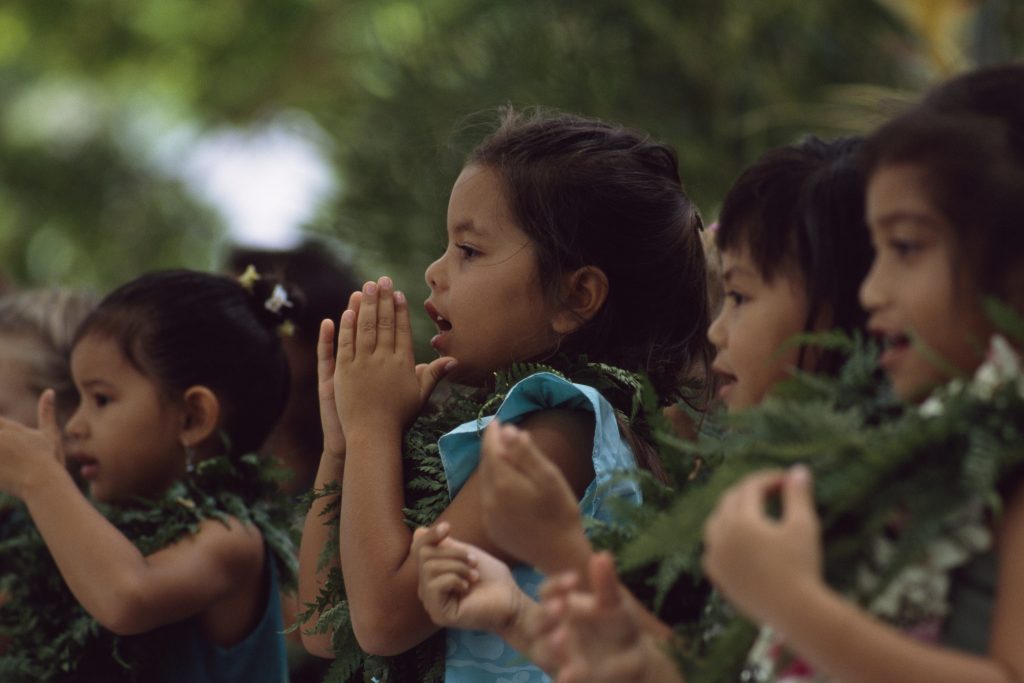
Cultural narratives have the power to build empathy and understanding, acting as a bridge between different societies. Literature allows readers to walk in someone else’s shoes, promoting social cohesion and reducing prejudice. By engaging with stories that reflect the lives of people from distinct backgrounds, readers can develop greater empathic skills, thus expanding their worldview.
Lastly, recognizing diverse histories within creative writing allows for a more profound comprehension of contemporary societal issues. Current events are often steeped in historical contexts that stem from various cultural narratives. For example, understanding the historical experiences of immigrant communities in America can illuminate modern challenges they face today. Literature that acknowledges these histories not only educates readers but also inspires critical thinking and dialogue about the past and its influence on the present.
As readers immerse themselves in works influenced by cultural diversity, they encounter captivating stories and engage with the world in multifaceted ways. The exploration of cultural diversity within creative writing unveils layers of meaning that resonate deeply, proving that by sharing their stories, writers can enrich the experiences of audiences everywhere.
DIVE DEEPER: Click here to discover more
Enriching Literary Landscapes Through Diverse Voices
The impact of cultural diversity in creative writing is not just a matter of representation; it serves as a catalyst for innovation and depth in storytelling. When writers embrace their unique backgrounds and experiences, they contribute to a literary landscape that is reflective of a global society. This influx of diverse narratives leads to a richer understanding of various cultures, ultimately fostering connections among readers and authors alike.
One significant aspect of cultural diversity in literature is the opportunity it presents for cross-cultural exchange. Authors can draw on their heritages to introduce readers to unfamiliar worlds, customs, and philosophies. This engagement can introduce themes and concepts that are often overlooked in mainstream literature. For instance, the concept of Ubuntu, originating from Southern Africa, emphasizes the interconnectedness of humanity and can challenge traditional Western individualistic narratives.
In the context of the United States, a nation built on the foundation of immigration and multiculturalism, the importance of fostering diverse voices becomes even more apparent. A broad range of narratives leads to tentpole stories that are accessible to various sectors of society. When reading works by authors such as Sandra Cisneros or Viet Thanh Nguyen, one gains insight not only into their specific cultures but also into the transformative power of shared human experiences.
Furthermore, cultural diversity in creative writing helps cultivate a more inclusive outlook. By incorporating a multitude of perspectives, authors can create complex characters who challenge stereotypes and enrich the reader’s understanding of societal dynamics. Here are some key benefits of this approach:
- Increased Awareness: Readers encounter diverse lifestyles, beliefs, and values, elevating their understanding of different communities.
- Challenge Stereotypes: Authentic portrayals break down preconceived notions and foster dialogue around sensitive topics.
- Cultural Preservation: Writers document and celebrate their cultural identities, keeping traditions and stories alive for future generations.
- Strengthening Communities: Shared stories promote solidarity and understanding among diverse groups, contributing to social cohesion.
Additionally, the act of writing itself can serve as a form of catharsis for both authors and readers. For marginalized voices, creating narratives can be empowering, allowing individuals to share their truths and challenge the prevailing historical narratives. This process of storytelling becomes an act of reclamation—an opportunity to rewrite one’s own history and advocate for change.
In conclusion, the embrace of cultural diversity in creative writing not only enriches the art form but also plays a crucial role in shaping societal attitudes and understanding. As diverse stories continue to emerge, they become essential threads in the fabric of literature, inspiring readers to explore, empathize, and connect with one another.
The Importance of Cultural Diversity in Creative Writing
Creative writing is greatly enriched by cultural diversity, which brings a multitude of perspectives, ideas, and narratives to the literary landscape. When writers incorporate diverse cultural backgrounds into their work, they not only expand their own creative horizons but also offer readers a chance to engage with experiences and stories that may be entirely foreign to them. This inclusion fosters empathy and understanding, bridging cultural gaps and promoting a deeper appreciation for various lifestyles and belief systems.
One significant advantage of cultural diversity in writing is its ability to challenge stereotypes. By presenting multi-dimensional characters who are shaped by their unique cultural contexts, writers can dismantle preconceived notions and societal norms. Through authentic representation, readers gain a more nuanced understanding of characters, moving beyond caricatures and embracing the complexities of human experience.
Moreover, cultural diversity brings a wealth of rich traditions, folklore, and languages into creative writing. These elements can enhance narratives, offering unique narrative techniques and storytelling methods that differ from the dominant mainstream. Writers drawing from their heritage can create vibrant tapestries that resonate on multiple levels, captivating audiences with new literary forms and structures.
As the literary world becomes more interconnected, the significance of cultural diversity in creative writing continues to grow. By championing diverse voices, writers can not only enrich their work but also contribute to a broader literary culture that celebrates and honors the stories of all people. This inclusivity ultimately leads to a richer reading experience, encouraging dialogue and further exploration of diverse cultures within literature.
| Advantage | Description |
|---|---|
| Authentic Representation | Incorporating diverse cultural voices leads to richer character development and storytelling. |
| Broadened Perspectives | Cultural diversity introduces new ideas and themes, encouraging readers to engage with different worldviews. |
By recognizing and embracing cultural diversity in creative writing, we pave the way for a more vibrant and inclusive literary future. As writers and readers alike, engaging with diverse narratives offers new opportunities for deeper understanding and connection across cultures.
DISCOVER MORE: Click here to learn how crafting can enhance your well-being
Fostering Empathy and Understanding Through Storytelling
The significance of cultural diversity in creative writing extends beyond merely providing a variety of voices; it lies in its power to foster empathy and understanding among diverse populations. In today’s increasingly polarized world, the ability for individuals to see through the lens of others is vital. By engaging with literature that reflects diverse experiences, readers are encouraged to step into the shoes of characters who may be vastly different from themselves. This practice not only broadens their horizons but also promotes a sense of shared humanity.
Take, for example, the literary contributions of author Chimamanda Ngozi Adichie. Her works, including “Half of a Yellow Sun,” offer profound insights into the Nigerian Civil War from multiple perspectives, allowing readers to grasp the complexity of the conflict. By weaving together the stories of different characters, Adichie creates a narrative that transcends cultural boundaries and invites readers to empathize with personal struggles that echo across various contexts. This ability to evoke empathy is crucial in nurturing a more compassionate society.
Moreover, literature that incorporates diverse cultural elements provides readers with a gateway into understanding social issues that may affect marginalized communities. Books like “The Joy Luck Club” by Amy Tan or “Americanah” by Adichie delve deep into the intricacies of identity, migration, and belonging. These narratives challenge readers to confront their biases and acknowledge the nuanced experiences of others. Through storytelling, writers can engage in critical conversations about race, gender, and economic disparities, leading to greater awareness and social change.
Cultural diversity also promotes innovation in creative writing. Incorporating various narrative styles, traditions, and languages enriches the storytelling process. For instance, authors who infuse poetry and folklore from their cultures into their narratives create a unique reading experience that captivates audiences. This blend of styles can lead to the emergence of new genres, thereby pushing the boundaries of traditional storytelling. As readers encounter innovative structures and forms, they are encouraged to rethink their own expectations of literature.
In addition to the aesthetic value of diverse storytelling, engaging with various cultural narratives helps to combat the risks posed by cultural appropriation. By amplifying authentic voices from specific backgrounds, readers are empowered to appreciate the intricacies of those cultures without distorting or misrepresenting them. This recognition fosters respect and appreciation while encouraging writers to be conscientious in how they represent experiences outside of their own.
Furthermore, educational institutions increasingly recognize the importance of cultural diversity in writing. Literature programs that emphasize diverse authors and texts foster critical thinking and discussion, preparing students to engage with a global audience. The exposure to varied viewpoints creates informed citizens who are more likely to contribute positively to society.
In summary, the inclusion of diverse cultural perspectives in creative writing serves as a powerful tool for fostering empathy and understanding. By exploring varied narratives, readers and writers alike are challenged to rethink their assumptions and develop a more nuanced approach to both literature and the world around them.
DISCOVER MORE: Click here to transform your space on a budget
Conclusion
In conclusion, the importance of cultural diversity in creative writing cannot be overstated. It serves as a fundamental catalyst for fostering understanding, empathy, and innovation in literature. As readers engage with narratives that reflect a multitude of backgrounds and experiences, they gain exposure to perspectives that challenge their preconceived notions and deepen their appreciation of the complexities inherent in human existence. Literature has the unique power to bridge the gaps between different cultures, making it a potent tool for social dialogue and change.
Moreover, the representation of diverse voices in writing not only enriches the storytelling landscape but also paves the way for emerging authors from all walks of life. When authentic voices are amplified, readers can engage with narratives that resonate on a profound level, ultimately leading to an enriched literary culture and society. Furthermore, as educational institutions increasingly prioritize cultural diversity in their curricula, they equip future generations with the critical thinking skills necessary to navigate an interconnected world.
As we move forward, it is essential for writers, readers, and educators to advocate for the inclusion of diverse cultural narratives to ensure that literature remains a rich tapestry that reflects the global community. By embracing cultural diversity in creative writing, we can create a literary environment that not only entertains but also educates and fosters a unified understanding of our shared humanity. Exploring these diverse narratives invites readers to venture into new worlds, challenging them to reflect on their own identities and the broader society in which they live.
Related posts:
Exploring Creative Writing: Techniques to Overcome Writer's Block
How Music Can Influence the Writing Process
The Influence of Personal Experiences on Creative Writing
Writing for the Future: How Science Fiction Can Stimulate Creativity
Writing as a Tool for Self-Discovery: Exploring Identity and Personal Expression
Unlock Personal Expression The Creative Writings Essential Role

Linda Carter is a writer and creative hobbies expert specializing in crafting, DIY projects, and artistic exploration. With extensive experience helping individuals discover their creative potential and bring their ideas to life, Linda shares her knowledge on our platform. Her goal is to empower readers with practical tips, inspiring ideas, and step-by-step strategies for success in the world of creative hobbies.