Developing Craft Skills for Children: Fostering Creativity from an Early Age
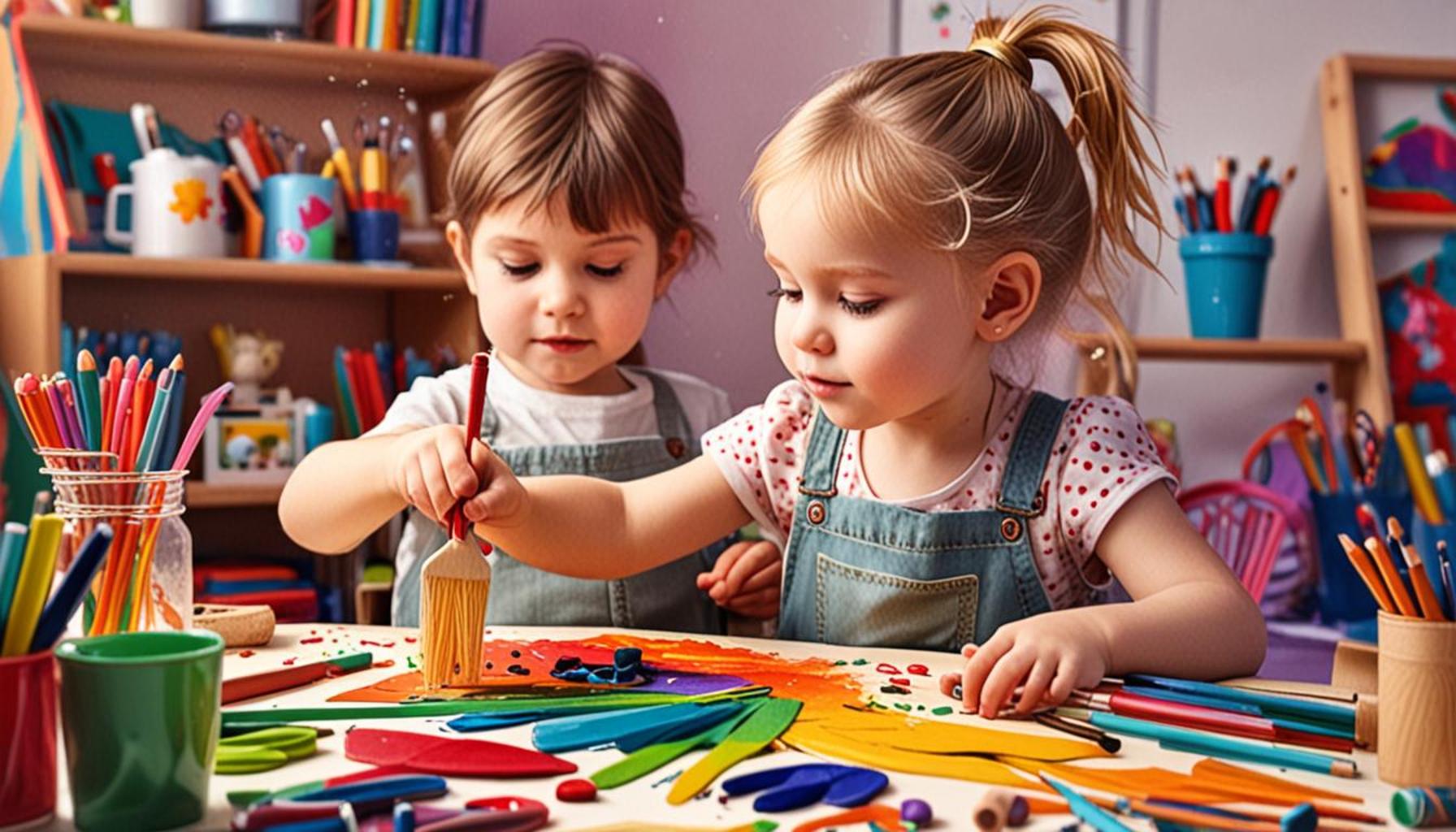
Unlocking Creativity through Craft Skills
In a world dominated by technology, the importance of hands-on creativity cannot be overstated. Craft skills provide children with unique opportunities to express themselves, develop problem-solving abilities, and enhance motor skills. Introducing craft activities at an early age can lead to a myriad of benefits for young minds.
Why Craft Skills Matter
Engaging in craft activities can ignite a child’s imagination and curiosity. Not only do these activities allow children to tap into their innate creativity, but they also offer numerous developmental advantages. Some key benefits include:
- Enhancing Fine Motor Skills: Activities like cutting, gluing, and painting help improve hand-eye coordination and dexterity. For instance, a child learning to use scissors while cutting paper helps strengthen their fingers, making tasks like writing and typing easier later on.
- Boosting Confidence: Completing a project provides a sense of accomplishment that can significantly enhance a child’s self-esteem. Whether it’s a painted canvas or a handmade holiday card, seeing a finished product gives children pride in their work and inspires them to tackle more challenging projects.
- Encouraging Critical Thinking: Making choices during crafting—the colors to use or how to assemble materials—nurtures problem-solving abilities. For example, a child who decides to build a birdhouse from recycled materials learns to consider structural integrity while also tapping into their imagination.
Various craft projects can be simple yet fulfilling, each offering unique lessons and experiences:
- Origami: This ancient art of paper folding not only promotes patience and precision but also enhances spatial awareness. Children who practice origami can learn difficult mathematical concepts such as fractions and geometry in a fun, hands-on way.
- Painting: Beyond simply putting colors on canvas, painting encourages emotional expression. When children paint, they can express their feelings, whether they are joyful, sad, or angry, which can lead to improved emotional intelligence as they learn to articulate their thoughts.
- DIY Craft Kits: These kits are excellent for fostering teamwork and collaboration when done in groups. Children learn important social skills such as sharing and discussing ideas, which are crucial for their future interactions, both academically and socially.
Research shows that children engaged in creative activities perform better academically and socially. Crafting not only enriches their developmental journey but also shapes their future as innovative thinkers. Even schools across the United States are recognizing this, integrating art-based programs into their curriculums to promote well-rounded education.
By fostering craft skills from an early age, parents and educators can create an environment where creativity flourishes and imaginations run wild. Simple interventions, such as organizing a family craft night or creating a dedicated craft space at home, can make a significant difference in nurturing a child’s creative abilities. This article delves deeper into effective strategies to cultivate these essential skills, encouraging parents to understand the long-lasting impacts of fostering creativity in their children.

EXPLORE MORE: Click here to dive deeper
Fostering Craft Skills: A Gateway to Creative Expression
As young children explore the world around them, engaging in craft activities not only serves as a form of entertainment but also as a fundamental building block for their cognitive and emotional development. Activities that may seem simple, such as drawing or assembling basic models, open the door to complex thought processes and imaginative play. These experiences not only make learning enjoyable but also instill a love for creativity that can last a lifetime.
The Role of Crafting in Early Education
Integrating craft skills into early education has become increasingly recognized for its transformative potential. Educators and parents alike note that children involved in crafting demonstrate greater overall engagement in their learning processes. Craft-related activities reinforce various educational concepts through active participation, allowing children to connect theoretical knowledge with practical skills. This hands-on approach is especially effective in reinforcing key developmental milestones.
Consider the following benefits of crafting within educational settings:
- Multi-Sensory Learning: Craft projects engage multiple senses, giving children the opportunity to see, touch, and even smell different materials. This multi-sensory approach aids memory retention and encourages a deeper connection with the learned concepts.
- Creativity and Innovation: Crafting encourages children to think outside the box. When faced with limited materials, children often show remarkable ingenuity, learning to create something unique from what they have. This nurturing of innovation is essential in a constantly evolving world.
- Emotional Resilience: The trial-and-error nature of crafting, where not every effort leads to success, teaches children resilience and perseverance. They learn to cope with disappointment and celebrate successes, building emotional intelligence that benefits their overall growth.
With national awareness growing around the importance of integrating creativity into early childhood education, many schools have adopted innovative art-focused curricula. By fostering a culture that values creativity alongside academics, educators are setting the stage for children to become well-rounded individuals. More importantly, encouraging craft skills from a young age cultivates a generation of creative thinkers capable of tackling global challenges.
Parents play a crucial role in this development by providing resources and opportunities for creative exploration. Whether it’s through simple home activities or structured workshops, parental involvement can greatly enhance a child’s experience. Crafting at home can easily be adapted to fit family routines, making time for creativity without requiring significant resources.
Establishing a craft-friendly environment at home has numerous benefits. Families can initiate weekly craft sessions, where each member contributes unique ideas, encouraging collaboration and collective thinking. Such interactions not only allow for the development of craft skills but also strengthen family bonds, further enriching the child’s creative journey.
As we delve deeper into the myriad ways parents and educators can promote craft skills, the aim remains clear: to unleash the creative potential that resides within each child, equipping them with the tools they need for a successful future.
| Advantage | Description |
|---|---|
| Enhanced Problem-Solving Skills | Crafting encourages children to think critically and creatively. They learn how to approach challenges from various angles while expressing their unique ideas through art. |
| Improvement in Fine Motor Skills | Engaging in crafts helps children develop dexterity and coordination. Activities like cutting, gluing, and assembling require precision, positively impacting their hand-eye coordination. |
Exploring these advantages demonstrates how crafting not only nurtures creativity but also equips children with essential skills for their ongoing development. For instance, by tackling creative projects, kids begin to understand the importance of patience and perseverance as they refine their techniques. Moreover, crafting can serve as a gateway to collaboration. By working together on a project, children learn teamwork and communication. They discover the value of sharing ideas and resources, fostering social skills that are crucial for their future interactions. As parents and educators focus on exposing children to various crafting techniques, including painting and sculpting, they open the door to a world of imaginative possibilities. This engagement is not merely about the end product but the enriching experience along the way. Ultimately, crafting lays the foundation for children to become innovative thinkers and problem-solvers in an increasingly complex world.
DISCOVER MORE: Click here to dive deeper
Encouraging Craft Skills Through Community Engagement
While the home and classroom serve as foundational environments for fostering craft skills, community engagement provides valuable opportunities for children to broaden their creative horizons. Local workshops, art fairs, and community centers often offer programs designed specifically to nurture young artists. By participating in these activities, children can gain exposure to a wider array of techniques and materials that might not be available at home or in school settings.
The Importance of Diverse Experiences
Emphasizing diversity in crafting experiences can significantly enhance a child’s ability to innovate. For instance, a pottery class can introduce children to the tactile and sensory aspects of working with clay, while a fabric arts workshop might delve into sewing and textile manipulation. Each setting allows for cross-pollination of ideas and skills.
Additionally, engaging children in such community programs can foster a sense of belonging and collaboration. Not only do they learn from instructors but also from their peers, developing their interpersonal skills in the process. Research indicates that children who collaborate on craft projects show improved decision-making and problem-solving capabilities, skills increasingly essential in the modern-day workforce.
Leveraging Technology for Craft Skills
In the digital age, technology can also play a pivotal role in developing craft skills for children. Online platforms and mobile applications offer tutorials and crafting ideas that can inspire young creators. For example, websites like YouTube feature numerous craft channels dedicated to children, providing step-by-step instructions for various projects. This adds another layer of engagement as children can learn at their own pace and explore their creativity in a guided manner.
Moreover, incorporating digital tools such as 3D modeling software encourages children to bring their imaginative concepts to life in uniquely artistic ways. Those interested in graphic design can hone their skills using programs like Adobe Illustrator or Canva, which allow for the blending of traditional craft skills with modern technology.
Building Lifelong Skills Through Collaboration
Collaboration remains a key theme in fostering craft skills. Group crafting projects or community art installations can enhance children’s teamwork abilities and foster a sense of accountability. For instance, community mural projects empower children to contribute individual artistic elements to a larger collective work, thus teaching them the value of contribution in a shared creative journey.
Such collaborative efforts extend beyond the artistic realm. According to a study published by the National Endowment for the Arts, participating in arts-based group activities fosters vital skills including communication, cooperation, and leadership. These experiences tie back to the educational importance of crafts—not just as an avenue for personal expression but as a pathway towards developing the versatile skills necessary in a competitive job market.
Crafting as a Form of Cultural Exploration
Crafting also provides a unique opportunity for children to engage in cultural exploration. Learning traditional crafting techniques from various cultures promotes awareness and appreciation of diversity. Workshops that focus on indigenous crafts or heirloom techniques can help cultivate respect for different histories and traditions, building a well-rounded perspective on the world.
As crafting transcends mere skill-building, it can become a medium for cultural dialogue, storytelling, and identity. Children who learn the significance behind certain crafts are more likely to forge meaningful connections with their heritage, laying the groundwork for a future generation that values inclusivity and creativity.
DISCOVER MORE: Click here to learn about the power of music on well-being
Conclusion
In conclusion, developing craft skills for children goes far beyond the mere creation of tangible items; it serves as a crucial gateway to nurturing innate creativity, individual identity, and cultural awareness. Engaging children in hands-on activities allows them to explore their imagination while building essential skills like problem-solving, collaboration, and communication. By utilizing community resources such as workshops and art fairs, children can encounter diverse crafting experiences that enrich their artistic journey and foster a sense of belonging. Moreover, technology offers an innovative avenue for creative exploration, with numerous online resources that cater to different skill levels and interests.
As parents, educators, and community members, there lies a shared responsibility to encourage a crafting culture that embraces inclusivity and variety, ensuring that children have access to the tools and environments necessary for their creative expression. Emphasizing the importance of collaboration and cultural exploration within craft activities not only hones technical skills but also helps cultivate a deeper understanding of the world’s rich tapestry. By investing in children’s craft education at a young age, we pave the way for a new generation of thinkers, creators, and innovators who will contribute positively to our society. Ultimately, the long-term benefits of fostering creativity from an early age will resonate through the arts, education, and beyond, shaping not just individual lives but the community as a whole.
Related posts:
The Art of Upcycling: Transforming Everyday Items into Unique Craft Projects
Innovations in Handicrafts: Tools and Materials That Are Changing the Way of Creating
Intergenerational Craftsmanship: Sharing Skills Between Generations
Community-Based Craftsmanship: Strengthening Local Bonds Through Creativity
Craftsmanship and Minimalism: How to Create Beauty with Less
Virtual Craft Workshops: Connecting Creatives in Times of Distancing

Linda Carter is a writer and creative hobbies expert specializing in crafting, DIY projects, and artistic exploration. With extensive experience helping individuals discover their creative potential and bring their ideas to life, Linda shares her knowledge on our platform. Her goal is to empower readers with practical tips, inspiring ideas, and step-by-step strategies for success in the world of creative hobbies.