The Importance of Handicrafts in Stress Reduction and Boosting Creativity
Understanding the Therapeutic Benefits of Handicrafts
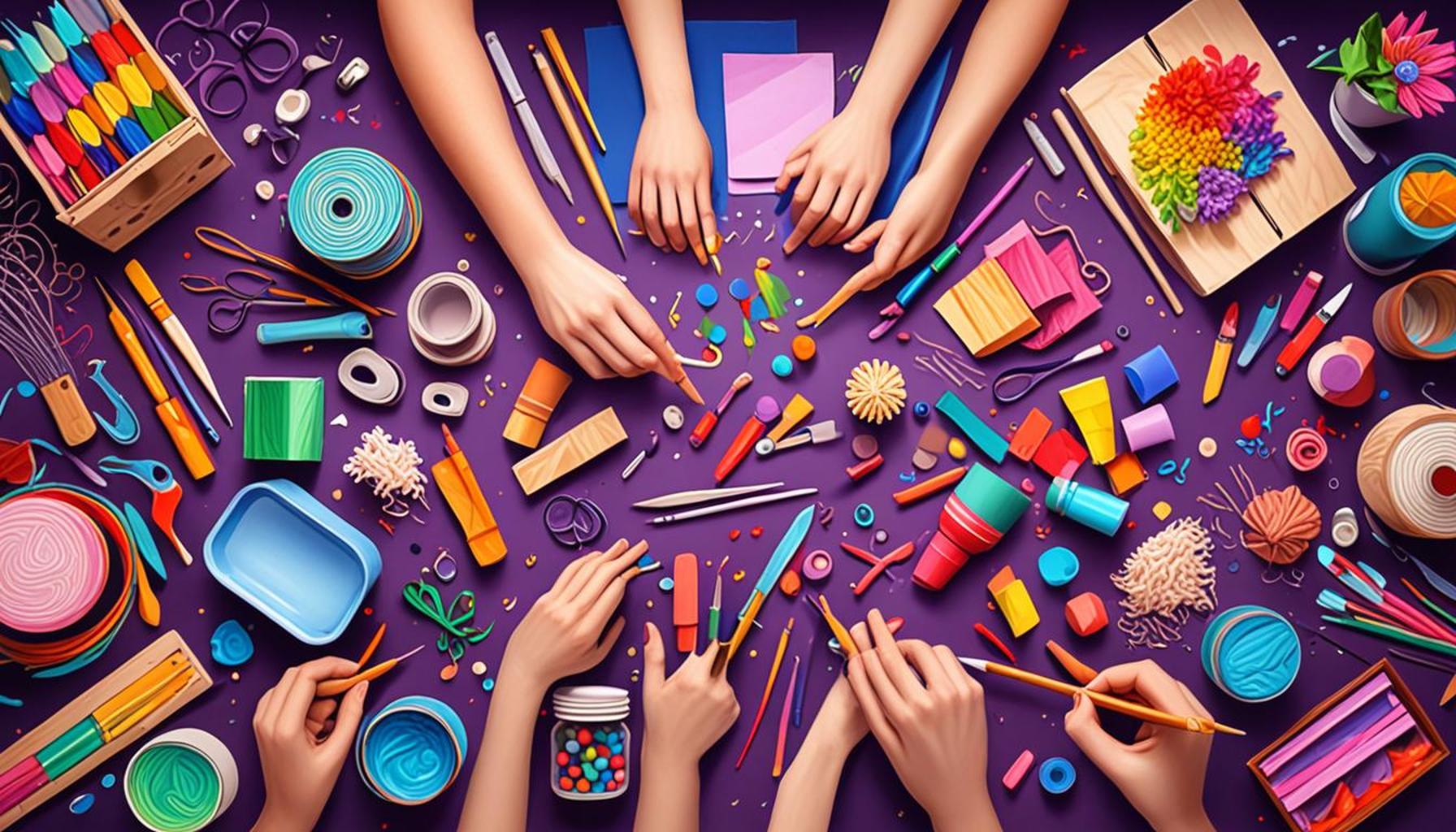
In today’s fast-moving world, moments of serenity can often feel elusive. Engaging in handicrafts not only provides a creative outlet but also serves as a mental health boon. The tactile nature of crafting creates a potent remedy for the incessant waves of stress encountered daily, promoting a sense of accomplishment that can be deeply satisfying.
Stress Reduction
Research underscores the positive impact of crafting on stress levels. Activities such as pottery, knitting, or woodworking demand concentration and physical engagement, allowing the mind to escape from anxiety-inducing thoughts. For example, a study conducted by the American Journal of Public Health found that participants involved in creative activities reported diminished stress and improved emotional resilience. This is particularly crucial in contemporary society, where people juggle multiple responsibilities and face pressures from work and social obligations.
Enhanced Focus
The repetitive tasks often found in handicrafting can guide individuals into a flow state, similar to meditation. For instance, those who enjoy crocheting often find that the rhythmic motion of their hands quiets their racing thoughts, sharpening their focus on the task at hand. This mental clarity can spill over into other areas of life, enhancing productivity and concentration. Activities like painting, where one mixes colors or follows patterns, also foster a heightened sense of presence, making you more attuned to your surroundings.
Boosted Creativity
Handicrafts inherently stimulate creativity by encouraging individuals to think outside conventional norms. When working on a project, crafters often experiment with different materials, techniques, and color combinations. For example, someone might transform an old piece of furniture into a chic artistic statement with a fresh coat of paint and new upholstery. This liberty to innovate not only enhances problem-solving skills but also nurtures a mindset of curiosity and exploration.
Social Connections
Moreover, the crafting community is rich with opportunities for social interaction. Many individuals engage in local crafting clubs or online forums, where they share ideas and techniques. This sense of belonging can counter feelings of isolation and loneliness, overtaking the digital distractions that often sever genuine connections. By participating in workshops or community events, crafters further foster friendships over shared interests, enriching their social lives.

Ultimately, the world of handicrafts holds immense potential to transform how individuals manage stress and nurture creativity. By actively making space for these activities in our routines, we can discover not only joy in the crafting process but also contribute positively to our mental health. Whether you’re a seasoned artisan or a curious beginner, the art of making something with your hands is a journey worth exploring for a happier, more fulfilled life.
EXPLORE MORE: Click here to unlock the power of daily writing
Exploring Stress Relief through Handicrafts
The process of engaging in handicrafts serves as an effective way to combat stress and anxiety, providing much-needed relief in a world filled with constant distractions and pressures. One of the fundamental reasons handicrafts are beneficial is due to their ability to shift focus from stressors to the act of creating. When individuals immerse themselves in activities such as knitting, painting, or crafting, they carve out a sanctuary of calm amidst the chaos of daily life.
The Science Behind Crafting and Stress Relief
A plethora of studies support the notion that crafting can significantly lower cortisol levels, the hormone linked to stress. Research published in the Journal of Neuropsychosomatic Medicine indicates that immersing oneself in a creative endeavor can produce psychological benefits similar to those experienced during meditation. This correlation suggests that the rhythmic motion of crafting, alongside focused attention, may help in promoting relaxation and mental clarity.
Physical Engagement and Its Benefits
Moreover, the physical engagement required in many handicrafts offers an opportunity for mindfulness. Activities like pottery or woodworking demand full concentration on the materials being shaped and manipulated. This kind of focused engagement can be understood better through the concept of “mindful making,” where individuals consciously notice every detail of their creative process, thus anchoring them to the present moment. By focusing on the sensory experience— the feel of clay, the sound of fabric weaving, or the sight of bright paint being applied—crafters can drown out the noise of external pressures.
Handicrafts and Adaptive Coping Mechanisms
For many, taking on a handicraft hobby serves as an adaptive coping mechanism. It allows individuals to redirect their thoughts and energy, resulting in a feeling of accomplishment and satisfaction once a project is completed. Here are a few key benefits of incorporating handicrafts into one’s life as a means of stress reduction:
- Enhanced Focus: The detailed nature of crafts can help improve concentration and reduce mind-wandering.
- Increased Mindfulness: Crafting encourages you to be present in the moment, reducing anxiety over future uncertainties.
- Sense of Achievement: Completing a project can foster a sense of pride, boosting overall mental health.
- Physical Relaxation: Repetitive actions can have a soothing effect, often resulting in decreased muscle tension.
Crafting can also become a personal ritual, offering a structured way to unwind after a busy day. Whether it’s a few minutes spent with yarn or hours dedicated to building a model, the time invested in handicrafts can provide an effective escape, allowing individuals to momentarily set aside their worries.
A Bridge to Creativity
The act of creating through handicrafts extends beyond mere relaxation. As stress diminishes, so does the mental clutter that may inhibit creativity. This symbiotic relationship between crafting and creativity prompts individuals to experiment, innovate, and design free from the constraints of everyday life. Those who engage in handicrafts often find themselves not only alleviating stress but also unlocking hidden potentials and inspiring future creative endeavors.
The Therapeutic Benefits of Handicrafts
Engaging in handicrafts can provide substantial therapeutic benefits, particularly in the realms of stress reduction and enhancing creativity. The simple act of creating something with your hands can lead to a profound sense of accomplishment and tranquility.
Handicrafts as a Form of Mindfulness
When individuals dedicate time to practices such as knitting, woodworking, or pottery, they often find themselves immersed in the activity. This state of immersion or flow is akin to mindfulness, where the focus shifts away from daily stressors and anxiety. Studies suggest that this engagement can activate the brain’s reward system, releasing dopamine and promoting feelings of happiness.
Boosting Creativity through Techniques and Materials
Handicrafts also serve as a rich platform for exercising creativity. By experimenting with various techniques and materials, individuals not only develop their skills but also discover new ways of expression. This exploration can lead to heightened creativity, serving as an outlet for emotions and thoughts that may be difficult to articulate otherwise.
| Category | Description |
|---|---|
| Stress Reduction | Engaging in handicrafts provides an escape from daily stress, offering a therapeutic, soothing experience. |
| Enhanced Creativity | Practicing handicrafts allows individuals to explore their imagination, letting them create unique designs and solutions. |
The Social Aspects of Handicrafts
Furthermore, participating in handicrafts can foster social connections, particularly when undertaken in group settings or workshops. These gatherings not only allow for the sharing of skills and techniques but also build a supportive community. When individuals come together to create, they share experiences, which can significantly enhance emotional well-being and contribute to feelings of belonging.
Adopting Handicrafts into Daily Life
Integrating handicrafts into daily routines can be as simple as dedicating a few minutes each day to a craft project. Setting aside time to engage in these activities empowers individuals and can lead to lasting stress relief and creative breakthroughs. As more people discover the benefits of handicrafts, it becomes clear that practical creativity is not just a pastime; it is a powerful tool for enhancing overall well-being.
DISCOVER MORE: Click here to learn about the impact of abstract art on self-expression
The Creative Surge: Handicrafts as a Catalyst for Innovation
Handicrafts are not solely a method of relieving stress; they also provide a fertile ground for boosting creativity and fostering innovative thinking. When individuals engage in crafts like weaving, sewing, or sculpting, they explore new materials and techniques, often resulting in unexpected forms of artistic expression. This exploration enables not only the development of fine motor skills but also stimulates cognitive functions crucial for creative problem solving.
Unlocking Creativity through Hands-On Engagement
The tactile nature of handicrafts inherently inspires creativity. As individuals work with their hands, they are encouraged to think outside the box and experiment with various elements. A study by Dr. Jennifer Aaker of Stanford University highlights how engaging in creative pursuits, such as crafting, can lead to an increase in abstract thinking and innovation. As crafting often involves trial and error, it naturally fosters a mindset that embraces mistakes as part of the learning journey. This approach not only nurtures confidence but also encourages individuals to see challenges as opportunities for creative breakthroughs.
Community and Collaboration Fueling Creativity
Crafting can also be a collaborative affair. Many individuals participate in local craft groups or online communities where they share ideas, techniques, and projects. This sense of collaboration can ignite inspiration, with participants learning from each other’s unique perspectives and experiences. Groups like Ravelry for knitters or Blogger’s Choice for scrapbook enthusiasts create platforms for sharing creativity, resulting in a vibrant community that thrives on innovation. The camaraderie found in these settings also serves to further reduce stress, as a sense of belonging and shared purpose becomes cultivated.
Handicrafts in Educational Settings
The positive correlation between handicrafts and creativity is increasingly being recognized in educational environments. Schools across the United States are integrating arts and crafts into the curriculum, understanding that such activities contribute to overall cognitive development. For example, educational organizations are implementing crafting opportunities to teach subjects like mathematics and science through hands-on learning and practical applications. This creative infusion not only makes learning enjoyable but also enhances critical thinking skills among students—developing a sense of curiosity that extends beyond the classroom.
Benefits to Mental Health and Emotional Well-being
Furthermore, the act of creating can yield profound emotional benefits. Engaging in handiwork allows for self-expression, offering individuals the chance to convey feelings that might be difficult to articulate through words. A personal creation can bring about a deeper understanding of one’s emotions, leading to improved emotional resilience. Studies indicate that those who regularly engage in crafts are less likely to experience feelings of isolation and depression, linking the act of creation to enhanced overall mental health.
In an age where digital distractions dominate daily routines, turning to handicrafts provides a refreshing escape into the physical world. The act of creating not only fosters a sense of accomplishment but also ignites a level of creativity that can extend into various aspects of life—from professional endeavors to personal relationships. In this way, handicrafts become more than just a pastime; they evolve into a valued resource for stress reduction and a powerful enhancer of creativity.
DISCOVER MORE: Click here to learn about the impact of music on well-being
Embracing Handicrafts: A Path to Wellness and Innovation
In summary, the significance of handicrafts in promoting mental well-being and enhancing creativity cannot be understated. By engaging in various crafting activities, individuals not only find solace from daily stressors but also unlock their creative potential. The tactile experience of creating with one’s hands fosters a deep connection to one’s emotions, leading to improved mental health and resilience. Furthermore, the collaborative nature of craft communities enriches the creative process, encouraging participants to share insights and learn from one another, thus broadening their artistic horizons.
Educational institutions are increasingly recognizing the transformative power of handicrafts, integrating these activities into their curricula to nurture critical thinking and problem-solving skills. This integration lays the foundation for future generations to appreciate the therapeutic benefits of creativity. It cultivates an enthusiasm for hands-on learning, inspiring students to explore their imaginations while developing essential life skills.
As we navigate an increasingly digital world, embracing the age-old practice of creating with one’s hands serves as a reminder of the joys found in simplicity and innovation. Whether it be through knitting, pottery, or woodworking, handicrafts have the potential to enrich our lives significantly. By actively engaging in these creative outlets, individuals can foster a healthier, more balanced lifestyle—one that invites joy, connection, and the satisfaction of personal expression. The journey through craft becomes a powerful tool for nurturing the mind and soul, affirming that the simple act of creation holds profound significance in enhancing both personal fulfillment and communal ties.
Related posts:
Trends in Sustainable Crafts: How to Use Recycled Materials in Creative Projects
The Art of Upcycling: Transforming Everyday Items into Unique Craft Projects
Developing a Personal Brand Through Crafting: Tips for Creative Entrepreneurs
Craft Skills Development Start Your Creative Journey Today
The importance of customization in craft projects: taking your creations to the next level
The Evolution of Crafting Skills: From Traditional to Contemporary

Linda Carter is a writer and creative hobbies expert specializing in crafting, DIY projects, and artistic exploration. With extensive experience helping individuals discover their creative potential and bring their ideas to life, Linda shares her knowledge on our platform. Her goal is to empower readers with practical tips, inspiring ideas, and step-by-step strategies for success in the world of creative hobbies.