Intergenerational Craftsmanship: Sharing Skills Between Generations
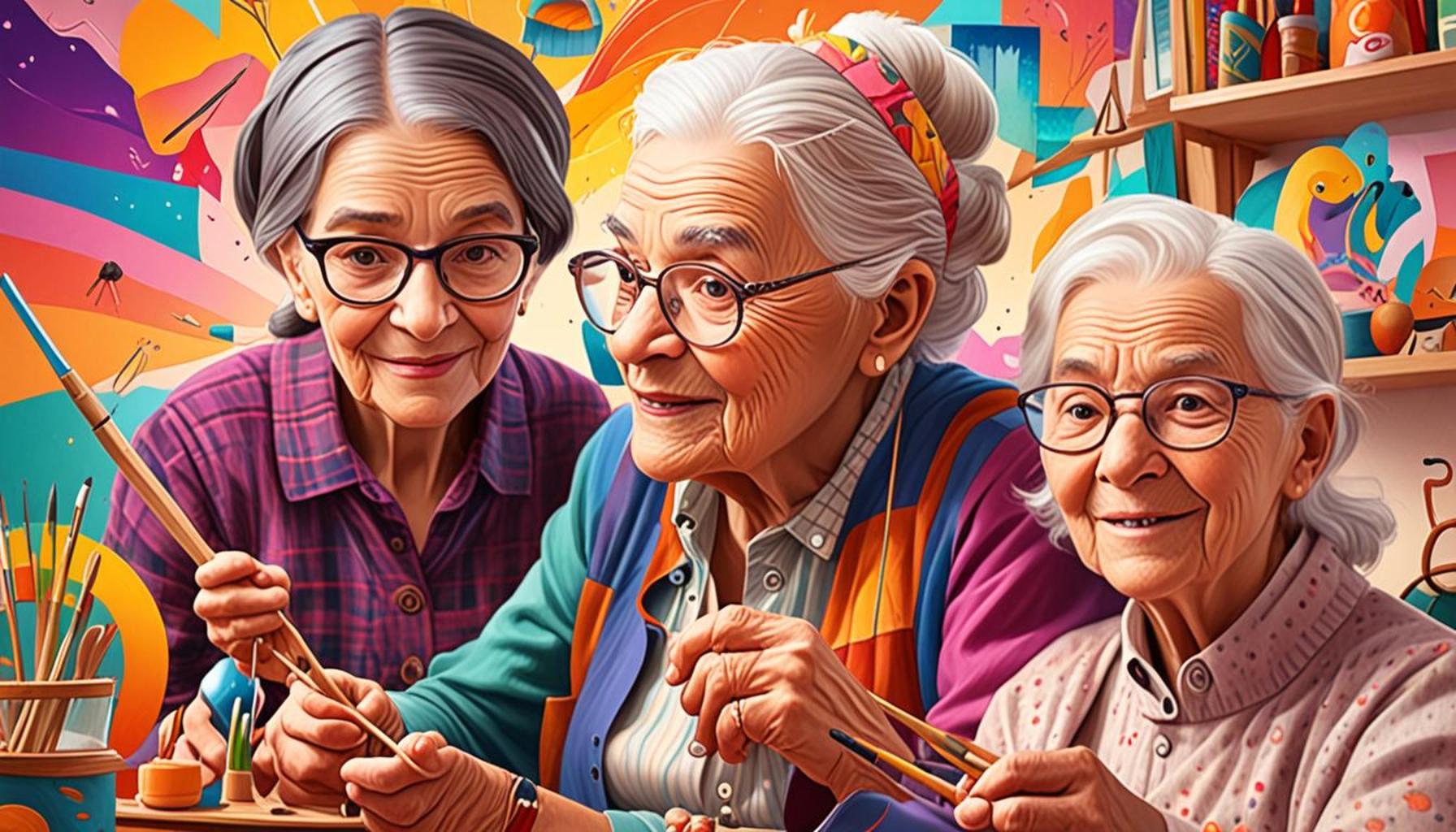
Reviving Craftsmanship Through Generational Bonds
As society races into an ever-evolving digital age, the delicate art of craftsmanship faces the danger of being overshadowed. Nonetheless, the spark of handcrafting and the enthusiasm for sharing skills still thrive within numerous communities. This renewed interest provides a profound opportunity to forge connections across generations, bridging the gap between age groups through the shared love of creating.
Intergenerational craftsmanship serves as a vital conduit for young individuals and seasoned artisans alike to unite, learn, and inspire one another. This collaborative dynamic offers several key benefits:
- Preservation of traditions: Engaging in age-old techniques ensures that cultural heritage remains vibrant and is not lost to time. For instance, in many Native American tribes, the practice of beadwork not only beautifies items but also tells stories that are integral to their identity.
- Skill development: Younger generations gain access to valuable skills that often don’t find a place in today’s formal education systems. A person who learns woodworking from a grandparent may find valuable skills that apply not only to crafting but also to problem-solving and critical thinking later in life.
- Strengthened relationships: Crafting together serves as an excellent way to bond while also fostering understanding between different generations. A shared project—whether it be knitting a sweater or building a birdhouse—creates moments of collaboration and shared accomplishment.
Across the United States, a growing network of artisans and hobbyists is embracing this movement. From intimate knitting circles in cozy living rooms of suburban homes to bustling woodworking workshops in community centers, the practice of sharing traditional skills is blossoming. These creative hubs attract diverse participants who seek to learn from each other, creating an environment where collaboration is celebrated and stories are exchanged.
Popular crafts that exemplify this generational exchange include:
- Quilting: An art form that often serves as a canvas for storytelling, quilting circles bring together generations to pass down patterns and personal histories stitched into fabric.
- Pottery: This time-honored craft not only enhances dexterity but also allows for personal expression through design and glazing techniques passed down through families.
- Woodworking: Teaching students how to shape raw materials into practical items encourages patience and creativity, fundamental traits that extend beyond the workshop.
- Knitting and crocheting: These seemingly simple crafts can yield complex patterns and textures, fostering not just tactile skills but also a warm sense of community.
As the younger generation delves into these rich practices, they rediscover invaluable lessons in patience, creativity, and perseverance. Such engagements not only honor the legacies of past artisans but also set the stage for a more skilled and collaborative future. By intertwining the old with the new, we create a tapestry of shared experiences that enriches individuals and communities alike.
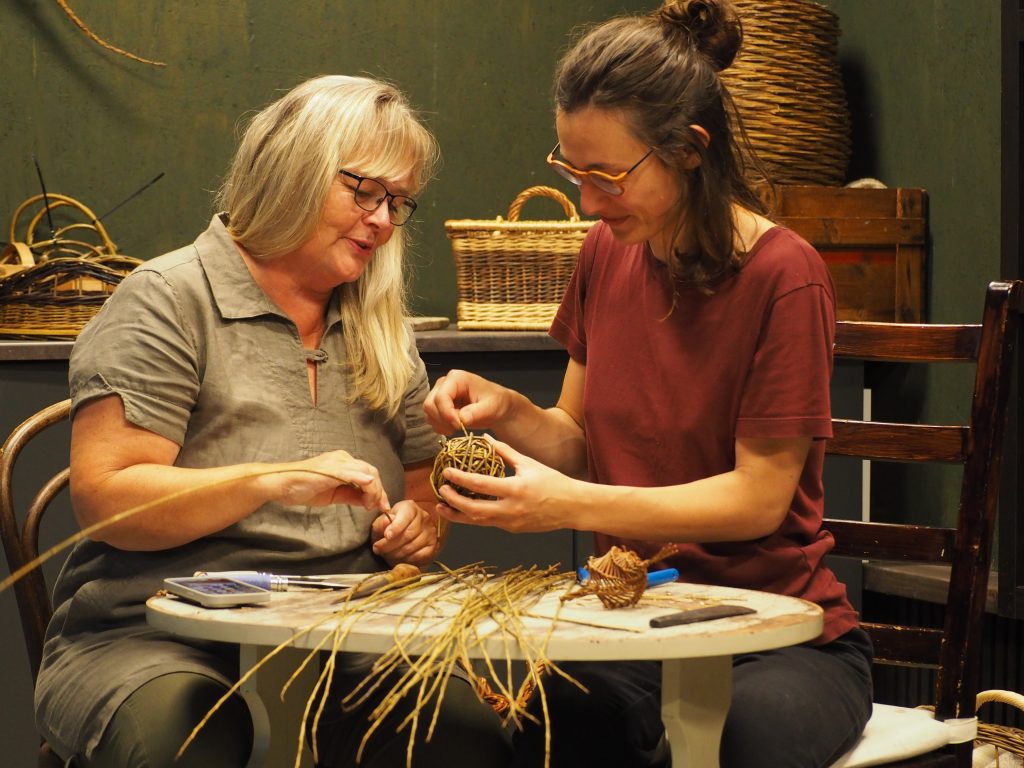
DIVE DEEPER: Click here to unlock new writing insights
The Benefits of Intergenerational Craftsmanship
Exploring the impact of intergenerational craftsmanship reveals not only the transfer of skill but also an enriching exchange of values and knowledge. By bringing together the wisdom of experienced artisans and the fresh perspectives of young learners, communities can foster a unique ecosystem where creativity flourishes. Collaboration becomes the cornerstone of this dynamic, leading to remarkable outcomes that reach beyond the craft itself.
One of the most profound benefits of sharing these skills across generations lies in the preservation of cultural heritage. Techniques that have been honed over decades, or even centuries, find new life as they are taught to younger enthusiasts. For example, the traditional art of rug weaving practiced by Indigenous peoples across the United States offers not just a hands-on skill but a narrative of identity and ancestry. As these textile patterns are passed from one generation to another, they serve as a living history, embedding personal stories within their intricate designs.
Furthermore, skill development expands far beyond mere crafting. Engaging in hands-on activities such as pottery, woodworking, or knitting cultivates essential life skills, such as patience, precision, and critical thinking. A young person who learns to carve intricate designs in wood not only appreciates the beauty of their creation but develops problem-solving abilities that can be applied in numerous areas of life. Such foundational skills can enhance their academic pursuits and future careers.
Additionally, these collaborative endeavors lead to strengthened relationships. Crafting together creates a space for dialogue, laughter, and shared successes. The experience is transformative, not only for the crafts being made but for the emotional bonds formed during the process. Imagine a grandfather teaching his granddaughter how to create a simple birdhouse. As they navigate the intricacies of measurement and assembly, they also exchange personal anecdotes, fostering a deeper understanding and respect for one another’s experiences.
Across America, community initiatives aimed at bridging generations through craftsmanship are gaining momentum. Programs and workshops focus on preserving endangered arts like traditional weaving or blacksmithing, emphasizing mentorship between older and younger participants. Local makerspaces, often equipped with tools for everything from leatherworking to 3D printing, provide environments where intergenerational collaboration can thrive. In these spaces, creativity knows no age limits, and participants discover the joy of crafting together.
In many municipalities, intergenerational craftsmanship has led to revitalization efforts that honor both past traditions and modern innovation. This movement not only enhances communal ties but also reinforces pride in local artistry. By participating in such initiatives, both young learners and seasoned artisans play crucial roles in shaping a vibrant future teeming with artistic expression.
As we delve deeper into this compelling intersection of skill-sharing and human connection, we uncover stories that highlight the transformative power of craftsmanship. Through these interactions, participants are not just crafting objects; they are weaving a profound tapestry of heritage, innovation, and collaboration.
| Advantages | Description |
|---|---|
| Enhanced Skill Development | Intergenerational crafts foster mastery of skills, as older generations pass on refined techniques to younger individuals, preserving valuable arts. |
| Cultural Preservation | By sharing skills, traditions are maintained, ensuring that unique methods and cultural heritage are not lost over time. |
| Strengthened Community Bonds | Participatory crafting activities create connections among diverse age groups, fostering a sense of community and mutual support. |
| Boosted Innovation | The collaboration of different generations inspires creativity, leading to innovative approaches and new ideas in traditional crafts. |
The theme of “Intergenerational Craftsmanship” emphasizes the importance of sharing skills between generations, paving the way for significant advantages that benefit individuals and communities alike. Engaging workshops and collaborative projects catalyze the transfer of knowledge, ensuring that the art of craftsmanship is enriched and revitalized. Through this shared learning experience, participants not only acquire new abilities but also cultivate a deeper appreciation for their cultural heritage.Incorporating intergenerational practices into *community programs* has proven to enhance social interaction and reduce isolation among older adults. Younger participants gain invaluable insights while developing patience, focus, and passion for craftsmanship that extends beyond mere hobbyist pursuits. By recognizing and embracing the value of these connections, society nurtures a legacy of creativity and collaboration for future generations.
DISCOVER MORE: Click here to get inspired with sustainable DIY projects
Bridging the Gap: Innovative Models of Intergenerational Craftsmanship
As the world becomes increasingly digital, the quest to preserve intergenerational craftsmanship gains urgency. Yet, embracing contemporary technologies does not mean abandoning traditional methods. Innovative models are emerging that blend both worlds, nurturing skills and knowledge across generations. For instance, some artisans are utilizing social media platforms to create tutorial videos that showcase their craft, inviting younger audiences to engage. This dual approach not only democratizes access to traditional skills but also adds a layer of creativity as new interpretations of age-old techniques surface.
Organizations focused on intergenerational skill-sharing are cropping up in various communities, acting as catalysts for change. In cities like Seattle, programs such as “Elders Share the Arts” connect local senior artisans with youth from diverse backgrounds. Together they engage in projects that reflect cultural storytelling, empowering the younger generation to take ownership of their heritage while learning valuable skills ranging from painting to ceramics. Participants often report high levels of satisfaction and personal growth, suggesting that such initiatives serve as effective tools for fostering community cohesion and resilience.
Catering to this trend, many educational institutions are increasingly recognizing the value of interdisciplinary learning. Programs that integrate conventional art education with mentorship from older generations help students develop artistic craftsmanship alongside academic skills. Schools in rural areas are particularly benefitting from these initiatives, as they often have access to seasoned artisans who can teach trades that might otherwise fade away. Particularly notable is the resurgence of traditional Appalachian crafts like quilting and basket weaving, where local artisans share techniques that not only preserve skill sets but also provide economic opportunities for younger individuals.
Additionally, the rise of pop-up workshops—temporary events that offer hands-on learning experiences—has created vibrant spaces for skill exchange. These workshops often take place in community centers and local parks, making it easier for diverse groups to come together. In New York, “The Craft of an Urban Neighborhood” initiative invites residents to engage in activities such as woodworking, metalworking, and textile arts with both retirees and young creatives. This setting not only facilitates skills sharing but also incubates budding friendships among participants, breaking down generational barriers and fostering a sense of belonging.
Furthermore, community-supported agriculture programs are leveraging craftsmanship by integrating artisanal practices into food production. These programs often host workshops where elders teach younger members how to cultivate heirloom plants or prepare traditional dishes, showcasing how culinary arts can serve as a medium for intergenerational learning. The continued revival of artisanal bread-making, for instance, sparks conversations around family recipes and the stories that accompany them, connecting generations through the lens of shared culinary heritage.
The potential of intergenerational craftsmanship to create lasting bonds and enhance community vitality is immense. As more communities embrace these innovative models, we witness a growing movement that reminds us that crafting is not just about the final product; it is also about the relationships built and the stories shared in the process. Stories that, much like the crafts themselves, have the ability to inspire and connect across generations.
DISCOVER MORE: Click here to unlock the secrets of customization
Conclusion: The Future of Intergenerational Craftsmanship
In conclusion, the resurgence of intergenerational craftsmanship is not merely a nostalgic craving for traditional skills, but a powerful movement aimed at nurturing community bonds and fostering resilience. As we’ve seen, innovative approaches such as social media tutorials, collaborative projects, and pop-up workshops are breaking down barriers and encouraging a vibrant exchange of knowledge between young and older generations. These initiatives are vital for preserving not only the skills themselves but the rich cultural narratives tied to them.
Moreover, organizations actively promoting skill-sharing play a crucial role in connecting diverse community members, emphasizing the importance of inclusivity and shared experiences. The benefits extend beyond individual satisfaction, as collaborative craftsmanship helps strengthen community ties, enhances social cohesion, and cultivates a deeper appreciation for heritage.
As educational institutions increasingly embrace interdisciplinary models, we are witnessing a shift toward holistic learning that values both artisanal expertise and academic pursuits. This evolution is especially poignant in rural areas, where seasoned artisans serve as crucial links to the past. The convergence of old techniques with modern creativity not only preserves traditions but inspires future generations to reinterpret them in exciting ways.
In embracing intergenerational craftsmanship, we invite a future rich with collaboration, connection, and creativity. The stories woven into each craft unite us, reminding us that while techniques may evolve, the essence of sharing skills and nurturing relationships remains timeless. As we move forward, let us encourage more inclusive spaces where these crafts can flourish, ensuring that the legacy of skill-sharing continues to enrich our communities.
Related posts:
Crafting as a Form of Empowerment: Stories of Creatives Who Transformed Their Lives Through Art
The importance of customization in craft projects: taking your creations to the next level
Innovations in Handicrafts: Tools and Materials That Are Changing the Way of Creating
Craftsmanship and Mental Health: How Creative Hobbies Can Help with Anxiety and Depression
Developing a Personal Brand Through Crafting: Tips for Creative Entrepreneurs
The Therapeutic Power of Crafting: How to Create Connections and Communities

Linda Carter is a writer and creative hobbies expert specializing in crafting, DIY projects, and artistic exploration. With extensive experience helping individuals discover their creative potential and bring their ideas to life, Linda shares her knowledge on our platform. Her goal is to empower readers with practical tips, inspiring ideas, and step-by-step strategies for success in the world of creative hobbies.