The Art of Upcycling: Transforming Everyday Items into Unique Craft Projects
Understanding Upcycling: A Sustainable Art Form
As the global conversation around sustainability continues to gain traction, upcycling has emerged as an innovative and imaginative approach to repurposing waste. This creative pursuit empowers individuals to breathe new life into discarded objects, transforming them into something not only useful but also artistic. By emphasizing environmental awareness and personal craftsmanship, upcycling invites anyone to participate in a more sustainable lifestyle.
The beauty of upcycling lies in its accessibility. Everyday items that many might consider trash can be reimagined in numerous ways. For example:
- Functional furniture: Old wooden pallets can be transformed into stylish coffee tables or rustic garden benches. With a little sandpaper and some paint or varnish, discarded pallets become stunning focal points in living spaces or outdoor areas.
- Stylish decor: Pieces of scrap metal or used wood can find a second life as wall art. Imagine a wooden frame crafted from old barn wood, adorned with photographs or paintings, adding a touch of personality to home interiors.
- Practical accessories: T-shirts that no longer fit or are worn out can be skillfully converted into trendy tote bags. This not only reduces textile waste but also allows for custom designs that reflect personal flair.
Such transformations do more than just prevent waste; they enhance individual creativity, enabling people to express their unique style. Often, the thrill of discovering the potential in what others deem useless is a gratifying experience. With a myriad of upcycling tutorials available online, the possibilities seem endless. Various materials can be transformed into:
- Home goods: Glass jars become chic spice holders or decorative storage solutions, infusing kitchens with a rustic charm.
- Fashion statements: With some ingenuity, an old denim jacket can be turned into a fashionable statement piece, while jewelry fashioned from vintage keys offers a nostalgic shout-out to the past.
- Garden projects: Rubber tires and wooden crates can be repurposed into vibrant planters, elevating outdoor spaces and providing unique botanical displays.
Engaging in the art of upcycling not only revitalizes objects but also fosters a mindset conducive to sustainability. By creatively dismantling and reconstructing, people are not only honing new skills but also inspiring others to consider the impact of waste. The rewarding process encourages a community of innovators dedicated to reducing consumption and creating personalized, eco-friendly solutions.
As you consider diving into the world of upcycling, be prepared for a journey that combines creativity, environmental stewardship, and personal expression. Whether you embark on small projects at home or larger endeavors, you may find that the art of upcycling nourishes both the planet and your creative spirit.
DIVE DEEPER: Click here to discover more about music’s impact on well-being
Unleashing Creativity: The Many Facets of Upcycling
The art of upcycling is not just a trend; it is a movement that fosters creativity while championing sustainability. As we explore the various facets of this unique craft, it becomes clear that upcycling is limited only by one’s imagination. This process encourages individuals to view the world through a different lens, sparking innovative ideas for projects that can enhance both their living spaces and everyday life.
At its core, upcycling invites a hands-on approach where individuals can infuse their personal style into projects that stand out. Many find motivation from the stories behind the items they choose to repurpose. Whether it’s an old wooden chair inherited from a grandparent or vintage fabric found at a local flea market, each piece often carries sentimental value, infusing projects with a deeper meaning.
Before diving into the actual transformation, it’s essential to gather materials and plan projects that resonate with both personal taste and environmental consciousness. Common items to explore for upcycling include:
- Glassware: From jars to bottles, glass can be easily repurposed into candle holders, vases, or even decorative terrariums.
- Furniture: Older furniture can often use a facelift. Sanding, painting, or reupholstering can rejuvenate these pieces and fit them into modern aesthetics.
- Textiles: Leftover fabric from previous projects or clothing can be fashioned into quilts, pillows, or even wall hangings.
- Plastic containers: Used plastic can serve as planters or storage solutions, offering both sustainability and utility.
As you embark on your upcycling journey, understanding the various techniques employed in this process can also enhance your projects. Numerous methods exist, allowing for personalized creativity while ensuring that the project remains eco-friendly. Here are some popular techniques:
- Painting and Finishing: A fresh coat of paint can completely transform an item, making it look modern and fresh, while finishes like wax or varnish can add durability.
- Fabric Manipulation: Techniques such as sewing, knotting, or weaving can breathe new life into textiles, creating items that are not only beautiful but also functional.
- Assembly and Construction: Combining multiple materials or objects can lead to unique new creations, such as furniture made from upcycled parts or wall installations that tell a story.
Incorporating these techniques into everyday projects not only highlights the potential of items but also cultivates skills that can be transferrable across various realms of crafting. With an abundance of resources like online tutorials and community workshops, gaining inspiration and learning the ropes of upcycling has never been easier. Social media platforms are particularly rich environments for sharing ideas and discovering new methods.
As the art of upcycling continues to grow in popularity, the community surrounding it thrives, filled with makers eager to inspire and be inspired. Whether crafting for personal satisfaction, environmental responsibility, or even small business ventures, the essence of upcycling remains the same: transforming the ordinary into the extraordinary. Imagine wrapping your living space or wardrobe in bespoke items that carry the story of their past. Through upcycling, every piece is a canvas; every creation tells a story.
| Advantages | Impact |
|---|---|
| Environmental Benefits | Reduce waste by giving new life to discarded items, thereby contributing to sustainability. |
| Cost Savings | Save money by repurposing items you already own instead of purchasing new materials. |
| Creative Expression | Unleash your creativity by transforming ordinary objects into unique art pieces that showcase your personal style. |
| Community Building | Foster connections through workshops and sharing ideas, enhancing social bonds and local creativity. |
The theme of upcycling not only allows individuals to engage in practical projects but also promotes a forward-thinking attitude towards consumption and waste. By repurposing everyday items, one can create stunning crafts while fostering a sense of community and shared purpose. Whether you’re using old fabric to make pillows or turning glass jars into decorative lamps, the possibilities are limitless. Each project can serve as a conversation starter, inspiring others to think creatively about their waste and resources.Incorporating upcycling into your lifestyle not only enhances your surroundings but also contributes meaningfully to a reduction in landfill waste. Start small with items around your home, and gradually explore more complex projects. As you dive into the transformative world of upcycling, you will likely discover a newfound appreciation for the creativity that lies within everyday objects.
DISCOVER MORE: Click here to learn about the evolution of digital platforms
Practical Projects: Transforming the Mundane into Masterpieces
As the upcycling movement continues to capture the imagination of many, it is essential to spotlight some standout projects that illustrate the incredible potential of ordinary items. By embracing creativity and resourcefulness, upcycling enthusiasts turn the mundane into true works of art. Below are some eye-catching ideas that not only serve a purpose but also add flair to any space.
Mason Jar Marvels: Mason jars have become a staple in the DIY community due to their versatility. With a little imagination, they can be repurposed into stunning decorative items. For example, transform a jar into a beautiful luminary by inserting fairy lights or tealight candles. Choose paint or twine for added aesthetics, or layer sand and shells to create coastal-themed centerpieces. Not only do these projects beautify a home, but they also promote reuse, preventing waste from entering landfills.
Furniture Facelifts: Upcycling furniture is one of the most gratifying projects for both novice and adept crafters. Items such as old dressers or tables can be revitalized with various techniques. For instance, consider painting a dresser in a bold color and replacing the handles with vintage knobs, creating a fresh focal point in a bedroom or entryway. If you’re feeling adventurous, you can decoupage the surface with patterned paper for a unique look. By adding cushions and upholstery to chairs or benches, you can convert them into iconic statement pieces that enhance any room.
Textile Transformations: Repurposing older textiles is a fantastic way to bring personality and comfort to your space. A skilled crafter can sew old t-shirts into trendy tote bags or patchwork quilts, utilizing every scrap to create something functional and beautiful. Additionally, consider using burlap sacks or denim for rustic wall hangings, giving new life to items that might otherwise end up discarded. The revitalization of textiles fosters an eco-friendly approach while celebrating personal history and style.
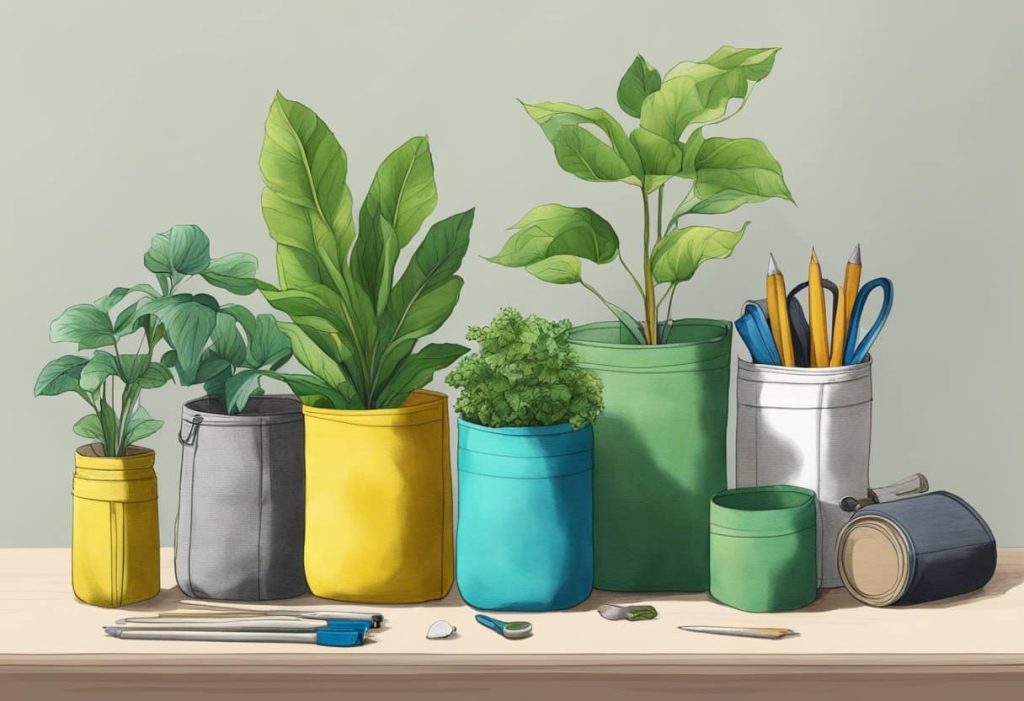
Planter Projects: Upcycling items into planters adds a green touch to your décor while promoting sustainable living. Unique planter ideas can include using old teacups, boots, or wooden crates. Each of these items introduces a rustic charm to home gardens or indoor spaces. For instance, drilling a few holes in the bottom of an old tin can or a wooden crate ensures proper drainage and air circulation for plants. The result is a visually striking and eco-friendly way to bring life into any environment.
The social aspect of upcycling must not be overlooked. Engaging with community workshops or local crafting groups can inspire new projects and cultivate collaboration. Many cities in the U.S. have thriving maker spaces where individuals can learn skills ranging from woodworking to textile art, all while sharing resources and experiences. This sense of community enriches the crafting journey, showcasing the importance of working together to promote sustainable practices.
As upcycling continues to gain traction, various online platforms serve as invaluable resources for both inspiration and guidance. Websites like Pinterest and Instagram generate a wealth of project ideas and visuals, helping individuals discover the transformative power of creativity. With search terms focused on “upcycling,” crafters can dive into in-depth tutorials or connect with like-minded individuals. Moreover, many bloggers and vloggers dedicate their content to eco-friendly crafting, providing tips and tricks that make upcycling accessible to all.
Ultimately, the beauty of upcycling lies in its limitless possibilities. As individuals explore their creative instincts and step into the realm of crafting, they find satisfaction and purpose in transforming everyday items into exceptional pieces. This innovative practice not only nourishes individual creativity but also contributes to the collective effort of reducing waste and promoting sustainability. The world of upcycling invites all to join in this wonderful journey—where imagination meets environmental consciousness.
DIVE DEEPER: Click here to learn more
Conclusion: Embracing Creativity and Sustainability through Upcycling
In a world increasingly aware of environmental challenges, upcycling stands out as a beacon of creativity and sustainability. By transforming everyday items into unique craft projects, individuals not only breathe new life into discarded materials but also cultivate a deeper appreciation for the objects around them. The possibilities are truly endless, from revamping old furniture to crafting charming decorative pieces from recyclable materials.
As we navigate through a culture often dominated by disposability, the rise of upcycling serves as a refreshing reminder of the value in resourcefulness. Engaging in this art form allows each of us to tap into our creativity, fostering a sense of accomplishment that extends beyond mere aesthetics. Community workshops and local maker spaces further amplify this movement, creating networks of support and inspiration for aspiring crafters. Platforms like Instagram and Pinterest not only provide a treasury of ideas but also connect like-minded individuals who share a passion for sustainable living.
Ultimately, the journey of upcycling is not just about crafting; it’s about nurturing a mindset that prioritizes sustainability and innovation. As you embark on your own upcycling adventures, remember that every repurposed item tells a story and contributes to a more sustainable future. So gather your supplies, ignite your imagination, and join the movement that celebrates the beauty of transformation. Your next masterpiece awaits!
Related posts:
Developing a Personal Brand Through Crafting: Tips for Creative Entrepreneurs
The Evolution of Crafting Skills: From Traditional to Contemporary
How to Develop Crafting Skills for Beginners: Essential Tips and Techniques
Exploring Craft Techniques: Transforming Common Materials into Masterpieces
Craftsmanship and Minimalism: How to Create Beauty with Less
Unlocking Personal Expression and Mental Wellness Through Crafting

Linda Carter is a writer and creative hobbies expert specializing in crafting, DIY projects, and artistic exploration. With extensive experience helping individuals discover their creative potential and bring their ideas to life, Linda shares her knowledge on our platform. Her goal is to empower readers with practical tips, inspiring ideas, and step-by-step strategies for success in the world of creative hobbies.