DIY Aromatherapy: Creating Homemade Candles and Diffusers with Natural Fragrances
Discover the World of DIY Aromatherapy
Creating a soothing atmosphere at home doesn’t have to be a complicated endeavor. With DIY aromatherapy, you can harness the power of scents using simple, natural ingredients. This guide will introduce you to the delightful process of making your own homemade candles and diffusers. These handcrafted items can effortlessly elevate your living spaces, making them feel warm and inviting.
Why Choose DIY Aromatherapy?
Engaging in DIY aromatherapy offers multiple benefits that cater to both your senses and your wallet:
- Personalization: One of the most appealing aspects of DIY aromatherapy is the ability to tailor scents to match your mood or occasion. For instance, a calming lavender fragrance can help you unwind after a long day, while a zesty citrus blend can invigorate your spirits during a morning routine.
- Cost-Effective: Creating your own aromatic products at home can significantly reduce costs compared to purchasing expensive commercial brands. Quality essential oils and materials can be sourced at reasonable prices, allowing you to enjoy a spa-like experience without breaking the bank.
- Natural Ingredients: Using pure essential oils and natural waxes is not only better for your health but also beneficial for the environment. By avoiding synthetic fragrances and chemicals, you contribute to a healthier indoor air quality for you and your family.
As you embark on this aromatic journey, explore various natural fragrances—think lavender for relaxation, eucalyptus for respiratory support, or citrus blends for an uplifting atmosphere. Such scents not only invigorate your senses but also provide therapeutic properties that enhance relaxation and overall wellness.
What You’ll Learn
This article will guide you through:
- Essential materials needed for crafting candles and diffusers. Common supplies include soy or beeswax for candles and carrier oils for diffusers.
- Step-by-step instructions for each project, ensuring that you feel confident as you create your customized aromatic products.
- Safety tips and best practices for working with essential oils. Understanding the proper dilution and storage methods is crucial for maximizing safety and effectiveness when using these potent natural extracts.
Ready to embark on a sensory adventure? Dive into the world of DIY aromatherapy and unleash your creativity while enjoying the calming benefits of homemade fragrances. Consider making a mental note of your favorite scents as you create, and don’t hesitate to experiment with different blends until you find what resonates best with you. Each candle lit and diffuser running will not only enhance your home but also provide an enriching, therapeutic experience. Learn more and explore further into this impressive craft!
DIVE DEEPER: Click here to discover the power of music on your well-being
Essential Materials for Your Aromatherapy Creations
Before diving into the enchanting world of DIY aromatherapy, it is crucial to gather the right materials. Having a well-equipped workspace lying at your fingertips will make the process seamless and joyful. Here’s a rundown of what you’ll need for both homemade candles and diffusers.
Ingredients and Supplies for Homemade Candles
- Wax: The foundation of any candle is its wax. For a natural choice, soy wax is highly recommended as it burns cleanly and effectively. Alternatively, you can use beeswax, which boasts a beautiful honey scent, adding to the overall aroma.
- Wicks: Choose wicks that are appropriate for the type of wax you are using. Cotton wicks are often a preferred choice, while wooden wicks create a unique crackling sound akin to a fireplace.
- Essential Oils: The artistic part emerges here. Essential oils such as lavender, peppermint, and bergamot are popular choices. Not only do they provide beautiful scents when burned, but they also offer various therapeutic benefits.
- Colorants (Optional): If you wish to infuse color into your candles, natural colorants such as mica powder can be used for beautiful results without compromising the overall integrity.
- Containers: The choice of container will depend on your aesthetic preferences. Glass jars, metal tins, or even recycled materials could be a wonderful way to display your handmade creations.
Ingredients and Supplies for Diffusers
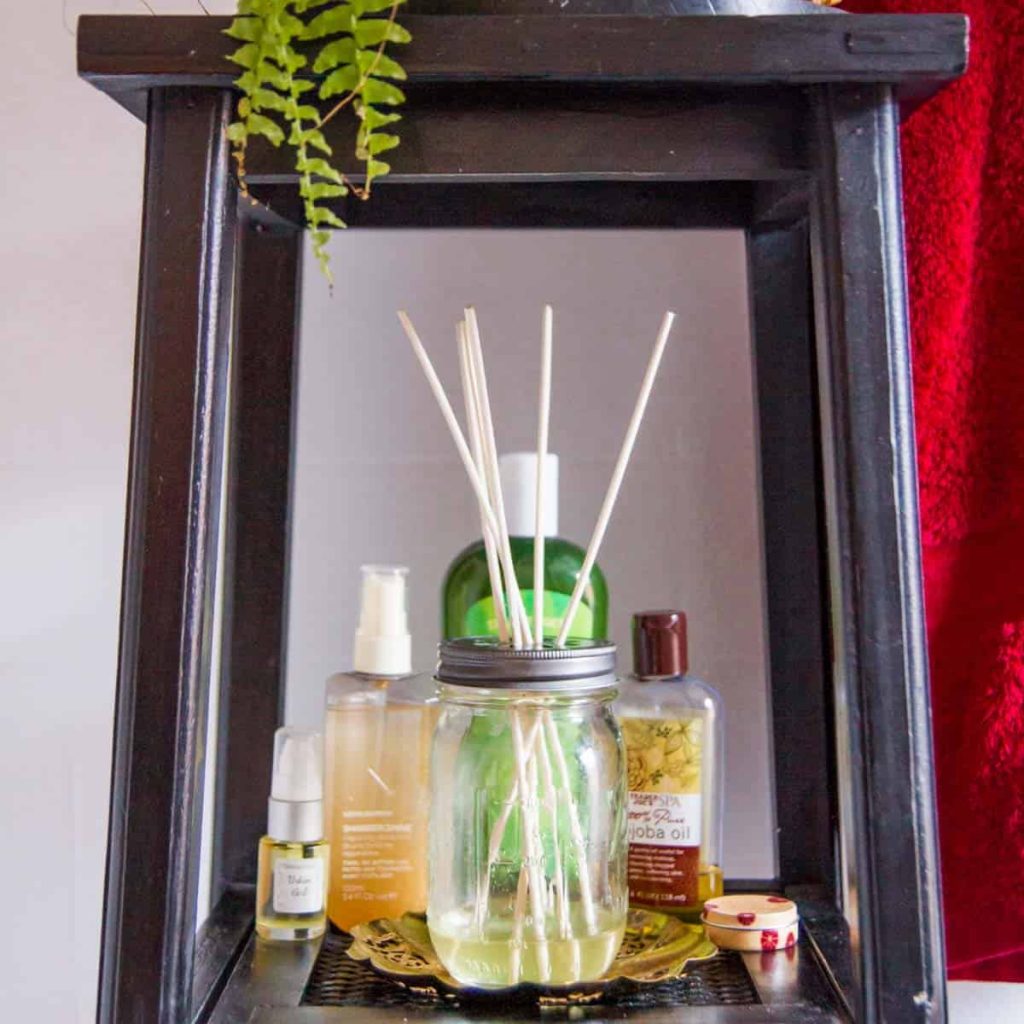
- Carrier Oils: Since essential oils are potent, they require dilution. Using a carrier oil such as jojoba or almond oil is crucial for diffuser applications.
- Essential Oils: As with candles, the choice of essential oils for diffusers can greatly impact the ambiance. Citrus oils like orange or lemon can invigorate, while frankincense and eucalyptus offer relaxing atmospheres.
- Diffuser Sticks or Bamboo Reeds: These will absorb the scented oil and disperse the fragrance into your space. Choose non-treated sticks to ensure a natural release of the aroma.
- Containers: The design of your diffuser also matters. You can use glass bottles, ceramic bowls, or even mason jars—let your creativity guide you.
Having these materials on hand will set you up for success as you begin your journey into DIY aromatherapy. The combination of selecting ingredients based on personal preference and understanding their benefits will not only enhance your creations but also your living environment. Experimenting with different combinations will lead to unique products that resonate with your senses and cater to your emotional well-being.
| Advantages | Details |
|---|---|
| Customizable Scents | You can tailor your candles and diffusers to your unique preferences by mixing essential oils, allowing for a truly personalized aroma experience. |
| Natural Ingredients | Utilizing natural fragrances ensures your home is filled with non-toxic scents, enhancing air quality and creating a healthier living environment. |
| Cost-Effective | Making your own candles and diffusers can be significantly cheaper than buying from stores, allowing you to enjoy aromatherapy without breaking the bank. |
| Creative Outlet | This process doubles as an engaging hobby, allowing you to express your creativity and potentially connect with others through shared interests. |
Exploring DIY aromatherapy not only cultivates a serene ambiance but also empowers you to design your sensory environment. Imagine creating a candle infused with the soothing scent of lavender or a diffuser brimming with invigorating citrus aromas. The journey into crafting your own aromatherapy products unlocks a myriad of fragrant possibilities, transforming your personal space into a haven of relaxation. This practice encourages a deeper connection to wellness and offers an enjoyable way to incorporate relaxation techniques into your daily routine. Engage friends and family in this rewarding activity, and share the joy of natural fragrance creation. The world of DIY aromatherapy awaits, filled with opportunities to explore, create, and indulge in natural wellness like never before.
DISCOVER MORE: Click here to learn about the impact of music on mental health
Mastering the Art of Scent Blending
As you embark on your DIY aromatherapy journey, the true magic lies in the art of scent blending. Understanding how various essential oils interact with one another can elevate your homemade candles and diffusers into aromatic masterpieces. The key to achieving perfect fragrance combinations lies in grasping the notion of top, middle, and base notes, allowing for a more balanced and complex scent.
Understanding Scent Notes
Essential oils can be categorized into three distinct scent notes:
- Top Notes: These are the first aromas you perceive when you sniff a blend. They are typically light, fresh, and uplifting, and evaporate quickly. Citrus oils like lemon and lime, as well as herbs like peppermint, fall into this category.
- Middle Notes: Also known as heart notes, these blends develop after the initial top note fades. They add depth and character to your blend, often providing a fuller fragrance experience. Oils such as lavender, geranium, and rose serve as common middle notes.
- Base Notes: These scents linger the longest and provide an earthy or grounding element to the overall blend. Popular base notes include sandalwood, frankincense, and vanilla. They help anchor the lighter top notes, creating a harmonious balance.
Creating a captivating ambiance through scent can be achieved by thoughtfully combining oils from each of these categories. As a starting point, consider the classic blend of lavender (middle note), bergamot (top note), and patchouli (base note) for a calming yet uplifting atmosphere.
Experimenting with Blends
When it comes to creating personalized fragrances, don’t shy away from experimentation. Try mixing different ratios of essential oils until you discover a combination that resonates with you. A recommended approach is the “10-20-70” rule: utilize 10% top notes, 20% middle notes, and 70% base notes for a well-balanced aroma. Don’t forget to jot down your recipes to recreate your favorites!
Additionally, consider seasonal or themed blends, such as cinnamon and clove for cozy autumn vibes or eucalyptus and mint for a refreshing spring feel. Tailoring your fragrances to reflect specific moments can also enhance your emotional journey through aromatherapy.
Enhancing Your Candle & Diffuser Experience
Beyond just scent selection, the overall experience of using your candles and diffusers can be amplified by understanding placement and usage. For optimal diffusion, place diffusers in areas with good airflow but some distance from HVAC vents or direct sunlight, which can speed up the evaporation of the oils. When using candles, consider where you’ll light them: the soft glow can alter a mood entirely, bathing the room in warmth while filling the air with fragrance.
Furthermore, ensure a safe burning experience by trimming the wick of your candle to about one-fourth of an inch before each use. This not only prolongs the life of the candle but also allows for a cleaner burn, enhancing the aromatic experience. Creating homemade candles and diffusers using natural fragrances can become a joyful pursuit that adds elegance and tranquility to your home, as well as an inviting atmosphere for family and friends.
With these insights into blending scents and enhancing your aromatic spaces, you are well-equipped to create enchanting DIY aromatherapy products that reflect your individual taste and foster emotional well-being.
DIVE DEEPER: Click here to start your creative journey
Conclusion: Embrace Your Aromatherapy Journey
In conclusion, diving into the world of DIY aromatherapy through the creation of homemade candles and diffusers offers a fulfilling opportunity to enhance your living spaces with natural fragrances. Armed with knowledge about essential oil blending and the art of layering scents, you can transform everyday environments into sanctuaries of relaxation and rejuvenation. By mastering the balance of top, middle, and base notes, you have the power to curate an array of aromas that resonate with your mood and preferences.
Moreover, the beauty of this practice lies in its versatility and personal touch; experimenting with blends allows you to create unique fragrances that reflect the changing seasons or your own emotional landscape. Whether you’re seeking a cozy atmosphere during the cooler months with warm spices or a refreshing ambiance that evokes spring with floral notes, your creations can express your personality and enhance your well-being.
As you incorporate these homemade products into your routine, remember to pay attention to their placement and safe usage to maximize the therapeutic benefits they provide. The gentle glow of candles and the subtlety of diffused scents can create profound shifts in mood and atmosphere, making every gathering a memorable experience.
So, gather your essential oils and supplies, unleash your creativity, and embark on this aromatic adventure. Enjoy the transformative power of natural fragrances in your life, and let the scents guide you to a more tranquil and enjoyable home environment.
Related posts:
DIY Fashion: Transforming Old Clothes into Unique Pieces
Transforming Household Items into Art: Sustainable DIY Projects
DIY for Pet Lovers: Creating Customized Toys and Accessories for Pets
DIY Fabric Art Projects: Embroidery and Painting on Clothes
DIY for Well-Being: Creating Personal Care Products with Natural Ingredients
Themed DIY: Creating Decorations for Parties and Special Occasions with Recycled Materials

Linda Carter is a writer and creative hobbies expert specializing in crafting, DIY projects, and artistic exploration. With extensive experience helping individuals discover their creative potential and bring their ideas to life, Linda shares her knowledge on our platform. Her goal is to empower readers with practical tips, inspiring ideas, and step-by-step strategies for success in the world of creative hobbies.