DIY Vertical Gardening Projects: How to Grow Plants in Small Spaces
Optimizing Your Urban Space
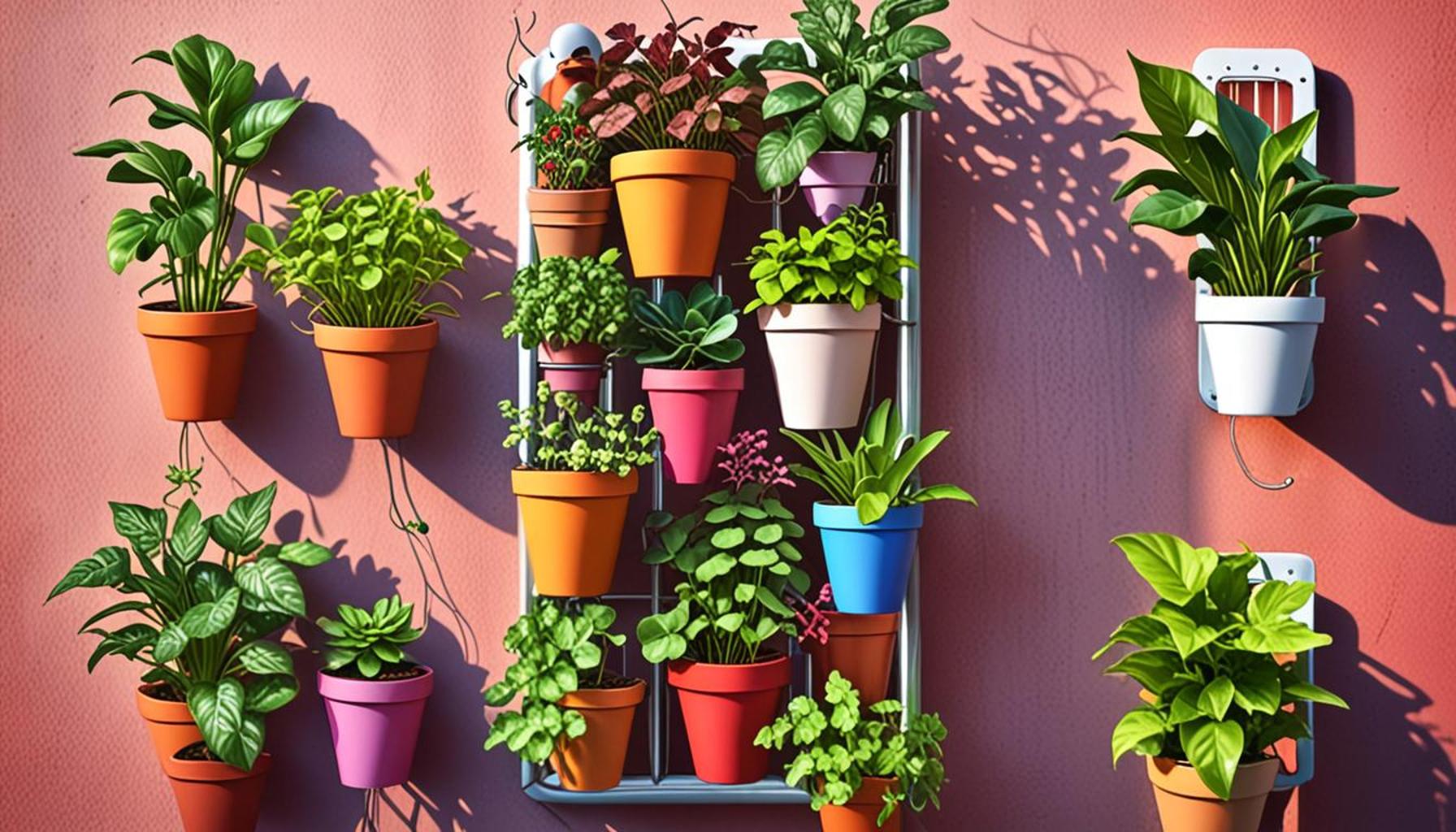
For many city dwellers, the hustle and bustle of urban life can overshadow hobbies like gardening. Yet, with the advent of vertical gardening, this once-distant dream is becoming increasingly attainable, even in cramped quarters. Envision not only filling your home with fresh herbs, aromatic flowers, or even a mini vegetable garden but doing so vertically, making use of every square inch of wall space. This method allows you to create an urban oasis right in your apartment, bringing nature closer to your daily life.
Creative DIY Vertical Gardening Projects
Embarking on a vertical gardening project opens up a world of creativity. Here are some captivating ideas to get you started:
- Pallet Gardens: Old shipping pallets can be transformed into charming planter boxes. By attaching landscape fabric to the back, you can fill them with soil and plant a variety of herbs or flowers. These rustic garden structures not only provide a unique aesthetic but also function effectively in confined spaces.
- Hanging Planters: Elevate your botanical collection by using hooks or shelves to create hanging displays. You can customize these planters to fit any space, from small kitchen corners to larger living rooms, allowing cascading plants to create a vibrant visual spectacle.
- Gutter Gardens: Addressing drainage issues while being creative, repurposed rain gutters can serve as novel planting systems. Install them horizontally along a wall and fill them with soil to cultivate a selection of plants. This method not only saves space but also adds an industrial flair to your decor.
- Wall-mounted Hydroponics: For a modern twist on traditional gardening, wall-mounted hydroponic systems utilize nutrient-rich water solutions instead of soil. This innovative approach is perfect for those who want to grow plants efficiently in small areas, and many systems are designed for easy maintenance.
The Benefits of Vertical Gardening
Beyond the physical appeal, vertical gardening offers numerous benefits that extend to your mental and physical well-being. Engaging with plants has shown to alleviate stress, boost mood, and even improve indoor air quality. In spaces filled with greenery, individuals often report increased feelings of happiness and contentment, making these gardens not just a decorative item but a necessity for holistic living.
Moreover, for those attempting to grow their own food, vertical gardening can lead to fresh produce at your fingertips, with herbs like basil or parsley thriving on your kitchen wall. With the proper knowledge and care, your vertical garden can become an integral part of your cooking, transforming everyday meals into delightful culinary experiences.
Getting Started
As you embark on your vertical gardening journey, remember that success lies in understanding your plants’ needs and the available space. Consider factors like sunlight exposure, watering requirements, and the types of plants ideal for vertical setups. With a few tools, creative arrangements, and some patience, you’ll quickly discover that cultivating a beautiful vertical garden is not only possible but also immensely rewarding.
In conclusion, the world of DIY vertical gardening invites urban aficionados to reclaim their green thumbs, fostering environments filled with life and color. Whether you’re looking for a decorative accent or a sustainable food source, your vertical garden will serve as a testament to the beauty of nature within the concrete jungle.
DON’T MISS: Click here to dive deeper
Exploring Vertical Gardening Techniques
Vertical gardening is an innovative approach that caters perfectly to the urban lifestyle. As space constraints become a common challenge for residents of crowded cities, DIY vertical gardening projects present the perfect solution, allowing enthusiasts to cultivate greenery without the need for extensive square footage. But how does one begin to delve into this exciting gardening technique? The key lies in understanding the various methods available and choosing the right plants suited to your environment.
Choosing the Right Plants
The choice of plants is critical in any gardening venture, and vertical gardening is no exception. Not all plants thrive in vertical conditions, so selecting the right ones is essential for a flourishing vertical garden. Here’s a handy list of plants that perform especially well in *vertical gardening* setups:
- Herbs: Varieties like basil, mint, and thyme not only save space but also add delightful fresh flavors to your meals.
- Leafy Greens: Spinach, lettuce, and kale can thrive in small pockets of soil and provide a continuous supply of fresh nutrition.
- Flowers: Fuchsias, petunias, and nasturtiums can add color and character to your vertical garden, enhancing your living space both indoors and outdoors.
- Succulents: Perfect for those who may not have the time for frequent watering, succulents like Echeveria and Sedum are wonderfully low-maintenance choices.
- Climbing Plants: Vining plants such as pothos or climbing beans can create a lush green wall that maximizes visual impact.
Building Your Vertical Garden Structure
After selecting the appropriate plants, the next step involves creating a structure that supports your vertical garden. The beauty of DIY vertical gardening lies in the ability to customize your setup according to your available space and personal taste. You can explore various options such as:
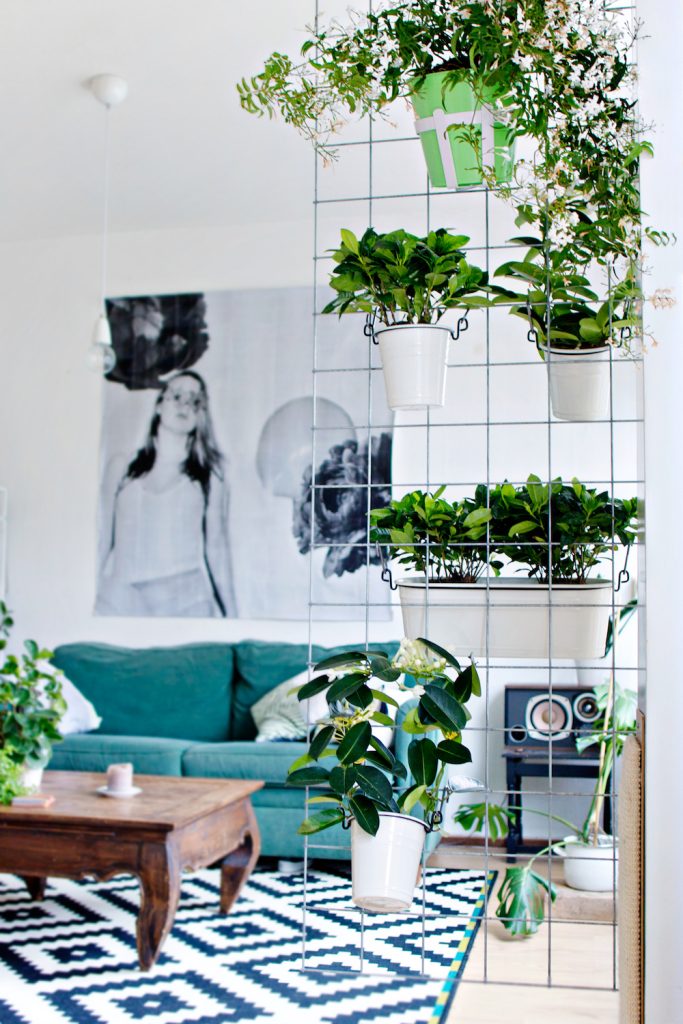
- Wire Frames: Using a wire grid can give you the flexibility to attach pots or planters horizontally and vertically, allowing for an adjustable design.
- Vertical Planter Boxes: These can be mounted directly on walls or freestanding, offering an organized way to grow multiple plants in limited space.
- Repurposed Materials: Get creative with materials like old shutters or recycled wood pieces to construct unique vertical spaces that reflect your style.
Moreover, you may want to consider factors such as sunlight exposure and watering systems when designing your vertical garden. Some structures can be equipped with drip irrigation or self-watering capabilities, ensuring your plants receive adequate moisture without the daily hassle of watering.
Enhancing Your Vertical Garden’s Environment
A successful vertical garden doesn’t just depend on what you plant or the structure you construct; the environment plays a vital role in the health and growth of your plants. Before setting up your garden, assess the amount of sunlight that your chosen space receives. Most herbs and vegetables thrive in 6-8 hours of direct sunlight, while some plants might prefer partial shade. In addition, consider the temperature and humidity levels in your area, which can influence your plant choices and maintenance routine.
With a little patience and creativity, you’ll find that venturing into the world of DIY vertical gardening can transform not only your living space but your lifestyle as well. From choosing the right plants to creating unique structures, the possibilities are limitless, paving the way for a lush urban sanctuary right at home.
Exploring Vertical Gardening Techniques
Vertical gardening has gained immense popularity for those looking to maximize their garden space, particularly in urban areas where ground space is limited. This innovative method allows you to transform even the smallest of balconies or patios into lush green retreats.
Utilizing Wall Space
One of the most effective techniques in vertical gardening is the use of wall-mounted planters. These can come in various forms, from simple pocket planters to intricate lattice systems. Wall-mounted planters are not only space-saving but also provide an aesthetic appeal to your outdoor or indoor areas. You can choose herbs, flowers, or small vegetables that thrive in an upright position.
Creating a Vertical Garden Frame
Another popular DIY project is crafting a vertical garden frame. Using wooden pallets, trellises, or even repurposed furniture can help establish a structured garden that holds multiple plants at varying heights. This elevation improves air circulation and light access, which are vital for healthy plant growth. Ideal plants for frame gardens include peas, tomatoes, and climbing roses.
Stackable Planters
Stackable planters are a fantastic option for maximizing small spaces. These versatile structures allow you to grow a variety of plants at different levels, making it easy to maintain and water them without taking up too much floor space. For beginners, stackable systems can accommodate a range of plants, from leafy greens to colorful flowers, providing an instant liveliness to any area.
Hydroponic Systems
For those looking to venture into technology, hydroponic systems are an exciting avenue. This soil-less method allows you to grow plants directly in nutrient-infused water, maximizing growth and reducing pests. Vertical hydroponic systems can fit neatly against a wall, making them excellent for apartments or small homes. With the right equipment and a little DIY know-how, you can create a thriving garden that’s not only sustainable but also aesthetically pleasing.
Incorporating Gardening into Your Lifestyle
Beyond aesthetics, vertical gardening encourages a lifestyle change. By growing your own herbs and vegetables, you reduce reliance on store-bought produce, which often comes with packaging waste. Additionally, personal gardens can offer immense mental health benefits, fostering peace and joy as you nurture your plants.With the tips above, you can embark on your DIY vertical gardening journey and explore the boundless possibilities of growing plants in small spaces. Now, finding an appropriate structure and planning your garden layout is the next step to turning your limited area into a green paradise. Cultivating your own miniature ecosystem will surely spark your creativity and enhance your living environment.
LEARN MORE: Click here to enhance your crafting skills
Maintenance and Care for Your Vertical Garden
Cultivating a thriving vertical garden is not just about setting it up; it also demands ongoing care and maintenance to ensure its success. Understanding and addressing the specific needs of your plants can make a significant difference in their growth and overall health. Here are some essential maintenance tips for your DIY vertical gardening project.
Watering Techniques
While vertical gardens can offer stunning aesthetics, they often require careful attention to watering. As gravity affects how water drains, it’s crucial to ensure that all plants receive adequate moisture. Here are a few watering techniques to consider:
- Drip Irrigation Systems: Installing a drip irrigation system can be a game-changer for vertical gardens. This method delivers water slowly and directly to the root zone, minimizing water loss through evaporation and runoff.
- Self-Watering Pots: Using self-watering containers can help maintain consistent moisture levels for your plants, reducing the frequency of watering needed and making it easier to manage your vertical garden care.
- Watering Schedule: Regularly check the moisture of the soil and create a watering schedule based on seasonal changes, as many plants might require more water during warmer months.
Nutrient Management
Fertilizing is a vital aspect of maintaining a vertical garden, particularly when growing plants in limited soil space. Utilizing the right nutrients can promote healthy growth and vibrant foliage. Consider these practices:
- Organic Fertilizers: Using organic fertilizers, such as compost tea or seaweed extract, not only enriches the soil but also supports the beneficial microorganisms necessary for optimal plant health.
- Slow-Release Fertilizers: Employing slow-release granular fertilizers can ensure a steady supply of nutrients over time, reducing the need for frequent applications.
- Soil Testing: Conduct soil tests to understand nutrient levels and pH balance, allowing you to tailor your fertilization strategy to the specific needs of your plants.
Pest Management
Maintaining a vertical garden also means keeping an eye out for pests and diseases that can harm your plants. Here are some effective pest management strategies:
- Natural Remedies: Incorporating natural pest repellents, such as neem oil or insecticidal soap, can deter unwanted pests without posing a threat to beneficial insects.
- Regular Inspections: Routinely inspect your plants for signs of infestation or disease, such as yellowing leaves or webbing, which can allow for early intervention before issues escalate.
- Diverse Planting: Mixing plant species in your vertical garden can help create a balanced ecosystem that naturally deters pests, as some plants can repel others.
Vertical Gardening Innovations
The world of vertical gardening is constantly evolving, showcasing innovative products and techniques designed to simplify and enhance the gardening experience. Here are a few noteworthy innovations worth exploring:
- Smart Planters: Equipped with sensors that monitor moisture, nutrients, and light levels, smart planters can send alerts to your phone, ensuring your garden receives the right care at the right time.
- Living Walls: These modular systems can incorporate various plant types and are self-sustaining, making them an attractive option for urban environments.
- Hydroponics: A soil-less growing system that uses nutrient-rich water, hydroponics allows for accelerated plant growth and is particularly effective for vertical gardening in confined spaces.
Embracing the art of vertical gardening opens the door to endless possibilities for urban dwellers looking to incorporate nature into their lives. With the right maintenance and innovative practices, you can elevate your gardening experience while transforming small spaces into lush green retreats.
DISCOVER MORE: Click here to unlock your creative potential
Conclusion: Embrace the Green Revolution in Your Small Space
In a world where urbanization is rapidly encroaching on nature, DIY vertical gardening projects provide a unique and sustainable solution for cultivating plants in small spaces. By leveraging wall space, balconies, or even narrow alleys, individuals can transform their homes into vibrant green havens. This innovative gardening approach not only maximizes limited areas but also enhances air quality, provides fresh produce, and promotes mental well-being.
As we’ve explored, the journey doesn’t end with setup; successful vertical gardening requires knowledge and dedication in maintenance, watering techniques, nutrient management, and pest control. Utilizing modern innovations like smart planters and hydroponic systems can further streamline this process, making it accessible and enjoyable for everyone, regardless of their gardening experience. Moreover, by embracing diverse planting and smart care tactics, you cultivate not just a garden but a thriving ecosystem.
As you embark on this green adventure, let curiosity guide you. Experiment with various plants, techniques, and designs to discover what flourishes in your unique environment. The beauty of vertical gardening lies in its adaptability, allowing you to express creativity while contributing positively to your surroundings. Whether you envision an herb-laden kitchen wall or a botanical backdrop for your living space, the possibilities are as limitless as your imagination. Start your DIY vertical garden today and witness how small changes can yield spectacular results while reconnecting you with nature.
Related posts:
Transforming Household Items into Art: Sustainable DIY Projects
DIY for Beginners: Creating Custom Decorations with Affordable Materials
Eco-Friendly DIY Projects: Creating Sustainable Art and Decor
DIY Lighting Projects: How to Transform Spaces with Handmade Lamps
DIY Furniture: Creating Custom Pieces with Wooden Pallets
DIY Upcycling Projects: Transforming Cans and Bottles into Useful Items

Linda Carter is a writer and creative hobbies expert specializing in crafting, DIY projects, and artistic exploration. With extensive experience helping individuals discover their creative potential and bring their ideas to life, Linda shares her knowledge on our platform. Her goal is to empower readers with practical tips, inspiring ideas, and step-by-step strategies for success in the world of creative hobbies.