The Art of Telling Stories in Comics: Mixing Illustration and Narrative to Express Ideas
Introduction
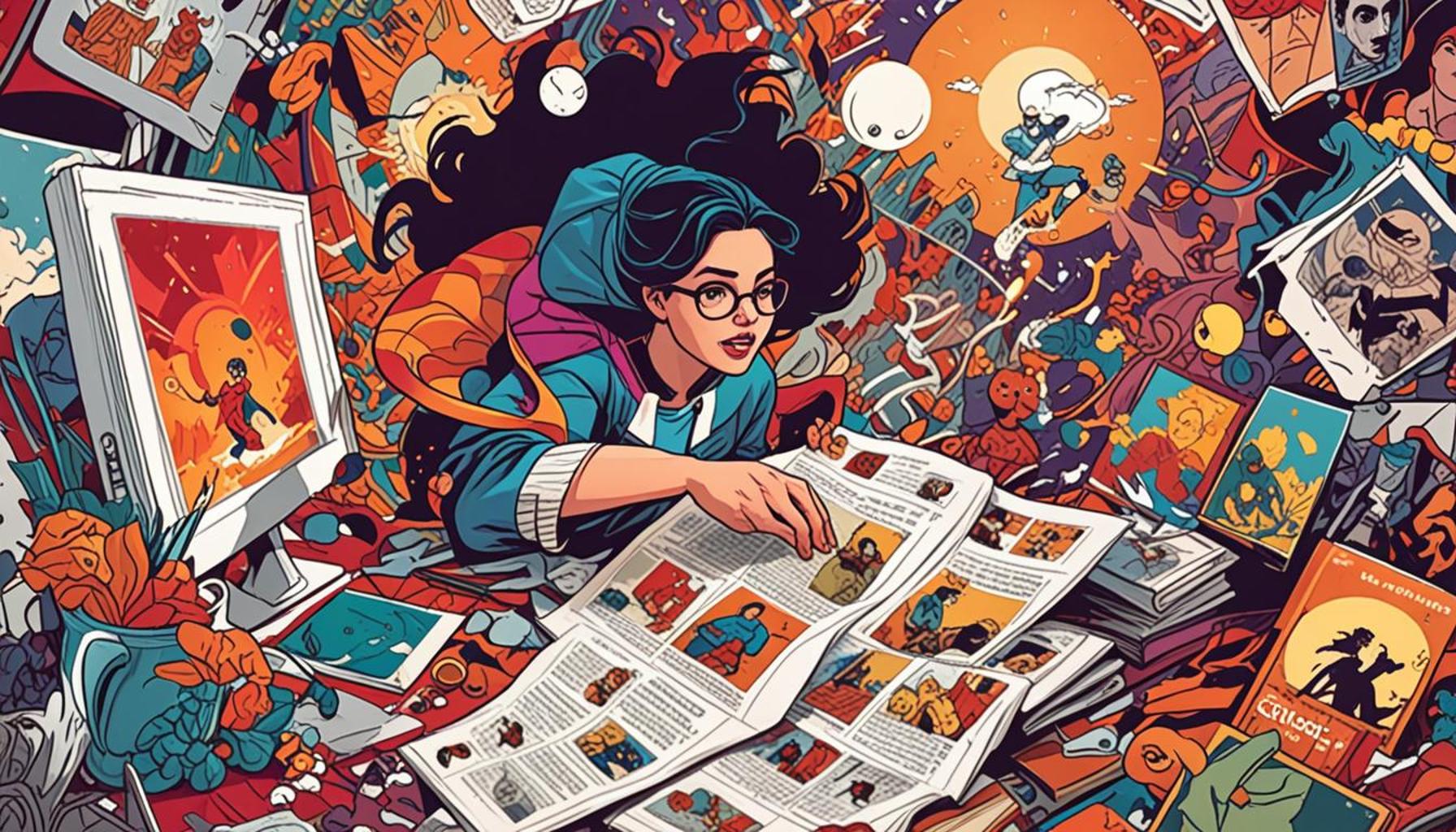
Comics are a unique blend of visual art and storytelling, creating an immersive experience that captivates millions. This distinctive medium allows creators to convey ideas and emotions in ways that words alone cannot. From the dynamic expressions of characters to the intricate backgrounds, every element serves a purpose in narrative development. The combination of illustrated panels, vivid colors, and thoughtful dialogue can transport readers into alternate worlds, where they experience the joys and sorrows of the characters in real-time.
Throughout history, many of the greatest comics have shaped culture and influenced generations. Iconic titles resonate not just within the confines of the comic book industry but also extend into mainstream consciousness, affecting television, film, and even literature. For instance, Watchmen by Alan Moore and Dave Gibbons not only deconstructed the superhero genre but also raised profound questions about morality, authority, and the nature of heroism. Its philosophical underpinnings and social commentary challenged readers to reconsider their perceptions of justice.
Similarly, Maus by Art Spiegelman offers an innovative glimpse into the Holocaust through a deeply personal narrative. By representing Nazis as cats and Jews as mice, Spiegelman masterfully illustrates the stark and horrifying realities of history, allowing readers to engage with heavy topics in a unique visual context. This poignant representation of history fosters empathy, making the past resonate with contemporary audiences.
The Walking Dead by Robert Kirkman delves into the nuances of humanity amidst chaos. This post-apocalyptic saga invites readers to explore not only survival instincts but also moral dilemmas faced in dire circumstances. Kirkman’s ability to develop rich, complex characters who evolve throughout the series has solidified the comic’s place in popular culture, ultimately leading to successful adaptations in television and film.
In addition to storytelling, the comic book medium employs various techniques to express complex ideas. Noteworthy features include:
- Panel Layouts: A strategic layout can affect pacing and emphasize key moments, guiding readers’ eyes and shaping their emotional reactions.
- Color Schemes: Artists utilize color intentionally; for example, a warm palette might evoke nostalgia, while cooler tones can create a sense of foreboding.
- Dialogue and Captions: The interplay between the dialogue within speech bubbles and the narrative captions can add layers to the storytelling, enriching character development and plot advancement.
As we dive deeper into the world of comics, it’s essential to recognize how the fusion of illustration and narrative not only enhances understanding but also sparks creativity. The structural elements, combined with artistic flair, create an extraordinary platform for artists and writers to collaborate. Get ready to discover the intricate world where every panel tells a story, merging artistry with profound commentary that resonates universally and continues to inspire future generations.
DISCOVER MORE: Click here for inspiring eco-friendly DIY projects
The Mechanics of Storytelling in Comics
At the heart of every compelling comic lies a delicate balance between illustration and narrative. This synergy creates a visual language that speaks directly to the reader, allowing for an experience that text alone may not convey. Understanding how these elements interact is essential for both creators and enthusiasts alike. Comics are not merely pictures with captions; rather, they embody a complex architecture where each artistic decision complements the story being told.
To explore the intricate mechanics of storytelling in comics, it is crucial to consider a few fundamental components:
- Panel Transitions: The way panels are arranged on a page influences the reader’s flow through the story. Different types of transitions—such as moment-to-moment, action-to-action, or scene-to-scene—affect how quickly or slowly a narrative unfolds. For example, a sequence of tight, closely packed panels can instigate a feeling of urgency, while larger, spacious panels might evoke contemplation and reflection.
- Character Design: Characters in comics are often crafted with distinct visual traits that reflect their personalities and emotions. An exaggerated expression or unique costuming not only makes characters memorable but also communicates deeper traits and the narrative arc visually. By observing the hero’s posture or the villain’s shadowy silhouette, readers subconsciously gather clues about the character’s motivations and emotional states.
- Symbolism and Visual Metaphors: Artists often employ symbolism to convey rich themes without overt explanation. Whether it’s a broken chain representing freedom, rain pouring down during moments of despair, or brighter colors signifying hope, these visual elements enrich the storytelling by allowing readers to derive meaning layered beneath the surface.
Moreover, the use of text—whether through dialogue, sound effects, or captions—plays a pivotal role in enhancing the narrative. A well-penned dialogue can reveal a character’s background, desires, and conflicts while also establishing the tone of each scene. When seamlessly integrated with visuals, text can intensify emotional impact, drawing readers deeper into the storyline. For instance, witty banter might lighten a tense moment, providing a balance that keeps audiences engaged.
In addition, the pacing of a comic is also critical. By manipulating the timing of each panel, creators can generate suspense, surprise, or delight. Fast-paced action scenes often rely on quick cuts and dynamic layouts, whereas slower moments might use fewer, larger panels to let the reader absorb significant developments. This ability to control how readers experience the passage of time in a story is unique to the comic medium.
In the realm of comics, each component contributes to a masterful orchestration of storytelling. Understanding these techniques not only invites readers to appreciate the artistry behind their favorite works but also equips aspiring comic creators with the tools necessary to weave engaging narratives. As we further dissect the role of visual storytelling in comics, the power of illustration married with narrative will continue to reveal the profound depth it brings to human experience.
The fusion of art and storytelling in comics opens up a realm of possibilities for engagement and emotional connection. The combination of visual imagery with narrative depth allows creators to explore complex themes, emotions, and ideas in a digestible format. Through the striking interplay of images and text, comic artists can break down barriers of language and culture, making stories universally accessible. This medium encourages the audience to actively participate in crafting meaning as they decode visual metaphors while following the storyline.
Furthermore, the graphic storytelling technique can illuminate issues not often explored in traditional literature. For instance, comics can explore social injustices, personal trauma, or fantastical realms in ways that resonate profoundly with readers. The visual aspects can help ground abstract concepts, transforming them into relatable experiences through character expressions and scene compositions.
Moreover, the genre provides a platform for diverse voices and styles. Artists hailing from various backgrounds can utilize their unique perspectives to tell stories that challenge the status quo. This democratization of storytelling enables a rich tapestry of narratives that enrich the medium, allowing readers to encounter stories that reflect their own experiences or provide insight into unfamiliar cultures.
In this landscape, the importance of pacing becomes evident. The arrangement of panels can dictate the flow of time within the story, making readers linger on emotionally charged moments or rush through action sequences. This manipulation of time through visual rhythm enhances the overall storytelling strategy, engaging readers on multiple levels as they navigate between action, suspense, and contemplation.
Finally, the innovative use of technology continues to reshape the comics landscape. Digital tools have opened new doors for creators, enabling interactive and multimedia narratives that enhance the reading experience. As comics evolve, they hold the potential to become even more intertwined with emerging technologies, captivating future generations with the blend of illustration and narrative that defines their art. Whether through animated panels, augmented reality, or other digital enhancements, the future of comic storytelling is poised to astonish and inspire.
| Aspect | Details |
|---|---|
| Visual Imagery | Combines pictures and text to deepen storytelling |
| Emotional Connection | Creates relatable experiences through characters & scenarios |
| Diverse Voices | Showcases various perspectives and cultural narratives |
| Pacing & Flow | Utilizes panel arrangement for emotional impact |
| Technological Innovation | Interactive and enhanced narratives for modern engagement |
DIVE DEEPER: Click here to discover eco-friendly DIY projects
The Emotional Resonance of Graphic Storytelling
Beyond the structural mechanics of comics, there lies an intricate method for evoking emotions through illustration and narrative. The ability to craft complex emotional landscapes is what elevates comics from mere visual entertainment to a powerful storytelling medium that can impact audiences on a personal level. As various creators have demonstrated, the skillful combination of visuals and textual elements can provoke a range of feelings—from joy and nostalgia to sorrow and tension.
Consider the eruption of emotions that comics can trigger during critical plot developments. The use of color plays a significant role in this emotional appeal. For instance, renowned graphic novels like “Persepolis” by Marjane Satrapi utilize a stark monochrome palette to reinforce the storytelling, creating a visceral experience that mirrors the gravity of the narrative, which explores the impact of war and identity. In contrast, vibrant colors in works like “Ms. Marvel” inject energy and excitement, reflecting the youthful exuberance of its protagonist, Kamala Khan. This deliberate choice of color not only serves to aestheticize but also to communicate the emotional tone of the story.
The relationship between image and text can also heighten emotional engagement. A well-placed caption can capture a character’s internal struggle, enhancing the visual drama taking place in the panel. For example, in “Watchmen,” Alan Moore utilizes the juxtaposition of Rorschach’s gritty narration with intense, often graphic illustrations that explore moral ambiguity. This interplay allows readers to develop a deeper understanding of the character’s psyche and the thematic underpinnings of the work. By strategically using captions to complement the visuals, creators foster a more immersive experience as readers delve into the emotional and ethical complexities of the story.
The use of gesture and body language in character design is another powerful tool through which comics convey emotion. A character’s deflated posture or clenched fists can speak volumes about their mental state, adding layers of meaning that words alone might fail to encapsulate. For instance, in “Saga” by Brian K. Vaughan and Fiona Staples, expressions and movements are pivotal in portraying the unsettled dynamics among characters, enriching the storytelling and allowing readers to feel invested in their journeys. This emphasizes how illustration can communicate subtle nuances of emotion that resonate with readers on a personal level.
Moreover, the concept of moment-to-moment storytelling invites an intimate connection with the characters. By capturing the smallest shifts in emotion, creators can engage the audience’s empathy. For instance, the detailing in laments or fleeting smiles can create a rhythm that replicates real-life interactions, enhancing the sense of realism within fantastical tales. Such artistry encourages readers to reflect on their own experiences, making the comic’s emotional journey feel uniquely relatable.
As we explore the mastery of emotional storytelling in comics, it becomes evident that the successful amalgamation of illustration and narrative fosters a robust platform for connection and understanding. This unification not only draws audiences into fantastical worlds but allows them to confront the very fabric of human nature itself—an endeavor that few other artistic mediums can achieve with such immediacy and impact.
DISCOVER MORE: Click here to get inspired
Conclusion: The Confluence of Art and Narrative in Comics
As we reflect on the art of storytelling in comics, it becomes clear that this unique medium masterfully intertwines illustration and narrative to create a rich tapestry of emotion and experience. Comics thrive on their ability to convey complex ideas and emotions through a combination of visual artistry and carefully crafted text. The deliberate choices in color, composition, and character expression not only enhance the storytelling but also foster a deep connection between the audience and the narrative.
The emotional resonance achieved through this marriage of art and text stands as a testament to the power of comics. It transcends mere entertainment, delving into profound themes that reflect the human condition. With each turn of the page, readers are invited into worlds that challenge their perspectives and evoke their feelings, encouraging introspection and empathy. The success of works like “Persepolis,” “Ms. Marvel,” and “Watchmen” illustrates how the emotional depth of graphic storytelling can resonate far beyond the panels, influencing cultural conversations and personal reflections.
As we look to the future, the evolution of comics as a medium invites creators to explore new narratives and aesthetic forms, pushing boundaries in both illustration and storytelling. For avid readers and aspiring artists alike, the journey into the realm of comics promises to be a dynamic exploration of ideas, emotions, and the intricate ways in which stories can be told. Embracing this art form not only expands one’s creative horizons but also deepens our understanding of the stories that shape our lives.
Related posts:
The Photography of Portraits: Capturing the Human Essence through the Lens
Sculpture as Therapy: Shaping Creativity and Emotional Well-Being
Exploring Photography as a Form of Creative Expression: Capturing Moments and Emotions
Dance as the Language of the Soul: Expressing Emotions Through Movement
The Art of Origami: Transforming Paper into Creative Expression
Music as Sound Painting: Composing Emotions Through Melodies

Linda Carter is a writer and creative hobbies expert specializing in crafting, DIY projects, and artistic exploration. With extensive experience helping individuals discover their creative potential and bring their ideas to life, Linda shares her knowledge on our platform. Her goal is to empower readers with practical tips, inspiring ideas, and step-by-step strategies for success in the world of creative hobbies.