Sculpture as Therapy: Shaping Creativity and Emotional Well-Being

Exploring the Dimensions of Sculpture Therapy
Beyond the physical form and aesthetic appeal, sculpture emerges as a profound therapeutic practice rich in emotional and psychological benefits. Engaging with the art of sculpting offers individuals an immersive experience where the manipulation of materials like clay, stone, or metal becomes a catalyst for healing. It invites a unique dimension of interaction, allowing feelings and thoughts to be externalized and examined from different perspectives.
The Transformative Effects of Sculpture
The parameters of art therapy have evolved, demonstrating the significant impacts that sculpture can have on mental health. Notably, stress relief is one of the most immediate benefits reported by participants. The act of kneading clay or chiseling stone provides a physical outlet for stress, redirecting focus from overwhelming concerns to the tactile experience of creation. Whether it’s the rhythmic motion of molding soft clay or the decisive strike of a sculptor’s tool, these activities can facilitate a calming effect, similar to practices such as yoga or meditation.
Furthermore, self-expression through sculpture serves as an essential release for complex emotions. Many individuals find that articulating their feelings in a visual format can help bridge gaps in communication that words simply cannot fill. For example, a person grappling with grief may choose to shape a life-sized figurine that embodies their feelings, thereby fostering an inner dialogue that helps process loss. Sculpture thus becomes a medium for storytelling, where each piece holds layers of meaning, encouraging introspection.
Harnessing Focus Through Creativity
In addition to its therapeutic benefits, sculpture enhances improved focus and mindfulness. The intricate processes involved in sculpting demand concentration, often acting as a diversion from negative thought patterns. This practice has been particularly beneficial in settings such as rehabilitation centers, where patients may struggle with anxiety or PTSD. Art therapy sessions that incorporate sculpture encourage participants to immerse themselves in the creative process, often resulting in elevated mood and fortified mental resilience.
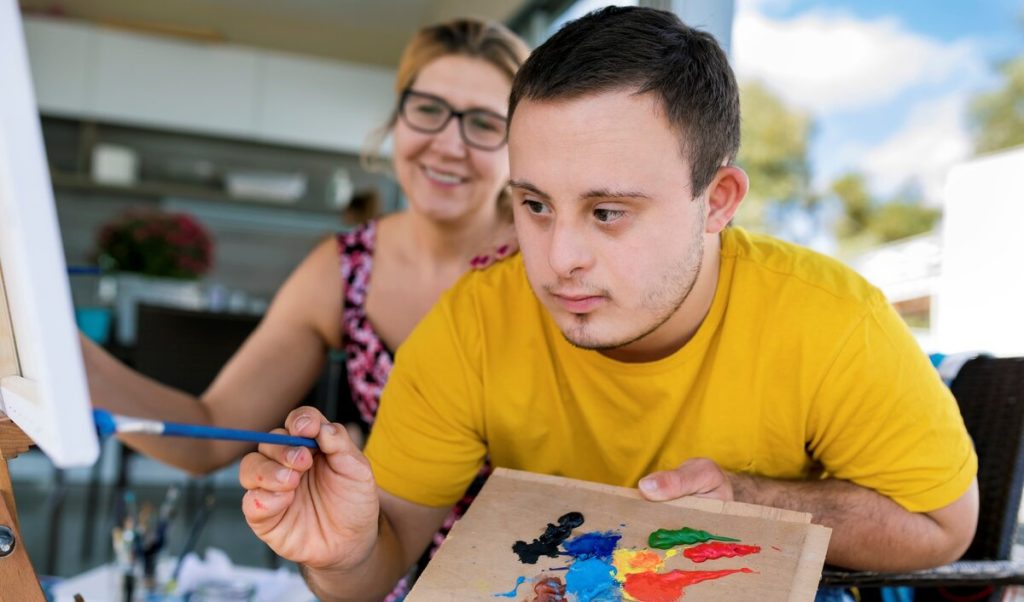
Community workshops also serve as a vital platform for individuals to come together, share their stories, and support one another through the artistic process. Programs across the United States have seen success with youth and seniors alike, fostering environments where collaboration enriches the healing journey. Workshops tailored for children may incorporate elemental skills in sculpting while simultaneously promoting teamwork and social connection—key factors in developing interpersonal skills.
The Historical Context of Sculpture as Therapy
Historically, the use of art for therapeutic purposes can be traced back centuries, with various cultures recognizing the power of creativity in healing rituals and personal reflection. In contemporary practice, the integration of sculpture into therapeutic settings reflects a growing understanding of the profound connection between creativity and mental health.
As more mental health professionals acknowledge the potential of art therapy, the exploration of sculpture continues to unlock new avenues for self-discovery and emotional healing. This artistic journey not only reshapes individual narratives but also fosters a collective appreciation of the human experience, inspiring those who engage with this ancient skill to uncover their own transformative stories.
Ultimately, the power of sculpture as a therapeutic tool invites ongoing exploration, offering an enriching path towards emotional balance and well-being. Whether you are an amateur artist or a seasoned sculptor, the therapeutic benefits of engaging in this creative practice are boundless and worth exploring further.
DISCOVER MORE: Click here to dive deeper
Understanding the Mechanics of Sculptural Healing
Sculpture therapy envelops participants in a sanctuary of creativity, where the sculpting process acts as a mirror reflecting the intricacies of human emotions. This immersive art form engages not only the hands but also the mind and spirit, creating a multi-dimensional experience that is both therapeutic and enlightening. Individuals involved in sculpture often cite feelings of liberation and empowerment as they immerse themselves in the tactile relationship with materials, which can be both grounding and transformative.
The Material Connection
Each material used in sculpture—be it clay, wood, stone, or metal—offers unique properties that can influence the sculptor’s emotional experience. For instance:
- Clay is malleable and forgiving, providing an ideal medium for expression without the constraints of precision.
- Wood, with its inherent warmth, involves carving that can be meditative, allowing for deep contemplation.
- Stone can symbolize permanence and resilience, where the act of chiseling reflects the challenges of life itself.
- Metal sculpture often embodies strength and durability, aligning with concepts of fortitude in personal healing narratives.
As people engage with these diverse materials, they often discover a newfound ability to express their emotions. This connection between materials and emotions can help articulate internal conflicts and personal narratives that require exploration. Psychologists emphasize the therapeutic nature of this process, arguing that each touch and deliberate movement contributes significantly to emotional cleansing and mental clarity.
Building Resilience Through Artistic Endeavors
Among the numerous psychological benefits of sculpture as therapy, the development of resilience stands out. The challenges faced while sculpting—managing imperfections, grappling with the material’s unpredictability, and navigating creative blocks—can mirror and prepare individuals for real-life adversities. The process cultivates a sense of accomplishment, promoting a “growth mindset” that encourages patience, persistence, and problem-solving skills.
Participants often report enhanced self-esteem and a stronger sense of identity as they witness their creations come to life. In various community-based programs across the United States, these principles are harnessed to help participants navigate personal challenges, from managing anxiety to overcoming trauma. Workshops are designed not only to teach sculpting techniques but also to instill a supportive community atmosphere that emphasizes mutual encouragement and shared experiences, thereby enhancing emotional wellness.
The Future of Sculpture in Therapeutic Settings
As the mental health landscape continues evolving, the recognition of sculpture therapy as a valuable form of treatment is gaining momentum. Institutions are increasingly integrating art therapy into their therapeutic methodologies, with studies highlighting the effectiveness of hands-on sculpture activities in improving emotional well-being. This shift is likely to lead to greater accessibility for those seeking creative outlets for their mental health struggles, encouraging a broader cultural acceptance of the arts as a vital component of healing.
In nurturing this affinity for sculptural expression, individuals are not merely shaping materials; they are, more importantly, shaping their own paths toward emotional balance and well-being.
| Category | Description |
|---|---|
| Creative Expression | Sculpting provides individuals a medium to express complex emotions and thoughts, fostering personal growth. |
| Therapeutic Benefits | Engaging in sculpture can reduce anxiety and depression, leading to enhanced emotional well-being and mindfulness. |
Exploring the essence of sculpture as a therapeutic outlet reveals how this art form serves as a sanctuary for emotional release. By allowing individuals to mold their ideas into tangible forms, sculpture transforms personal narratives into visual stories, enhancing creative expression. This process empowers people to address multifaceted feelings, promoting a deeper understanding of themselves.Additionally, therapeutic benefits are not merely anecdotal; numerous studies highlight that sculptural activities can significantly alleviate symptoms of anxiety and depression. Participants often report feelings of calmness and clarity after engaging in sculptural practices, reinforcing the connection between creativity and mental health. This fascinating intersection encourages a broader investigation into how sculpture can not only enhance individual creativity but also facilitate profound emotional healing. As we delve further into this captivating subject, it becomes clear that the role of sculpture transcends mere aesthetics, inviting us to explore its potential as a powerful medium for psychological well-being.
DISCOVER MORE: Click here to uncover creative writing techniques
The Role of Community in Sculptural Therapy
One of the most powerful aspects of sculpture therapy is its potential to foster a sense of community among participants. When individuals engage in sculptural practices within group settings, the shared experience can significantly enhance the therapeutic process. These communal workshops often provide a safe space for emotional expression, allowing participants to connect through their struggles and triumphs, both individually and collectively.
Shared Experiences and Mutual Support
In community-based sculpting programs, participants are encouraged to explore their emotions in a supportive environment. The act of creating alongside others not only nurtures a sense of belonging but also enables individuals to witness diverse expressions of vulnerability and resilience. For instance, programs like those offered by the Museo de Arte de Puerto Rico utilize sculptural workshops to bring together people from various backgrounds, addressing topics such as grief and healing through creative expression. Participants often find solace in sharing their stories, bolstered by the encouragement of their peers.
Moreover, the group dynamic promotes accountability—participants may feel motivated to attend sessions and consistently engage in their artistic practices, which can otherwise be challenging when undertaken alone. This collective engagement can lead to meaningful discussions, feedback, and emotional support, all crucial components of achieving therapeutic outcomes.
Sculpture Therapy: A Bridge to Healing Trauma
Particularly relevant in the context of trauma recovery, sculpture therapy has been recognized for its capacity to facilitate healing in individuals dealing with past traumatic experiences. Programs designed for trauma survivors, such as those offered in women’s shelters and hospitals across the United States, leverage the hands-on nature of sculpting to guide individuals through their healing journeys. The tactile engagement with materials allows survivors to reconstruct their narratives visually, providing a therapeutic outlet that they can control.
Research indicates that engaging in artistic activities post-trauma can lead to significant improvements in emotional regulation and self-esteem. Through sculpting, clients can externalize their trauma, reshaping their stories in ways that foster empowerment rather than victimhood. In workshops that emphasize this approach, participants can create large-scale sculptures that symbolize their journeys, creating a powerful visual representation of their resilience.
Incorporating New Technologies in Sculpture Therapy
The modern landscape of sculpture therapy is continually evolving, with innovations like 3D printing and digital sculpting gaining traction. These technologies are making sculpture more accessible, allowing participants of all skill levels to engage with the medium in new ways. For example, 3D modeling software can enable individuals with limited physical mobility to create intricate designs that can later be printed in a physical medium. This expansion not only democratizes access to sculpture but also explores the intersection of technology and creativity as a therapeutic avenue.
As these tools become readily available in therapeutic settings, they open up new possibilities for participants to explore complex emotional states, pushing the boundaries of traditional sculpting practices. This integration of modern technology encourages a fresh perspective on emotional expression, making it possible for more individuals to find their voices through sculpture.
DISCOVER MORE: Click here for easy DIY home decor projects
Conclusion
In conclusion, sculpture as therapy represents a profound intersection of art and emotional healing that has the potential to transform lives. By engaging in the tactile experience of sculpting, individuals can explore and release emotions that often remain unexpressed in traditional therapeutic settings. The communal aspect of sculptural therapy not only fosters a sense of belonging and mutual support but also enhances personal accountability in one’s healing journey. Through shared experiences, participants gain the courage to confront their vulnerabilities while celebrating their resilience.
Moreover, the careful blend of innovative technologies like 3D printing and digital sculpting with classic techniques offers an exciting frontier in therapeutic practices. These advancements not only make sculpting accessible to more individuals but also expand the creative possibilities for emotional expression. As artists and therapists continue to collaborate, the adaptability of sculpture therapy can be tailored to the unique needs of diverse communities, further enriching the healing process.
With evidence supporting its efficacy in addressing trauma and emotional well-being, sculpture therapy stands as a vital resource in psychological care. It encourages us to rethink the narrative of recovery, highlighting how creativity can be a powerful tool for psychological transformation. As we continue to explore this fascinating field, it is essential to recognize and amplify the voices of those finding their healing paths through the art of shaping and molding—both in clay and in life.
Related posts:
The Influence of Nature on Artistic Creation: Exploring Biodiversity as a Source of Inspiration
Exploring Digital Art: Creating Worlds and Emotions in Pixels
How Abstract Art Influences Personal Self-Expression Dynamics
The Expression of the Collective Imagination: How Dreams and Myths Influence Artistic Creation
The Journey of Self-Discovery Through Painting: How Art Can Transform Emotions into Colors
Exploring Mixed Media Integrating Diverse Art Techniques

Linda Carter is a writer and creative hobbies expert specializing in crafting, DIY projects, and artistic exploration. With extensive experience helping individuals discover their creative potential and bring their ideas to life, Linda shares her knowledge on our platform. Her goal is to empower readers with practical tips, inspiring ideas, and step-by-step strategies for success in the world of creative hobbies.