The Art of Mixing Techniques: Exploring Creativity Through the Hybridization of Artistic Styles
The Evolution of Artistic Expression
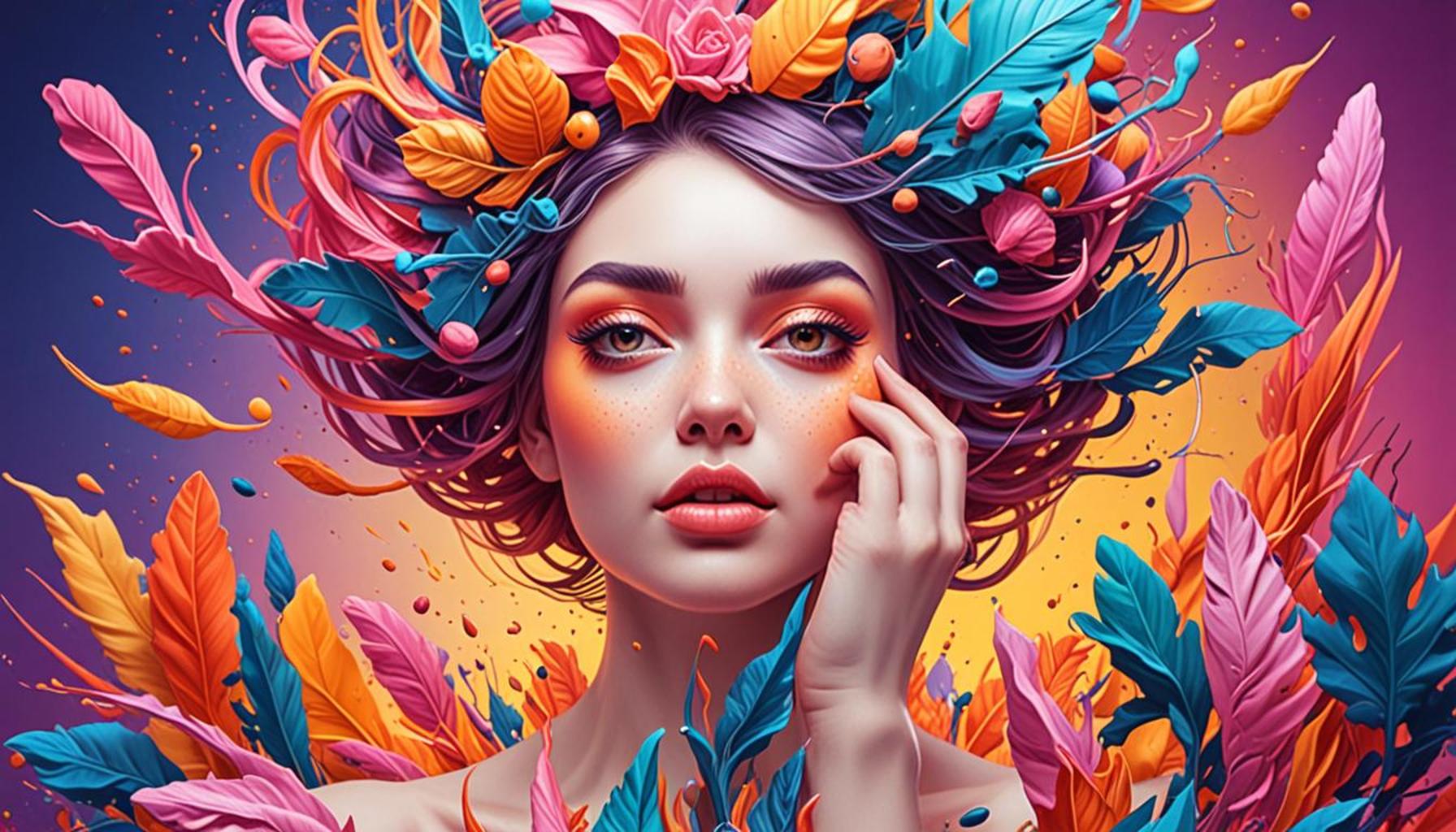
Art is a constantly evolving frontier, where creativity knows no bounds, and the blending of distinctive techniques can redefine established norms. The practice of hybridization in art—where diverse artistic styles converge—results in innovative expressions that captivate audiences across various backgrounds and cultures. This convergence of styles generates fresh dialogues around art, engaging viewers in ways that traditional forms may not.
The concept of mixing methods encourages artists to push beyond their comfort zones, resulting in a dynamic exchange between genres that enhances creativity and inspires innovation. This exploration of mixed techniques offers a fresh perspective on how art is perceived and consumed. To illustrate these transformative practices further, let’s delve into some notable examples:
- Street Art & Fine Art: One of the most recognized names in this blend is Banksy, whose works not only incorporate graffiti techniques but also integrate commentary on societal issues. By merging the raw, spontaneous nature of street art with the structured elements of fine art, Banksy challenges conventional art boundaries and provokes thought on urban culture and politics.
- Digital & Traditional Media: The rise of technology has seen artists like Jonas Wood creatively juxtapose digital illustrations with traditional painting on canvas. This fusion allows for vibrant colors and bold designs that invite viewers to engage with art in a new manner. Digital tools provide an expansive platform for expressive experimentation, offering fresh insights into age-old artistic practices.
- Photography & Painting: The genre of photorealism exemplifies the integration of photography with painting techniques. Artists like Chuck Close use photographs as a blueprint for their detailed, large-scale paintings. This meticulous method not only showcases the technical proficiency of artists but also raises pertinent questions about authenticity and representation in modern art.
The exploration of mixed techniques significantly enriches our understanding and appreciation of art. As artists navigate these hybrid forms, they challenge the status quo, pushing boundaries that invite audiences into new realms of dialogue about creativity. The result is an art landscape that is increasingly pluralistic and diverse, offering multiple perspectives and deeper connections.
In this ever-evolving scene, viewers are encouraged to engage with art on a more intimate level, discovering layers of meaning that may resonate with their own experiences. As the boundaries of artistic expression continue to expand, it will be fascinating to observe how these interactions shape the future of art in the United States and beyond.
DISCOVER MORE: Click here to dive deeper
Breaking Down Barriers: The Power of Hybridization
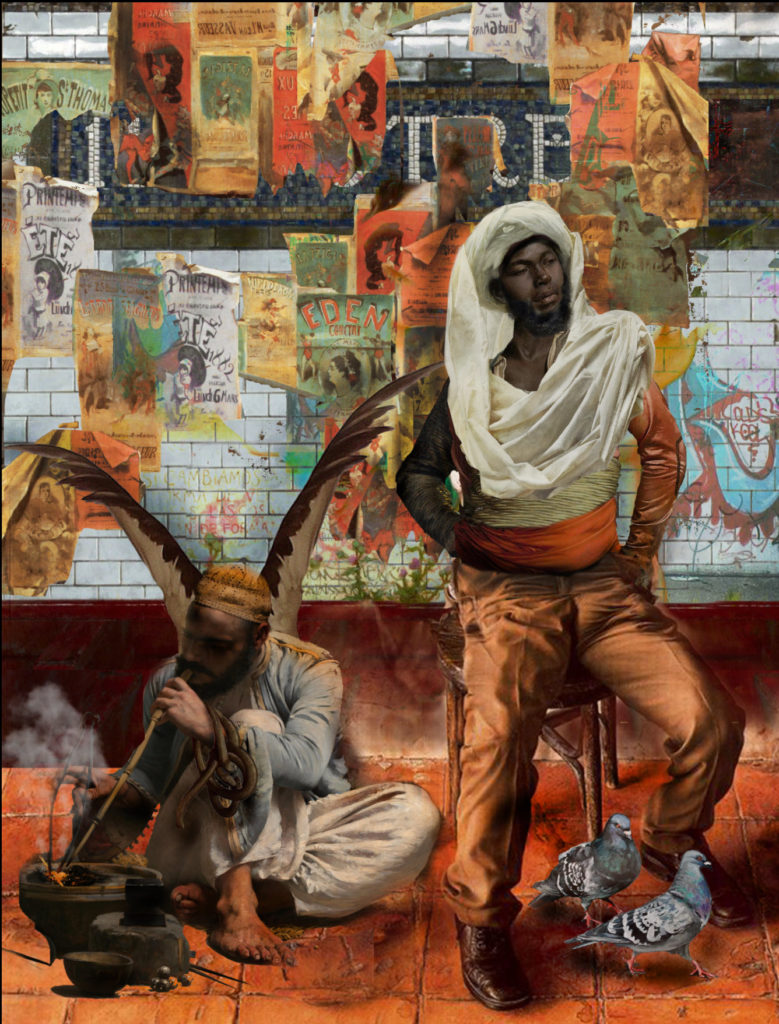
The fusion of artistic styles enables a rich tapestry of creativity that challenges preconceived notions of what art can be. This blending not only serves as a catalyst for innovation but also initiates a cultural dialogue that highlights the interconnectedness of diverse artistic influences. It is essential to acknowledge that the practice of mixing techniques is not a new phenomenon; rather, it has historical precedents that inform contemporary artistic expressions. Artists such as Pablo Picasso pioneered the integration of Cubism and African art, showcasing how the dialogue between disparate styles could yield profound results.
As hybridization continues to gain momentum in today’s art scene, a multitude of styles emerge, each bringing forth unique characteristics. The current landscape is marked by a variety of artistic movements that creatively intersect, enabling artists to draw inspiration from various cultures, mediums, and ideologies. Here are some prominent examples:
- Mixed Media: Artists are increasingly employing mixed media techniques, incorporating materials such as fabric, wood, and even found objects into their works. Artists like Rauschenberg and Kelley have pushed these boundaries by merging painting and sculpture, transcending traditional definitions of art.
- Performance Art: The fusion of visual art with live performance creates dynamic, ephemeral experiences unique to each audience. Artists like Marina Abramović have revolutionized how narrative and emotion are portrayed, blurring the lines between artist and observer.
- Installation Art: Installation artists transform entire spaces, engaging viewers in a multi-sensory environment. Yayoi Kusama, for instance, takes the viewer on an immersive journey by combining visual elements with interactive components, opening up new ways for audiences to experience art.
The hybridization of artistic techniques fosters not just the merging of aesthetics but also the weaving of complex narratives that reflect the contemporary human experience. Viewers are drawn into these multifaceted realms, becoming co-creators of meaning rather than mere observers. This engagement transforms how art is perceived, inviting discussions that envelop cultural appreciation, historical context, and social commentary.
Moreover, the rise of social media has propelled this wave of hybrid art into the limelight, allowing artists to share their work beyond geographic boundaries. Platforms like Instagram and Pinterest facilitate the dissemination of mixed techniques, bringing global visibility to local artists and diverse styles. This democratization of art creates opportunities for collaboration and promotion of new artistic voices, reflecting the diverse tapestry of modern society.
As we celebrate the possibilities that come with the art of mixing techniques, it is apparent that we are witnessing a transformative era in which creativity flourishes. This exploration not only redefines artistic expression but also cultivates a deeper understanding of the myriad influences that shape our world today.
The world of artistic expression is constantly evolving, and one of the most exciting trends is the hybridization of styles. Artists are increasingly blending techniques from different mediums, creating a rich tapestry of creativity that captivates audiences. This fusion allows for a dynamic exploration of themes, offering a fresh perspective that traditional methods often cannot achieve. By incorporating elements from various artistic disciplines, artists can push boundaries, challenge norms, and foster a dialogue among diverse art forms. Take, for example, contemporary installations that combine digital media with traditional sculpture. This innovative approach not only enhances the visual experience but also engages the viewer in a multifaceted narrative. Moreover, the rise of mixed media art reflects this amalgamation of styles, where paint, photography, collage, and found objects coexist harmoniously. Such creations often embody contradictory elements, inviting interpretation and engagement. This exploration of contrasts exemplifies how the artistic landscape is becoming increasingly inclusive, allowing artists to express their identities and cultural backgrounds authentically.The hybridization of techniques exemplifies a broader cultural shift towards interdisciplinarity, inspiring both artists and audiences to reassess preconceived notions regarding art. This cross-pollination of ideas elevates each component, leading to innovative expressions that resonate on multiple levels. Ultimately, this trend not only enriches the art community but also paves the way for future generations of artists to explore unique intersections within the expansive realm of creativity.Furthermore, art enthusiasts are also benefiting from this hybridization phenomenon. The ability to experience varied artistic styles in cohesive works fosters a deeper appreciation and understanding of diverse artistic traditions. Consequently, as these mixed styles gain popularity, they encourage a more extensive discourse around the significance of complexity and variety in art. The blending of techniques is not merely a trend; it embodies the essence of artistic discovery in the modern age.
DISCOVER MORE: Click here to start your creative journey
Embracing Diversity: The Influence of Global Artistic Traditions
Hybridization in art not only encompasses techniques and mediums but also reflects a growing appreciation for cultural diversity. As artists increasingly draw from a variety of global traditions, they are creating works that resonate with audiences on multiple levels. The interaction between different cultural elements enriches the artistic landscape, providing an avenue for storytelling that is both personal and universal.
For instance, the rise of Afrofuturism showcases how African culture merges with science fiction aesthetics to challenge the narrative of marginalization. Artists like Yinka Shonibare and Moonlight’s director Barry Jenkins exemplify this genre by intertwining African history with modern artistic techniques. Their works prompt discussions about identity, race, and representation, demonstrating how hybrid art can act as a powerful vehicle for social change.
Moreover, the influence of Asian art forms can be seen in the integration of techniques such as ink wash and calligraphy within contemporary practices. Artists like Akira Kurosawa in film and Ai Weiwei in visual arts utilize these rich traditions to comment on current socio-political issues, further exemplifying the conversation across cultures. With each stroke and form, the global art community is invited to engage in a dialogue that transcends geographical borders.
The incorporation of digital technology within traditional art techniques has also reshaped the hybrid landscape. Digital artists are pushing the envelope further by utilizing software to manipulate images and sounds, thus merging the tangible with the virtual. Artists such as Beeple and Refik Anadol are examples of pioneers who blend digital visuals with themes tied to society and technology, creating immersive experiences that resonate with the digital age audience. Their work prompts questions about authorship and the very essence of what constitutes art, inviting viewers to reconsider their perceptions.
Furthermore, educational institutions are beginning to embrace this hybrid approach, offering programs that encourage students to explore the confluence of various artistic disciplines. Workshops that combine ceramics and digital design or visual arts and performance allow emerging artists to experiment with unconventional combinations, ultimately fostering a generation that values versatility and innovation. This cross-disciplinary education enhances the artistic toolkit, enabling future creators to break free from traditional constraints.
As the art world continues to evolve, the hybridization of techniques symbolizes more than just a merging of styles—it is a reflection of our increasingly interconnected reality. Artists are not only curators of their own experiences but also ambassadors of cultural integration, drawing connections that foster empathy and understanding among diverse audiences. This ongoing exploration of creativity through mixed artistic styles invites us all to engage and reflect on the complexities of our world, further enriching the human experience.
DISCOVER MORE: Click here to dive into creative DIY projects
Conclusion: The Future of Artistic Innovation
In conclusion, the exploration of hybrid artistic techniques serves as a reflection of our rapidly evolving society. As artists merge different styles, traditions, and mediums, they not only expand their own creative boundaries but also contribute to an enriched tapestry of cultural expression. The practice of blending diverse influences fosters a renewed appreciation for cultural diversity, encouraging meaningful dialogues that resonate with audiences globally.
Furthermore, the incorporation of digital innovations into traditional art forms invites us to reconsider what art can be in the 21st century. Artists like Beeple and Ai Weiwei are not merely adapting; they are redefining narratives, challenging our perceptions, and inspiring the next wave of creators. This spirit of experimentation is also being cultivated in academic institutions, bridging disciplines and empowering students to transcend conventional artistic boundaries.
As we reflect on the significance of artistic hybridization, it becomes clear that this movement is more than an aesthetic choice. It embodies our collective yearning for connection and understanding in a world that is often fragmented. Embracing this art form encourages us to not only appreciate the beauty that arises from collaboration but also to engage with the societal questions it provokes. By celebrating the art of mixing techniques, we can continue to discover fresh perspectives, deepen our insights, and foster a vibrant cultural landscape that truly represents our global community.
Related posts:
Exploring Digital Art: Creating Worlds and Emotions in Pixels
The Art of Origami: Transforming Paper into Creative Expression
The Journey of Self-Discovery Through Painting: How Art Can Transform Emotions into Colors
Exploring Mixed Media Integrating Diverse Art Techniques
The Art of Performance: Integrating Body and Space in Creative Exploration
Exploring Shadow Theatre: The Magic of Visual Narrative
Linda Carter is a writer and creative hobbies expert specializing in crafting, DIY projects, and artistic exploration. With extensive experience helping individuals discover their creative potential and bring their ideas to life, Linda shares her knowledge on our platform. Her goal is to empower readers with practical tips, inspiring ideas, and step-by-step strategies for success in the world of creative hobbies.