Music as Sound Painting: Composing Emotions Through Melodies
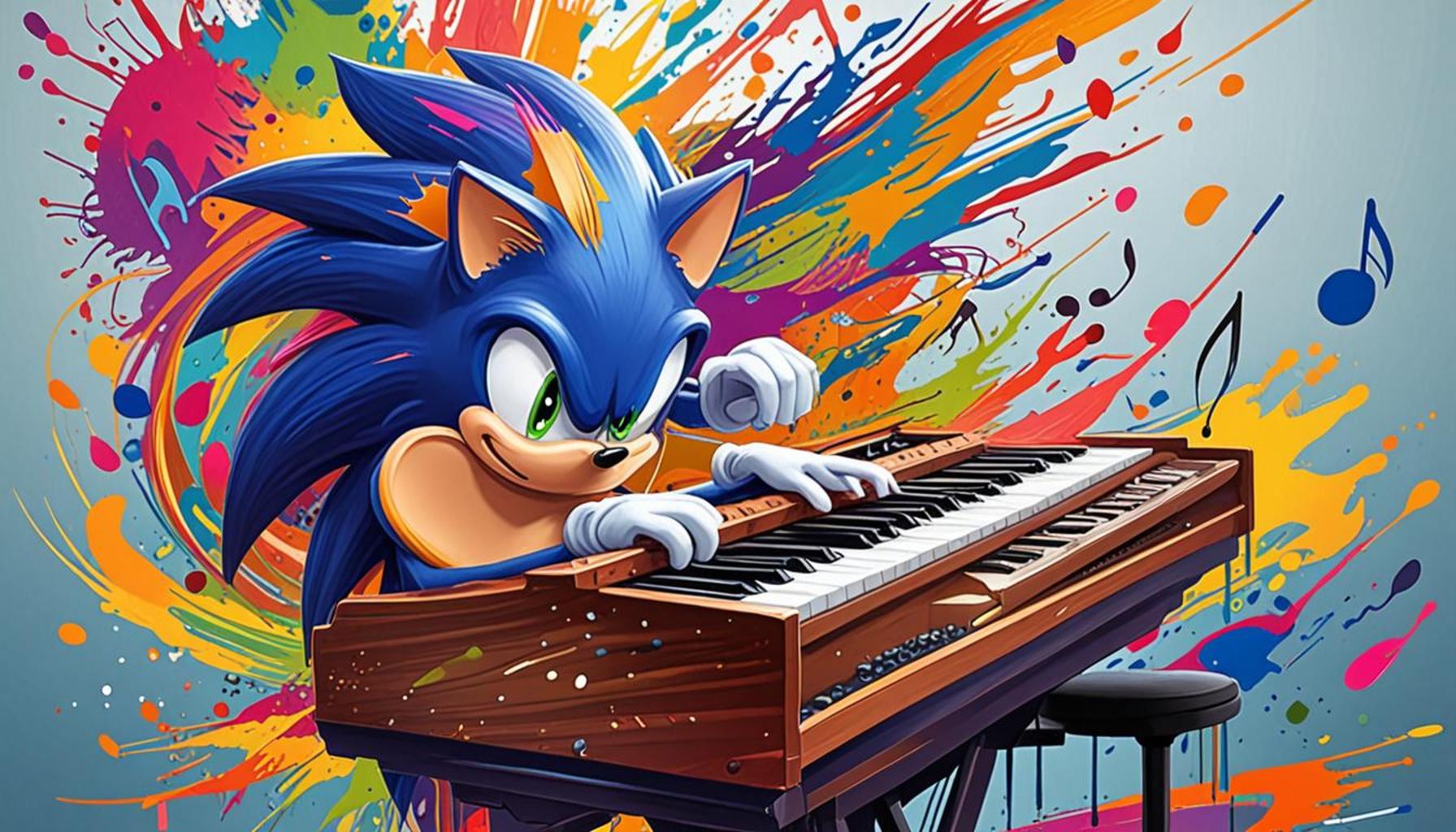
The Profound Influence of Music on Human Emotion
Have you ever felt transported by a melody? Music, often described as a universal language, has the profound ability to evoke emotions and paint vivid landscapes in the mind. Through its myriad forms and styles, it serves as a conduit for feelings that words may fail to convey. This connection between sound and sentiment spans across time and culture, highlighting music’s essential role in human experience.
Consider how a single piece of music can evoke a complex tapestry of feelings. The emotional spectrum presented by music encompasses everything from overwhelming joy to deep sadness, nostalgia, and exhilaration. For example, Beethoven’s “Moonlight Sonata” often resonates with listeners due to its haunting beauty, stirring feelings of melancholy and reflection. In contrast, the lively beats of Pharrell Williams’ “Happy” can instantly uplift spirits and inspire dance. Such diverse emotions are crafted through various musical techniques, including melody, rhythm, and dynamic shifts.
Exploring Different Genres
Musical genres play a significant role in shaping emotional experiences. From classical symphonies that often depict epic narratives to contemporary pop songs that reflect the nuances of modern love, each genre showcases unique ways to evoke feelings. For instance, country music frequently tells stories of heartache and longing, employing instruments like the slide guitar and fiddle to amplify emotional resonance. Hip-hop, on the other hand, often employs rhythm and lyrical prowess to convey personal struggles and triumphs, creating a powerful connection with listeners.
The Role of Cultural Influences
Furthermore, music reflects cultural backgrounds, adding depth to emotional expressions through traditional instruments and styles. The African rhythms in jazz reveal a history of resilience and celebration, while Native American flute music can evoke tranquility and introspection. In the United States, genres like blues emerged from the African American experience, encapsulating both sorrow and resilience. This cultural richness enhances the listening experience and allows for varied interpretations of emotion.
As you delve deeper into the world of sound painting, you’ll discover how composers and artists harness melody, harmony, and rhythm to create immersive emotional experiences. From the powerful orchestral arrangements in film scores to the simple yet profound lyrics of singer-songwriters, music continues to be a driving force in expressing the deepest parts of the human condition. Join us as we unravel the intricate relationship between music and emotions, uncovering the power of sound that resonates within each of us.
DISCOVER MORE: Click here to enhance your writing creativity
The Emotional Palette of Music
As we immerse ourselves in music, we find that melodies often serve as a canvas for emotions, allowing listeners to experience feelings that are sometimes ineffable. Each note and rhythm contributes to an intricate portrait of human emotion, crafted by composers and musicians who understand the profound impact sound can have on the psyche. This relationship between music and emotion goes beyond mere entertainment; it becomes a vital part of our emotional well-being and self-expression.
When analyzing how music paints emotional landscapes, it’s essential to consider the elements that shape our experiences. The following components play significant roles in evoking feelings through melodies:
- Melody: The tune or musical line that can be uplifting, haunting, or quirky often serves as the centerpiece of a composition. A simple, catchy melody can evoke a sense of joy and nostalgia.
- Harmony: The combination of different pitches simultaneously creates a rich sound that can enhance emotional depth. Dissonant harmonies can generate tension, while consonant harmonies bring resolution and peace.
- Rhythm: The beat and tempo can significantly affect how music is perceived emotionally. Up-tempo rhythms can encourage movement and excitement, while slower rhythms may promote introspection and calm.
- Dynamics: The variation in loudness and intensity throughout a piece can create powerful contrast and lead to emotional climaxes that resonate deeply with listeners.
To illustrate the power of these elements, consider the impact of a film score. Composers like Hans Zimmer and John Williams have mastered the art of musical storytelling by using these elements to accompany visual narratives, enhancing the audience’s emotional response. In films like “Inception” and “Star Wars,” every crescendo and decibel shift amplifies the experience, transforming simple scenes into deeply emotional moments. The music becomes a character in itself, guiding the viewer’s feelings and immersing them in a shared journey.
Music Therapy and Emotional Healing
Beyond entertainment, music also serves as a powerful tool for emotional healing. Music therapy has become increasingly recognized in mental health treatment, where professionals employ music to address emotional, cognitive, and social needs. The therapeutic aspects of music can facilitate communication, reduce anxiety, and promote emotional expression, which is particularly beneficial for individuals struggling with trauma, depression, or anxiety.
In settings like hospitals or rehabilitation centers, patients often find comfort in melodies that resonate with their experiences. Songs that evoke memories or emotions can serve as a healing mechanism, reminding us of our humanity and resilience. Furthermore, creating music through instruments or songwriting encourages self-exploration and catharsis, making it an invaluable part of emotional wellness.
As we delve further into the realm of music as sound painting, we uncover how deeply intertwined our emotions are with melodies. It invites us to consider not just what we feel but why music stirs us in such profound ways, compelling us to explore the vast emotional spectrum and its ties to our personal experiences.
As we delve deeper into the theme of Music as Sound Painting: Composing Emotions Through Melodies, it becomes clear that music is not just a collection of notes, but a profound medium for expressing the intricate tapestry of human emotions. Each melody serves as a brushstroke, painting a vivid picture of feelings that words often fail to capture. The relationship between sound and emotion is an age-old exploration for composers and listeners alike, revealing the power inherent within musical compositions.
One compelling aspect of this theme is the psychological impact music can have on our emotional state. Research has shown that melodies can trigger memories, influence moods, and even enhance cognitive functions. For instance, a calm piano sonata can evoke feelings of nostalgia or serenity, while a vigorous orchestral piece might incite excitement or even motivate us to take action. The science of music therapy underscores these connections, where trained professionals utilize music as a tool for emotional healing, highlighting how powerful these auditory experiences can be.
Moreover, different genres and styles of music can elicit varied emotional responses, making it essential to consider cultural and personal contexts. For example, traditional African drumming often symbolizes celebration and community, whereas sorrowful ballads in folk music detail personal struggles and loss. This diversity in expression showcases music’s ability to encapsulate the human experience and communicate across regional and cultural boundaries.
Ultimately, understanding music as a form of sound painting invites listeners to explore their own emotional landscapes. By engaging with melodies, individuals can find resonance with their personal stories, leading to profound insights and emotional enlightenment. As we continue to explore this relationship, we discover an expansive world where melodies not only entertain but also illuminate our innermost thoughts and feelings.
| Category 1 | Category 2 |
|---|---|
| Emotional Impact | Music triggers emotions, enhancing mood and memory. |
| Cultural Expression | Different genres convey unique emotional narratives. |
DISCOVER MORE: Click here to dive deeper
The Spectrum of Musical Genres and Emotional Expression
As we delve deeper into the world of music as sound painting, it’s crucial to explore how different musical genres uniquely channel emotional expression. Each genre possesses distinctive characteristics that shape the way individuals perceive emotions, providing diverse avenues to experience the spectrum of human feeling.
For instance, classical music often embodies complexity and nuanced emotional narratives. Composers like Bach, Beethoven, and Tchaikovsky utilized orchestration, counterpoint, and thematic development to express sorrow, joy, or triumph. A piece like Beethoven’s “Moonlight Sonata” evokes a deep sense of longing, while Vivaldi’s “Four Seasons” captures the vibrancy of life through dynamic contrasts in melody and rhythm. This genre invites listeners to engage in emotional intelligence, interpreting the subtleties hidden within the harmonic structures and melodic lines.
In contrast, rock music frequently channels raw emotion and rebellion. Bands such as Nirvana and The Rolling Stones have harnessed the power of angst and passion to resonate with the experiences of generations. Tracks like “Smells Like Teen Spirit” and “Paint It Black” illustrate the struggle for identity and the pain of heartbreak, showcasing how powerful guitar riffs and persistent beats can evoke visceral reactions. Rock serves as an outlet for those seeking an escape from the pressures of daily life, enabling a cathartic release through high-energy performance and lyrical depth.
Jazz deserves a mention as well, with its improvisational style that often reflects the emotional state of the performer in real-time. Artists like Miles Davis and John Coltrane have defined the genre, using syncopation and innovative chord progressions to convey feelings of joy, sorrow, or contemplation. Jazz is often likened to a conversation, with each instrument engaging in dialogue, creating a sonic tapestry that feels both spontaneous and deeply personal. Tracks like “So What” by Miles highlight how complex emotions can emerge from collaboration and individual expression alike.
The Role of Lyrics in Emotional Composition
In genres where vocals are prominent, such as pop and country music, the lyrics play a pivotal role in shaping emotional narratives. Singer-songwriters like Taylor Swift and Bob Dylan craft stories that resonate with listeners, allowing for a profound connection through their relatable themes of love, loss, and personal growth. Swift’s song “All Too Well” is a prime example of lyricism that captures the intricacies of heartbreak while invoking vivid imagery. The ability of lyrics to articulate emotions gives them an unparalleled power to create shared experiences among listeners.
Hip-hop also serves as a formidable medium for emotional expression. Artists like Kendrick Lamar and J. Cole tackle societal issues, inner turmoil, and identity struggles through their lyrics and rhythms. Songs such as “Alright” and “Love Yourz” showcase how music can be a powerful vehicle for addressing personal and collective experiences, often transcending traditional boundaries of emotional communication.
Additionally, the emergence of technology in music creation has broadened the storytelling palette. Digital production allows artists to experiment with sounds, layering and manipulating audio to evoke specific feelings. The rise of platforms like SoundCloud and Bandcamp has democratized the music landscape, allowing diverse voices to contribute their emotional narratives in innovative ways, making the art of composing emotions even more accessible.
Through these varied genres and lyrical frameworks, we begin to see how music not only paints emotions but serves as a mirror to our shared human experience, encouraging us to reflect, connect, and understand the depths of what it means to feel.
DISCOVER MORE: Click here to dive deeper
Conclusion: The Emotional Palette of Music
In our exploration of music as sound painting, we’ve uncovered the profound ways in which different genres wield the brush of emotion, intricately crafting landscapes of feeling that resonate deeply within us. From the delicate nuances of classical music, where composers intricately weave harmonic textures to express complex emotions, to the raw, impactful energy of rock that captures the spirit of rebellion and identity, each genre offers a unique portal into the human experience. The improvisational essence of jazz invites us to engage with spontaneity, revealing emotions in real-time, while lyrical storytelling in pop and country music grounds us in relatable narratives of love and loss.
Moreover, the rise of hip-hop as a powerful medium highlights how music transcends traditional emotional boundaries, voicing societal struggles and personal reflections in a way that resonates with audiences across diverse backgrounds. As technology continues to shape the music landscape, the accessibility afforded by platforms like SoundCloud and Bandcamp democratizes musical expression, allowing a multitude of voices to color in the emotional canvas of our collective experience.
Ultimately, music emerges not only as a form of entertainment but as a vital conduit for emotional expression, fostering connection and understanding among listeners. This rich tapestry of sounds and melodies encourages us to explore the depths of our feelings and the shared narratives that define us. Through music as sound painting, we are reminded of our shared humanity, a reminder that each note and lyric serves to illuminate our emotional journeys. So, as you immerse yourself in the world of music, consider every melody a stroke on the canvas of emotion—one that invites reflection, connection, and discovery.
Related posts:
Dance as the Language of the Soul: Expressing Emotions Through Movement
Exploring Mixed Media Integrating Diverse Art Techniques
The Influence of Nature on Artistic Creation: Exploring Biodiversity as a Source of Inspiration
How Abstract Art Influences Personal Self-Expression Dynamics
The Journey of Self-Discovery Through Painting: How Art Can Transform Emotions into Colors
Exploring Digital Art: Creating Worlds and Emotions in Pixels

Linda Carter is a writer and creative hobbies expert specializing in crafting, DIY projects, and artistic exploration. With extensive experience helping individuals discover their creative potential and bring their ideas to life, Linda shares her knowledge on our platform. Her goal is to empower readers with practical tips, inspiring ideas, and step-by-step strategies for success in the world of creative hobbies.