The Expression of the Collective Imagination: How Dreams and Myths Influence Artistic Creation
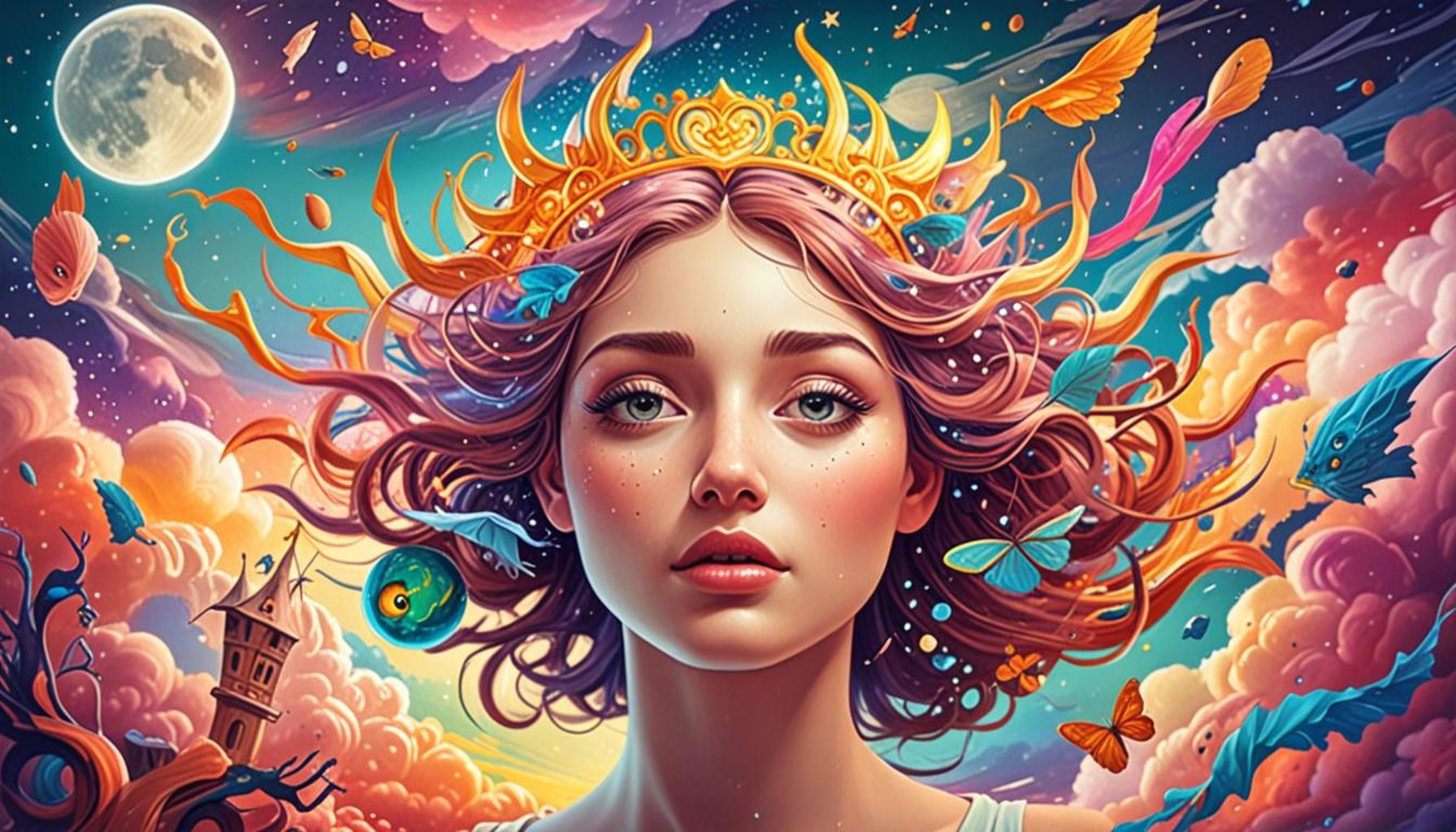
The Power of the Subconscious in Artistic Creation
Art has consistently acted as a mirror reflecting the collective imagination of society. Two profound forces driving this phenomenon are dreams and myths. These elements fuel artistic creativity and shape enduring cultural narratives, transcending time and geography to influence generations.
A closer examination of the relationship between dreams, myths, and artistic expression reveals several compelling dimensions:
- Cultural Relevance: Myths are not just ancient stories; they encapsulate the fundamental values, beliefs, and moral lessons of a society. For instance, American myths like the legend of Paul Bunyan celebrate the glorification of hard work and the natural landscape, inspiring a wealth of artistic interpretations from literature to visual art. Artists like Grant Wood, known for his iconic painting “American Gothic,” harnessed cultural myths to delve into the heart of American identity, reflecting societal norms and values through visual storytelling.
- Emotional Resonance: Dreams serve as a portal into the subconscious mind, often revealing our innermost feelings and fears in abstract and surreal ways. They become a vital source of inspiration for artists seeking to express complex emotions. Surrealists like Salvador Dalí drew heavily from the vivid imagery of dreams, crafting iconic works such as “The Persistence of Memory,” where soft clocks draping over a desolate landscape compel viewers to confront the fluidity of time and existence.
- Historical Context: Both dreams and myths act as historical lenses, allowing viewers to explore the legacies of past cultures and their influence on the modern world. For instance, Greek mythology has influenced countless artists, from ancient sculptures to contemporary films. The stories of gods and heroes not only provide narrative depth but also reflect the societal ideals and struggles of their time. An artist like Jean-Auguste-Dominique Ingres embraced these elements in his neoclassical works, reviving these stories to comment on contemporary issues of his era.
The exploration of how dreams and myths intertwine with artistic creativity opens up exciting possibilities for interpretation and analysis. Artists across various mediums continue to draw inspiration from these wellsprings, igniting conversations about identity, existence, and universal human experiences. For example, the vibrant self-portraits of Frida Kahlo incorporate elements of Mexican folklore and personal symbolism, offering insights into her tumultuous life while anchoring her work in mythic storytelling.
This intricate interplay between dreams, myths, and artistic expression not only enriches our understanding of art but also urges us to engage with our own collective imagination. By delving into these themes, we uncover deeper insights into human expression and the underlying narratives that shape our experiences. As we venture into this intricate landscape, we are encouraged to question and redefine our perceptions of reality based on the shared wisdom passed down through centuries, inviting new dialogues across cultures and generations.
DISCOVER MORE: Click here to learn about the impact of music on mental health
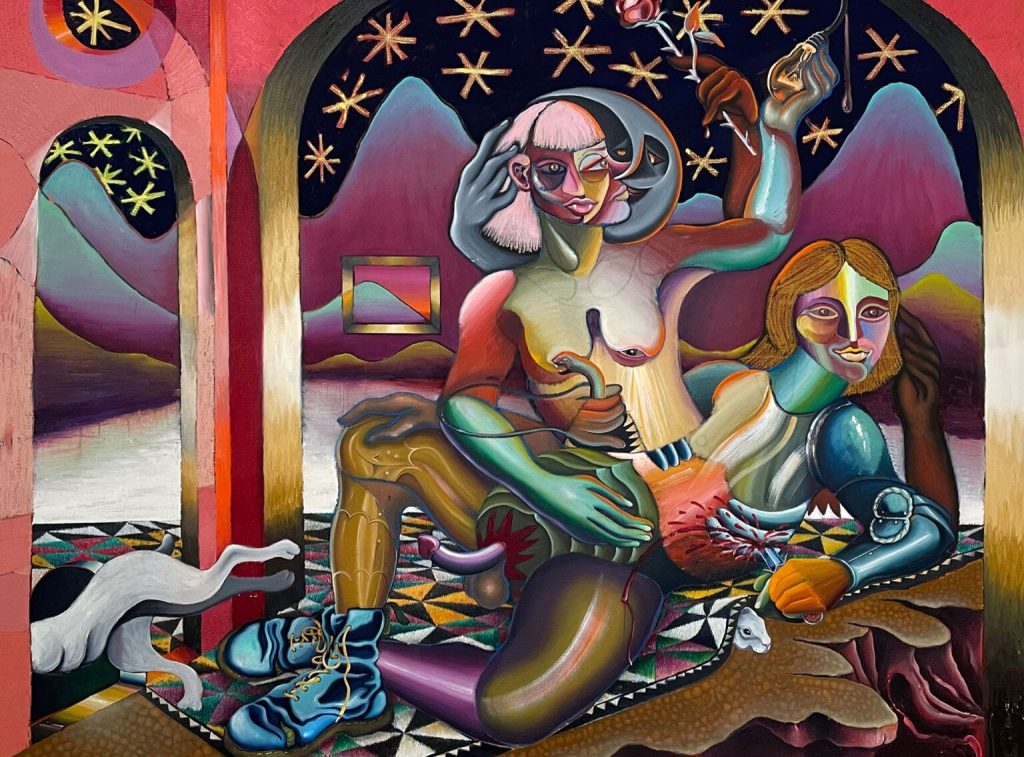
Dreams as a Well of Inspiration
The realm of dreams, often regarded as a fascinating intersection of the subconscious and the conscious mind, serves as a compelling source of artistic inspiration. Artists have long been captivated by the ethereal qualities of dreams, viewing them as windows into an unseen universe filled with vivid imagery and profound emotions. The surreal nature of dreams opens up discussions on the collective imagination, leading to the creation of works that challenge traditional perceptions and invite audiences to explore alternate realities.
One of the most influential movements in art history that embraced the language of dreams is the Surrealist movement. Artists like André Breton, who famously defined Surrealism as a way to reconcile the conscious and unconscious realms, set the stage for a revolutionary approach to artistic creation. The dream imagery found in works by artists such as René Magritte and Max Ernst exemplifies how dreams can distort familiar objects and narratives, giving rise to compelling thought and emotion. For example, Magritte’s painting “The Son of Man” features a man in a suit with a floating green apple obscuring his face, provoking questions about identity and perception that resonate deeply with the viewer.
As dreams transcend cultural boundaries, they provide a rich tapestry that influences various artistic expressions. Notably, the impact of dreams goes beyond painting and literature; it also extends into theater, music, and film. Consider the influence of dreams on filmmakers like Federico Fellini, whose iconic films often blur the lines between dream and reality, capturing the absurdities and complexities of the human experience. In works such as “8½,” Fellini leverages dream sequences to explore the creative process itself, reflecting the internal struggles of artists while engaging the audience’s imagination.
Myths as Cultural Narratives
While dreams operate on a personal level, myths encapsulate the shared experiences and beliefs of civilizations throughout history. These narratives, steeped in symbolism and cultural significance, resonate with audiences across time and space. Myths serve not only as entertainment but also as blueprints for understanding human behavior, morality, and societal norms. Artists, therefore, have tapped into these narratives to create compelling works that speak to the collective consciousness.
Take, for instance, the mythological underpinnings of modern storytelling in film and literature. The classic hero’s journey, a narrative structure prominently explored by Joseph Campbell in his seminal work “The Hero with a Thousand Faces,” can be seen in countless contemporary stories, emphasizing the universal struggle for identity and self-discovery. From graphic novels to blockbuster films like “Star Wars,” these archetypal stories cultivate a shared connection among audiences, as they navigate the triumphs and tribulations of the heroes portrayed on screen.
The relationship between dreams and myths highlights a fundamental aspect of artistic creation: the profound impact of the collective imagination. As artists weave together personal dreams and cultural myths, they reveal deeper truths about life and existence. This powerful amalgamation not only enriches individual expression but also fosters a sense of unity and understanding within diverse communities, leading us to question and explore our own narratives.
| Advantages of Collective Imagination | Influence on Artistic Creation |
|---|---|
| Enhanced Creativity | Draws from shared dreams and myths, expanding artistic boundaries and possibilities. |
| Cultural Connectivity | Art becomes a medium that reflects cultural narratives, fostering unity among diverse groups. |
In the realm of artistic expression, the role of the collective imagination cannot be overstated. It serves as a profound reservoir of inspiration that artists continuously draw from, shaping their perspectives and creative outputs. A prime advantage is the potential for enhanced creativity. By tapping into shared dreams and myths, artists can transcend personal experiences, allowing their work to explore a plethora of human emotions and ideas that resonate universally. This shared narrative framework cultivates an artistic landscape that challenges conventional boundaries and invites innovation.Furthermore, the cultural connectivity fostered through the expression of collective imagination is remarkable. Art is not merely an individual endeavor; it is a communal experience that reflects and amplifies the narratives of various cultures. This provides artists with a unique opportunity to create works that bridge diverse perspectives, creating an empathetic dialogue that strengthens the fabric of society. As we explore the nuances of dreams and myths in art, we uncover the intricate ways in which they shape both individual and collective storytelling.
DISCOVER MORE: Click here to learn about the impact of music on mental health
The Interplay of Dreams and Myths in Artistic Expression
The intricate connection between dreams and myths manifests through the fusion of personal and collective storytelling. Artistic creation thrives at the crossroads of these two elements, as artists draw upon the archetypal themes and symbols embedded in cultural myths while simultaneously channeling the idiosyncratic nature of dreams. This interplay allows for an enriched narrative landscape, enticing audiences to engage more deeply with the artwork.
One of the most poignant examples of this synthesis can be seen in the work of artists such as Frida Kahlo. Kahlo’s paintings are rooted in her personal experiences, often characterized by dreams laden with pain, identity struggles, and cultural heritage. However, she also evokes elements of Mexican mythology, infusing her work with broader societal themes. Her iconic piece, “The Two Fridas,” offers a duality that intertwines her personal narrative with a cultural one, inviting viewers to consider their own dualities and connections to heritage. The use of vibrant colors and surreal elements in her compositions emulates a dreamlike quality, blurring the lines between the personal and the mythic.
The mythological theme resurfaces in the works of contemporary authors as well. In literature, the vast universe of mythology frequently inspires novelists and poets to create new narratives that address modern concerns through ancient lenses. For instance, Neil Gaiman’s novels often weave traditional myths with contemporary issues. His book “American Gods” draws on mythological figures, placing them in a modern context, thus revealing how cultural heritage persists and evolves in the fabric of modern society. By bridging the old and the new, Gaiman invites readers to reflect on the influence of mythology in their own lives.
Furthermore, the use of myths and dreams extends into the realm of music. Artists such as David Bowie and Björk have continually incorporated dreamlike narratives and mythological references in their songs and performances. Bowie’s character Ziggy Stardust serves as a manifestation of the dream of fame and identity, while deeply rooted in mythological tropes of heroism and transformation. Björk, known for her avant-garde approach, often mirrors the surrealistic imagery of dreams in her sound and video aesthetics, alongside references to nature and folklore that resonate across cultures. These elements create experiences that invite listeners to explore their own imagination and connection to universal themes.
Additionally, the elemental power of myths has gained momentum in the realm of film and visual storytelling, where directors leverage ancient narratives to create compelling modern tales. Filmmakers like Guillermo del Toro exemplify the marriage of dreams and myths, crafting stories drenched in magical realism. His film “Pan’s Labyrinth” acts as a powerful allegory for the impacts of war, featuring a blend of personal experience and mythical storytelling that captivates the audience and evokes a collective response. Del Toro’s ability to weave folklore with individual struggles highlights how myths serve not just as narratives, but as vital means through which artists articulate their commentary on contemporary issues.
This confluence of dreams and myths continually influences artistic innovation, as creators draw on timeless themes that resonate within the collective consciousness. The resulting artworks foster a sense of shared experience, reinforcing the impact of the collective imagination across generations and geographical boundaries. Such narratives invite contemplation of larger questions regarding the human condition, ultimately demonstrating how dreams and myths remain foundational elements of artistic expression.
DIVE DEEPER: Click here to discover more about crafting and wellness
Conclusion: The Enduring Influence of Dreams and Myths on Art
In exploring the intricate connection between dreams, myths, and artistic creation, it becomes clear that these elements serve as a powerful reservoir for the collective imagination. Artists, whether painters, writers, musicians, or filmmakers, continuously utilize the timeless themes and archetypes embedded in cultural narratives to express profound truths about the human experience. As demonstrated through the works of artists like Frida Kahlo, Neil Gaiman, David Bowie, and Guillermo del Toro, the blending of personal and cultural stories enriches artistic expression, allowing audiences to explore their own identities and collective heritage.
The importance of this dialogue between the individual and the mythic cannot be overstated. It not only fosters a deeper understanding of personal and collective struggles but also engages viewers and listeners in a shared exploration of universal themes. As artistic landscapes evolve, the influence of dreams and myths persists, inviting both creators and audiences to traverse the realms of imagination where art becomes a vehicle for connection and reflection.
As we navigate a world increasingly characterized by complexity and change, the synthesis of dreams and myths in art remains a vital source of inspiration. It compels us to question our realities, consider our shared narratives, and ultimately, appreciate the rich tapestry of human thought and creativity that continues to shape our cultural landscapes. By recognizing this enduring bond, we open ourselves to a broader understanding of art’s role in bridging the gaps between past and present, individual and community, fantasy and reality.
Related posts:
How Abstract Art Influences Personal Self-Expression Dynamics
Music as Sound Painting: Composing Emotions Through Melodies
Exploring Photography as a Form of Creative Expression: Capturing Moments and Emotions
The Art of Telling Stories in Comics: Mixing Illustration and Narrative to Express Ideas
The Art of Cooking: Transforming Ingredients into Creative and Tasty Creations
Exploring Digital Art: Creating Worlds and Emotions in Pixels
Linda Carter is a writer and creative hobbies expert specializing in crafting, DIY projects, and artistic exploration. With extensive experience helping individuals discover their creative potential and bring their ideas to life, Linda shares her knowledge on our platform. Her goal is to empower readers with practical tips, inspiring ideas, and step-by-step strategies for success in the world of creative hobbies.