Dance as the Language of the Soul: Expressing Emotions Through Movement
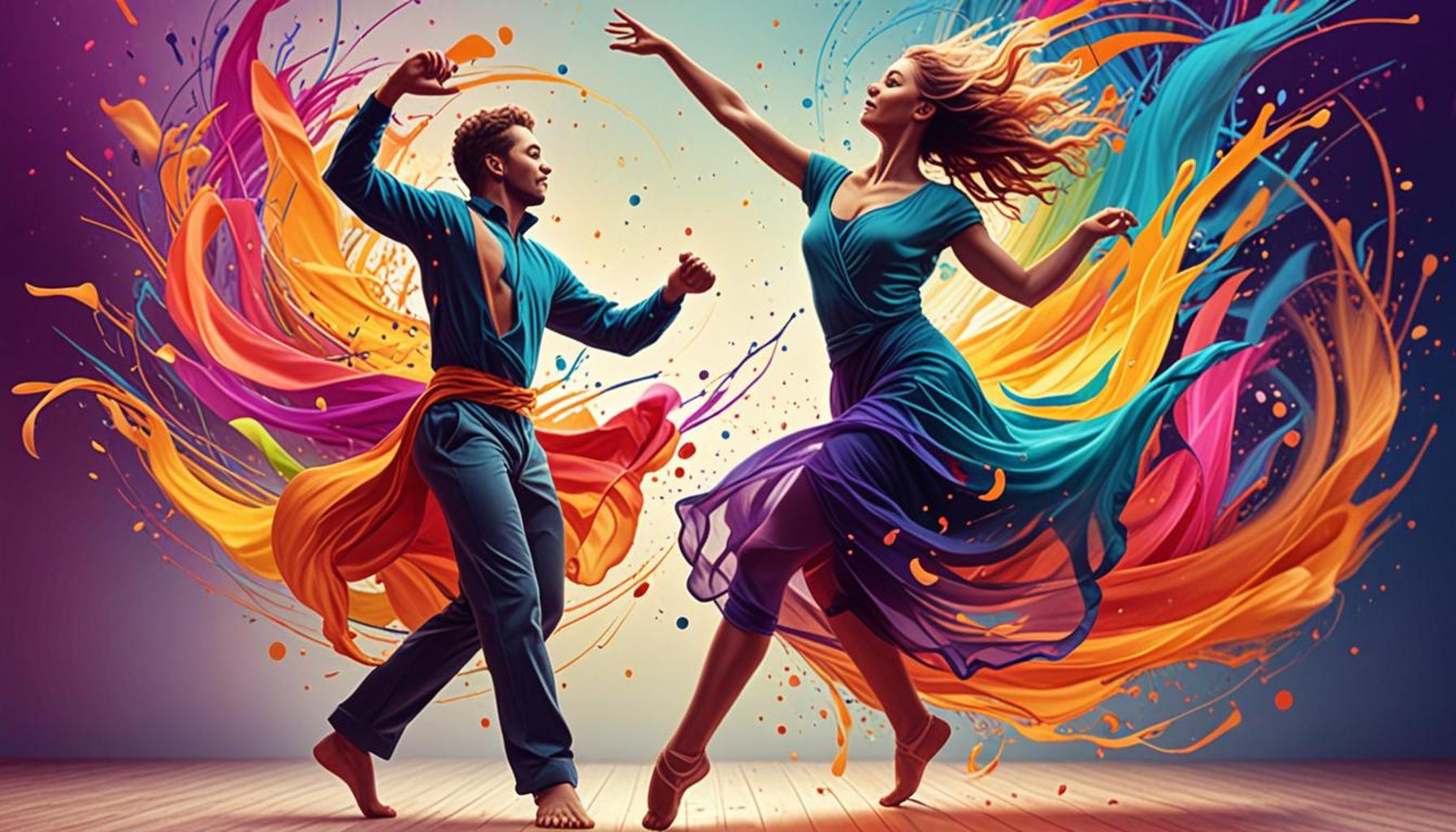
The Power of Dance in Human Connection
Throughout history, dance has served as a powerful medium for individuals to convey their feelings and stories. It transcends cultural boundaries, allowing people to communicate emotions in a way that words often fail to achieve. With roots in ancient rituals and social gatherings, dance has evolved into an expressive form that resonates with both participants and audiences alike.
Why Dance Matters:
- Enhances emotional release: Dance offers an unparalleled means of emotional catharsis, enabling individuals to channel feelings of joy, sorrow, anger, or despair through physical movement. Whether it’s a celebratory dance at a wedding or a somber solo performance, the body becomes a vessel for expressing what words cannot.
- Reflects cultural heritage and personal identity: Dance often embodies the traditions and narratives of specific cultures. Genres like salsa and tango not only showcase technical skill but also encapsulate the history and values of their origins, enriching our understanding of diverse communities. For instance, Native American powwow dances honor spirituality and tribal unity, while street dances such as breakdancing represent urban culture and resilience.
- Fosters connection among diverse communities: Dance can unite people from various backgrounds. Community events like dance festivals and flash mobs celebrate this unity, proving that anyone can partake in the joy of movement, regardless of skill level or cultural differences.
In the United States, various dance styles demonstrate how movement encapsulates the essence of human experience. The rhythmic intensity of hip-hop offers a medium for addressing societal issues, while the graceful elegance of ballet often conveys stories of love and conflict. Each dance form provides a unique lens through which emotions are expressed, creating a rich tapestry of human stories that engage audiences.
Key Elements of Dance as Emotion:
- The power of physical expression: Dancers utilize their bodies as instruments, crafting intricate movements that tell compelling stories. A simple twirl or leap can evoke memories, provoke laughter, or even inspire tears.
- Music as a catalyst for movement: The relationship between music and dance is profound; music serves not only as a backdrop but as a motivational force that drives dancers to express their innermost feelings. Many dancers credit their connection to their craft as an integral part of their emotional experience.
- Improvisation as a personal narrative tool: In dance, improvisation allows for real-time exploration of emotions and creativity. This spontaneity offers dancers an opportunity to narrate their personal stories through movement, creating a unique experience that may never be replicated.
Dancers often create an evocative dialogue that resonates with audiences, allowing for shared experiences that can bridge gaps, foster empathy, and encourage introspection. This relationship between dancing and emotional expression invites us to reflect on how movement can encapsulate the complexities of human experience.
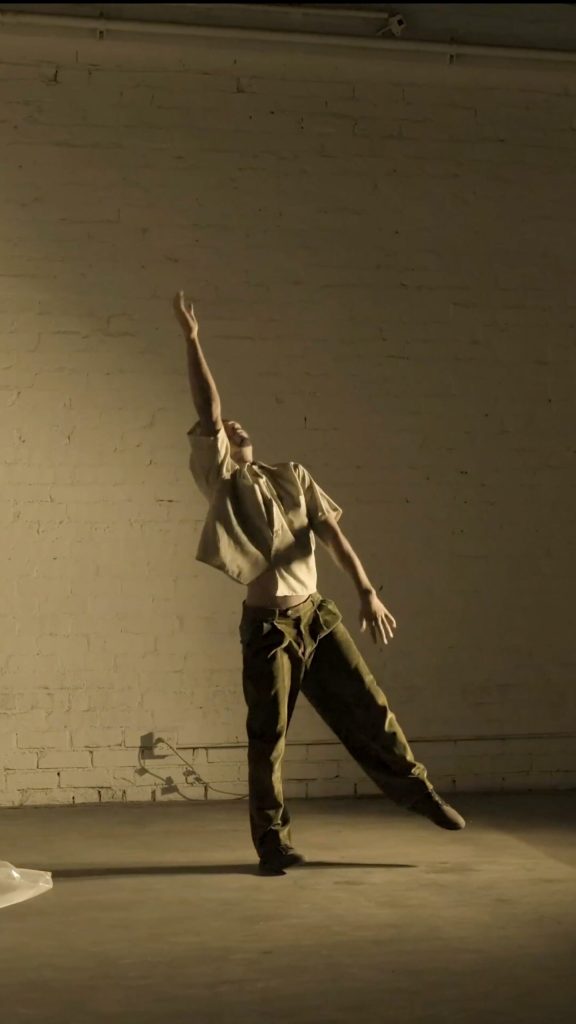
As we delve deeper into this intricate relationship, consider how every movement can tell a story—the story of the soul. Engaging in this art form may not only unlock a deeper understanding of your own feelings but also foster connections with others, creating a sense of community and shared humanity.
DISCOVER MORE: Click here to delve into nature’s impact on art
Unpacking the Emotional Expression of Dance
Dance is not merely a series of movements; it is a profound expression of the human experience. This unique art form goes beyond entertainment, allowing individuals to explore and channel their inner feelings. Dance as a language of the soul provides a form of communication that articulates complex emotions while evoking visceral responses from both the dancer and the audience.
Universality of Emotion in Dance:
- Transcending language barriers: Dance speaks a universal language. Regardless of cultural background, individuals can connect through shared rhythm and movement, expressing joy, grief, and everything in between. You can witness this firsthand in international dance festivals, such as the American Dance Festival, where dancers from all over the globe converge to share their interpretations of cultural narratives through the art of movement.
- The psychological benefits: Studies have shown that engaging in dance can significantly enhance emotional well-being. According to research published in the Journal of Dance Medicine & Science, dancing increases endorphins and reduces anxiety, creating a natural outlet to process life’s challenges.
- Symbolic meaning of movements: Each dance step carries symbolic meaning. For instance, the rising of arms can signify liberation, while a fall may capture a moment of despair. By intentionally crafting these movements, dancers invite viewers to interpret and resonate with their emotional journey.
The impact of dance varies widely depending on the style. For example, traditional forms like American folk dance often celebrate community and shared joy, while contemporary forms like modern dance delve into more personal and often complex emotional landscapes. A performance might incorporate elements of struggle, resilience, or triumph—each movement carefully constructed to resonate with the audience’s own experiences.
Movement and Emotion: An Intricate Connection:
- Physicality of emotions: Dancers embody their feelings through physicality and movement dynamics. The powerful thrust of a dancer’s body can express anger and frustration, while soft, fluid movements can communicate love and tenderness. This transformation of emotions into physical form plays a crucial role in connecting with the audience on a primal level.
- Interaction with the audience: Unlike other art forms, the relationship between the dancer and the viewer is dynamic. Performances invite audience members to feel a spectrum of emotions alongside the dancer, creating a shared experience that can spark reflection and empathy.
- Creating narratives: Through choreography, dancers can narrate personal stories or broader human experiences. Often, these stories are inspired by real-life events, societal challenges, or even abstract concepts, allowing performers to communicate their truths through movement.
As we explore the transformative power of dance, we unveil the potential it carries to illuminate our emotional landscapes. This multifaceted connection not only encourages self-discovery but also strengthens our bond with others, creating communities that thrive on shared understanding and expression.
| Expressive Freedom | Connection to the Inner Self |
|---|---|
| Dancing allows individuals to express their feelings, transcending verbal limitations and inviting emotional authenticity. | Through movement, participants tap into a reservoir of personal experiences and emotions, enhancing self-awareness. |
| Therapeutic Benefits | Dance has been shown to reduce stress and increase joy, making it a powerful tool for emotional healing. |
The world of dance serves as a vibrant tapestry woven with emotions and narratives, inviting participants to explore the depths of their feelings. From the graceful movements of ballet that communicate sorrow or happiness to the energetic rhythms of hip-hop that express cultural identity, each style carries its unique voice, enabling individuals to convey what words often cannot. This exquisite art form opens doors to an inner dialogue that fosters transformation and healing. Dancing not only enhances physical fitness but also instills a sense of community as individuals come together to share their passion. Whether in a studio, at a social gathering, or a performance, the connection formed through collective movement amplifies the experience, creating a profound sense of belonging. As one moves, the energy pulses, uniting people through a shared language that transcends geographical and cultural boundaries.Moreover, many therapeutic practices integrate dance as a method of expression, allowing participants to explore their feelings and transform them into kinetic energy. Engaging with dance can stimulate creativity, provide a safe space to express vulnerability, and encourage emotional release. This powerful connection to movement fosters resilience, showing that through dance, we can truly become the authors of our own emotional narratives.
DISCOVER MORE: Click here to dive deeper
The Therapeutic Dimensions of Dance
Beyond its aesthetic appeal, dance serves as a powerful tool for emotional healing and therapeutic expression. The connection between dance and mental health has gained attention in recent years, leading to increased incorporation of dance into therapeutic practices. Dance therapy—often referred to as dance/movement therapy—utilizes the physical act of dancing as a means to promote emotional, cognitive, and social integration.
Dance Therapy: A Healing Art Form:
- Movement as a facilitator: Dance therapy is rooted in the belief that movement can evoke emotions and facilitate healing. Therapists guide clients through movements that encourage self-expression, allowing them to release pent-up emotions that may be difficult to articulate verbally. This creative outlet can promote self-discovery, enhance self-esteem, and cultivate emotional resilience.
- Research backing therapeutic outcomes: Studies suggest dance therapy can be especially effective for individuals dealing with trauma, anxiety, and depression. A study published in the International Journal of Arts in Health highlights that participants in dance therapy report significant reductions in symptoms of anxiety and depressive disorders, indicating the effectiveness of embodied expressive movement as a means of emotional relief.
- Community and connection: In addition to personal healing, dance plays a role in forging connections among individuals. Group dance therapy sessions foster a sense of community and shared experience, promoting social interactions that can diminish feelings of isolation. This collective participation can create lasting friendships and support networks.
Cultural Dance and Identity:
- Rooted cultural expression: Dance also acts as a vessel for cultural identity. Traditional dances serve to celebrate and express cultural heritage, allowing individuals to connect with their roots. For instance, Native American powwows integrate dance as a means to honor traditions and stories passed down through generations, embedding emotional narratives within the rhythmic movements.
- The role of folk dance: In the United States, folk dances have become an intricate part of various communities. Dances like the square dance or Appalachian clogging not only celebrate cultural narratives but also create spaces for individuals to connect with one another and express common experiences through communal movement.
- Dance in contemporary society: As communities evolve, so do their expressive forms of dance. Modern dance showcases the diversity of human experiences, often merging cultural elements to effectively communicate complex emotional narratives that resonate with wider audiences, exemplified by works from prominent choreographers such as Alvin Ailey and Martha Graham.
Embracing Dance in Everyday Life:
- Dancing for joy: Engaging in dance as a joyful expression is accessible to everyone. Whether through a spontaneous living room dance party or participating in a local Zumba class, embracing movement cultivates a deep emotional release that enhances well-being. This practice of daily movement allows individuals to celebrate life’s moments, amplified by the joy of rhythm and connection.
- Social dance: Group classes and social dance events, ranging from salsa to swing, provide further opportunities for emotional expression through movement. These communal spaces foster not only emotional release but also promote interpersonal connections, demonstrating dance’s potential to unite people in shared experiences of joy, excitement, and vulnerability.
In the myriad forms it can take, dance remains a compelling expression of the soul. This rich tapestry of movement not only serves as an embodiment of individual emotions but also as a shared language that connects us to others, bridging gaps between personal experiences and collective narratives.
DIVE DEEPER: Click here to unlock your creativity
Conclusion
In conclusion, dance transcends mere movement, evolving into a vibrant language of the soul that articulates emotions often beyond the reach of words. As we’ve explored, the therapeutic dimensions of dance highlight its vital role in emotional healing, aiding individuals in expressing their inner struggles and triumphs. Through modalities such as dance/movement therapy, people can access their feelings, fostering mental wellness and resilience.
Moreover, dance acts as a powerful cultural expression that forges connections within communities. Whether through traditional folk dances that celebrate heritage or modern performances that reflect contemporary narratives, dance provides a shared experience that brings individuals from diverse backgrounds together. In the United States, from urban centers to rural towns, this rich tapestry of dance serves as a reflection of collective identity, reinforcing the profound link between movement and emotion.
As we embrace dance in our everyday lives—whether through spontaneous dancing in our homes or engaging in social dance events—we tap into a source of joy and connection. The rhythm of movement champions not only personal expression but also fosters interpersonal relationships grounded in shared joys and vulnerabilities.
Ultimately, the essence of dance lies in its ability to capture the complexities of the human experience, offering each of us a unique lens to explore and articulate our inner worlds. We encourage readers to reflect on how dance can enhance their own emotional landscapes and to consider incorporating it as a mode of expression, connection, and celebration in their lives.
Related posts:
The Expression of the Collective Imagination: How Dreams and Myths Influence Artistic Creation
The Journey of Self-Discovery Through Painting: How Art Can Transform Emotions into Colors
Sculpture as Therapy: Shaping Creativity and Emotional Well-Being
The Influence of Nature on Artistic Creation: Exploring Biodiversity as a Source of Inspiration
Exploring Photography as a Form of Creative Expression: Capturing Moments and Emotions
The Art of Telling Stories in Comics: Mixing Illustration and Narrative to Express Ideas

Linda Carter is a writer and creative hobbies expert specializing in crafting, DIY projects, and artistic exploration. With extensive experience helping individuals discover their creative potential and bring their ideas to life, Linda shares her knowledge on our platform. Her goal is to empower readers with practical tips, inspiring ideas, and step-by-step strategies for success in the world of creative hobbies.