The Photography of Portraits: Capturing the Human Essence through the Lens
The Power of Portrait Photography
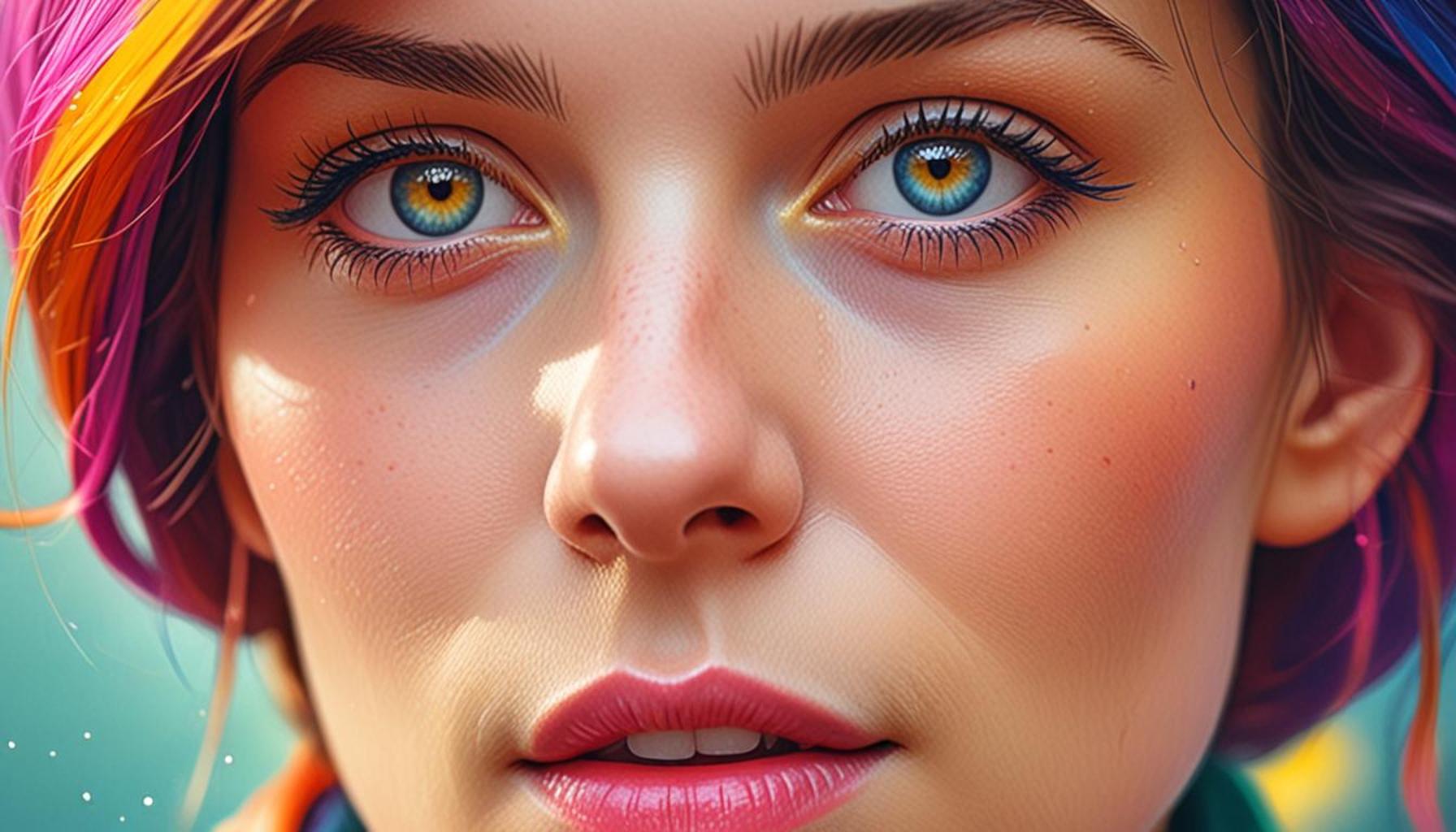
Portrait photography serves as a profound medium through which the essence of individual character and emotion is meticulously captured. Unlike ordinary photographs, portraits delve deeper into the psyche of the subject, transforming a simple image into a narrative woven with threads of personal history and emotion. They are not just about aesthetics; they are about connection, expression, and storytelling.
Emotion in Portraits
Emotion is perhaps the most compelling aspect of portrait photography. A striking portrait can convey a range of feelings—from joy and love to melancholy and solitude. For instance, consider the works of celebrity photographer Annie Leibovitz, who is renowned for her intimate portraits of high-profile personalities. In her iconic image of John Lennon and Yoko Ono, the palpable tenderness and vulnerability shine through, capturing a fleeting moment in their relationship that resonates deeply with viewers.
Character Exploration
The facet of character is equally vital in the realm of portraiture. Each portrait can reveal unique aspects of a person’s personality that might otherwise remain concealed in everyday interactions. The simplicity of a smirk, the intensity of a gaze, or the subtleties of body language can tell stories about ambitions, fears, and quirks. An exemplary artist in this domain is Richard Avedon, whose black-and-white portraits of American icons showcase raw, unfiltered human traits, allowing us to glimpse the multifaceted nature of his subjects.
The Connection Between Subject and Viewer
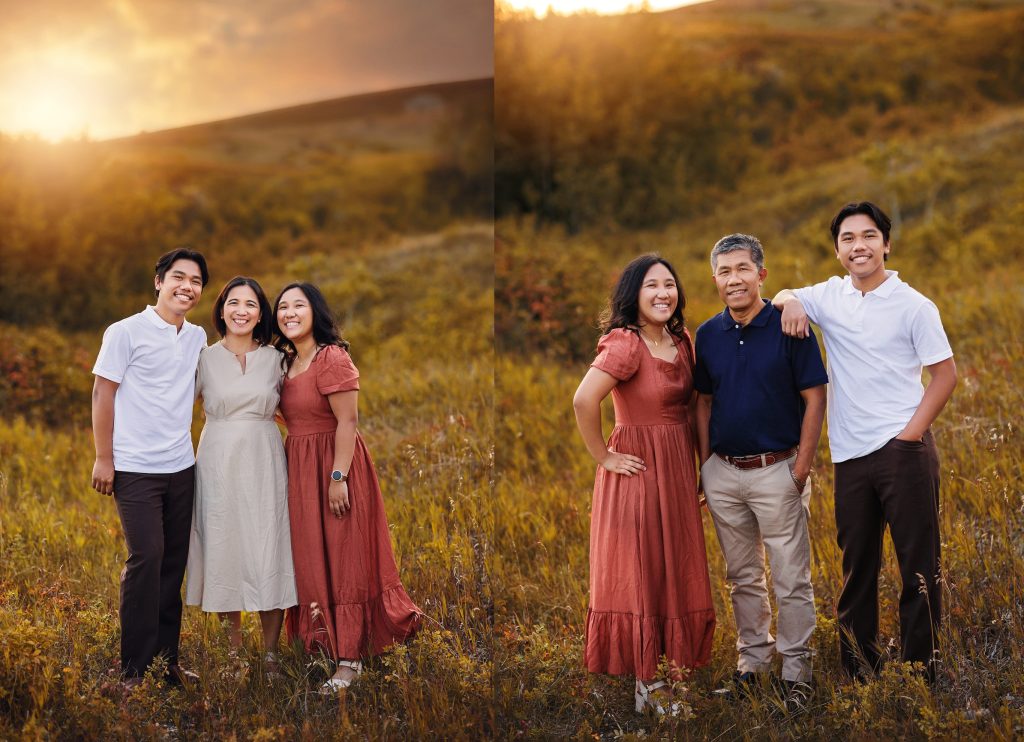
Parks and outdoor settings also play an important role in how viewers perceive a portrait. The background, lighting, and surrounding environment can serve to enhance the emotional and narrative elements of the image. Steve McCurry, with his vibrant colors and distinctive cultural narratives, often uses rich, textured backdrops that complement his subjects, creating a dynamic relationship between the photograph and its audience.
Techniques for Capturing Portraits
The techniques utilized in portrait photography are diverse and complex. Elements such as lighting, composition, and post-processing are crucial in shaping the final image. For instance, soft lighting can evoke a sense of calm and intimacy, while dramatic lighting can accentuate contours and create a more intense atmosphere. Understanding the interplay between these technical components and emotional storytelling is essential for any photographer aiming to create compelling portraits.
Broader Impact of Portraits
As we investigate the layers of portrait photography, we uncover its potential to shape perceptions and bridge cultural divides. Each photograph can speak volumes, transcending language and geographical barriers. Portraits encapsulate not just individual stories but also collective experiences that reflect broader societal themes—be it through the lens of social justice, cultural heritage, or personal identity. Thus, this art form continues to resonate across contexts, inviting viewers to explore and reflect on the shared human experience.
In conclusion, portrait photography is a rich field that flourishes through emotional depth, character exploration, and the unique connection it fosters. Each image has the potential to move, inspire, and challenge audiences, encouraging them to delve deeper into the stories behind each face they encounter.
DISCOVER MORE: Click here for eco-friendly DIY inspiration
Emotion in Portraits: A Deep Dive into Human Experience
At the heart of portrait photography lies the ability to encapsulate and convey emotion. The visceral power of a portrait is rooted in its capacity to evoke feelings and create connections between the subject and the viewer. When done well, a portrait can resonate with anyone who gazes upon it, revealing not just the physical likeness of the subject, but a glimpse into their inner world. This is evident in the unforgettable imagery produced by photographers like Dorothea Lange, whose poignant photographs captured the struggles of individuals during the Great Depression, imbuing them with dignity and resilience that resonate to this day.
The Language of Facial Expressions
Facial expressions are often described as the “universal language” of emotion. They can powerfully convey feelings that words often fail to express. When capturing a subject’s portrait, the subtle nuances of a smile, frown, or raised eyebrow can tell volumes about their state of mind. Consider the iconic portrait of the Mona Lisa; her enigmatic smile has puzzled and fascinated art lovers for centuries. The slight upturn of her lips and the glimmer in her eyes invite multiple interpretations, demonstrating that a single expression can provoke a rich array of emotions and thoughts.
Connecting Through the Lens
The photographer’s role extends beyond simply snapping a picture; it involves forging a connection with the subject. This connection facilitates a more authentic representation of the individual. Building trust and rapport allows the subject to relax and reveal their true self, which is essential for capturing a moment that feels genuine and alive. Photographers like PLM (Paula Lentz-Moreira) are masters at this, often employing conversational techniques and comfortable environments to ease their subjects into a space of openness. The end result is a portrait that feels deeply personal and relatable, making it all the more impactful.
Techniques to Enhance Emotional Depth
To capture emotion in portraits effectively, certain techniques can greatly enhance the final image. Here are some key approaches photographers often utilize:
- Lighting: Natural light can create a soft, ethereal effect that enhances tenderness, while dramatic lighting can evoke intensity.
- Angles and Framing: The chosen angle can significantly influence how a subject is perceived, offering varying perspectives on their personality.
- Color Palette: The use of color can evoke specific emotions; for instance, warm tones often convey warmth and comfort, while cooler tones may add a sense of calm or melancholy.
- Composition: The arrangement of elements within the frame can guide the viewer’s gaze and underscore the narrative within the portrait.
Understanding the intricate interplay between these techniques allows photographers to enhance the emotional storytelling in their portraits, elevating the experience for viewers. Whether it’s a candid shot of a child laughing or a solemn image of an elder reflecting on their past, each photograph carries the potential to touch hearts and engage minds.
| Category | Details |
|---|---|
| Artistic Vision | Portrait photography allows artists to convey profound emotions and narratives through their subjects. |
| Human Connection | Capturing the essence of individuals fosters a unique connection between the viewer and the subject, igniting curiosity. |
| Cultural Reflection | Portraits often serve as a medium to explore and reflect diverse stories, backgrounds, and identities across cultures. |
| Emotional Depth | Through skilled lighting and composition, photographers can highlight emotional depth, capturing intimate and candid moments that resonate. |
The artistry involved in portrait photography is a profound reflection of the human experience. Each shot becomes more than just a picture; it transforms into a narrative medium. The ability to evoke emotional responses through a lens enables photographers to capture the intricate tapestry of human life, showcasing individuality, vulnerability, and strength. By honing in on these detailed aspects, portrait photographers articulate the essence of their subjects, which often leads to striking and relatable imagery.As styles evolve and new techniques emerge, the discipline of portrait photography continuously pushes boundaries, allowing for innovative interpretations. Digital advancements enhance the capability to edit and retouch images, giving artists tools to create even more compelling representations of their subjects. This evolution invites viewers to delve deeper into the art form and appreciate the layers of meaning contained within each portrait. Ultimately, the genre not only celebrates human beauty but also serves as a vehicle for cultural dialogue and self-expression in a rapidly changing world.
DISCOVER MORE: Click here to elevate your craft projects
Storytelling Through Portraits: The Art of Narrative Capture
Beyond mere representation, portrait photography serves as a powerful medium for storytelling. Every subject has a unique tale woven into the fabric of their identity, and a well-executed portrait can serve as a window into that narrative. Through the lens, photographers not only capture a moment in time but also the backstory of the individual sitting before them. The art of visual storytelling is grounded in the photographer’s ability to perceive and convey the essence of their subjects, making each portrait a piece of art that sparks intrigue and fosters emotional connections.
Contextual Elements and Background Choices
In portrait photography, the background plays a crucial role in contextualizing the subject. A stark, minimal backdrop can draw attention solely to the individual and their expressions, while a rich and detailed environment can add layers of meaning to the photograph. For example, consider the work of Richard Avedon, whose portraits often feature subjects against plain white backgrounds, emphasizing their expressions and form. In contrast, photographers like Annie Leibovitz integrate the subject’s environment to convey context—such as including objects that represent their profession or passion, which can enhance storytelling and richness in each portrait.
Capturing the Passage of Time
The beauty of portrait photography also lies in its ability to document the passage of time. Portraits can be a powerful testament to personal growth, change, and resilience. Photographers often engage with their subjects over time to create a series that chronicles life’s different stages. In doing so, they present a relatable narrative of aging, milestones, and the changes that every individual experiences. A poignant example is artist Allison Cowan, who has created a series portraying families as they grow, capturing the evolving dynamics that emerge as children transition into adulthood. This approach offers viewers a relatable experience, inviting them to reflect upon their paths and shared histories.
Breaking Stereotypes and Cultural Narratives
Portrait photography wields the power to challenge stereotypes and reshape cultural narratives. Through their lens, photographers can unveil truths about identity, race, ethnicity, and social class that often fly beneath the radar. For instance, through the work of Deana Lawson, we are forced to confront and consider narratives around Black identity and family in contemporary America. Her vibrant and intimate portraits not only showcase her subjects but also disrupt prevailing stereotypes by presenting them in light, depth, and context that is richly human and relatable.
The Impact of Technological Innovations
The evolution of technology has fundamentally transformed the realm of portrait photography. Advances in camera technology, lighting equipment, and editing software enable photographers to explore new depths of creativity. The rise of high-resolution imagery and digital mediums allows for more intricate detail and manipulation, enhancing the emotional impact of portraits. Additionally, social media platforms provide photographers a canvas where they can showcase their work to a global audience, fostering what some might call the democratization of art. This instantaneous exposure not only amplifies new voices in portrait photography but also challenges traditional norms regarding how we share and consume images of human expression.
Ultimately, the interplay between storytelling, cultural representation, and technological innovation continues to shape the essence of portrait photography, inviting both artists and viewers to continuously engage with the powerful narratives of humanity.
DISCOVER MORE: Click here to start your creative journey
Conclusion: The Continuing Journey of Portrait Photography
In the realm of portrait photography, the lens not only captures images but also encapsulates the myriad stories, emotions, and identities that exist within every frame. As we have explored, portraits transcend simple likenesses; they are profound narratives that convey deeper meanings, reflecting the rich tapestry of human experience. Whether through the choice of backgrounds, the documentation of the passage of time, or the challenge of cultural stereotypes, each portrait serves as a unique window into the lives of individuals.
The impact of technological advancements has democratized this art form, empowering photographers to push creative boundaries and engage with a global audience. As the medium evolves, so too do the conversations surrounding identity, representation, and the essence of being human. Prominent artists like Deana Lawson and Allison Cowan exemplify how portrait photography can assertively redefine narratives and invite viewers to question their perceptions.
Looking ahead, the future of portrait photography is bright. As photographers continue to blend traditional techniques with modern innovations, they will be tasked with not only capturing the human essence but also reflecting the changing dynamics of society. In doing so, they will forge connections that resonate across cultures, pave the way for dialogue, and foster empathy—an essential aspect of being human in an ever-evolving world. The journey of capturing portraits is far from static; it is a continuing exploration of identity and narrative that invites all of us to delve deeper into the stories that unite us.
Related posts:
The Art of Mixing Techniques: Exploring Creativity Through the Hybridization of Artistic Styles
Exploring Shadow Theatre: The Magic of Visual Narrative
The Intersection of Science and Art: How Biology Inspires Artistic Creations
The Art of Performance: Integrating Body and Space in Creative Exploration
The Journey of Self-Discovery Through Painting: How Art Can Transform Emotions into Colors
Exploring Digital Art: Creating Worlds and Emotions in Pixels
Linda Carter is a writer and creative hobbies expert specializing in crafting, DIY projects, and artistic exploration. With extensive experience helping individuals discover their creative potential and bring their ideas to life, Linda shares her knowledge on our platform. Her goal is to empower readers with practical tips, inspiring ideas, and step-by-step strategies for success in the world of creative hobbies.