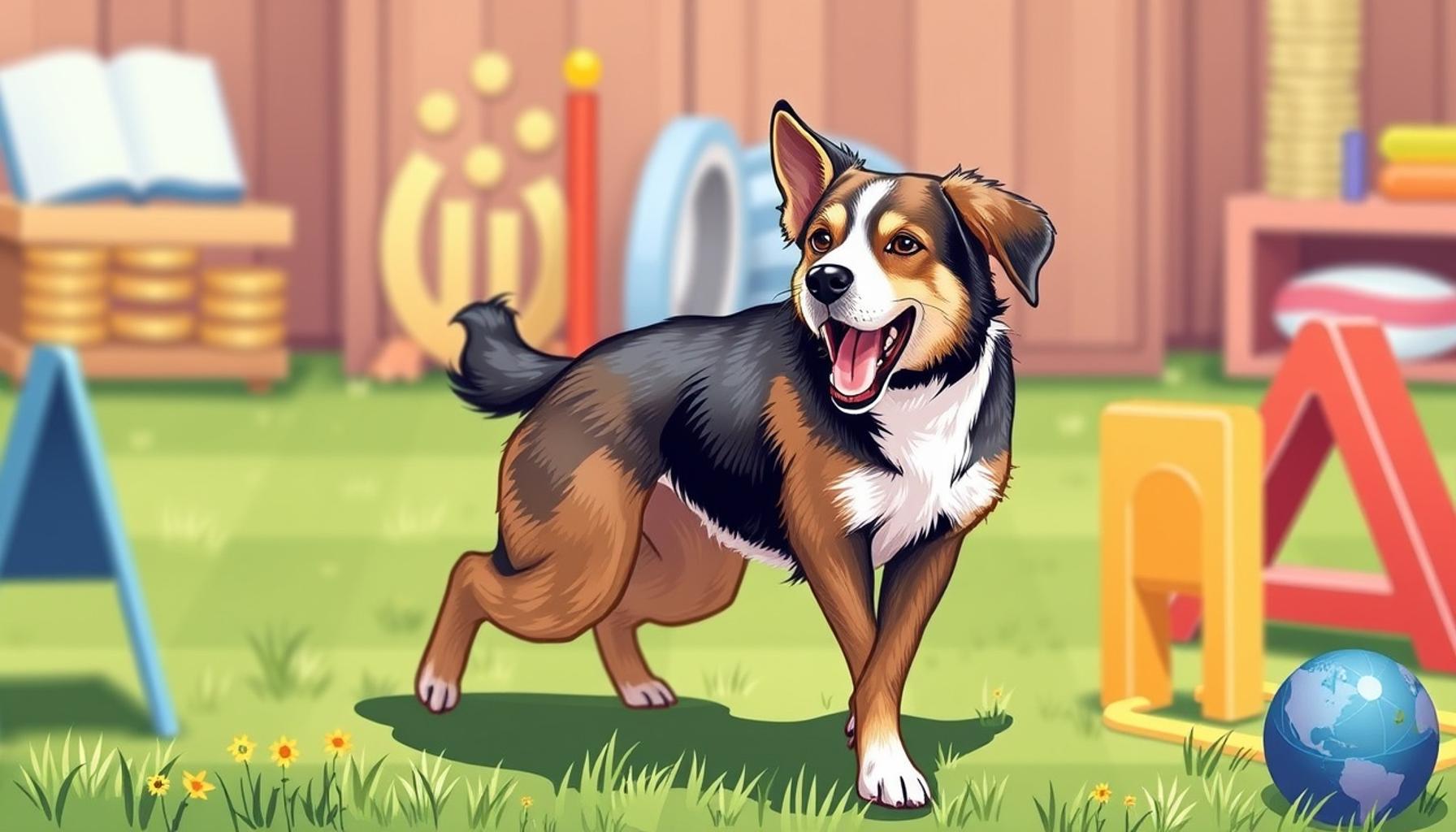
The Role of Consistency in Training Multiple Pets

Understanding the Importance of Consistency in Pet Training
When managing a household with multiple pets, maintaining consistency in training can make or break the experience for both you and your furry friends. Each pet brings unique personalities and challenges, yet the principles of training can be remarkably similar. Without a consistent approach, training can quickly spiral into confusion and frustration.
Consider these aspects of why consistency is crucial:
- Clear Communication: Using the same cues and commands helps pets understand expectations. For example, if one family member uses “sit” while another says “down,” the pet may become confused about what is being asked. A unified approach ensures that all household members reinforce the same behavior, aiding faster learning.
- Establishing Routines: Regular schedules for feeding, walking, and training reinforce good behaviors. Research shows that animals learn better when they can anticipate certain actions. If your dog knows that dinner is served at a specific time daily, it becomes easier to manage their excitement and eagerness in a calm manner.
- Behavior Reinforcement: Consistent rewards for desired actions strengthen learning and memory. For instance, using treats, praise, or toys in a predictable manner after your pet executes a command promotes understanding. Many pet trainers advocate for a “catch-and-reward” technique, where rewarding spontaneous good behavior reinforces learning further.
In the bustling lives of pet owners across the United States, it’s essential to recognize the significant role that consistency plays. Whether you have two dogs, three cats, or a mix of different species, their training success hinges on how uniformly you present your commands and rewards.
Real-Life Application
Imagine a household where one owner calmly teaches their puppy to “come” each time he hears the command. If another family member calls him using a different phrase, the puppy may run in circles, unsure of who to listen to. This scenario painfully illustrates the confusion that inconsistency can cause. However, when everyone in the home adheres to the same words, tone, and hand signals, the learning curve sharply decreases.
Effective Strategies for Success
To foster consistency in training, create a household training plan. Develop a list of commands, and ensure all family members are on board. Establish a routine, assigning specific times for training sessions amidst daily activities. Don’t forget to track progress, which can help in identifying what works best for your pets and what adjustments might be necessary.
As we delve into this topic, we’ll explore effective strategies, common pitfalls, and real-life examples that showcase the undeniable benefits of a structured training approach with multiple pets. Stay tuned to discover how you can foster a harmonious and well-trained home, enhancing your bond with your beloved animals while minimizing chaos in your daily life.
Implementing Consistency Across Training Methods
Creating a successful training environment for multiple pets requires more than just dedication; it necessitates a well-planned approach grounded in consistency. As any seasoned pet owner knows, pets thrive on routine, and a consistent training regime can lead to remarkable improvements in behavior, socialization, and overall happiness. However, with various personalities and learning styles at play, how can pet owners ensure that consistency remains at the forefront of their training efforts?
Communication is Key
One of the primary pillars of consistency in training is clear communication. Pets do not innately understand human language, and different words or signals can easily lead to misunderstandings. This is particularly true in homes with multiple pets, where varying training cues can become a source of chaos. For instance, if one family member uses “stay” while another uses “wait,” the confusion can lead to an array of inconsistent behaviors.
To combat this, consider implementing the following strategies:
- Unified Commands: Create a comprehensive list of training commands, ensuring all family members use the same terminology and hand signals. This can drastically reduce confusion and reinforce learning.
- Consistent Training Sessions: Schedule regular training sessions that all family members can participate in. This not only fosters consistent behavior but also helps to strengthen the bond between pets and their owners.
- Positive Reinforcement: Agree on a set of rewards for desired behaviors. Whether using treats, praise, or playtime, applying the same rewards consistently helps pets connect their actions with positive outcomes.
Establishing a Routine
The absence of a structured routine can be the root of behavioral issues in multiple pet households. Routines provide pets with a sense of stability and predictability. A consistent schedule for feeding, exercise, and training allows pets to anticipate their needs throughout the day, significantly easing anxiety and curtailing unwelcome behaviors. For example, if dogs are taken for walks at the same time each day, they learn to manage their excitement and expectations.
Moreover, routines aid in teaching new commands. When animals practice skills regularly in a controlled manner, they are more likely to retain information. Incorporating specific training moments into daily activities, such as asking a pet to sit before meals or wait at the door, creates frequent opportunities for reinforcement.
In this age of information overload, it can be tempting to follow various training methods and recommendations from multiple sources. While diversity in training philosophies can offer valuable insights, it’s critical to avoid an inconsistent mix that could confuse your pets. Understanding the importance of consistency in training is the first step toward cultivating a harmonious environment in your multi-pet household. This sets the foundation for a more effective training journey and enhances the overall well-being of all your furry companions.
The Role of Consistency in Training Multiple Pets
When it comes to training multiple pets, consistency plays a pivotal role in achieving successful outcomes. For pet owners, maintaining a uniform training approach can significantly enhance the effectiveness of behavioral techniques applied to their furry companions.
| Training Consistency | Benefits of a Unified Approach |
|---|---|
| Unified Commands | Using the same commands for each pet prevents confusion and promotes quicker understanding. |
| Routine & Reinforcement | Establishing a consistent routine aids in reinforcing desired behaviors, thereby leading to more predictable responses. |
Moreover, setting clear expectations for your pets is crucial. Every member of a household must be on the same page in terms of rules and training expectations, as mixed signals can lead to behavioral issues. Utilizing consistent training methods can also help ensure all pets receive equal attention and positive reinforcement, fostering a harmonious environment. Engaging in regular training sessions not only strengthens the bond between the pet and the owner but also provides pets with the mental stimulation they need to thrive.As multiple pets are trained together, they can learn from each other, further reinforcing good behavior and making training sessions more enjoyable for everyone involved. The advantages of consistency truly cannot be overstated, making it an essential component for those embarking on the journey of training multiple pets. By focusing on these strategies, owners will witness remarkable growth and enhanced communication with their beloved companions.
Maintaining Consistency in Interactions
Consistency extends beyond training commands and routines; it encompasses all interactions with your pets. Each engagement, from playtime to discipline, should be approached thoughtfully to foster a trusting relationship between owners and their furry companions. In multi-pet households, inconsistent reactions can lead to confusion and stress, undermining training efforts.
Establishing Boundaries
Setting clear boundaries is a vital aspect of maintaining consistency in interactions. Pets require an understanding of what behaviors are acceptable and what are not. Inconsistent enforcement of rules can lead to behavioral issues, as pets may feel unsure about their standing in the household. For example, allowing a dog on the couch one day but scolding them for the same behavior the next creates confusion about their boundaries.
To avoid such mixed signals, consider the following:
- Unified Enforcement: All family members must agree on specific rules and follow them consistently. This means that if one person says “no” to jumping, everyone should uphold that standard, so the pet doesn’t receive conflicting messages.
- Destructive Behavior Redirect: Redirect unwanted behaviors with established alternatives instead of using varied responses, which can send muddled signals. For instance, if a pet is chewing on furniture, consistently offering a designated chew toy prevents confusion and promotes learning.
- Regularly Reviewed Rules: Take time to periodically assess and, if necessary, revise household rules together. A collective understanding keeps training coherent, reducing the risk of inconsistent enforcement over time.
Effective Socialization Techniques
Another essential component influenced by consistency is socialization. When introducing multiple pets to one another or to new people and environments, applying consistent socialization techniques is key. A pet that meets various settings with a strong foundation in stability and predictability is likely to exhibit less anxiety and exhibit more positive behavior.
Here are vital strategies to ensure consistent socialization:
- Gradual Introductions: Introduce pets to new situations or environments slowly, allowing them to acclimate at their own pace, which reduces feelings of overwhelm. Consistently following a gradual exposure plan can prevent future anxiety in similar situations.
- Cohesive Social Outings: Organize family outings involving all pets. This encourages shared experiences under consistent conditions and fosters familiarity, reducing inter-pet aggression or anxiety when in new spaces.
- Positive Experience Reinforcement: Always pair socialization opportunities with enjoyable experiences such as treats or praise to reinforce positive associations. A consistent approach creates pets that are more adaptable to various environments.
The importance of consistency in interactions cannot be overstated. By ensuring that communication, boundary enforcement, and socialization are approached with the same level of diligence and standardized practices, pet owners will pave the way for more efficient training and foster strong, lasting relationships with their pets. This meticulous attention to detail creates an environment where pets not only feel secure but are also positioned for success in their training journeys.
Conclusion: The Key to Successful Multi-Pet Training
In summary, the role of consistency in training multiple pets cannot be overstated. It is an integral part that shapes not only the behavior of your pets but also the dynamics of your household. By establishing and reinforcing clear boundaries, pet owners can diminish confusion and promote harmonious living among their furry companions. Furthermore, applying systematic socialization techniques encourages adaptability, reduces anxiety, and nurtures positive behavior during interactions with both humans and other pets.
The challenge of managing multiple pets may seem daunting, but adopting a consistent approach fosters an environment where learning is effective, and relationships thrive. Families must come together in implementing uniform training practices, ensuring that every member is on the same page. This unity contributes greatly to preventing behavioral issues resulting from mixed signals.
Additionally, integrating consistency into daily routines enables pets to develop stability and predictability in their environment, which is fundamental for their well-being. For those struggling with training, revisiting these principles can help uncover new strategies for success.
Ultimately, a commitment to consistency lays the groundwork for healthier, happier pets, while enriching the bond between humans and animals. So as you embark on your pet training journey, remember that the path to success is paved with patience, unity, and unwavering consistency. This disciplined approach not only enhances learning outcomes but also results in a joyful, balanced household filled with love and companionship.

Beatriz
Beatriz Johnson is a seasoned pet care expert and writer with a passion for simplifying the complexities of pet ownership and animal well-being. With over a decade of experience in the field, she specializes in topics like pet nutrition, training techniques, and health care. Through her work on our website, Beatriz empowers pet owners to make informed decisions and provide the best possible care for their furry friends, ensuring happy and healthy lives for their beloved companions.