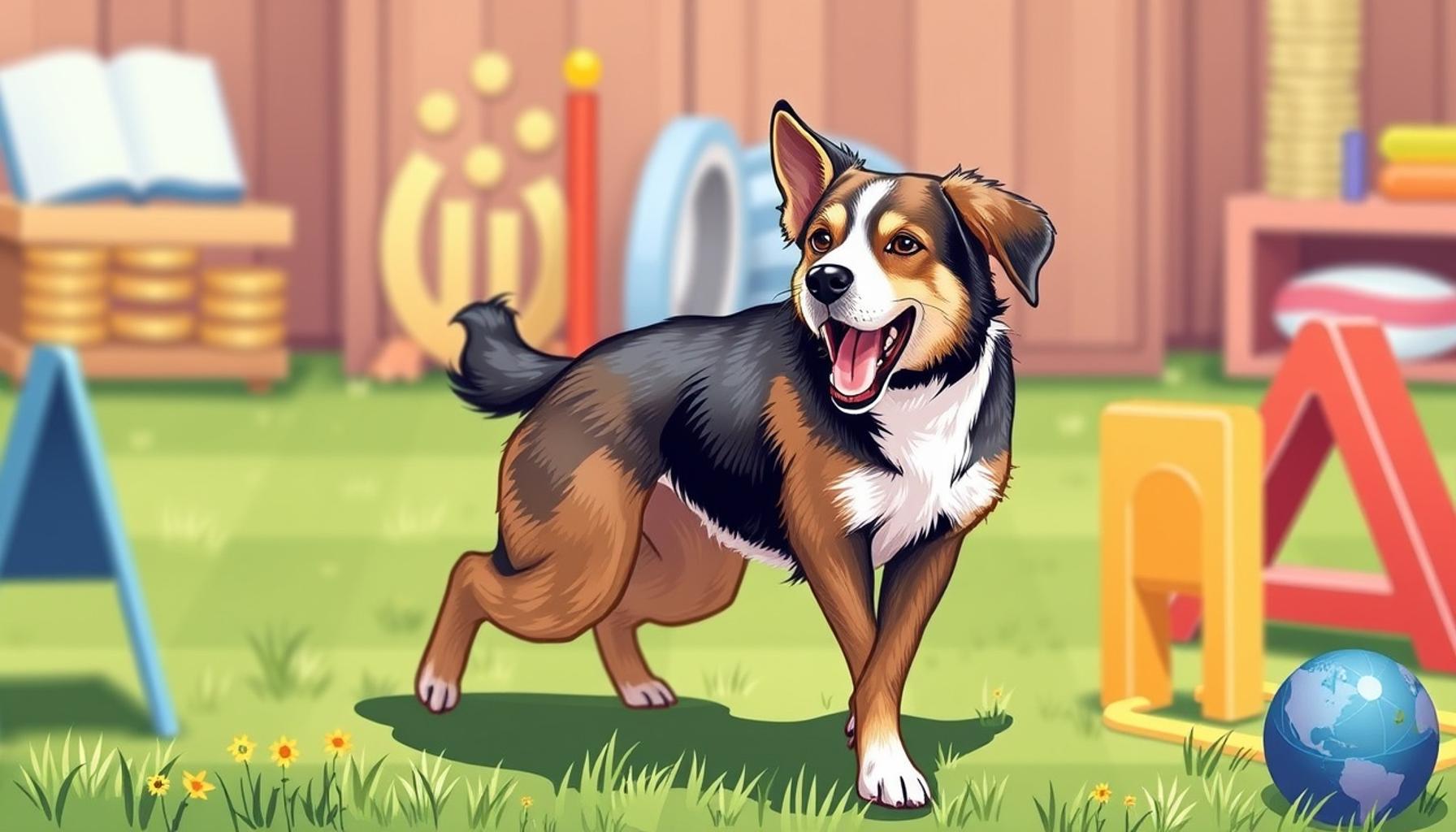
Understanding Breed-Specific Training Techniques for Optimal Results

Unlocking the Secrets of Dog Training
Every dog is unique, shaped by their breed’s history and tendencies. Understanding these nuances is crucial for effective training. When it comes to breed-specific training techniques, a tailored approach yields the best outcomes.
Why Breed-Specific Training Matters
Different breeds come with distinct characteristics and behaviors, and recognizing these differences is the key to successful training. Implementing specialized training methods can enhance not only learning but also behavioral adjustment for various breeds. Here are the key reasons to consider:
- Natural Instincts: Breeds have inherited traits that can influence their response to training. For example, herding breeds like border collies thrive on tasks that engage their instinctual herding behavior, making agility training or fetch particularly effective.
- Behavioral Challenges: Each breed may exhibit specific challenges that require targeted strategies. For instance, terriers are often known for their stubbornness and high energy levels, necessitating firm, consistent training methods that account for their tenacity and sharp wit.
- Training Efficiency: Customized techniques can lead to quicker and more effective learning. A Labrador retriever, bred for retrieving, may find psychological stimulation in water retrieval games, while a toy breed may perform better with short, engaging sessions that cater to their attention span.
Getting Started with the Right Techniques
To optimize training results, it’s essential to blend methods that align with your dog’s specific breed characteristics. Researching breed traits and establishing a genuine connection with your pet can facilitate a smoother training journey. Online resources like the American Kennel Club (AKC) provide invaluable insights into different breeds, helping owners adapt their training to fit unique needs.
Furthermore, employing positive reinforcement techniques—where desirable behaviors are rewarded—works incredibly well across many breeds. This approach is not only effective but also fosters a trusting bond between owner and dog. Whether you own a spirited border collie or a laid-back bulldog, understanding the subtleties of breed-specific training can lead to lasting success. It promises to reshape the way you train your dog and create an enriching environment for skill development and behavioral adjustment.
In conclusion, taking the time to understand your dog’s breed and employing tailored training techniques can unlock their full potential. This exploration into personalized methods offers a fresh perspective, ensuring that every training session is not only productive but also enjoyable for both you and your canine companion!
Customized Approaches to Effective Training
When embarking on the journey of dog training, one key aspect to consider is how your dog’s breed influences their learning style and behavior. Understanding the unique traits of your pup can pave the way for more effective training techniques that cater specifically to their needs. With a myriad of breeds available, it’s essential to delve into the specifics of each one to unlock their learning potential.
Identifying Key Breed Traits
Before diving into training sessions, it is beneficial to identify and understand your dog’s breed traits. Here are some aspects to consider:
- Energy Level: Different breeds have varying energy levels that can influence their training. High-energy breeds, such as Australian Shepherds and Jack Russell Terriers, require extensive physical outlets and mental stimulation. Incorporating agility drills, running exercises, or interactive toys can help them channel their energy productively during training.
- Temperament: Breeds also exhibit different temperaments. For instance, Golden Retrievers are generally friendly and eager to please, making them more receptive to training through positive reinforcement. Conversely, breeds like Chihuahuas may exhibit a more independent streak, requiring owners to employ patience and consistency in their training approaches.
- Socialization Needs: Some breeds, especially those with guarding instincts like Doberman Pinschers or Rottweilers, require early and continuous socialization to help them adapt positively to new environments and people. Tailoring training methods to incorporate social aspects can prevent unwanted behaviors and promote confidence.
Choosing the Right Training Methods
Once you have identified your dog’s traits, it’s essential to select the right training methods that complement their natural inclinations. One effective approach for multiple breeds is to incorporate reward-based training techniques, which involve reinforcing good behavior through treats, praise, or playtime. This not only motivates your dog but also strengthens the bond between the two of you, making the training process enjoyable.
Additionally, incorporating familiarization exercises into your training can be particularly beneficial. For example, introducing a puppy from a sporting breed to water or retrieving activities early on can foster a love for these tasks, reinforcing behavioral expectations naturally. On the other hand, for breeds with an inherent drive to chase, such as hounds, training should focus on recalls and impulse control to manage their instinctual responses effectively.
Moreover, patience and consistency cannot be overstated in the context of breed-specific training techniques. Different breeds will grasp lessons at different paces, and understanding these nuances can lead to a more fulfilling training experience for both the owner and dog. Ultimately, recognizing the unique aspects of your dog’s breed and adapting your training methods accordingly will unlock their true potential and foster a harmonious relationship.
| Training Technique | Advantages |
|---|---|
| Positive Reinforcement | Encourages good behavior through rewards, helping dogs associate obedience with positive outcomes. |
| Tailored Commands | Reduces confusion by using specific commands that resonate with particular breeds, leading to quicker understanding. |
| Socialization Techniques | Enhances interaction with other dogs and people, which is crucial for breeds that may have socialization issues. |
| Physical Activity Integration | Improves health by incorporating exercises suited to the breed’s energy levels, resulting in better focus during training. |
Understanding breed-specific training techniques allows trainers and pet owners to unlock the potential of each dog by customizing the approach based on individual needs. Certain breeds may exhibit traits that require a unique methodology, making it essential to harness the *specific characteristics* of the dog. For instance, utilizing positive reinforcement is particularly effective for breeds known for their sensitivity, such as the Labrador Retriever, while tailored commands help address individual learning styles.Moreover, implementing socialization techniques can greatly reduce behavioral problems associated with specific breeds, including aggression or shyness. It’s vital to recognize that what works for one breed may not work for another; hence, this nuanced understanding is key for optimal results. Engaging dogs in activities that reflect their innate instincts, like herding or retrieving, further enhances their ability to learn. By focusing on these unique attributes, trainers can cultivate well-behaved, happy, and well-adjusted pets that thrive in their environments.
Tailoring Techniques to Fit Specific Breeds
As we explore the intricacies of breed-specific training techniques, it’s crucial to remember that the ideal method of instruction isn’t one-size-fits-all. While some training tactics are universally effective, nuances exist that can either enhance or hinder the learning experience based on the dog’s heritage. Let’s dive deeper into some popular breeds and discuss how to harness their inherent traits for optimal training results.
The Working Breeds: Focus and Resilience
Working breeds like Siberian Huskies and Boxers are known for their intelligence and stamina, making them adept learners when properly engaged. However, they can sometimes exhibit stubbornness. To train these breeds effectively, consider incorporating high-energy activities as rewards. For instance, after successfully practicing commands, take them for a brisk jog or play fetch with a favored toy. This not only meets their exercise needs but also associates training with something enjoyable.
Additionally, tasks that involve problem-solving can be particularly beneficial for these breeds. Puzzle toys or obstacle courses can provide mental stimulation, keeping them invested in the training process. Challenge them with objectives like ‘find the treat’ or ‘navigate the course,’ utilizing their natural tendencies to explore and succeed.
Sporting Breeds: Embracing Natural Instincts
Sporting breeds, such as Labs and Spaniels, are often eager to participate in activities that mirror their breeding. Training methods utilizing retrieval games or water-related exercises align perfectly with their instincts. For instance, taking a Lab out for a swim fetch session solidifies their training while tapping into their innate behaviors.
Moreover, curbing any excessive enthusiasm is vital in maintaining control. Teaching impulse control exercises, such as waiting for a release command before fetching, builds discipline. It’s important to make each session challenging yet rewarding, which can amplify their motivation to learn.
Terriers: Energy and Independence
Terriers, like Staffordshire Bull Terriers and West Highland Whites, exhibit a zest for life through their energetic and sometimes feisty attitudes. Their independent nature can create hurdles during training, necessitating creative methods to keep them engaged. Using short and dynamic training sessions can be particularly effective. For instance, integrating quick drills with varied commands can prevent monotony.
Additionally, terriers are often motivated by a profound desire to please their handlers. Utilizing a mix of positive reinforcement with high-value treats or praise can yield significant results. Activities that allow them to use their natural digging or chasing instincts—like hide-and-seek with a toy—can also reinforce their training while keeping them content.
Small Breeds: Gentle Guidance
When dealing with small breeds, like Pomeranians or Yorkshire Terriers, training requires a gentle approach. Due to their size, they are often at risk of becoming fearful or anxious. Thus, it’s paramount to create a nurturing environment where they feel safe to learn. Positive reinforcement through treats and gentle tones can do wonders for their confidence.
Socialization is also critical for small breeds. Introducing them to various situations, sounds, and other animals can break down their potential for timid or aggressive behavior. Including playdates with friendly dogs or enrolling them in puppy classes can optimize their adaptability.
Understanding the specific needs and traits of your dog breeds empowers owners to construct training plans that not only achieve desirable behavior but also promote an atmosphere of trust and respect. Moreover, fostering a well-rounded understanding of your dog through their unique characteristics creates a strong foundation for lifelong companionship and learning.
Conclusion: The Power of Tailored Training
In the realm of breed-specific training techniques, the key to achieving remarkable results lies in understanding and embracing the unique characteristics each breed brings to the table. It’s essential for dog owners to recognize that training methods must reflect the specific needs and innate tendencies of their animal companions. For instance, recognizing the energy levels of working breeds or the enthusiastic instincts of sporting breeds can significantly influence the effectiveness of training sessions.
Moreover, drawing on the traits unique to terriers and small breeds calls for an intricate balance of patience and creativity. Utilizing varied approaches such as impulsive control exercises for sporting breeds or gentle guidance for smaller dogs fosters an environment of trust and respect. This not only promotes behavioral improvements but also enhances the dog-owner relationship.
As we conclude, it’s paramount to remember that training is not merely about instilling commands but about fostering a positive learning experience. Moving forward, dog owners are encouraged to dedicate time to studying their dog’s breed characteristics, which ultimately leads to a deeper bond and understanding. For those eager to explore further, consider seeking advice from professionals specializing in breed-specific training or engaging in community training classes tailored to particular breeds.
Ultimately, the pursuit of optimal training results is a journey of companionship, adaptation, and discovery. By championing an individualized approach, every dog can thrive, creating a harmonious dynamic that benefits both pets and their owners alike.

Beatriz
Beatriz Johnson is a seasoned pet care expert and writer with a passion for simplifying the complexities of pet ownership and animal well-being. With over a decade of experience in the field, she specializes in topics like pet nutrition, training techniques, and health care. Through her work on our website, Beatriz empowers pet owners to make informed decisions and provide the best possible care for their furry friends, ensuring happy and healthy lives for their beloved companions.