Sustainable Crafting: Creating Unique Pieces with Recycled Materials
The Rise of Eco-Friendly Crafting
The crafting landscape is witnessing a transformation as artisans and hobbyists around the world embrace sustainability. The increasing awareness of environmental challenges, such as plastic pollution and waste management, is driving this trend. More creators are now utilizing recycled materials, not only to minimize their ecological footprints but also to infuse fresh creativity into their projects. This journey towards sustainable crafting merges innovation with environmental stewardship, resulting in handmade creations that are both functional and aesthetically appealing.
Diverse Materials for Creative Projects
The scope of materials available for sustainable crafting is vast, offering a plethora of options that can breathe new life into discarded items. Here are some popular materials that can be creatively repurposed:
- Plastic Bottles: These everyday items can be transformed into an array of products. For instance, they can be cut and painted to become vibrant planters for indoor herbs or flowers. Additionally, larger bottles can be converted into unique storage solutions for craft supplies or toys, while smaller pieces may serve as whimsical decorative art for your garden.
- Cardboard: Often underestimated, cardboard can be used to create intricate sculptures or practical home organizers. With a little imagination, pizza boxes and cereal cartons can be reassembled to build eye-catching wall art or bespoke shelves, bringing both style and organization to cluttered spaces.
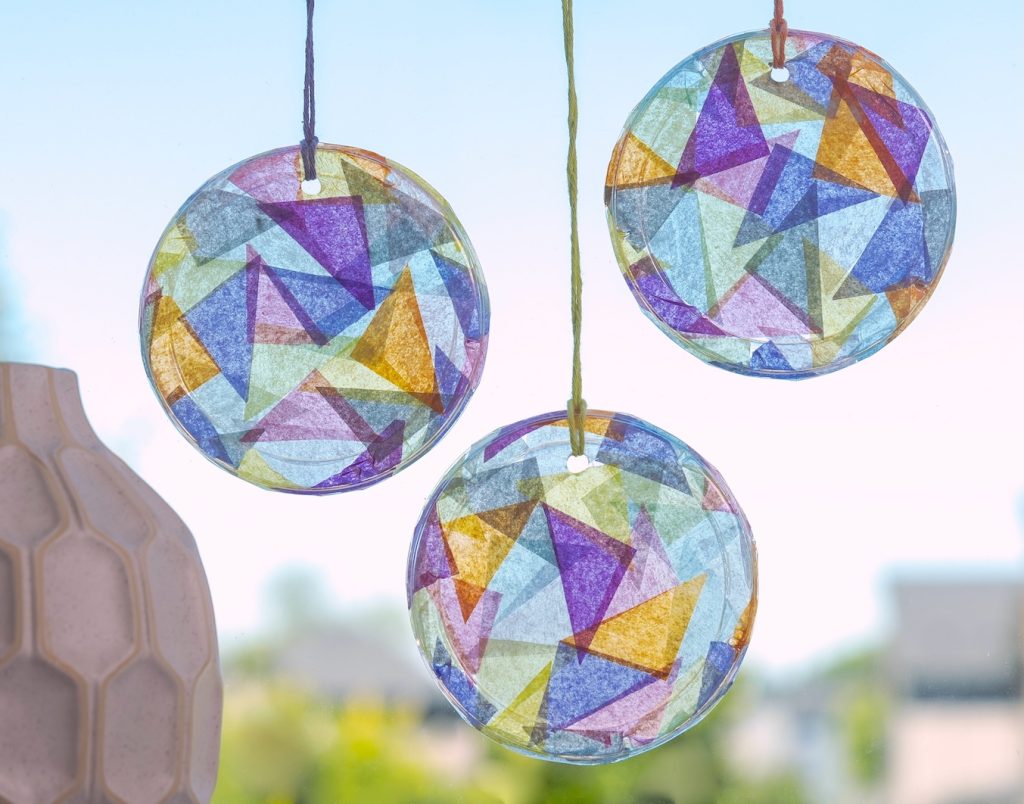
- Glass Jars: From mason jars to old condiment containers, glass is a versatile medium. These jars can be repurposed into charming candle holders adorned with twine and paint, adding a rustic touch to any decor. In the kitchen, they serve as stylish containers for spices, grains, or even homemade jams.
- Wood Scraps: Wood leftover from construction or renovation projects can be crafted into custom furniture or artistic displays. For example, old pallets can be upcycled into sturdy coffee tables, while smaller scraps can be transformed into handmade coasters or decorative wall hangings.
The Impact of Sustainable Crafting
Engaging in sustainable crafting not only helps reduce waste but also encourages individuals to showcase their creativity while fostering a connection to the environment. Each crafted piece is more than just an item; it embodies a narrative of innovation, resourcefulness, and environmental responsibility. By utilizing materials that might otherwise end up in landfills, artisans are making a positive impact while showcasing their unique styles and perspectives.
Moreover, sustainable crafting can inspire others to adopt eco-conscious practices. Community workshops, social media platforms, and local craft fairs are great avenues for sharing techniques and ideas, amplifying the message of sustainability through art. As more individuals become involved in this movement, a sense of community and shared purpose emerges, reinforcing the collective goal of promoting a more sustainable lifestyle.
In essence, the world of sustainable crafting encourages us to redefine our relationship with materials and the environment. Through art and creativity, we can inspire a more sustainable future, one unique piece at a time.
Exploring the Art of Upcycling
The practice of upcycling—transforming waste or unwanted materials into new, usable products—has become a defining aspect of sustainable crafting. This initiative not only seeks to prevent waste but also sparks creativity, illustrating how the mundane can be turned into extraordinary artistic expressions. With an increased demand for unique, hand-crafted items, crafters are discovering innovative ways to bypass traditional materials and instead, embrace the beauty inherent in what others deem “trash.”
One of the most significant advantages of sustainable crafting is its environmental impact. By reducing reliance on newly manufactured materials, crafters contribute to lowering carbon emissions and minimizing resource depletion. In the United States alone, about 292.4 million tons of waste were generated in 2018, with a mere 35% recycled. By choosing to craft with recycled materials, individuals can effectively combat this alarming statistic, sending a strong message about the importance of conscious consumerism.
Techniques That Bring New Life to Old Goods
There are various techniques that sustainable crafters can utilize, paving the way for creativity while ensuring minimal environmental strain:
- Fusing Materials: This technique involves melting plastics or fabric scraps together to create new surfaces. For example, a fused plastic bag can be transformed into a vibrant wallet or tote. This not only diverts waste from landfills but also provides a creative outlet to showcase artistic flair.
- Sewing and Quilting: Old clothing or fabric remnants can be repurposed through sewing and quilting. By stitching together pieces from different garments, crafters create unique quilts or bags, merging sentimentality with sustainability.
- Decoupage: This age-old technique revitalizes objects with the artful application of recycled paper, such as magazines or old book pages. Tables, picture frames, and light switch covers can become miniature canvases, showcasing an array of designs and stories.
- Painting and Stenciling: A simple coat of paint or stencil can transform old furniture or household items. This not only helps to refresh the look of home decor but also extends the life of these items, keeping them out of the landfill.
Each of these methods illustrates the limitless potential found within recyclables, encouraging crafters to experiment and innovate. Not only do these techniques yield captivating results, but they also underscore the ethos of sustainability, promoting a lifestyle that values ingenuity over disposability.
The essence of sustainable crafting lies in its versatility and adaptability. This movement is not merely about reducing waste; it’s about fostering creativity, connecting with nature, and crafting pieces that tell a story. As creators continue to explore the bounds of what is possible with recycled materials, they contribute to a more sustainable future through the joy of crafting. The next time you consider discarding an item, think again—its true potential might just be waiting to be uncovered in your next project.
| Category | Details |
|---|---|
| Environmental Impact | Reduces waste by repurposing materials that would otherwise contribute to pollution. |
| Creativity and Innovation | Stimulates unique artistry as creators explore new forms and techniques with accessible resources. |
| Economic Benefits | Supports local economies by encouraging small businesses and artisan markets as sources of handmade goods. |
| Community Engagement | Fosters a sense of community through workshops and collaborative projects that bring people together. |
The world of sustainable crafting opens an array of possibilities for those looking to create impactful art. By utilizing recycled materials, individuals not only find innovative ways to express their creativity but also play an essential role in reducing environmental waste. Each upcycled project serves as both a testament to craftsmanship and a statement advocating for a greener planet.Driven by the principles of environmental stewardship, sustainable crafting allows artisans to experiment with discarded items, transforming them into visually striking pieces. This process sparks not just creativity but also a profound connection to sustainability, encouraging people to reflect on their consumption patterns. Additionally, sustainable crafting practices can lead to economic revitalization in local communities, as they often involve the transformation of waste into sought-after goods.For those interested in jumping into this thriving scene, workshops, local meetups, and online platforms offer rich resources and communities to join. The appeal of sustainable crafting lies not only in the art itself but in the dialogue it generates around responsible living.
Connecting Communities through Sustainable Crafting
Sustainable crafting not only fosters individual creativity but also plays a pivotal role in building community connections. As people seek out sustainable practices, crafting groups and workshops have emerged across the United States, becoming vibrant hubs of creativity and collaboration. These gatherings allow crafters to share skills, swap materials, and inspire one another, fostering a sense of belonging along with a commitment to environmental stewardship.
The rise of local crafting collectives emphasizes the power of community in sustainable crafting. Organizations such as Crafting for a Cause and Handmade in America encourage members to repurpose found objects and materials, while simultaneously supporting local artisans. By creating platforms for individuals to showcase their work, these groups not only reduce waste but also promote economic sustainability within their regions.
Workshops and Classes: Learning the Craft
Workshops are an excellent way for newcomers to learn the ins and outs of upcycling. Many community centers and local artisans offer classes focused on various techniques ranging from basic sewing skills to advanced techniques like shoes made from plastic bottles. Participating in these workshops not only enhances one’s crafting skills but also provides an opportunity to understand the significance of sustainable practices in a broader environmental context.
For instance, a workshop titled “From Trash to Treasure” might demonstrate how items such as glass jars, old newspapers, or broken furniture can be transformed into home decor. Participants engage in hands-on experiences, learning how to wield tools like spray paint and sanders to bring new life to discarded objects. By making crafting accessible, these community efforts empower people to take ownership of their environmental impact.
Online Communities: Expanding the Reach
In today’s digital age, online platforms play a significant role in connecting crafters around the world. Websites such as Pinterest, Instagram, and dedicated Facebook groups provide inspiring ideas and tutorials for crafting with recycled materials, extending the reach of sustainable crafting beyond local boundaries. Craft enthusiasts in New York can collaborate and share ideas with creators as far away as California or even international artisans. This global exchange of ideas enhances creativity while fostering awareness about upcycling and sustainable living.
Moreover, several online marketplaces, such as Etsy, showcase artisans who focus on eco-friendly, handmade items derived from recycled sources. This not only supports crafters but also offers consumers sustainable shopping options, enticing many to consider the life cycles of the products they purchase. Through buying handmade, people support small businesses while reducing their environmental footprint.
Sustainable crafting serves as a powerful tool for education and empowerment, teaching individuals to look beyond traditional retail avenues and consider more sustainable practices in their everyday lives. By engaging with crafting communities—both local and online—individuals reinforce the idea that creativity, sustainability, and community spirit can go hand in hand.
As these communities continue to grow, they inspire more individuals to embark on their sustainable crafting journeys. The movement has the potential not only to change individual practices but to create a collective shift towards a more eco-conscious society, where the beauty of creativity is empowered by the choices we make for the planet.
The Future of Sustainable Crafting
In conclusion, sustainable crafting stands at the intersection of creativity and environmental responsibility, offering individuals a unique means to express themselves while making a positive impact on the planet. As the movement grows, it becomes increasingly clear that crafting with recycled materials not only reduces waste but also fosters an engaged community of artisans dedicated to eco-friendly practices.
The collaboration nurtured through local crafting collectives and workshops opens new avenues for learning and sharing, while online platforms allow this innovative spirit to flourish globally. By embracing upcycling and repurposing, individuals are not just creating functional art; they are participating in a broader dialogue about smart consumption and sustainable living. Each item crafted from what would otherwise be discarded encourages a reconsideration of our consumer habits and their environmental impacts.
Moreover, as more individuals recognize the potential within recycled materials, sustainable crafting can drive economic growth by supporting local artisans and encouraging creative entrepreneurship. The rise of eco-conscious marketplaces like Etsy serves as a testament to this shift towards handmade, sustainable goods that delight consumers while protecting the Earth.
As we look to the future, engaging in sustainable crafting offers a pathway not only to beautiful and unique creations but also to a more sustainable way of living. By investing time and creativity into projects rooted in environmental mindfulness, we can collectively inspire a movement that prioritizes the health of our planet, one crafted piece at a time. So whether you’re a seasoned crafter or just starting your journey, consider how you can make a difference through sustainable crafting and embrace the notion that each creation holds the potential to contribute to a brighter, more sustainable future.