The Evolution of Artistic Expression in Creative Hobbies: From Traditional to Digital
Exploring the Shift in Creativity
Throughout history, artistic expression has taken on many forms. The evolution from traditional art forms to modern digital expressions highlights significant cultural and technological shifts. Today, artists continuously navigate between these contrasting worlds, each offering unique tools and inspirations. This transformation is not merely a change in mediums; it reflects deeper societal transformations and shifts in how we experience art.
Key Aspects of Artistic Evolution
- Mediums: Traditional methods of artistic expression, such as painting, sculpture, and ceramics, have accompanied humanity through centuries. Take, for example, the enduring legacy of oil painting seen in the works of masters like Vincent van Gogh and Claude Monet. In contrast, modern digital art encompasses a wide array of practices including graphic design, digital painting, and 3D modeling, with artists getting inspired by capabilities such as layered compositions and instant reproduction. A notable figure in this realm is Beeple, who made headlines with his digital artwork being sold for $69 million at auction.
- Accessibility: The advent of digital platforms has utterly democratized the world of art. With smartphone cameras and apps for editing images, individuals from all walks of life can now express their creativity and share their work with an audience that was previously unreachable. Platforms like Instagram and TikTok have given rise to a new generation of artists who gain recognition not through traditional galleries, but rather through viral trends and social media engagement. This shift illustrates how accessibility has redefined the pathways to success in the art world.
- Technique Adaptation: Today, artists are increasingly blending techniques from both realms. The use of traditional materials like watercolor or charcoal is often complemented by digital software such as Adobe Photoshop and Procreate. A compelling example of this integration can be seen in the work of contemporary artists who start with hand-drawn sketches and then turn them into dynamic digital illustrations. This blending not only amplifies creative possibilities but also allows artists to reach broader audiences, fusing traditional craftsmanship with modern technology.
As we delve into the journey of artistic expression, it becomes evident how technological advancements have influenced not just the tools artists use but also the way communities perceive creativity. From the emergence of the first paintbrush, which revolutionized the way art was created, to sophisticated software like Adobe Creative Suite that enables complex digital creations, the landscape of creativity has transformed dramatically.
Invitation to Discover
For enthusiasts and creators alike, understanding this transition can foster a deeper appreciation for both traditional and digital art forms. Recognizing how these two worlds interact and influence each other opens up a rich landscape for exploration. Join us as we uncover the intricate layers of this evolution, exploring how each phase reshapes our understanding of art in the context of creative hobbies. Whether you are an aspiring artist, a seasoned creator, or simply an art lover, this journey provides unparalleled insights into the vibrant tapestry that defines today’s artistic expression.
Bridging the Gap: Traditional and Digital Techniques
The realm of artistic expression has dramatically changed over the years, fueled by both technological advancements and shifting societal values. As we examine the transition from traditional art forms to digital creativity, it’s essential to understand how these two worlds not only coexist but enhance one another. Artists today are no longer confined to the limitations of physical mediums; instead, they are forging new paths that integrate the best practices from each approach, ultimately creating a richer tapestry of creativity.
The Fusion of Techniques
One of the most significant aspects of this evolution is the blending of techniques from traditional and digital art. Many contemporary artists are harnessing the textures and depth provided by traditional mediums while simultaneously leveraging the advantages of digital platforms. This synthesis fosters an innovative environment ripe for exploration. Here are some noteworthy ways that artists are merging these two realms:
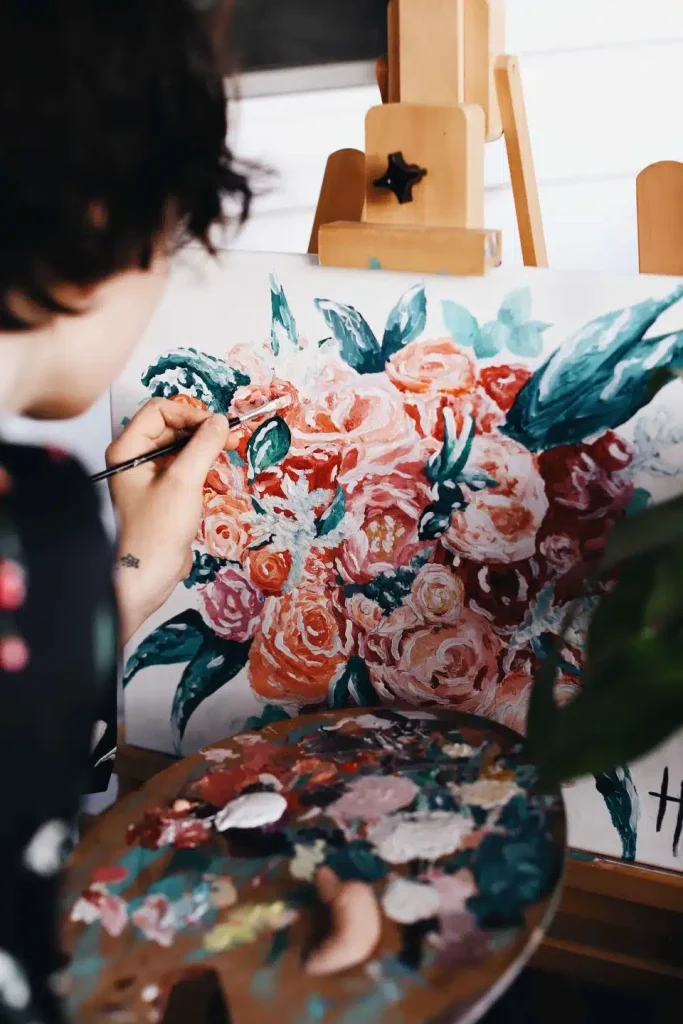
- Mixed Media Creations: Artists are increasingly combining oil paints with digital prints or incorporating photography into their paintings. This approach allows for the blending of physical and digital artistry, yielding artworks that are multidimensional and diverse.
- Layering Techniques: Digital tools enable artists to easily create layers, enhancing the depth and complexity of their work. Techniques traditionally used in acrylic or oil painting, such as glazes or impasto, are now frequently utilized in digital illustrations, opening a myriad of possibilities.
- Augmented Reality (AR) Integration: The introduction of AR technology allows artists to merge real-world visuals with digital enhancements. By creating art that interacts with its environment, artists are offering audiences an immersive experience that transcends conventional boundaries.
- Community Collaboration: Artists are leveraging online platforms to collaborate with others, merging their visions into one piece. This not only allows for creative partnerships but also fosters a sense of community, where ideas can intertwine and flourish.
This evolution is not merely about the tools at an artist’s disposal; it encapsulates a profound shift in mindset regarding what art can be. Where once artists may have been solitary practitioners confined to their studios, they now share their processes and innovations with the world through digital channels. Online tutorials, social media showcases, and virtual exhibitions allow for an unprecedented exchange of ideas, contributing to the rapid evolution of art practice.
Expanding Horizons
The impact of digital tools extends beyond the act of creation. They have also reshaped the consumption of art. Viewers can now engage with art on platforms like Behance or ArtStation, where they not only view but actively communicate with artists, offering feedback and fostering connections. This dynamic reshaping of the artist-viewer relationship creates a more inclusive and participatory art culture.
As we continue to explore the intersection of traditional and digital artistic expression, we uncover the profound implications this evolution has on our understanding of creative hobbies. From the studios of classical painters to the virtual canvases of today’s digital creators, the journey of artistic representation reflects not just changing technologies but evolving human experiences.
As we delve deeper into the evolution of artistic expression, it’s crucial to explore how digital technologies have redefined creative hobbies. The advent of software tools and applications has democratized art, enabling individuals from all backgrounds to express their creativity. For example, programs like Adobe Creative Suite and Procreate have made it easier for budding artists to create stunning visuals without the need for expensive traditional materials. Moreover, digital art allows for an unprecedented level of experimentation. Unlike traditional media, where errors can be costly and irreversible, digital platforms offer features like layers and the ability to undo mistakes with a single click. This flexibility not only reduces the fear of failure but encourages a playful exploration of styles and techniques. Emerging artists can create, share, and receive feedback almost instantaneously, which fosters a vibrant online community.Furthermore, the evolution of social media platforms has played a significant role in shaping artistic expression. Artists can showcase their work to a global audience, gaining visibility and attracting followers who share similar interests. Platforms like Instagram and Pinterest serve as digital galleries, allowing artists to network, collaborate, and inspire one another. This enhanced connectivity also motivates artists to challenge themselves and innovate, as they encounter diverse styles and cultural expressions from around the world.For those interested in honing their skills, digital art classes and resources are readily available online. Various websites and YouTube channels offer tutorials that cover everything from basic techniques to advanced methods, enabling anyone with an internet connection to start their artistic journey. In summary, the journey from traditional to digital has not only broadened access to artistic tools but also transformed how art is created, shared, and appreciated. As these technologies continue to evolve, they will undoubtedly pave the way for new artistic movements, pushing the boundaries of creativity even further. Now, let us take a closer look at some of the key advantages of this transformative shift in artistic expression.
| Advantage | Description |
|---|---|
| Accessibility | Digital tools enable artists of all skill levels to create art easily and affordably. |
| Experimentation | Error correction and multiple layers encourage creative risk-taking in a low-stakes environment. |
With each advancement in technology, the world of artistic hobbies not only flourishes but also evolves, inviting new artists to participate in this dynamic landscape.
A New Era of Accessibility and Opportunities
The shift towards digital formats in artistic expression has fundamentally altered the landscape of creative hobbies, making art more accessible than ever before. As digital platforms continue to evolve, they offer not only tools for creation but also avenues for outreach and self-promotion that were largely unavailable to artists in the past. This newfound accessibility is reshaping who gets to create and participate in the art world, fostering greater diversity and representation.
Democratizing Artistic Creation
One of the remarkable effects of the digital revolution is the democratization of artistic creation. Gone are the days when aspiring artists needed extensive training or access to expensive materials to express themselves. With just a smartphone or tablet, individuals can create stunning digital art or photography, edit videos, and produce music. Apps like Procreate and Adobe Fresco are designed with user-friendly interfaces, enabling novices to experiment without feeling intimidated by traditional mediums.
Moreover, platforms such as YouTube and Skillshare have opened up a wealth of instructional content, empowering individuals to learn at their own pace. Whether it’s through free tutorials on drawing techniques or immersive online courses in digital painting, artists can now acquire skills that were once confined to formal art schools. This cultural shift has led to a surge in the number of hobbyists pursuing art, with statistics indicating that approximately 67% of Americans consider themselves to be creative in some way.
The Power of Online Platforms
Digital platforms not only empower artists but also dramatically expand their reach and influence. Websites like Etsy and Redbubble allow creators to sell their work directly to consumers, bypassing traditional gallery systems that often favor established artists. This means that even those just beginning their artistic journeys can find an audience and generate income from their creative hobbies.
Additionally, social media channels like Instagram, TikTok, and Facebook have emerged as powerful tools for self-promotion. Artists can showcase their processes and finished works, attracting a following that extends far beyond their local communities. For instance, the #ArtTok movement on TikTok has garnered millions of views, with artists demonstrating everything from sculpting to digital art techniques, creating a communal platform for sharing and inspiration.
Virtual Art Communities
The rise of digital platforms has fostered a new sense of community among artists and art enthusiasts. Online forums, critique groups, and collaborative projects have sprung up, where artists can receive feedback, share resources, and connect on a global scale. Artists from culturally diverse backgrounds can now share their unique perspectives and techniques, enriching the creative conversations happening in these virtual spaces.
This emphasis on community not only enriches the art itself but also enhances the emotional and social experiences that come with artistic expression. The interactions foster a spirit of inclusivity, breaking down barriers that historically marginalized certain groups from the art world. For example, initiatives like the Black Artists + Designers Guild highlight and promote the work of Black creatives, emphasizing the importance of representation in the evolving narrative of art.
As we witness this historic evolution in artistic expression, it becomes clear that the convergence of traditional and digital forms has not merely transformed the act of creation; it has redefined the very essence of what it means to be an artist in a modern society. This transformative journey continues to inspire both new and seasoned creatives to embrace the endless possibilities that await at the intersection of art and technology.
Conclusion: Embracing Change in Artistic Endeavors
The metamorphosis of artistic expression from traditional to digital mediums is not merely a trend; it is a revolution that redefines how art is created, shared, and appreciated. As we navigate the landscape of this evolution, it is clear that the democratization of art through technology has opened the floodgates for a diverse array of voices and perspectives. The ease with which one can now produce and display art—whether through mobile applications or online marketplaces—has effectively transformed the realm of creative hobbies into a global canvas.
This newfound accessibility is coupled with the strength of community, as virtual platforms permit artists to connect across borders, fostering collaborations and cultural exchanges that enrich the artistic dialogue. Such interactions not only celebrate artistic diversity but also provide crucial support and feedback, enhancing the creative journey of both novices and seasoned professionals alike.
As we reflect on the journey from traditional forms of expression to the current digital paradigm, it is essential to acknowledge the enduring value of traditional techniques while embracing digital innovation. The coexistence of these art forms presents an exciting opportunity for exploration and experimentation—driving creativity to unparalleled heights and allowing hobbies to become more than just pastimes; they can be catalysts for personal growth and social change.
In conclusion, the evolution of artistic expression in creative hobbies signifies a powerful transformation that invites everyone to participate in the act of creation. As the boundaries continue to blur between mediums and platforms, the possibilities for future art forms remain limitless, and it is up to each of us to seize the moment and engage in this vibrant artistic renaissance.