How Pet Adoption Can Contribute to Family Education on Empathy and Responsibility
Exploring the Educational Benefits of Pet Adoption
Bringing a pet into your home not only enriches your life but also serves as a powerful catalyst for teaching children essential life skills. Research has highlighted that children who engage with pets demonstrate enhanced levels of empathy and responsibility, qualities that are invaluable when facing life’s numerous challenges.
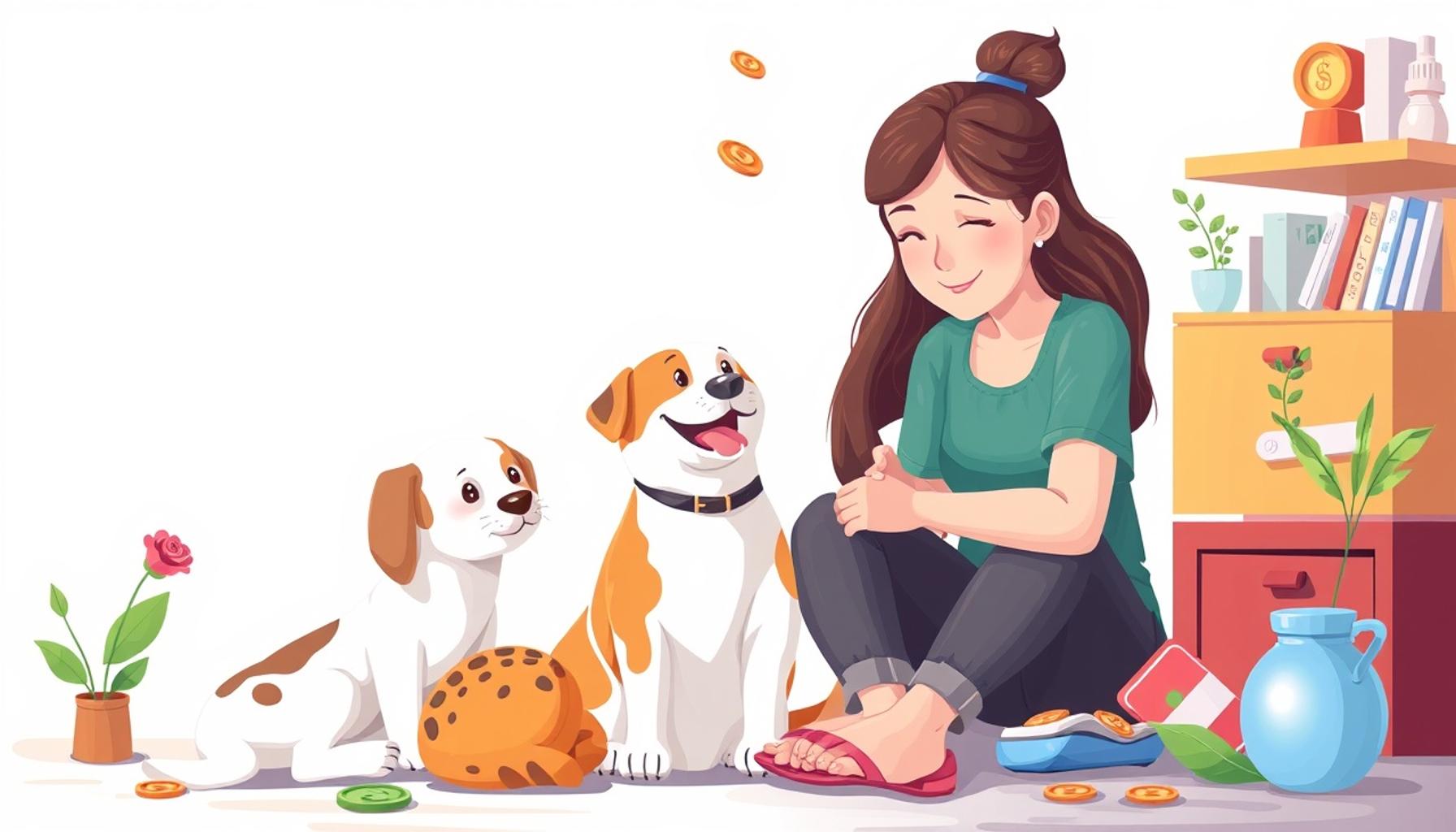
Imagine a scenario where a child helps feed, groom, and interact with a pet. Each of these tasks contributes to their understanding of how to care for another living creature, thereby fostering empathy. Children begin to recognize that their actions can affect an animal’s happiness and well-being. For instance, they learn to interpret a dog’s wagging tail or a cat’s purring, gaining insight into different emotional expressions. This ability to empathize can translate beyond their interactions with pets, shaping their relationships with peers and family members.
The daily responsibilities associated with pet ownership also impart crucial life lessons. Pets, whether they are dogs, cats, or even hamsters, require consistent care, including feeding, exercise, and health check-ups. This routine fosters a profound sense of duty in children. Tasks such as cleaning a litter box or walking a dog instill the importance of being reliable and punctual. For instance, studies conducted by the American Humane Association have shown that children who are involved in pet care tend to excel in their academic and social lives, demonstrating higher levels of diligence and organization.
Furthermore, adopting a pet promotes family bonding. When families care for a pet together, they cultivate teamwork and improve communication skills. Whether it’s setting schedules for vet visits or designing playtime activities, this shared responsibility often leads to discussions that strengthen family ties. Activities like visiting animal shelters together can also serve as opportunities for constructive dialogue about animal welfare and the importance of making compassionate choices.
The act of adopting rather than purchasing a pet highlights the significance of rescue and advocacy in today’s society. According to the American Society for the Prevention of Cruelty to Animals (ASPCA), around 6.5 million companion animals enter U.S. shelters every year. By choosing to adopt, families partake in a movement that seeks to reduce these numbers, teaching children the importance of advocacy and compassion towards all creatures.
Ultimately, the journey of pet ownership is not merely about having a furry friend; it is an intricate weave of life lessons that young ones carry with them into their futures. As families dive into the responsibilities of pet care, they uncover how empathy and accountability shape not only their experiences but also the dynamics of their relationships, instilling lifelong virtues that enhance their daily interactions.
The Development of Empathy Through Pet Care
One of the most profound benefits of pet adoption lies in its ability to cultivate empathy in children. Interactions with pets encourage youngsters to be attentive to the needs and feelings of another being. Studies indicate that children who share their lives with pets are often more sensitive to the emotions of their siblings and friends, showcasing a direct correlation between caring for animals and developing emotional intelligence.
To foster this sense of empathy, families can encourage simple yet impactful activities that involve their pets. For instance:
- Observation: Children can take time to observe their pet’s behavior, learning to recognize signs of happiness, stress, or discomfort.
- Interaction: Engaging in play not only entertains the pet but also fosters understanding; children learn to be patient and responsive during these moments.
- Care routines: Responsibility tasks such as grooming and feeding reinforce the idea that every creature requires attention and affection.
As children witness the joy they can bring to their pets through affection and proper care, they begin to internalize the importance of understanding others’ emotions. This shift is especially crucial during formative years, where foundational character traits are established. In addition, children often develop a sense of advocacy towards their pets, understanding that their well-being is intertwined with their own actions.
Building Responsibility through Daily Routines
Pet adoption also serves as a powerful tool for instilling a sense of responsibility. By involving children in the regular care of their pets, families create an environment rich with learning opportunities. Adopting a pet means embracing the challenge of nurturing and sustaining another life, an endeavor that requires a steadfast commitment. This shared journey reinforces key life skills, such as:
- Time Management: Scheduling feeding times, walks, and vet appointments teaches children how to prioritize and manage their time effectively.
- Accountability: When a pet is dependent on them for care, children learn the importance of being reliable and following through on commitments.
- Problem-Solving: Understanding a pet’s health issues or behavior challenges engages children in critical thinking and fosters their ability to seek solutions.
The consistency required in pet care also helps children grasp the concept of routine. Having a daily schedule that revolves around pet care allows them to appreciate the importance of discipline and structure. This not only aids in their development but extends to other areas such as helping with homework or completing chores around the house. In essence, the lessons learned through pet ownership ripple into their broader lives, bolstering their academic performance and interpersonal interactions.
In summary, pet adoption is not merely an act of bringing a furry friend into the home; it is a transformative experience that lays the groundwork for empathy and responsibility. Through consistent interaction with their pets, children learn how to connect with others, equipping them with vital skills that endure throughout their lives.
Pet adoption can significantly enhance family education, particularly in nurturing values such as empathy and responsibility. When families adopt a pet, they are not just welcoming a new member into their home; they are also embarking on a journey of emotional growth and learning. This experience allows children to understand and connect with the feelings of another living being. For instance, children learn to recognize when their pet is happy, sad, or scared, leading to a deeper understanding of emotions and the importance of compassion.
Moreover, taking care of a pet instills a sense of responsibility in family members. From feeding and grooming to providing regular veterinary care, these tasks teach children about commitment and the importance of fulfilling duties. By being accountable for their pet’s well-being, children gain practical life skills that extend beyond pet ownership. This kind of nurturing doesn’t just contribute to their personal development; it also fosters a strong sense of teamwork within the family, as everyone pitches in to care for their furry friend.
In addition, stories and experiences surrounding pet adoption can initiate meaningful conversations about social issues such as animal welfare, homelessness, and the importance of community involvement. Families can engage in outreach programs together, volunteering at local shelters and understanding the challenges faced by abandoned animals. This engagement deepens their bond and broadens their perspective on societal responsibilities.
| Advantages | Key Features |
|---|---|
| Emotional Development | Children learn to understand and empathize with their pet’s feelings. |
| Life Skills | Caring for a pet teaches responsibility, commitment, and teamwork in family dynamics. |
| Community Engagement | Volunteering at shelters promotes social awareness and compassion outside the home. |
Ultimately, the act of pet adoption serves as a meaningful educational experience that deeply enriches family life. Each pet not only brings joy and companionship but also plays a crucial role in shaping the values and responsibilities of its adopting family.
Social Skills and Inclusion: The Impact of Pets on Family Dynamics
In addition to enhancing empathy and responsibility, pet adoption significantly affects social skills within families. The presence of a pet often acts as a catalyst for social interactions, both within the family unit and in the larger community. This dynamic can help children develop vital communication and collaboration abilities, further enriching their educational experience.
When children engage in pet care, they learn to communicate their needs and the needs of their pets. They often share responsibilities with siblings or even parents, thus promoting teamwork. For example:
- Family Discussions: Caring for a pet opens discussions about their needs, preferences, and behaviors, encouraging children to express their thoughts eloquently and listen actively to others.
- Collaboration: Joint activities such as training sessions or outings to the park foster collaboration, prompting kids to work together to achieve a common goal, such as mastering a new trick or ensuring the pet’s safety.
- Social Engagement: Walking a dog or having a pet at home can attract neighbors and other pet owners, offering children opportunities to socialize and make new friends, thus expanding their social networks.
Moreover, pets can help bridge gaps in social inclusion for children who may struggle with traditional social settings. Children with autism or anxiety may find comfort in communicating with pets, as animals often do not judge or criticize. According to a study published by the American Association on Health and Disability, interactions with pets can reduce anxiety and improve social skills, allowing children to approach peers with greater confidence.
Enhanced Emotional Resilience and Family Bonding
The emotional benefits of pet adoption extend beyond learning empathy and responsibility. A shared love for a pet can enhance family bonding and promote emotional resilience in children. Pets often serve as non-judgmental companions through life’s ups and downs, providing comfort during challenging times. For instance:
- Support System: Having a pet present during family stressors such as academic challenges or personal losses can help children process their emotions more healthily by offering them a confidant who listens without judgment.
- Shared Experiences: Caring for a pet encourages families to spend quality time together. Whether it’s taking a dog for a walk, playing fetch, or simply snuggling on the couch, these experiences deepen familial connections.
- Resilience Building: Witnessing the challenges of pet care—be it dealing with illness or behavior issues—teaches children how to navigate setbacks with patience and adaptability, ultimately fostering their emotional resilience.
Data from the Pet Partners organization shows that children who grow up with pets develop stronger emotional skills, contributing positively to their mental health as they navigate complex emotions throughout their lives. By integrating a pet into family life, families create an enriching environment that promotes both empathy and responsibility while reinforcing essential life skills. In this way, pet adoption transcends being a mere act of kindness; it becomes a fundamental aspect of holistic family education.
Conclusion: The Transformative Power of Pet Adoption in Family Education
In summary, pet adoption serves as a profound mechanism for fostering empathy and responsibility within family life. By integrating a pet into the family dynamic, parents and children alike embark on a journey that nurtures emotional intelligence and strengthens relational bonds. The everyday tasks of pet care—feeding, walking, and grooming—require children to actively engage in caring behaviors, deepening their understanding of the needs of others and the importance of fulfilling commitments.
Moreover, the social skills cultivated through pet ownership are invaluable. Families that adopt pets experience enriched communication and collaboration, enhancing both familial interactions and community engagement. Such socialization provides children not only with immediate friendships but also prepares them for future relationships in diverse social settings, equipping them to navigate different environments confidently.
The emotional resilience gained from caring for a pet cannot be overstated. The unconditional love and comfort provided by animals offer a safe haven for children dealing with life’s challenges. Through the highs and lows of pet ownership, families grow together, learning to cope with setbacks while nurturing a supportive family atmosphere.
As we consider the benefits of pet adoption, it’s evident that this act goes beyond merely saving an animal; it establishes a nurturing foundation for lifelong lessons. Each paw print left on the family path becomes a stepping stone toward developing empathetic, responsible, and emotionally resilient individuals. Therefore, it is vital for families to explore the incredible journey that pet adoption can offer, as it represents a unique opportunity for holistic education that shapes both individuals and communities.

Beatriz
Beatriz Johnson is a seasoned pet care expert and writer with a passion for simplifying the complexities of pet ownership and animal well-being. With over a decade of experience in the field, she specializes in topics like pet nutrition, training techniques, and health care. Through her work on our website, Beatriz empowers pet owners to make informed decisions and provide the best possible care for their furry friends, ensuring happy and healthy lives for their beloved companions.