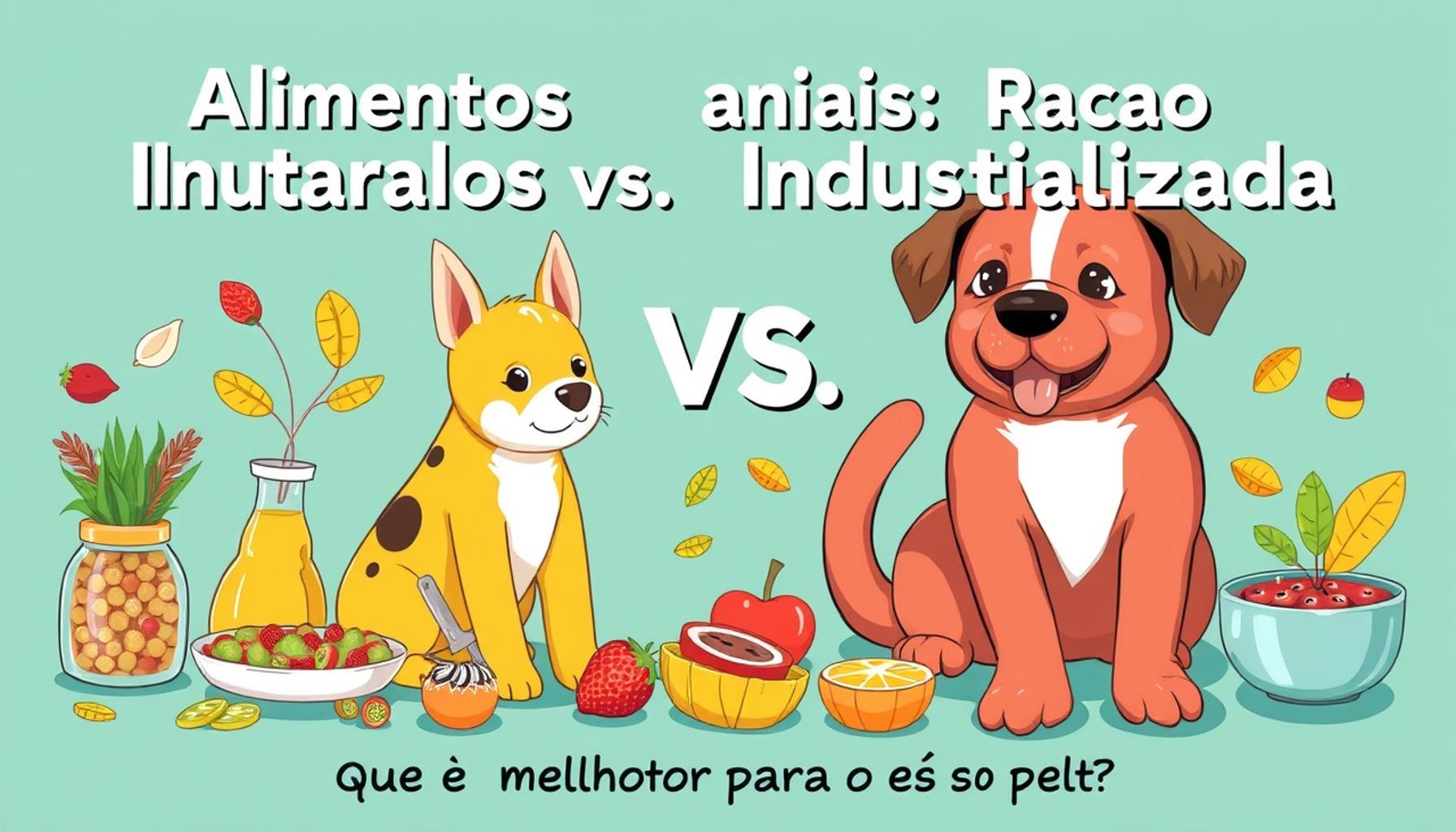
Natural Foods vs. Processed Food: What is Best for Your Pet?
Understanding Pet Nutrition
When it comes to feeding our furry companions, the debate between natural foods and processed food is ever-present. As pet owners, we want the best for our pets, but the options can be overwhelming. What should we really be considering?
The Growing Interest
With a rise in pet wellness awareness, many owners are reevaluating their pets’ diets. This shift is driven not just by a desire for better nutrition but also by increased accessibility to information regarding what constitutes healthy pet food. Both sides of the argument offer compelling points:
- Natural Foods: These foods typically include fresh meats, vegetables, and whole grains. They are praised for their high nutrient content, which is essential for a pet’s overall health. A common example is homemade dog food made from chicken breast, sweet potatoes, and peas—each ingredient offers specific health benefits, supplying necessary vitamins, proteins, and fibers.
- Processed Foods: Often more convenient, these include kibble and canned options that claim to provide balanced nutrition at a lower cost. For instance, many commercially prepared dog foods meet the standards set by the Association of American Feed Control Officials (AAFCO), assuring owners that the meals contain adequate levels of essential nutrients. However, understanding the manufacturing process is crucial, as not all processed foods are created equal.
Key Considerations
Before making a choice, there are vital factors to consider:
- Ingredients: What exactly are you feeding your pet? Investigating the ingredient list can reveal the quality of the protein source (meat vs. meat by-products), presence of fillers (such as corn or soy), and artificial additives. Owners should aim to select foods where the first ingredients are recognizable, whole foods.
- Nutritional Value: How do these foods support your pet’s health? Nutritional needs can vary based on age, breed, activity level, and health status. For example, a high-energy active dog may require more protein and fewer carbohydrates compared to a senior dog prone to weight gain.
- Cost: Is your choice sustainable for your budget? While natural foods may come at a premium price, the long-term health benefits may lead to fewer veterinary visits and reduced health crises. Understanding the price-per-serving can help you find a balance between quality and affordability.
The decision isn’t simple, and understanding the implications of each option can guide pet owners to make informed dietary choices. By exploring various brands, reading reviews, and perhaps even consulting a veterinarian or pet nutritionist, pet owners can tailor their pet’s diet to optimize health and vitality. Join us in exploring the nuances of natural foods vs. processed food in the quest for optimal pet health, ensuring that our beloved companions thrive on a diet best suited to their needs.
The Benefits of Natural Foods
In the pursuit of the best diet for pets, natural foods have gained significant traction among many pet owners. These foods, which consist of fresh ingredients free from additives and preservatives, often boast an array of health benefits. When it comes to nutritional quality, natural foods can provide a balanced intake of vitamins, minerals, and proteins derived from identifiable sources. Ingredients like lean meats, fresh vegetables, and whole grains play a pivotal role in enhancing the overall health of your pet.
Health Advantages
Choosing a natural food diet can lead to several health advantages for pets:
- Improved Digestion: Natural foods typically contain fewer fillers and artificial ingredients, promoting better digestive health. Ingredients such as pumpkin and sweet potatoes can aid in digestion and contribute to a healthier gut.
- Weight Management: Many natural food diets are higher in protein and lower in carbohydrates, which can help maintain a healthy weight. This is particularly important for breeds predisposed to obesity.
- Shinier Coat and Healthier Skin: Essential fatty acids found in natural foods, such as Omega-3 and Omega-6, can improve skin health, resulting in a shinier coat. Fresh ingredients also help reduce the risk of skin allergies caused by synthetic additives.
- Enhanced Energy Levels: Pets consuming a diet rich in natural foods often show increased energy and vitality, due to the absence of artificial preservatives, which can lead to lethargy.
Moreover, natural foods allow pet owners to have total control over what their pets are consuming. Many owners prepare homemade meals from scratch, integrating knowledge about what is beneficial for their specific pet. Recipes found online can include wholesome combinations, providing a personalized touch to pet nutrition.
Exploring Processed Foods
On the other hand, processed foods offer convenience and accessibility for busy pet owners. Many commercially prepared pet foods meet stringent dietary guidelines and provide balanced nutrients, thanks to extensive scientific research and regulations that guide their production. Brands invest in formulations that try to mimic the nutritional profiles dogs would consume in the wild, presenting a feasible option for those who may lack the time for meal preparation.
Advantages of Convenience
The market for processed pet foods offers several advantages:
- Time-Efficiency: For pet owners with hectic schedules, processed foods provide a quick and simple feeding solution without the need for preparation or cooking.
- Consistency: With processed foods, the nutrient composition remains relatively stable, ensuring that pets receive the same balance of vitamins and minerals at each meal.
- Cost-Effectiveness: Processed pet foods are often more budget-friendly. Buying in bulk or choosing store brands can significantly reduce weekly spending on pet food.
- Widespread Availability: Processed foods are easily found in grocery stores, pet specialty shops, and online, making it convenient for pet owners across the country.
While processed foods are convenient, they vary greatly in quality and nutrient content. It is essential for pet owners to scrutinize labels and understand what they are feeding their pets, as some brands may include low-quality fillers. The choice between natural foods and processed foods can ultimately impact your pet’s health, and it’s crucial to weigh the benefits against your pet’s specific needs.
| Natural Foods | Processed Food |
|---|---|
| Whole ingredients offering nutrients in their natural states | Convenience with long shelf life and easy storage |
| Higher digestibility leading to better absorption of essential nutrients | Consistent nutrition ensures stable diets regardless of natural food availability |
When addressing the dietary preferences of pets, understanding the contrast between natural foods and processed options is pivotal. Natural foods typically comprise whole ingredients, which provide nutrients in their most beneficial forms. These ingredients may enhance digestibility, allowing pets to absorb essential nutrients effectively, ultimately leading to improved overall health. They are often free from fillers or artificial additives, which is a critical aspect for health-conscious pet owners seeking the best for their furry companions.Conversely, processed foods offer a level of convenience that many pet owners appreciate. With their extended shelf life, they provide a practical solution for those with busy lifestyles or limited access to fresh natural options. Moreover, these foods ensure consistent nutrition, delivering stable dietary profiles regardless of seasonal ingredient variations. This engages pet owners to ponder not just what is on their pet’s plate today, but the comprehensive implications of their dietary choices. Embracing the discourse surrounding natural versus processed can lead to greater awareness and, ultimately, better health for beloved pets.
Understanding the Drawbacks of Processed Foods
While processed foods present an array of conveniences for pet owners, they do come with distinct drawbacks that can influence the overall health and wellness of your pet. Recognizing these limitations is as essential as understanding the benefits, enabling pet owners to make informed dietary choices.
Concerns about Nutritional Quality
One significant concern surrounding processed foods is the nutritional quality. Although many brands adhere to industry standards, not all processed pet foods are created equal. Some lower-end products may utilize by-products or fillers that offer little nutritional value. Ingredients like corn, wheat, and soy are commonly used as cheap fillers, which can lead to allergies and sensitivities in some pets. Owners need to become adept at reading ingredient lists to identify red flags, prioritizing those with identifiable, quality protein sources.
Potential for Food Additives
Another issue with processed foods is the inclusion of artificial additives. Many pet foods contain preservatives, flavor enhancers, and coloring agents designed to improve taste and shelf-life. While these additives can prolong a product’s usefulness, they may not align with a dog or cat’s natural dietary needs. Research has shown that some preservatives, such as BHA and BHT, have been linked to health concerns, making it vital for pet owners to be vigilant in their selection.
Health Issues from Diet
Moreover, a diet heavily reliant on processed foods can contribute to various health problems over time. Increased risks of obesity and diabetes are associated with the higher carbohydrate content of some processed diets. The Association for Pet Obesity Prevention reports that over 50% of cats and dogs in the U.S. are classified as overweight or obese. This surplus weight can lead to joint issues and chronic diseases, which may decrease a pet’s quality of life.
Personalization in Diet
Unlike natural foods, which allow for diverse ingredient combinations tailored to specific pets, processed foods can lack customization. Each pet possesses unique dietary needs based on age, breed, and health conditions. While some brands offer specialized formulas, they may not always align perfectly with the individual nutrition requirements of every pet. Custom diets are increasingly gaining popularity, allowing owners to create meals suited to their pet’s specific needs.
The Shift Towards Hybrid Diets
Interestingly, the market is witnessing a growing trend towards hybrid diets, combining natural and processed options. Pet owners are increasingly choosing to incorporate elements of both, crafting meals that maintain convenience while ensuring quality nutrition. This could be as simple as using high-quality dry kibble while supplementing with fresh vegetables or proteins at mealtimes. This strategy can leverage the benefits of both worlds, optimizing nutritional value without sacrificing convenience.
Ultimately, the decision between natural foods and processed foods remains a personal one, requiring careful consideration of benefits, drawbacks, and individual pet needs. With a plethora of options available, a thoughtful approach to diet can pave the way for lasting health and happiness in our furry companions.
Conclusion: Finding the Right Balance for Your Pet’s Diet
In the ongoing debate between natural foods and processed foods, it becomes apparent that there is no one-size-fits-all solution for pet nutrition. Each option brings its unique benefits and challenges, leaving pet owners with the profound task of discerning what is best suited for their furry companions. The merits of natural foods often lie in their wholesomeness and flexibility, allowing for tailored diets that meet specific needs. Meanwhile, processed foods offer unparalleled convenience, making feeding more manageable in our busy lives.
As we consider these factors, the importance of informed decision-making cannot be overstated. Pet owners should engage in thorough research, carefully review ingredient labels, and consult with veterinarians to navigate the vast landscape of pet food options. Furthermore, the rise of hybrid diets presents an exciting avenue to explore, blending the advantages of both food types. By integrating high-quality processed foods with fresh ingredients, pet owners can optimize their pets’ health while ensuring ease of feeding.
Ultimately, the best diet for your pet hinges on individual health needs, lifestyle, and preferences. As stewards of their well-being, pet owners are encouraged to remain vigilant, proactive, and open-minded about the nutritional choices they make. In doing so, they lay the groundwork for enriched, vibrant lives filled with health and happiness for their loyal companions.

Beatriz
Beatriz Johnson is a seasoned pet care expert and writer with a passion for simplifying the complexities of pet ownership and animal well-being. With over a decade of experience in the field, she specializes in topics like pet nutrition, training techniques, and health care. Through her work on our website, Beatriz empowers pet owners to make informed decisions and provide the best possible care for their furry friends, ensuring happy and healthy lives for their beloved companions.