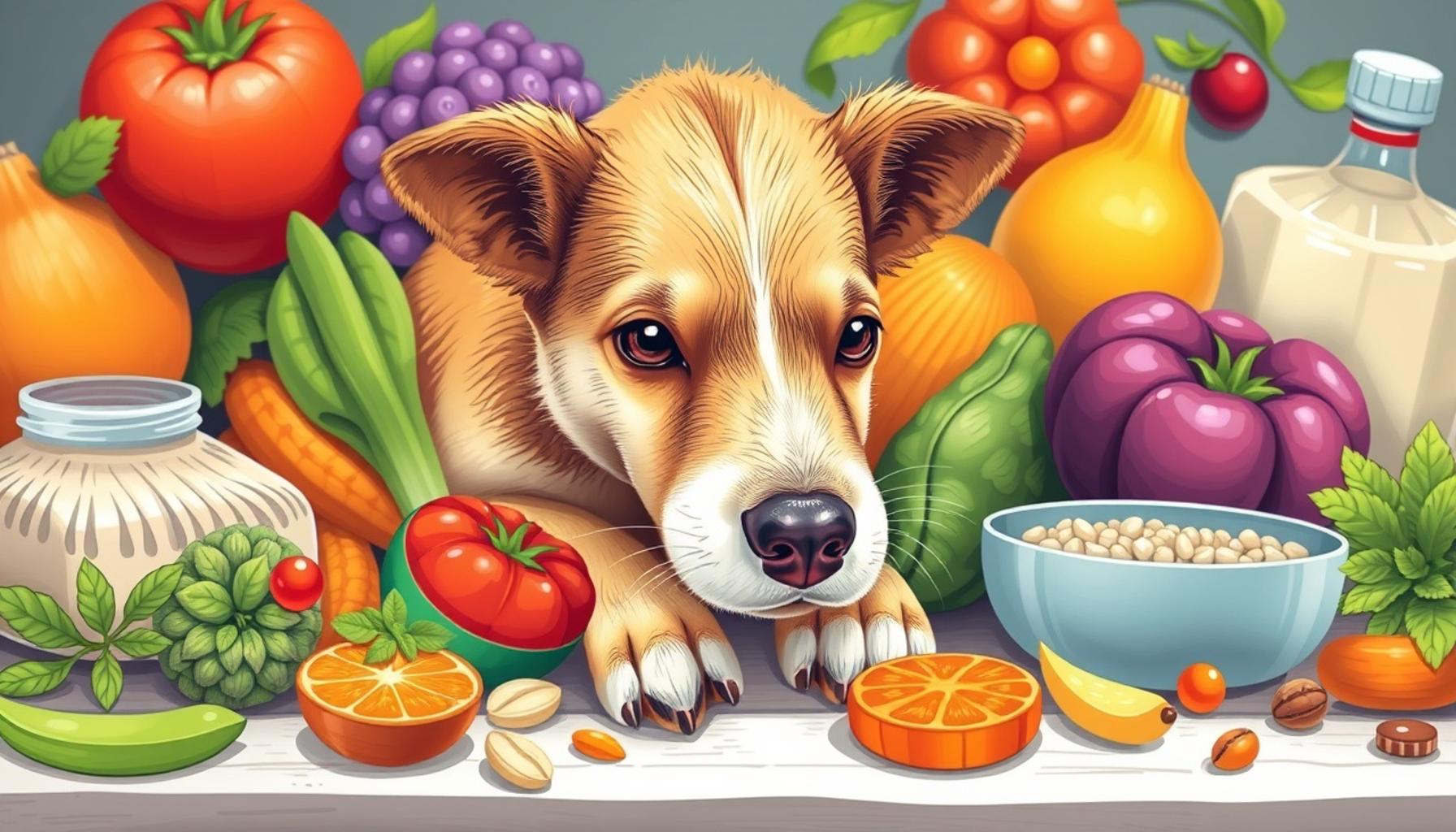
How Nutrition Affects Pet Behavior

Understanding Nutrition’s Impact on Pet Behavior
The link between nutrition and pet behavior is a fundamental consideration for pet owners that often slips under the radar. Many owners remain blissfully unaware that their pet’s diet plays a pivotal role in shaping not just their physical health but also their emotional state and behavioral patterns. By comprehending this connection, pet owners can significantly enhance the quality of life for their beloved companions.
Type of Food
The choice between dry kibble and wet food is one of the first decisions many pet owners make. While dry food is convenient and can help to maintain dental health, it may not provide adequate hydration, which is essential for overall well-being. On the other hand, wet food can offer increased moisture content, which can be particularly beneficial for pets prone to urinary issues. For instance, a dog that consumes kibble exclusively may exhibit signs of dehydration, such as lethargy, while one that eats wet food could seem more vibrant and active.
Nutritional Balance
The balance of nutrients in a pet’s diet is instrumental in fostering healthy brain function. Essential vitamins and minerals, such as vitamin E, vitamin B, and omega-3 fatty acids, play crucial roles in behavior regulation. Research indicates that a diet rich in omega-3 fatty acids not only contributes to a shiny coat but also has been linked to improved mood and cognitive function in dogs and cats alike. Therefore, including fish oil or flaxseed oil in their meals may catalyze a shift towards calmer and more focused behavior.
Feeding Schedule
Moreover, establishing a consistent feeding schedule reinforces stability in a pet’s life. Animals thrive on routine, and regular meal times can reduce anxiety and promote familiarity with their environment. It is not uncommon for pets to exhibit signs of distress when their feeding times are erratic; a hungry pet may act out or exhibit more aggressive tendencies, reflecting their discomfort.
Dietary Influence on Behavior
Numerous studies have established a direct correlation between poor dietary choices and behavioral issues. Diets high in refined sugars and unhealthy fats can spur hyperactivity and other behavioral problems. For example, dogs consuming processed treats high in sugar may experience energy spikes followed by crashes, leading to restlessness and agitation. In contrast, a balanced diet filled with wholesome ingredients can contribute to a more even-keeled temperament.
By diving deep into the intricacies of pet nutrition, owners unlock an essential pathway to understanding their pets’ behaviors. This exploration goes far beyond mere sustenance; it is a means of enriching the lives of their cherished companions and ensuring they lead joyous, balanced lives. As you reflect on your pet’s diet, consider the profound impact it may have on their conduct and overall happiness—a harmonious blend of nutrition and behavior is indeed a recipe for success.
The Role of Diet in Influencing Pet Emotions
Understanding how nutrition affects pet behavior involves delving deeper into the components of their diet and how these elements interact with their mental well-being. Many pet owners may be surprised to learn that the food they choose can considerably affect their pet’s emotional health and behavior. From mood swings to aggressive tendencies, what pets eat can act as a response key in their temperament.
Essential Nutrients for Behavioral Wellness
One of the first aspects to consider is the importance of essential nutrients in promoting balanced behavior. A diet lacking in critical nutrients can lead to a range of behavioral issues, particularly in pets that are already predisposed to anxiety or hyperactivity. For instance, the amino acid tryptophan is known to help produce serotonin—a neurotransmitter that regulates mood. A deficiency in tryptophan-rich proteins, such as turkey or chicken, could result in anxiety or irritability in pets, making it essential for owners to prioritize protein sources that promote mental health.
Omega-3 Fatty Acids: The Brain Boosters
As previously mentioned, omega-3 fatty acids play a pivotal role in improving mood and cognitive function. Foods rich in these fatty acids, such as salmon or chia seeds, can significantly help reduce inflammation in the brain, leading to better memory and learning capabilities. When integrated into a pet’s diet, these nutrients can foster a calmer demeanor, particularly in dogs that tend to exhibit anxious behaviors. Highlighting this, studies have shown that dogs receiving omega-3 supplements are statistically less likely to display signs of aggression or fearfulness.
Impact of Artificial Ingredients
Pet owners must also be wary of artificial ingredients in pet food, particularly colors, preservatives, and fillers that can have adverse impacts on behavior. Many commercial pet foods incorporate these additives to enhance shelf life and appearance. However, research suggests a potential link between these artificial components and increased hyperactivity, especially in younger pets. Selecting food that is free from artificial substances may create a more stable emotional state for pets, leading to improved behavior.
Recognizing Sensitive Stomachs and Their Behavioral Effects
Pets, much like humans, can exhibit behavioral changes when experiencing digestive discomfort. Foods that disrupt their stomach or cause allergies can lead to irritability and unpredictability. For example, a dog with food allergies may experience gastrointestinal distress, leading to discomfort and even aggression due to the pain. Owners should be observant and responsive to any changes in their pet’s behavior following dietary changes, as adjusting their food source may mitigate such effects.
In summary, optimizing a pet’s diet requires careful consideration of the nutrients, sources, and quality of their food. Addressing the correlation between nutrition and behavior not only aids in reducing troublesome habits but also enhances the overall well-being of our furry companions. A well-rounded diet, rich in essential nutrients and devoid of harmful additives, can pave the way for a happier, healthier pet. Ultimately, knowing what we feed our pets allows us to unlock the keys to their emotional and behavioral harmony.
| Category | Impact on Behavior |
|---|---|
| Diet Composition | High-quality proteins and fats can enhance energy levels and focus in pets. |
| Nutrient Balance | A balanced diet with vitamins and minerals helps prevent anxiety and fosters social interactions. |
The relationship between nutrition and pet behavior is more complex than many owners might think. Certain diets, particularly those rich in omega-3 fatty acids, have been linked to reduced aggression and improved conduct in dogs. Similarly, the incorporation of antioxidants in pet food can bolster mental acuity, significantly curbing behavioral issues. Furthermore, studies indicate that the timing of feeding can also play a pivotal role; regular meal schedules often contribute to more stable moods and enhanced calmness.Consider how a lack of specific nutrients can lead to hyperactivity or fatigue in pets. For instance, deficiencies in B vitamins may result in increased nervousness and irritability. Hence, choosing the right food becomes crucial in shaping your pet’s response to various situations. Understanding your pet’s unique nutritional profile can unlock a realm of benefits, transforming not only their physical well-being but also their emotional health.
How Micronutrients Influence Mood and Behavior
While macronutrients such as proteins, fats, and carbohydrates play significant roles in pet behavior, micronutrients shouldn’t be overlooked. Vitamins and minerals are crucial for optimal brain function, impacting mood and behavioral responses in pets. For example, vitamin B complex contributes to the synthesis of neurotransmitters, which are vital for emotional balance. A deficiency in these vitamins can lead to mood disorders and anxiety, particularly in pets that face stressful situations.
The Role of Magnesium and Calcium
Magnesium is another essential mineral that supports nerve function and regulates neurotransmitter release. Pets with insufficient magnesium may display restlessness or anxiety, prompting owners to seek behavioral assistance. In addition, calcium is necessary for proper neuron transmission and can affect your pet’s alertness and general mood. Ignoring these essential minerals can lead to hyperactivity or extreme lethargy, highlighting their importance in a balanced diet.
Fermentable Fiber and Gut Health
The gut-brain connection has garnered increasing attention in recent years, illustrating how fermentable fiber can impact pet behavior. A diet that includes prebiotics and probiotics ensures a healthy gut microbiome, which is crucial for emotional regulation. Research suggests that pets with a healthy gut flora exhibit fewer signs of anxiety and depression, leading to improved behavior. Foods like pumpkin and sweet potatoes provide the right kind of fiber, which can significantly enhance gut health.
The Influence of Feeding Schedule on Behavior
It’s also essential to consider the feeding schedule when addressing pet behavior. A regular feeding routine helps regulate a pet’s internal clock and can significantly impact their mood and overall demeanor. Animals thrive on consistency, and abrupt changes can lead to stress. For instance, frequent meal timing can mitigate clinginess in dogs or reduce anxiety in cats, fostering a calmer home environment.
Behavioral Benefits of Raw vs. Kibble Diets
Pet owners often find themselves in a debate over raw diets versus traditional kibble. Raw diets, which focus on fresh meats, bones, and vegetables, are touted for more natural vitamins and minerals, promoting balanced behavior. Proponents argue that raw diets can reduce behavioral problems by enhancing physical health and satisfaction. On the other hand, kibble, while convenient, often contains preservatives that may disturb a pet’s mental well-being. Each pet’s dietary needs are unique, requiring tailored solutions from informed owners.
Hydration’s Hidden Impact
Lastly, hydration plays a critical yet often ignored role in a pet’s behavior. Pets need access to fresh, clean water at all times. Dehydration can lead to lethargy and irritability, making pets more prone to behavioral issues. Incorporating wet food or ensuring constant access to fresh water can keep pets hydrated and more emotionally balanced. This aspect of nutrition is simple yet vital for maintaining a well-rounded and happy pet.
In summary, the intricate relationship between nutrition and behavior underscores the importance of a well-rounded diet for pets. By understanding how various nutrients contribute to emotional stability, pet owners can make informed choices that enhance their pet’s overall well-being and behavior. The exploration of micronutrients, feeding habits, and hydration can ultimately lead to a happier, healthier relationship with our animal companions.
Conclusion: Nutrition’s Key Role in Shaping Pet Behavior
In conclusion, understanding how nutrition affects pet behavior is essential for any responsible pet owner. The various elements of a pet’s diet—from macronutrients to micronutrients, hydration, and even meal schedules—play a crucial role in determining their emotional stability and behavior. As we have explored, a balanced diet not only fuels pets physically but also establishes the foundation for their mental well-being.
The impact of vitamins and minerals cannot be overstated. Deficiencies in key nutrients like magnesium and calcium may manifest in behaviors that range from anxiety to hyperactivity, suggesting a direct link between diet and emotional health. Similarly, the gut-brain connection emphasizes that a well-maintained microbiome can lead to significant behavioral improvements, showcasing the powerful influence of fermentable fiber.
Moreover, the consistency of feeding practices helps regulate a pet’s internal clock, reducing stress and promoting well-adjusted behavior. With the ongoing debate surrounding raw versus kibble diets, it’s evident that tailored nutritional plans are essential to address individual pet needs, fostering better behavior and health outcomes.
To cultivate a harmonious relationship with our furry companions, it is imperative to prioritize a nutritionally rich diet. Empowered by the knowledge of how nutrition intricately shapes behavior, pet owners can take proactive steps towards nurturing not only their pets’ physical health but also their emotional well-being, paving the way for a happier, healthier life together.

Beatriz
Beatriz Johnson is a seasoned pet care expert and writer with a passion for simplifying the complexities of pet ownership and animal well-being. With over a decade of experience in the field, she specializes in topics like pet nutrition, training techniques, and health care. Through her work on our website, Beatriz empowers pet owners to make informed decisions and provide the best possible care for their furry friends, ensuring happy and healthy lives for their beloved companions.