Craftsmanship as a Tool for Empowerment: Stories of Creators Who Transform Their Communities

Craftsmanship as a Tool for Empowerment
In today’s rapidly changing world, craftsmanship stands out as a beacon of hope and transformation. It is not just about creating beautiful objects; it encompasses a broader mission to make a lasting impact in communities. Through the art of crafting, individuals hone their skills to build bridges, empower themselves, and uplift those around them. This movement can be observed in various forms, ranging from traditional arts to modern entrepreneurial ventures.
One compelling example is the emergence of artisan cooperatives that operate on principles of fair wages and sustainable practices. These cooperatives provide not only a source of income for artisans but also foster community solidarity. For instance, in parts of Appalachia, craft cooperatives help local artisans market handmade quilts and pottery, ensuring that profits support both their families and the local economy. By working together, these artisans create a sense of belonging while preserving their regional craft heritage.
Another significant aspect of craftsmanship is its role in cultural preservation. Many individuals are using traditional techniques passed down through generations to keep their cultural heritage alive. For example, Native American beadwork is not only an artistic expression but also a means of storytelling and cultural continuity. Workshops that focus on these techniques, whether in a community center or through online platforms, empower participants to take pride in their ancestry while sharing this knowledge with younger generations.
Furthermore, the entrepreneurial spirit surrounding craftsmanship is evidenced by countless creators who are transforming their hobbies into successful businesses. A great example is a potter in the Midwest, who not only revives indigenous techniques but also leads workshops aimed at teaching both skills and the importance of cultural narratives. Similarly, in urban settings like Brooklyn, a jeweler is inspiring local youth through hands-on workshops that teach design and business skills. Such initiatives empower youth with vocational skills that can lead to job opportunities, helping them escape cycles of poverty.
The United States buzzes with countless stories of creators emerging from every corner of the country. These narratives reveal not just individual triumphs but also a broader movement toward leveraging craftsmanship as a tool for social change. By exploring the profound impact of craftsmanship on individual lives and society at large, we can uncover the depth of its influence.
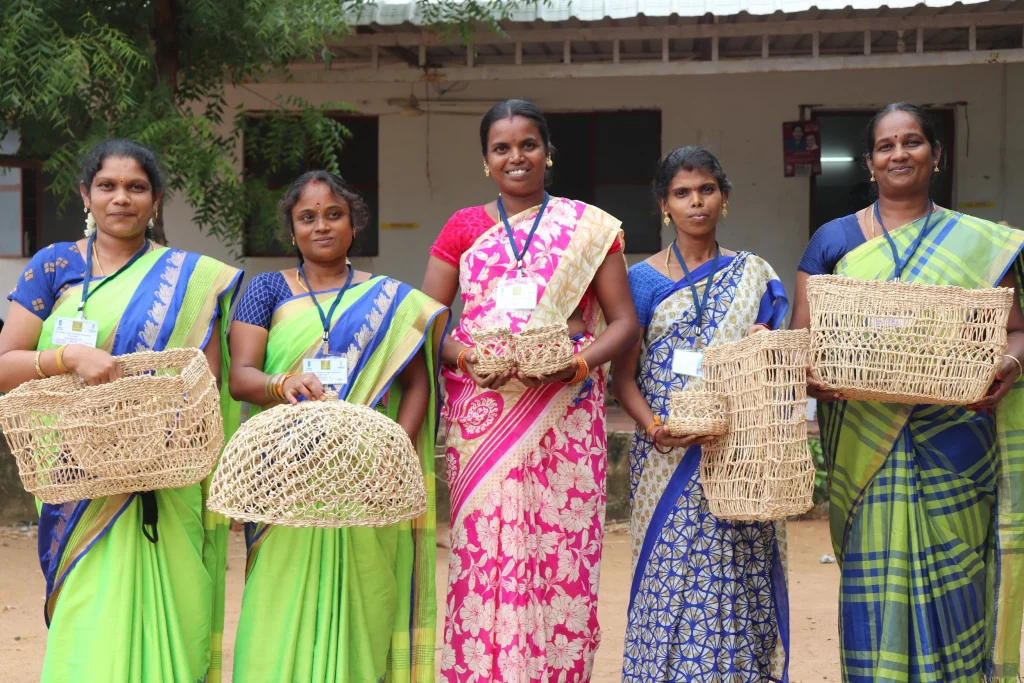
The champions of craftsmanship are reshaping their crafts while simultaneously redefining their communities. As we delve deeper into this narrative, stay tuned to explore inspiring tales that underscore how artistry can serve as a means of empowerment and social responsibility, offering glimpses into a brighter, more connected future.
Threads of Resilience: How Craftsmanship Rebuilds Communities
In a world where technology often overshadows traditional skills, the revival of craftsmanship serves as a powerful testament to human creativity and connection. Across the United States, artisans and creators have harnessed their talents to not only produce unique handmade items but also to foster community resilience and empowerment. The stories of these individuals showcase how craftsmanship can cultivate a sense of identity, purpose, and unity within diverse populations.
One impactful example is the resurgence of sewing circles, which have re-emerged in various communities, particularly in urban areas where social isolation can be prevalent. These groups often stitch together both fabric and relationships, providing a supportive environment for individuals to learn and share skills. Whether it’s creating garments or repurposing textiles, the act of sewing becomes a collective journey toward empowerment. Participants often report increased self-esteem and a newfound sense of agency, empowering many to embark on small business ventures.
Moreover, the intersection of craftsmanship and sustainability provides a compelling narrative in many communities. As environmental concerns escalate, artisans are stepping up by utilizing recycled materials or embracing eco-friendly practices. For instance, a collective of woodworkers in Oregon has gained recognition by transforming discarded wood into stunning furniture and art pieces. This initiative not only addresses waste but also inspires community members to engage in discussions around environmental stewardship and local craftsmanship.
To further illustrate the transformative power of craftsmanship, consider the following areas where it is having a significant impact:
- Entrepreneurship Development: Many artisans are turning their crafts into businesses that support not only their livelihoods but also those of others in their community.
- Mentorship Programs: Several creators are giving back by mentoring young artists and providing them with valuable skills that could lead to future employment.
- Art as Activism: Creatives use their craftsmanship to address social issues, using their platforms to highlight concerns and inspire action within their communities.
In addition to individual stories, the broader implications of craftsmanship can be observed in initiatives aimed at community development. Organizations such as the Craft Emergency Relief Fund have emerged to support artisans facing hardship, showcasing the spirit of solidarity that craftsmanship can inspire. By offering resources and support, these organizations help producers maintain their creative endeavors, leading to stronger, more connected communities built on shared expertise.
As this movement continues to grow, it becomes increasingly clear that craftsmanship extends far beyond artistic expression; it serves as a tool for empowerment and social transformation. In the chapters that follow, we’ll dive deeper into specific stories of creators who have used their skills to change lives, forging connections that resonate throughout their communities and beyond.
Empowering Communities Through Craftsmanship
Craftsmanship extends beyond the act of creation; it serves as a catalyst for transformation in communities worldwide. By honing skills and embracing their craft, creators empower themselves and inspire those around them. Individuals engaged in this transformative artistry often become role models, demonstrating that dedication and talent can lead to sustainable change. The stories of these creators highlight not just their personal journeys but also the collective upliftment of their communities, emphasizing the ripple effect of craftsmanship.
A notable aspect of this empowerment is the focus on local materials and sustainable practices. Utilizing resources available within the community not only reduces environmental impact but also fosters economic independence. For instance, artisans creating eco-friendly products encourage others to do the same, thereby strengthening community resilience. Connectivity is another pivotal theme; as creators share their work, they forge networks that enrich local culture and provide platforms for collaboration.
Through workshops, mentorship programs, and cultural events, artisans pass their skills onto the next generation, ensuring that the spirit of craftsmanship endures. These initiatives promote inclusivity, inviting individuals from diverse backgrounds to participate in crafting. This shared experience cultivates an environment of learning and creativity that resonates beyond the individual, creating a legacy of empowerment.
Moreover, as creators engage with their communities, they often uncover unique narratives that reflect the struggles and triumphs of their surroundings. This storytelling aspect of craftsmanship not only preserves cultural heritage but also serves as a powerful medium for expressing social issues, drawing attention to the need for change. By weaving their personal stories into their crafts, these creators ignite dialogues, encouraging others to reflect on their own roles within the community.
| Category | Advantages |
|---|---|
| Community Engagement | Fosters unity and collaborative efforts among community members through shared crafting activities. |
| Skill Development | Promotes personal growth and encourages the sharing of techniques, preserving traditional crafts. |
As we delve into the life stories of these creators, we uncover the profound connections between craftsmanship and community empowerment, revealing how the act of creation can lead to transformative societal change.
Bridging the Gap: Craftsmanship and Community Connection
The role of craftsmanship in community empowerment is not just about skill-building but also about creating meaningful connections between individuals. Artisans across the country are finding ways to bridge gaps between different cultures, generations, and socioeconomic backgrounds through their crafts. This exchange of knowledge and tradition not only preserves valuable skills but also enriches the community tapestry, fostering a greater sense of belonging.
One notable initiative comes from the Craftsman’s Guild in New York, which connects established artisans with recent immigrants looking to share their traditional crafts. Through workshops focused on diverse techniques such as woodworking, pottery, and textiles, participants not only hone their artistic skills but also engage in cross-cultural dialogues. The result is a vibrant melting pot of craftsmanship, where age-old techniques are revived and modern interpretations emerge. This program has successfully empowered participants by providing them with both the confidence to showcase their talents and the tools to navigate local markets.
Moreover, craftsmen are often at the forefront of addressing specific societal issues through their work. Take the example of upcycling initiatives that have sprung up in various U.S. cities. Artists in urban environments have begun transforming waste materials into functional art pieces, thus tackling the pressing issue of pollution. A community in Atlanta, for instance, has launched a campaign to repurpose plastic waste into beautiful, handcrafted home goods. This movement not only brings awareness to environmental issues but also empowers locals by providing them with the skills to create sustainable products and start their businesses.
Education plays a crucial role in this empowerment narrative. Vocational training programs, such as those run by the American Craft Council, actively promote the importance of craftsmanship as a viable career choice. By providing resources, mentorship, and workshops to underserved youth, these organizations help cultivate a new generation of artisans. More than just teaching technical skills, these programs emphasize entrepreneurship, planning, and financial literacy, ensuring that participants are well-equipped to thrive in a competitive marketplace.
The intersection of craftsmanship and technology also presents fresh opportunities for community transformation. Initiatives like Makerspaces, which have proliferated across the United States, encourage collaboration among creators from various backgrounds. Offered spaces equipped with tools such as 3D printers and woodworking machines provide an environment where innovation can flourish. For instance, in San Francisco, a Makerspace has successfully blended traditional crafting techniques with modern technology, enabling artisans to produce unique, high-quality items entrenched in their cultural customs. This fusion not only revitalizes old methods but also opens pathways to new ideas and collaborations.
As the landscape of craftsmanship continues to evolve, the stories emerging from these communities illuminate the incredible potential of creating together. By embracing both traditional and contemporary techniques, artisans are not only preserving their heritage but are, in fact, reshaping what it means to be a community. The act of crafting becomes a united effort in solving challenges and pushing forward the idea of resilience and empowerment.
Craftsmanship: A Catalyst for Community Transformation
In conclusion, the journey through the world of craftsmanship as a tool for empowerment reveals a powerful narrative of connection, innovation, and social impact. From the flourishing workshops of the Craftsman’s Guild in New York to the creative upcycling initiatives in Atlanta, artisans across the United States are redefining the traditional role of craft. They are not only preserving age-old techniques but are also addressing pressing societal challenges such as environmental sustainability and cultural integration.
The vibrant stories of these creators highlight how education and technology intersect to form a dynamic foundation for new opportunities. Organizations like the American Craft Council are pivotal in mentoring the next generation, offering the skills necessary for success in both craftsmanship and entrepreneurship. Moreover, the rise of Makerspaces exemplifies an innovative fusion of traditional craftsmanship and modern technology, providing the tools for collaborative learning and creativity.
As we reflect on the profound impact of craftsmanship, it’s clear that this practice transcends mere artistry; it is a vital instrument for community empowerment and social cohesion. The collective experience of crafting fosters a strong sense of belonging and mutual support, essential ingredients for resilient communities. The road ahead holds immense potential, inviting a deeper exploration of how these stories can inspire further transformation. By continuing to embrace craftsmanship as a vehicle for change, we can cultivate inclusive environments where creativity thrives, and individuals are empowered to shape their futures.