The Relationship between Hydration and Healthy Food Choices
Understanding Hydration and Nutrition
Proper hydration and healthy food choices are fundamental to maintaining overall wellness. Interestingly, these two elements are not standalone; they deeply influence each other. Exploring the connections between them can reveal surprising insights that enhance our understanding of better living.
Why Hydration Matters
Water is essential for almost every bodily function, including:
- Regulating body temperature
- Supporting digestion
- Improving nutrient absorption
The human body is composed of approximately 60% water, underscoring just how vital this resource is for survival and optimal functioning. Without adequate hydration, the body struggles to perform at its best, leading to issues such as fatigue, confusion, and decreased cognitive function. This can significantly impair our ability to make healthy food choices. For instance, when dehydrated, individuals may misinterpret thirst as hunger, resulting in unnecessary snacking or unhealthy food options.
Even mild dehydration can have a profound impact on physical performance, mood stability, and metabolic functions. During exercise, for example, failure to maintain hydration can lead to decreased endurance and increased risk of injury. Therefore, understanding the importance of fluid intake is crucial not just for athletes but for anyone looking to improve their daily health regime.
The Role of Food Choices
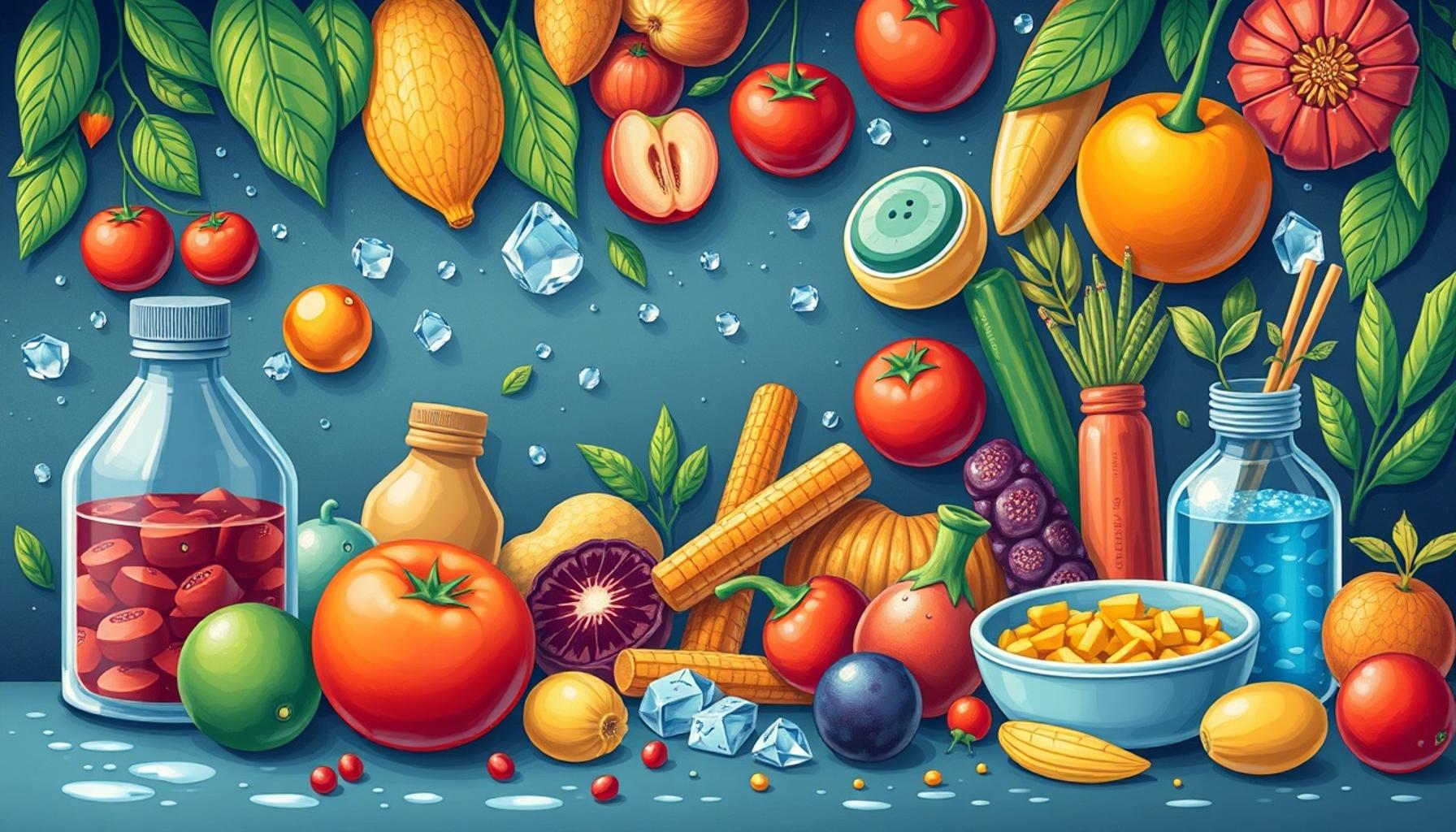
Healthy food options often come with a high water content, such as:
- Fruits like watermelon and oranges
- Vegetables such as cucumbers and spinach
- Soups and broths
These choices not only contribute to hydration but also provide essential nutrients that work synergistically with water for optimal health. For instance, consuming water-rich foods can enhance water retention in the body, promoting better skin health and digestive function. Additionally, fruits and vegetables can be key sources of vitamins and minerals that fortify our immune system and improve overall vitality.
Moreover, understanding how hydration affects our food choices can help you make better dietary decisions. For example, starting a meal with a broth-based soup can prepare your digestive system, enhancing nutrient absorption in subsequent courses. Awareness of one’s hydration status can lead to a more mindful approach to eating, ensuring that choices align with lifestyle goals.
In conclusion, there is an intricate dance between hydration and nutrition. By recognizing this relationship, individuals can take proactive steps to enhance their health, potentially leading to a more vibrant and energetic life. Adopting small habits, such as drinking water before meals or incorporating more hydrating foods into your diet, can yield significant improvements in both mental clarity and physical well-being.
The Interplay Between Hydration and Food Selection
Understanding the dynamic relationship between hydration and food choices reveals a crucial aspect of nutrition that is often overlooked. As hydration levels fluctuate, they can directly influence our cravings, appetite, and dietary decisions. Consequently, recognizing these interconnected effects can empower individuals to refine their eating habits and overall health.
Hydration’s Impact on Appetite and Cravings
The connection between hydration and appetite is intricate and significant. Research suggests that even mild dehydration can lead to increased feelings of hunger, oftentimes causing individuals to reach for high-calorie snacks instead of more nutritious options. In fact, a study published in the journal Physiology & Behavior indicates that participants who were mildly dehydrated chose larger portions of calorie-dense foods compared to those who were adequately hydrated.
Moreover, dehydration can trigger cravings for sugar and salt, potentially steering dietary choices towards processed and high-calorie snacks. This tendency showcases how water consumption before meals can play a pivotal role in controlling hunger signals. By drinking a glass of water prior to eating, individuals often find they feel fuller and are less inclined to overeat, ultimately leading to healthier decisions.
Hydrating Foods as Dietary Allies
When examining the link between hydration and food choices, it becomes clear that some foods can serve as powerful allies in maintaining optimal hydration levels. The following food groups are especially beneficial for hydration:
- Fruits: Berries, apples, and especially citrus fruits like oranges and grapefruits boast high water content while also offering fiber and essential vitamins.
- Vegetables: Leafy greens, such as kale and romaine lettuce, along with juicy vegetables like bell peppers and zucchini, are excellent sources of hydration.
- Whole grains: Foods like quinoa and brown rice not only provide hydration but also contribute to a balanced diet rich in complex carbohydrates.
Incorporating these hydrating foods into daily meals can enhance both nutritional intake and hydration levels. Salads rich in vegetables and mixed berry smoothies are delectable options that can easily be integrated into meals, providing a refreshing approach to hydration.
Furthermore, the timing of water consumption can influence dietary health as well. For instance, enjoying a hydrating beverage like water-infused herbal tea with meals can enhance digestion and promote nutrient absorption. Such practices help ensure that individuals not only stay hydrated but also maximize the benefits of their food choices.
Ultimately, understanding the relationship between hydration and healthy food choices encourages individuals to be more mindful in their eating habits, fostering a lifestyle that emphasizes well-being and vitality. By recognizing the subtle cues of thirst and hunger, individuals can make informed decisions that align with both hydration goals and nutritional needs.
The Relationship between Hydration and Healthy Food Choices
Staying well-hydrated is crucial for overall health and directly affects the choices we make concerning food. When the body is deprived of water, it tends to send signals that may be misinterpreted as hunger rather than thirst. This misinterpretation can lead to unhealthy eating patterns and overeating. As such, ensuring adequate hydration can significantly improve decision-making when it comes to food.
Moreover, the quality of what we consume can also be influenced by our hydration levels. Research indicates that individuals who are adequately hydrated tend to favor nutrient-dense foods like fruits and vegetables, which are rich in water content. On the other hand, those who are dehydrated may gravitate toward processed foods that are often high in sodium and sugar, exacerbating poor health outcomes.
Furthermore, hydration plays a vital role in digestion and nutrient absorption. Proper hydration ensures that our digestive system functions smoothly, allowing us to effectively break down food and absorb essential vitamins and minerals. When we consume hydrating foods, such as cucumbers and oranges, we not only aid our body’s hydration needs but also add valuable nutrients that can boost our overall health.
| Hydration Benefits | Eating Impacts |
|---|---|
| Enhances energy levels | Leads to healthier food choices |
| Improves cognitive function | Promotes better appetite regulation |
Incorporating hydrating foods into your diet not only supports maintaining hydration but also encourages a more balanced and healthy eating regimen. This interconnectedness between hydration and food choices is essential for achieving optimal health and well-being.
The Role of Hydration in Nutrient Metabolism
The relationship between hydration and healthy food choices extends beyond cravings and snack selections; it encompasses the crucial role water plays in nutrient metabolism. Water is not merely a base for beverages; it is fundamental to the digestion, absorption, transport, and utilization of essential nutrients within the body.
Digestion and Nutrient Absorption
Hydration significantly impacts the efficiency of digestion. When adequately hydrated, the digestive system operates smoothly, breaking down food and extracting nutrients effectively. Water aids in the formation of digestive fluids, such as saliva and gastric juices, both of which are essential for breaking down food particles. A well-hydrated individual is likely to experience fewer gastrointestinal issues, such as constipation and bloating, compared to someone who is dehydrated.
Moreover, water facilitates nutrient transport throughout the bloodstream. Nutrients, once absorbed, are carried to cells via the plasma, which is primarily composed of water. Therefore, inadequate hydration can hinder the delivery of vital nutrients to tissues and organs, ultimately affecting energy levels and overall health.
The Influence of Hydration on Food Quality
Water can influence not only appetite but also the overall quality of food choices. When people are well-hydrated, they are more likely to seek out nutrient-dense foods rather than processed options. In fact, a study in the American Journal of Clinical Nutrition highlighted that adequate hydration could positively correlate with a higher intake of fruits and vegetables, leading to a more balanced diet rich in vitamins and minerals.
This correlation can also extend to lifestyle habits; individuals who prioritize hydration often adopt other health-conscious behaviors, such as cooking at home and experimenting with whole foods. Instead of reaching for convenient yet unhealthy fast food options, they might prepare meals involving hydrating ingredients, such as soups or salads, that not only provide flavor but deliver nutritional benefits as well.
The Psychological Dimension of Hydration
Interestingly, hydration also has a profound psychological impact on food choices. Research demonstrates that proper hydration can enhance mood and cognitive function, leading to better decision-making in food selection. When individuals are dehydrated, they may experience increased fatigue, irritability, and reduced focus, all of which can derail intentions to eat healthily.
Conversely, studies suggest that individuals with optimal hydration levels are more likely to approach food-related decisions with a clear mind and an enhanced ability to select nutritious options. This aspect points to an intriguing connection between hydration, mental clarity, and the ability to resist unhealthy food cravings.
The complexities of hydration extend far beyond simply drinking water. As we delve deeper into the interplay between hydration and food choices, it becomes apparent that nurturing not only the body but also the mind can lead to informed, health-promoting decisions that pave the way for long-term well-being. As the age-old saying goes, “you are what you eat,” but perhaps we should also say, “you are how you hydrate.” Ensuring sufficient fluid intake can be the underlying thread that helps weave together healthy eating habits and better lifestyle choices.
Conclusion: Understanding the Interconnection of Hydration and Nutrition
In the intricate web of health, the relationship between hydration and healthy food choices stands out as a vital yet often overlooked component. As outlined throughout this article, adequate hydration is essential for optimal digestion, efficient nutrient transport, and enhanced psychological functioning, which all feed into the broader patterns of food selection and consumption. When our bodies are well-hydrated, we not only improve our physical health but also foster better mental clarity, transforming the way we think about and approach our meals.
Emerging evidence underscores that individuals who prioritize hydration tend to make more nutrient-rich food choices, showcasing a preference for whole foods over processed alternatives. This tendency can pave the way for a balanced diet abundant in fruits, vegetables, and other wholesome ingredients — the very foundation of a healthy lifestyle. Furthermore, with proper hydration comes the ability to resist unhealthy cravings, empowering people to make choices that promote long-term wellness.
As we look deeper into our individual hydration practices, it becomes increasingly clear that drinking enough water is not merely a health recommendation but a pathway to better eating habits and improved health outcomes. Thus, in fostering awareness around the dual importance of hydration and nutrition, we may unlock a more holistic approach to well-being. Ultimately, embracing the mantra “you are how you hydrate” can serve as a reminder that an intentional focus on fluid intake is a decisive step towards achieving and maintaining a healthier relationship with food.

Linda Carter
Linda Carter is a writer and wellness enthusiast specializing in healthy habits, balanced living, and personal well-being. With extensive experience creating practical content that helps readers improve their daily routines, Linda shares insights on our platform to inspire healthier choices. Her goal is to empower readers with simple advice and effective strategies to build a more balanced, mindful, and fulfilling life.