Physical Activity and Socialization: How Group Exercise Can Strengthen Relationships
Uncovering the Power of Group Exercise
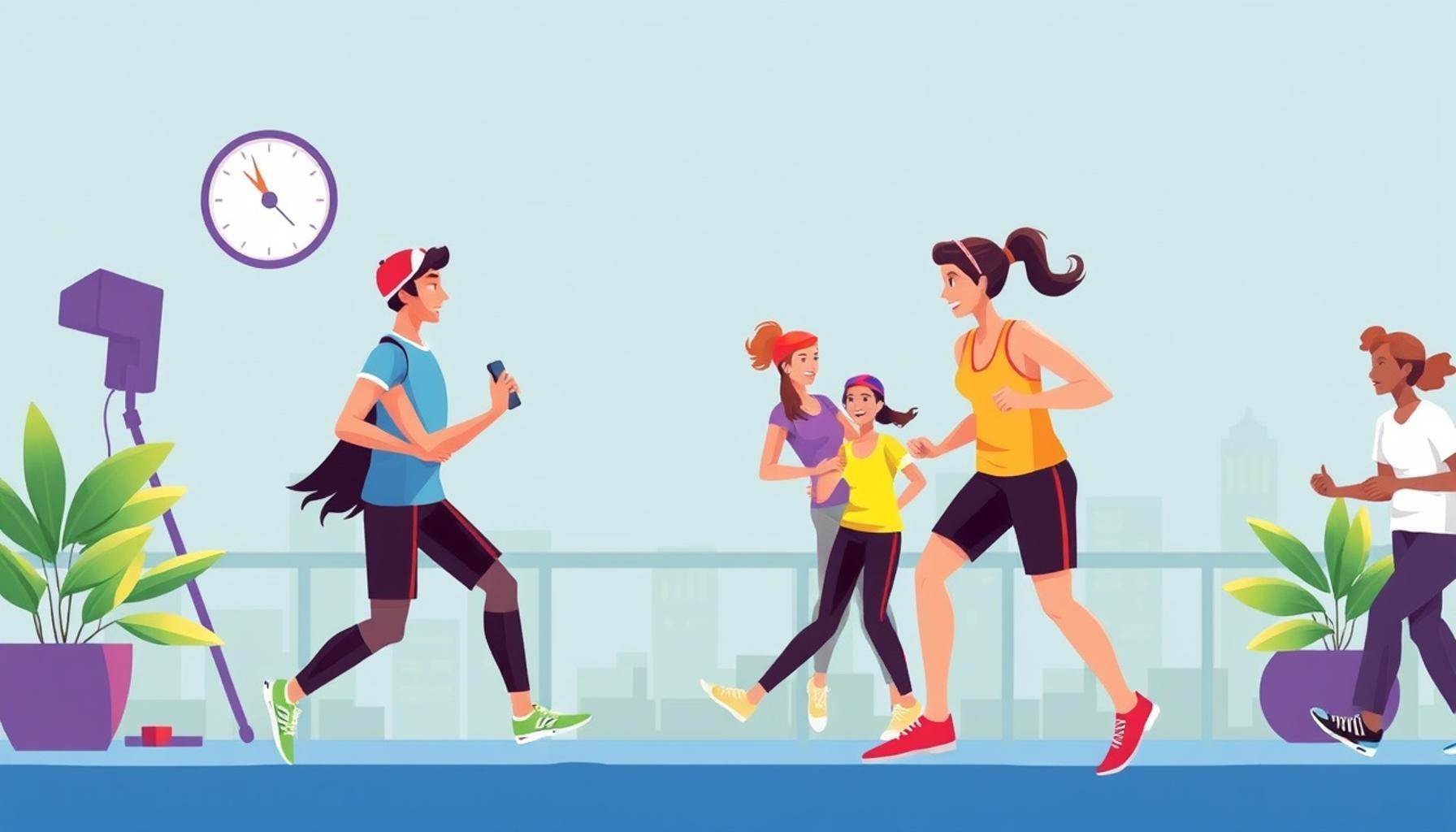
When it comes to enhancing relationships, few activities can rival the benefits of group exercise. Engaging in physical activity alongside others fosters a unique sense of community and connection. From local gym classes to weekend hiking clubs, group workouts offer more than just fitness; they cultivate meaningful interactions and provide a platform for building lasting friendships.
Benefits of Group Exercise for Socialization
- Shared Goals: Working toward common fitness objectives creates a bond among participants. For instance, training for a charity 5K run alongside others not only motivates individuals to stick to their workout routines but also leads to shared experiences and mutual encouragement.
- Supportive Environment: The presence of fellow participants can greatly influence one’s performance. The cheering of peers during challenging moments can inspire individuals to push their limits, whether they’re lifting heavier weights or completing that last mile on a jogging route. This kind of support often turns into accountability, as participants hold each other to their health commitments.
- Social Opportunities: Beyond physical fitness, group classes frequently lead to friendships that extend beyond the gym. Activities like Zumba, spin classes, or boot camps can be a melting pot for like-minded individuals. Many participants find themselves forming connections that blossom into social gatherings, creating a robust network of friends who enjoy supporting each other in their fitness journeys.
- Diverse Interactions: Meeting people from various backgrounds can broaden one’s perspectives and life experiences. A multi-generational yoga class, for example, fosters understanding and camaraderie among younger and older participants, allowing individuals to share different approaches to health and wellness.
According to recent studies, the social aspects of group exercise significantly enhance motivation and adherence to fitness regimens. Notably, individuals involved in group settings exhibit a greater likelihood of attending workouts regularly. This connection not only aids physical health but also contributes to emotional well-being; people who participate in group exercise report higher levels of satisfaction, leading to stronger relationships both inside and outside the gym.
As you dive deeper into the world of fitness, consider how group exercise can transform not just your body, but also your social circle. It’s not just about aesthetics or achieving a fitness milestone; it’s about the shared laughter, the collective sweat, and the support during setbacks. Discover how collaboration and camaraderie can enrich your overall life experience, and explore the various avenues available—whether in local gyms, community centers, or outdoor group activities. With mutual support and enjoyment at the forefront, group exercise could be the key to not only improving your health but also enhancing your social landscape.
Creating Bonds Through Movement
The phenomenon of group exercise goes beyond mere physical fitness; it is a catalyst for social engagement that can transform individual health journeys into collective experiences. As people come together to sweat, laugh, and challenge themselves, the barriers that usually separate them begin to dissolve. This transformation occurs across various settings, from bustling urban gyms in cities like New York and Los Angeles to quiet community parks in smaller towns—each location pulsating with a spirit of togetherness.
Transformative Experiences in Group Settings
One of the key factors fueling the connection in group exercise is the shared experience that participants undergo. Each session can be an emotional rollercoaster—ranging from the thrill of hitting a personal record to the struggle of facing fatigue. This collective journey creates camaraderie among members, often evolving into deep-rooted friendships. It’s this shared struggle and triumph that fosters a supportive community.
- Accountability Partners: Group exercise promotes a sense of responsibility. When individuals commit to attending classes or workouts together, there’s an unspoken agreement to hold one another accountable. This became particularly pronounced during the pandemic when many turned to virtual group classes—leaving friends to check in on each other’s progress.
- Motivational Boosts: The presence of others can often be a motivational force. Instructors encourage participants to push beyond perceived limits, especially in classes like CrossFit and boot camps, where the energy can be electric. Observing fellow class members pushing through challenges inspires individuals to dig deeper, reinforcing the emotional connection.
- Personal Stories Bonding: Making friends through fitness often involves sharing personal experiences. Whether it’s discussing the latest health trends, injury recoveries, or daily life challenges, these conversations lay the groundwork for profound understanding. Group members frequently find commonality in their health journeys, sparking laughter and camaraderie.
- Shared Celebrations: Celebrating milestones together—whether that’s completing a rigorous fitness challenge or hitting a milestone birthday—adds another layer to the relationships built through group exercise. These moments often serve as reminders that individuals are not alone on their fitness paths.
The psychological benefits of socializing during exercise cannot be overstated. Research suggests that exercising in a group reduces feelings of isolation, enhances mood, and can even improve one’s outlook on life. Hence, when individuals engage in physical activity as part of a group, they not only enhance their physical health but also enrich their emotional and social well-being.
As we delve deeper into the dynamics of group exercise, it becomes evident that this approach can significantly enhance the quality of relationships. By capitalizing on the natural socializing potential offered in shared workouts, individuals can unlock a realm of friendship, support, and community that traditional solitary exercises simply cannot provide. In the next section, we will further explore how these group interactions foster deep connections and what practical steps can be taken to integrate such experiences into one’s daily routine.
| Advantages | Details |
|---|---|
| Improved Communication | Group exercise activities foster a sense of community, encouraging participants to engage, share tips, and build trust. |
| Enhanced Motivation | Exercising with others can increase accountability, pushing individuals to achieve fitness goals together. |
| Social Support | Participants often experience a sense of belonging and encouragement, which can help reduce anxiety and promote mental well-being. |
| Development of Friendships | Shared experiences during group workouts help form deep connections, leading to lasting friendships that extend beyond the gym. |
The relationship between physical activity and socialization is profound, as group exercise can elevate both fitness levels and personal bonds. Engaging in workouts alongside others not only enhances motivation but also creates a positive and supportive environment essential for personal growth. Exploring classes, workshops, or outdoor group activities can be rewarding avenues for building these connections. Additionally, the excitement of working towards a common goal, such as completing a marathon or mastering a complicated exercise, solidifies teamwork and interpersonal relationships. When individuals come together, they share not just tips and techniques but also laughter and encouragement, making the exercise experience enjoyable and fruitful. The impact of such social interactions can lead to a healthier lifestyle, both physically and mentally, showcasing the pivotal role of community in fitness.
Building Community Through Shared Fitness Goals
Group exercise acts as a powerful platform for individuals to create lasting relationships, as the atmosphere cultivates a sense of community that can be both uplifting and transformative. The magic happens when individuals come together with a shared purpose—be it a boot camp, yoga session, or neighborhood cycling group. The collective pursuit of fitness not only strengthens individual resolve but also fosters a profound sense of belonging. This sense of community is often emphasized by local organizations offering group classes designed to enhance neighborhood connections.
The Role of Communication in Group Settings
Communication is another essential element that underpins the social fabric of group exercise. Conversations, whether small talk before a class or deeper discussions during a cooldown, serve as the glue that bonds participants. In particular, group fitness environments encourage openness, allowing individuals to express their challenges and triumphs in a supportive space. This culture of sharing helps to break down social barriers and creates a dynamic where empathy and encouragement thrive.
- Icebreaker Activities: Many instructors introduce icebreaker activities at the beginning of a new class series to help participants feel more comfortable. These games encourage laughter and foster connections, as participants learn about one another beyond just their fitness levels.
- Social Media Engagement: The rise of social media has transformed how relationships form within fitness groups. Many groups create online platforms for members to share progress, celebrate achievements, and organize social events. This online connectivity enhances the sense of belonging, as members stay engaged even when they are not physically present.
- Group Challenges: Many fitness communities undertake collective challenges, such as charity runs or fitness competitions. These events unite participants under a common goal, leading to a sense of achievement that can deepen relationships. Completing these challenges together often leads to post-event celebrations that reinforce friendships forged through shared effort.
Furthermore, studies have indicated that group exercise can improve mental well-being, as social connections are a protective factor against stress and anxiety. The act of engaging with others, laughing, and cheering one another on produces endorphins, which enhance mood and contribute to an overall sense of happiness. For many, these sessions become a highlight of their week, not just for the physical exertion but for the emotional uplift that comes with being part of a cohesive unit.
Explore the potential of workshop settings, where individuals can partake in educational sessions about health and wellness, discussing everything from nutrition to proper exercise techniques. These workshops serve dual purposes—they provide knowledge and create spaces for social engagement. Leading a group towards a richer understanding of health challenges and solutions can be a bonding experience, as members recognize their shared goals and struggles.
The essence of bonding through group exercise underscores a vital aspect of human connection—the desire to belong and support one another. As people sweat together, share experiences, and encourage each other, the positives of physical activity intertwine with the benefits of socialization, resulting in a tapestry of relationships that can extend well beyond the gym or workout venue. As this journey continues, exploring the long-term impacts of these relationships on community wellness and individual growth becomes paramount.
Conclusion
In summary, group exercise is more than just a means to achieve physical fitness; it serves as a cornerstone for building and strengthening interpersonal relationships. The shared commitment to a common goal fosters a sense of community, while communication within these environments creates bonds that produce both camaraderie and support. Whether through engaging icebreaker activities, the ability to connect via social media platforms, or participating in collective challenges, the avenues for relationship-building are plentiful.
Moreover, the mental health benefits associated with group exercise cannot be overstated. These environments, characterized by encouragement and inclusivity, have been shown to enhance emotional well-being by reducing stress and anxiety levels. The endorphin rush from physical activity combined with the social interactions not only boosts mood but also contributes to a feeling of belonging that many find missing in their daily lives. The profound interactions that occur in these settings extend beyond the walls of the gym, influencing members’ overall health and community ties.
As we continue to navigate an increasingly digital landscape, recognizing the importance of these interpersonal connections in fitness groups becomes crucial. Therefore, it is essential to foster environments that prioritize not just individual achievements but also collective growth. Participating in workshops and educational settings, where insights into health and wellness can be shared, only enhances these connections and fosters an enduring sense of community. By prioritizing socialization within physical activity, we unlock the potential for relationships that can enrich our lives both inside and outside the gym, making the journey of fitness a truly memorable experience.

Linda Carter
Linda Carter is a writer and wellness enthusiast specializing in healthy habits, balanced living, and personal well-being. With extensive experience creating practical content that helps readers improve their daily routines, Linda shares insights on our platform to inspire healthier choices. Her goal is to empower readers with simple advice and effective strategies to build a more balanced, mindful, and fulfilling life.