Craftsmanship and Minimalism: How to Create Beauty with Less

Embracing the Art of Creation
In a world overwhelmed by excess and consumerism, the marriage of craftsmanship and minimalism offers a refreshing alternative. This approach encourages us to value quality, simplicity, and intentionality in our creations. It’s about distilling beauty down to its essentials, an idea gaining momentum across various domains, from home decor to fashion.
The Allure of Craftsmanship
Craftsmanship is not merely about producing goods; it is a celebration of skill and artistry that imbues every piece with a narrative. This tradition has been passed down through generations and emphasizes the following key aspects:
- Attention to Detail: In craftsmanship, every line, color, and texture matters. For instance, a handcrafted wooden table may feature unique grain patterns and hand-finished surfaces that tell the story of the wood itself. This meticulous attention can transform an item from mere utility to a work of art.
- Quality Materials: The best results come from selecting superior sources. Artisans often seek out local or sustainably sourced materials that enhance the integrity of their work. For example, the resurgence of handmade ceramics has highlighted the use of locally-sourced clay and natural glazes, which not only improve quality but also support local economies.
- Timeless Techniques: Handmade methods often yield unique and enduring products. Techniques such as weaving, pottery, and woodworking connect modern artisans to their historical counterparts, fostering a sense of continuity and respect for previous generations.
The Impact of Minimalism
Minimalism, characterized by the removal of extraneous elements, strips away distractions and allows true beauty to shine through. It encourages an appreciation for functional, simple designs that carry significant meaning. Essential features of minimalism include:
- Functionality: Every element serves a purpose. In minimalist design, a piece of furniture might boast clean lines and multi-functionality—such as a coffee table that doubles as storage—reinforcing its practical nature.
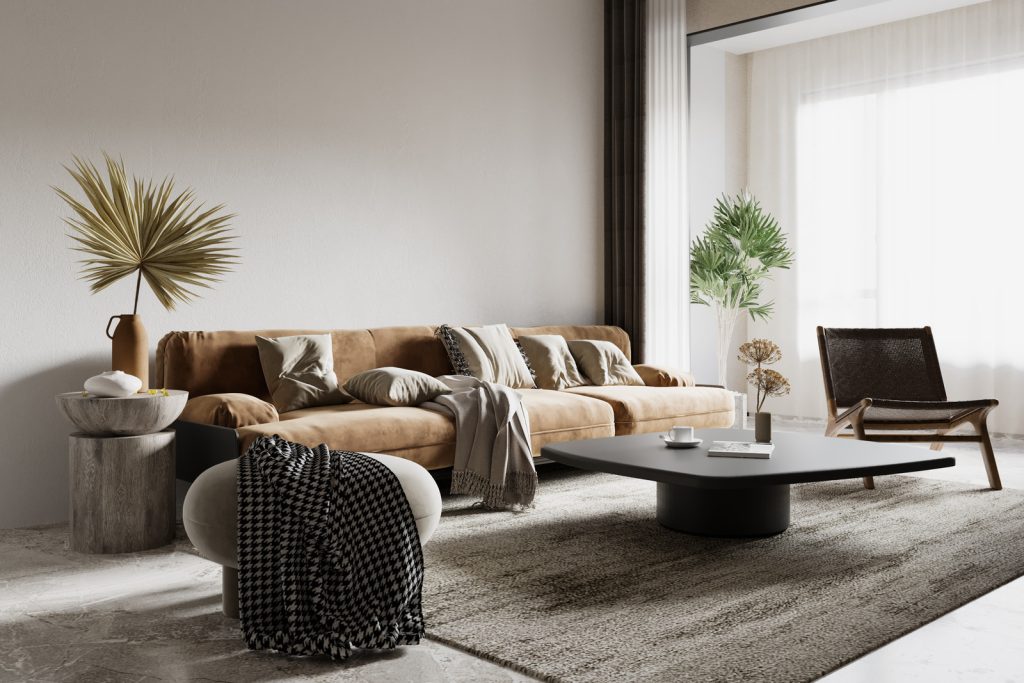
- Clarity: Simple designs foster peace and calm. Take, for example, the rise of minimalist home interiors which emphasize open spaces and natural light, creating a tranquil atmosphere, particularly desirable in bustling urban areas like New York City.
- Sustainability: Less consumption promotes a healthier planet. The minimalist ethos encourages consumers to invest in fewer, high-quality items rather than disposable goods, contributing to a more sustainable lifestyle that is increasingly appealing in today’s eco-conscious society.
Ultimately, blending craftsmanship with minimalism provides a profound path for creators and consumers alike. It’s not just about having less; it’s about experiencing more of what truly matters. By harnessing these principles, individuals are encouraged to curate their belongings thoughtfully. In a society often focused on accumulation, these values prompt us to reconsider what we constantly chase and instead find joy in what we possess.
The exploration of craftsmanship and minimalism invites readers to reconsider their approaches to purchasing and creating. As the conversation continues to unfold, it encourages both artisans and consumers to invest time in understanding the importance of quality, function, and sustainability. Through this lens, we can all contribute to a culture that celebrates beauty in fewer, but more meaningful, peieces of art and utility.
DISCOVER MORE: Click here for budget-friendly DIY projects
The Symbiotic Relationship of Craftsmanship and Minimalism
The intersection of craftsmanship and minimalism is more than a trend; it is a philosophy that echoes a deeper understanding of creation and consumption. As we navigate through a culture saturated with mass-produced products, the call for authenticity becomes louder. At its core, craftsmanship emphasizes mastery and individuality, while minimalism champions simplicity and purpose. Together, they create a framework for beauty rooted in intention, enhancing our surroundings and our lives.
Reimagining Spaces with Intent
By embracing craftsmanship, individuals are empowered to transform mundane spaces into resonating expressions of art. Imagine a home where each object has been thoughtfully selected—not for its trendiness, but for its ability to enhance the overall harmony of the space. This ethos leads to two key practices:
- Personalization: Craftsmanship allows for unparalleled personalization. A handmade table, for instance, can be tailored to fit a specific dimension in a living room, making it both functional and bespoke. Local artisans, often aware of their community’s needs, create pieces that resonate deeply with those who inhabit them, fostering a sense of belonging and connection.
- Mindful Curation: Minimalism encourages the careful selection of items, promoting a less-is-more mindset. By adopting a minimalist approach, individuals sift through their possessions and keep only those that bring joy or serve a significant purpose. This leads to highly curated environments where each piece tells a story—be it a family heirloom or an artisan-crafted vase—cultivating spaces filled with meaning rather than clutter.
The Rising Tide of Handcrafted Goods
The demand for handcrafted products has surged, accentuating the appeal of craftsmanship in a fast-paced world. Consumers are increasingly turning to local artisans for furniture, clothing, and home decor, eager to support sustainable practices that prioritize both the environment and human creativity. In areas across the United States, artisan markets thrive, showcasing the works of local makers dedicated to their crafts. This movement goes beyond the products themselves; it fosters a deeper appreciation for the time and skill invested in each unique item.
Moreover, the COVID-19 pandemic played a pivotal role in this shift. Lockdowns and social distancing measures forced individuals to reevaluate their living spaces and possessions. As a result, many found solace in creating or investing in lasting, meaningful items that could offer beauty and functionality during uncertain times. This need for tangible expressions of care and creativity has spurred a renewed interest in both skills and aesthetics rooted in craftsmanship.
In the world of design and fashion, bridging craftsmanship with minimalism also brings forth an ethical dimension. The transparent practices of artisans sitting behind their creations connect consumers directly to the sources of their belongings. Each purchase encapsulates a story, imbuing everyday items with emotional significance. Buying less but better transforms consumption into a conscious, almost spiritual act, as each piece becomes a testament to thoughtful creation and a celebration of beauty.
As we delve deeper into this relationship between craftsmanship and minimalism, we begin to unveil how this perspective can reshape not just our spaces but our lives. By understanding the implications of our choices, we can garner a richer experience through a lifestyle rooted in intentionality and beauty, opening the door to a world where less becomes a gateway to more.
| Advantages | Key Features |
|---|---|
| Aesthetic Appeal | Craftsmanship combined with minimalism creates a visually stunning environment that captivates the onlooker. |
| Functional Design | Every item has a purpose, thereby eliminating clutter and promoting a serene atmosphere. |
| Sustainability | Using fewer materials and focusing on quality helps reduce environmental impact. |
| Timelessness | Crafted pieces often endure trends, remaining relevant throughout changing aesthetics. |
The exploration of craftsmanship and minimalism highlights a profound understanding of beauty rooted in simplicity and intention. Emphasizing mindful creation, artisans utilize high-quality materials and thoughtful design choices to engage the audience in a narrative that transcends time and preference. This approach encourages individuals to reconsider their consumption habits and appreciate the nuances of their environment.By adopting craftsmanship and minimalism in your living spaces, you’re not merely decorating; you’re fostering a lifestyle that embraces clarity and peace. In aspiring for beauty with less, the emphasis shifts not just on appearance, but also on experience and emotional connection, allowing individuals to derive greater satisfaction from their possessions.
DIVE DEEPER: Click here to unleash your writing potential
The Transformative Power of Quality Over Quantity
In a society increasingly overwhelmed by the barrage of material goods, the ethos of “quality over quantity” has emerged as a guiding principle for both craftsmanship and minimalism. This philosophy is particularly impactful in how consumers approach purchasing decisions. By prioritizing well-made, artisanal products, individuals not only elevate their living spaces but also consciously contribute to a sustainable economy.
Creating Value Through Local Artisans
Supporting local artisans creates a ripple effect that extends far beyond the initial transaction. Each purchase stimulates local economies and fosters a sense of community. Furthermore, artisans often employ traditional methods that require time and skill, resulting in unique pieces that carry greater intrinsic value. This shift in consumer behavior has led to a resurgence in craft fairs and local markets across cities from Portland to Asheville, where buyers can encounter the stories behind every handmade creation.
Additionally, local artisans often use sustainable materials, aligning with the minimalist philosophy which advocates for environmentally responsible consumption. For example, furniture made from reclaimed wood not only tells a story of resilience but also reduces the demand for new resources. This consciousness fosters a deeper connection to the objects we bring into our homes, urging us to consider their origin and the craftsmanship involved.
Minimalism as an Expression of Personal Aesthetics
As people increasingly turn to minimalism, there arises an opportunity for craftsmanship to flourish in personal expression. Minimalist design principles teach us to appreciate space, light, and the beauty found within simplicity. For instance, Scandinavian design epitomizes this balance, favoring neutral color palettes and uncomplicated forms that allow handcrafted elements to shine. Each piece—be it a hand-thrown ceramic or a carved wooden bowl—becomes an essential part of the overall aesthetic rather than mere decoration.
Furthermore, this approach nurtures an environment conducive to mindfulness. Spaces that embrace minimalism are often filled with natural light and uncluttered surfaces, inviting individuals to pause and reflect. Enhanced mental clarity flows not only from the space itself but also from the stories that each handcrafted item carries. One is reminded that the charm of craftsmanship lies in its imperfections, much like our lives are enriched through unique experiences and connections.
Crafting Community through Workshops and Collaboration
Workshops designed to celebrate craftsmanship often become hubs for community interaction, enabling individuals to gain hands-on experience while learning valuable skills. These gatherings are vital for passing down traditional techniques and ensuring that the craft continues to thrive amidst modern digital distractions. From pottery classes in small-town studios to knitting circles in urban neighborhoods, these sessions foster a shared sense of purpose that resonates deeply with the principles of minimalism.
Moreover, collaborations between artisans can lead to innovative designs that marry functionality with beauty. One powerful example is the partnership between furniture makers and textile artists, creating bespoke pieces that beautifully combine various crafts. Such endeavors inspire creativity and encourage an appreciation for the unique contributions of each craftsman, solidifying the importance of connection and authenticity within the minimalist movement.
Ultimately, the blend of craftsmanship and minimalism transcends aesthetic choices; it urges a reevaluation of our habits and values. As we embrace a lifestyle where less translates to more, we unearth the artistry surrounding us and become part of a larger conversation centered on sustainability, community, and intentional living.
DIVE DEEPER: Click here to discover the evolution of digital platforms in music
Embracing the Essence of Craftsmanship and Minimalism
In conclusion, the synergy between craftsmanship and minimalism opens up a compelling dialogue about how we perceive and engage with the world around us. By understanding and embracing the principles of quality over quantity, we not only enrich our living environments but also support sustainable practices that benefit both our communities and the planet. The revival of local artisanship underlines the importance of intrinsic value, where each handcrafted item tells a poignant story of creativity and tradition.
As we explore minimalism as an expression of personal aesthetics, we discover that beauty often blossoms in simplicity. This philosophy urges us to seek out those carefully made pieces that inspire mindfulness and create inviting spaces filled with natural light and tranquility. In doing so, we cultivate settings that encourage reflection, appreciation, and an understanding of the imperfections that reflect our own experiences.
Moreover, engaging in workshops and collaborative efforts further strengthens our connections to craftsmanship, as individuals come together to learn and appreciate the art of making. This communal approach not only promotes creativity but also fortifies the idea that less is indeed more. As you embark on your journey towards a life enriched by craftsmanship and minimalism, consider the impact of each choice and the stories woven into the fabric of every item you embrace. By consciously selecting what enters your space, you align with a movement that celebrates intentional living and the profound beauty found in simplicity.
Related posts:
Crafting as a Form of Empowerment: Stories of Creatives Who Transformed Their Lives Through Art
Innovations in Handicrafts: Tools and Materials That Are Changing the Way of Creating
Craftsmanship and Pop Culture: How Modern Influences Are Shaping New Creative Techniques
Digital Craftsmanship: Merging Tradition and Technology in Creative Projects
Craftsmanship and Mental Health: How Creative Hobbies Can Help with Anxiety and Depression
Exploring the Importance of Craft Skills in Stress Reduction and Creativity Enhancement

Linda Carter is a writer and creative hobbies expert specializing in crafting, DIY projects, and artistic exploration. With extensive experience helping individuals discover their creative potential and bring their ideas to life, Linda shares her knowledge on our platform. Her goal is to empower readers with practical tips, inspiring ideas, and step-by-step strategies for success in the world of creative hobbies.