DIY Fabric Art Projects: Embroidery and Painting on Clothes
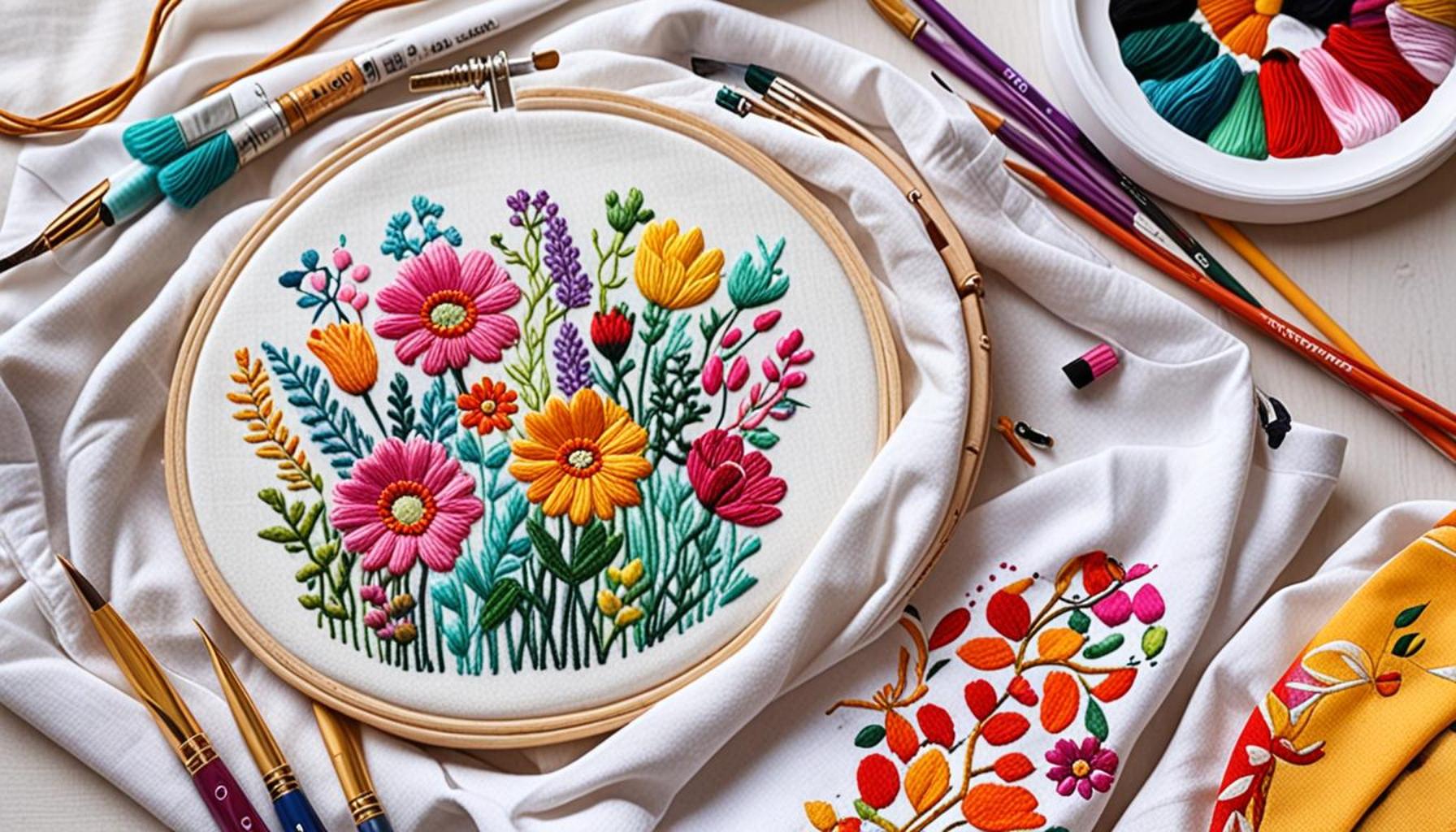
Unlock Your Creativity with Fabric Art
Diving into DIY fabric art projects is a fantastic way to personalize your wardrobe and express your unique style. This hands-on approach enables you to transform ordinary clothing into extraordinary pieces that reflect your creativity. Whether you’re a seasoned crafter or a beginner, the world of embroidery and fabric painting awaits, offering endless possibilities. With so many techniques and styles available, you can create clothing that tells your story, showcases your interests, or simply brings a smile to your face.
Why Choose DIY Fabric Art?
- Self-Expression: Infuse your personality into your clothes. Imagine creating a pair of jeans adorned with a meaningful quote or a tote bag decorated with your favorite flowers. These personalized touches can make your wardrobe feel more ‘you’ while showcasing your artistic flair.
- Environmentally Friendly: Revitalize old garments instead of buying new. By upcycling, you not only reduce waste but also contribute to a more sustainable fashion industry. Transforming a tired t-shirt into a chic crop top or turning a forgotten dress into a trendy skirt can breathe new life into your closet.
- Cost-Effective: Create stunning pieces without breaking the bank. Many DIY fabric art projects require minimal investment, and using materials you already own can save you money. Why purchase a designer bag when you can embellish a plain one with beads or embroidery for a fraction of the cost?
With just a few supplies and a sprinkle of inspiration, you can embark on various projects. From intricate embroidery designs to vibrant fabric paint illustrations, there’s something for everyone. Picture yourself wearing a unique jacket with a beautifully stitched design inspired by your favorite travel destination or a t-shirt adorned with your own artistic flair. The possibilities are as limitless as your imagination!
Getting Started
All you need are a few basic tools and materials to begin your fabric art journey:
- Threads and needles for embroidery: Choose a variety of thread colors to enhance your designs, and select needles appropriate for different fabric types.
- Fabric paints in your favorite colors: These come in a wide range of shades and finishes, such as matte or metallic, allowing you to add texture and depth to your creations.
- Stencils or freehand designs: You can purchase stencils or create your own to achieve precise patterns, or you can freehand for a more spontaneous and personal touch.
Once you’ve gathered your materials, the possibilities are endless. Consider looking up tutorials online or joining local crafting groups to connect with others who share your interests. These communities can offer valuable tips and inspiration to fuel your creative endeavors.
Ready to enhance your clothing with remarkable fabric art? Jump in, and let your creativity take the lead! With just a little time and effort, you can turn the mundane into the magnificent, leaving your mark on everything you wear. Now is the perfect time to explore the vibrant world of fabric art and unleash your inner artist.
DIVE DEEPER: Click here to uncover the impact of music on your mental health
Exploring the Art of Embroidery
Embroidery is one of the oldest forms of fabric art, with roots tracing back thousands of years. It’s not merely a craft; it’s an art form that allows for an exquisite expression of personal style. By utilizing different stitches, thread types, and patterns, you can create anything from simple embellishments to intricately detailed designs. With each stitch, you can infuse life into your clothing, making it one-of-a-kind.
Essential Embroidery Techniques
To get started with embroidery, a few fundamental techniques will serve as your “bread and butter.” Here are some key stitches that can elevate your fabric art projects:
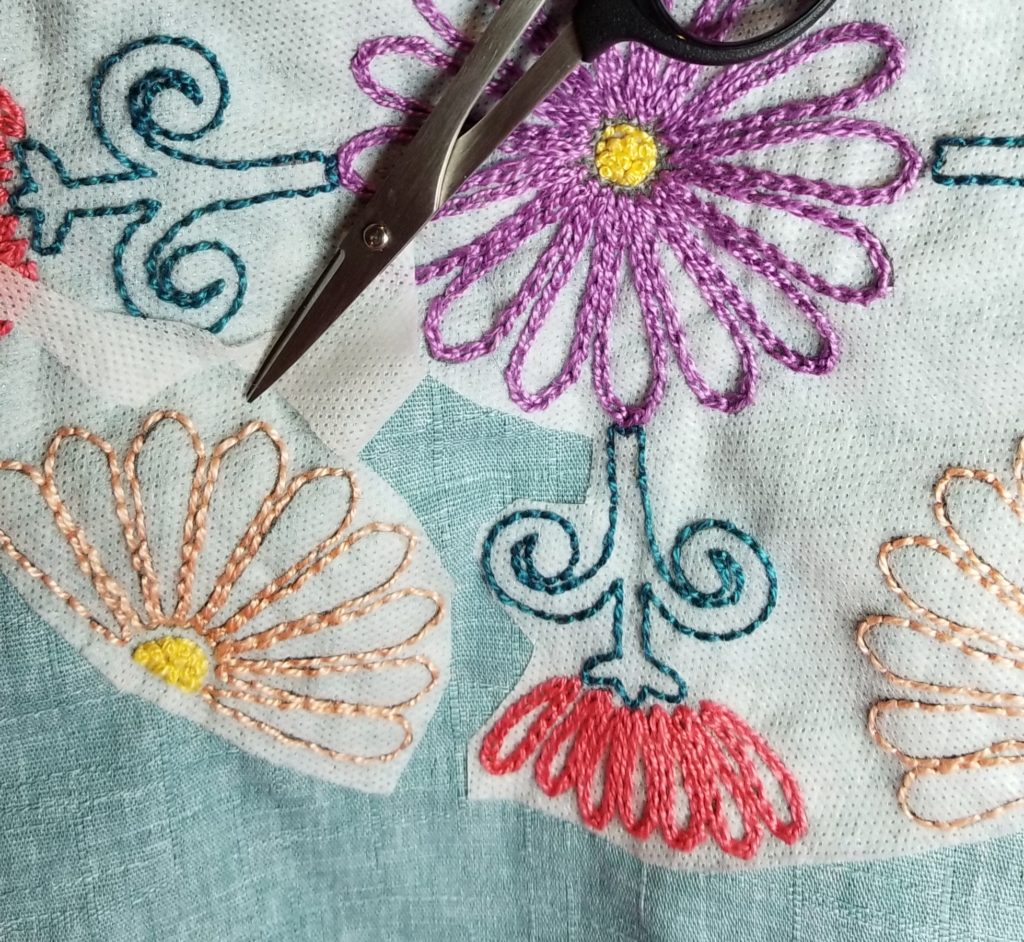
- Backstitch: Ideal for outlining shapes and creating sharp lines, the backstitch is a must-know for any beginner. This simple technique produces a neat, contiguous line that can define your design.
- Satin Stitch: Perfect for filling in shapes, the satin stitch adds color and richness to your designs. It’s commonly used to create areas of solid color and can make your work stand out beautifully.
- French Knot: A charming addition to any embroidery project, French knots add texture and dimension. They’re often used to represent flowers or embellishments, bringing a whimsical touch to your fabric art.
As you become more comfortable with these basic stitches, you can experiment with more advanced techniques like chain stitch or split stitch. Online platforms like YouTube offer countless tutorials that can guide you through each method, making it easier to learn at your own pace.
Delving into Fabric Painting
If stitching isn’t your thing, or you’re looking for an alternative way to express your creativity, fabric painting opens up a vibrant spectrum of possibilities. From abstract designs to detailed illustrations, fabric paints allow you to unleash your imagination and make bold statements on your clothing.
Selecting the Right Fabric Paint
When it comes to fabric painting, choosing the appropriate paint is crucial to achieving long-lasting results. Here are a few options to consider:
- Acrylic Fabric Paint: This robust paint adheres well to various fabrics and is known for its bright colors. It’s an excellent choice for both beginners and seasoned artists.
- Puff Paint: For a three-dimensional effect, puff paint raises off the fabric once dry, creating an interesting texture that stands out.
- Textile Markers: Perfect for detailed work, textile markers allow for precision in your designs. They’re easy to use and often come in a variety of colors, making them ideal for smaller projects or intricate details.
Before you start painting, it’s advisable to test your paints on a scrap piece of fabric to observe how they look once dry. This will also give you insight into the paint’s permanence and potential fabric compatibility.
In conclusion, both embroidery and fabric painting offer unique avenues to create personalized clothing. As you embark on your DIY fabric art journey, experimenting with different techniques can lead to exciting outcomes. Whether you prefer the intricate art of stitching or the free-flowing nature of painting, there’s something immensely satisfying about crafting your own wearable art. With just a bit of practice and an open mind, you can transform your wardrobe into a canvas of personal expression.
| Advantage | Details |
|---|---|
| Creative Expression | DIY fabric art projects allow individuals to unleash their creativity through embroidery and painting, creating unique, personalized clothing pieces. |
| Sustainability | By upcycling old clothes and adding artistic touches, you contribute to reducing textile waste, promoting a more sustainable fashion ethos. |
Embarking on DIY fabric art projects not only transforms your wardrobe but also serves as an engaging journey into the world of fashion illustration and textile art. Imagine a world where your shirt becomes a canvas for embroidery designs that reflect your personality. You can explore vibrant colors with fabric paints, turning ordinary fabrics into stunning wearable art. This intersection between art and clothing enables you to showcase your personal style while ensuring each piece of clothing is a one-of-a-kind masterpiece.Moreover, the trend of sustainability in fashion increasingly encourages using what you already own and enhancing it. DIY projects significantly reduce the demand for fast fashion and foster a deeper appreciation for the garments we already possess. Each stitch of embroidery or brushstroke of paint tells a story and brings new life to your wardrobe, making it visually appealing while aligning with eco-conscious values. As you delve deeper into the realm of DIY fabric art, you might discover various techniques that expand your skill set, such as hand embroidery, fabric painting, and even tie-dye. With a plethora of resources and online tutorials readily available, the possibilities for artistic exploration are endless. This creative venture could also open opportunities for fashion enthusiasts and artists alike, prompting community engagement and even skill-sharing among peers.
DISCOVER MORE: Click here to unlock your creativity
Combining Techniques for Unique Creations
As you delve deeper into the world of DIY fabric art projects, consider the exciting possibilities that arise when embroidery and fabric painting are combined. This hybrid approach allows for intricate designs that capture the eye while offering a rich textural experience. By layering these two techniques, you can create pieces that are both visually stunning and personally meaningful.
Layering Techniques for Enhanced Detail
Combining embroidery and fabric painting can transform a simple garment into a statement piece filled with personalized flair. Start by painting your design on the fabric, which serves as a base layer. Once the paint is dry, embellish with embroidery stitches to add depth and texture. For instance, after painting a flower, use satin stitch for the petals, and incorporate French knots in the center to create a striking visual contrast. This fusion exemplifies your artistic vision and creates a multidimensional effect.
Another approach is to use watercolor fabric paints, known for their soft blends and shimmering qualities. Once you’ve applied your color wash, outline elements with a backstitch to define shapes. This technique can be particularly captivating on denim jackets or canvas bags, evoking an airy, artistic feel that sets your clothing apart.
Utilizing Embroidery for Personal Messages
The potential for personalized expression through DIY fabric art is limitless, particularly with embroidery. Consider stitching impactful phrases or quotes onto clothing items such as jackets, shirts, or caps. Not only does this add a personal touch, but it also conveys your thoughts and beliefs in a unique way. For example, many individuals have opted for uplifting messages that encourage others, making their garments perfect conversation starters.
When selecting a font, consider the use of cursive styles to convey a sense of elegance or block letters for a bold statement. Different colored threads can further emphasize particular words or phrases, allowing for a creative emphasis on the message you wish to communicate. To enhance the visual appeal, consider pairing text with thematic embroidery designs, such as flowers, stars, or hearts, around the lettering.
Inspirational Ideas for Your DIY Projects
To spark your creativity, here are a few inspirational projects that blend embroidery and fabric painting:
- Floral Embroidered Sweatshirt: Paint a bouquet of flowers along the shoulder seam of a sweatshirt, then add embroidered stems and leaves. This design is perfect for layering during the cooler months.
- Customized Tote Bags: Use fabric paint to create a vibrant background pattern on a tote bag, and then embellish with embroidery that highlights your favorite quote or image.
- Artistic Denim Jacket: Paint an abstract design on the back of a denim jacket, incorporating various colors. Complete the look with embroidered accents that complement the painted elements, creating an eye-catching ensemble.
To keep your projects exciting, don’t hesitate to look for seasonal inspiration. Use festive motifs for holidays or cultural events, or draw from nature, such as leaves in autumn or flowers in spring, to reflect your surroundings.
By embracing the blend of embroidery and fabric painting, you unlock the potential for artistry in clothing. Engaging in these DIY fabric art projects not only allows for personalized clothing but also fosters creativity and self-expression, making your wardrobe a true reflection of you.
DISCOVER MORE: Click here to learn about the impact of music on mental health
Conclusion: Unleashing Your Creativity through DIY Fabric Art
As we explore the captivating world of DIY fabric art projects, it becomes evident that the fusion of embroidery and fabric painting offers endless opportunities for personalization and artistic expression. From layering techniques that enhance visual depth to the infusion of meaning through stitched messages, each project becomes a unique reflection of the creator’s style and identity. The ability to transform ordinary garments into extraordinary pieces of art empowers individuals to showcase their personality while promoting sustainable fashion choices.
Moreover, these projects encourage engagement with the materials and methods used, guiding you to discover new skills and techniques along the way. Whether it’s adding a splash of color to a denim jacket or stitching an inspiring phrase on a cap, each endeavor presents an opportunity to express your thoughts, feelings, and aesthetics. The suggestions offered in this article, from floral sweatshirts to customized tote bags, serve as merely a starting point, inviting you to experiment, innovate, and further develop your artistic vision.
As you embark on your creative journey, remember that the beauty of DIY fabric art lies not just in the finished product, but in the process itself. So gather your materials, unleash your imagination, and transform your wardrobe into a canvas that is truly and uniquely your own. The world of fabric art awaits your exploration!
Related posts:
DIY Home Décor Easy Personalized Projects for Beginners
DIY Upcycling Projects: How to Give New Life to Old Objects
DIY with Nature: Creating Crafts Using Natural Elements
DIY for Pet Lovers: Creating Customized Toys and Accessories for Pets
Themed DIY: Creating Decorations for Parties and Special Occasions with Recycled Materials
DIY Lighting Projects: How to Transform Spaces with Handmade Lamps
Linda Carter is a writer and creative hobbies expert specializing in crafting, DIY projects, and artistic exploration. With extensive experience helping individuals discover their creative potential and bring their ideas to life, Linda shares her knowledge on our platform. Her goal is to empower readers with practical tips, inspiring ideas, and step-by-step strategies for success in the world of creative hobbies.