DIY for Kids: Creative Projects that Stimulate Imagination and Learning
The Advantages of Engaging in DIY Projects for Children
The realm of DIY for kids presents a rich tapestry of possibilities that can ignite a child’s imagination. In an age dominated by digital screens, these hands-on projects serve as an antidote to technology overload, allowing children to reconnect with tangible materials and concepts. Encouraging participation in these activities not only sparks creativity but also contributes significantly to their overall development, providing diverse learning opportunities that traditional education might not fully encompass.
Among the array of benefits associated with engaging in DIY activities, three standout advantages include:
- Critical Thinking: DIY projects challenge children to devise their own solutions to various problems. For instance, while constructing a model bridge out of toothpicks, a child must consider weight distribution and structural integrity. This process fosters an analytical mindset that is vital in both academic and everyday scenarios.
- Fine Motor Skills: Working with small objects, cutting materials, and gluing components together enhances dexterity and coordination. Activities like creating jewelry from beads or assembling a cardboard sculpture can improve a child’s hand-eye coordination and precision, skills that are essential in many aspects of life.
- Science Understanding: Many DIY projects incorporate fundamental scientific principles. Creating a simple circuit with a battery and a light bulb not only shows children the basics of electricity but also engages them in inquiry-based learning, prompting questions and exploration.
There is an extensive repertoire of projects available, catering to various age groups and interests. Here are a few fun examples:
- Pine Cone Bird Feeders: This project combines nature with creativity and teaches children about wildlife. By spreading peanut butter and birdseed on pine cones, kids can attract local birds, encouraging a sense of responsibility toward nature.
- DIY Slime: This trendy activity captivates kids, providing a tactile experience that is both enjoyable and educational. Making slime allows children to experiment with measurements and chemical reactions, unlocking fascinating scientific concepts while they play.
- Homemade Volcanoes: A classic experiment that blends science with excitement, building and erupting a vinegar and baking soda volcano can demonstrate chemical reactions in a lively way, promoting curiosity about geology and eruptions.
Engaging in such projects not only stimulates children’s creativity but also instills a profound sense of accomplishment as they see their ideas transform into reality. Whether it’s through crafting, experimenting, or building, each project opens the door to limitless imagination, proving that even the most basic materials can turn into a canvas of innovation and learning. By diving into the world of DIY, we can nurture the next generation of thinkers and creators, shaping their skills for a vibrant future.
Exploring Fun and Educational DIY Projects for Children
To inspire creativity and educational growth, DIY projects for kids offer a treasure trove of engaging experiences that blend fun with learning. By integrating various skills such as problem-solving, creativity, and science comprehension, these projects can become pivotal moments in your child’s developmental journey. Parents and educators alike can take advantage of these enriching activities that not only hold children’s attention but also enhance their understanding of the world around them.
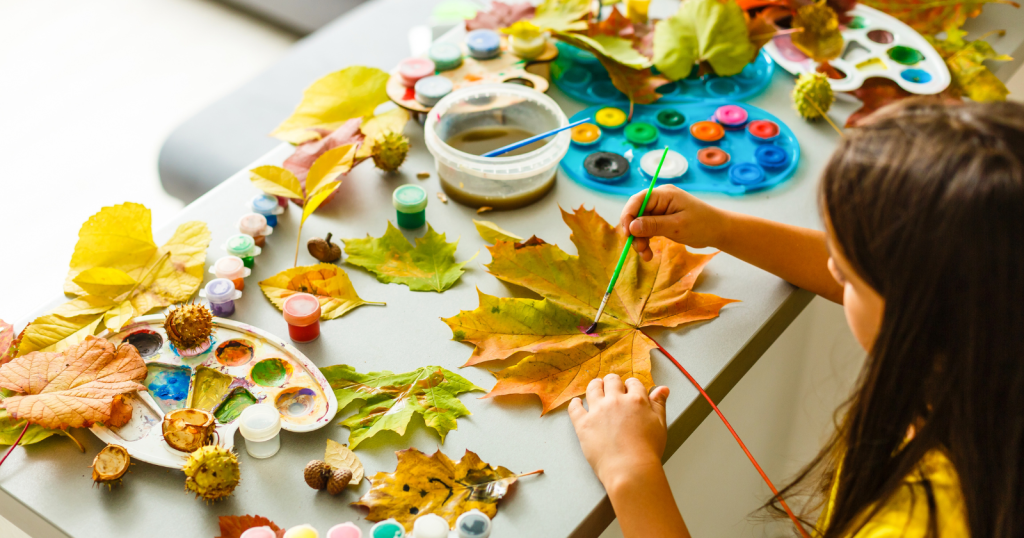
As children embark on DIY adventures, they are encouraged to explore a variety of themes and materials. Projects can range from art to engineering, each offering its unique set of challenges and learning outcomes. Here are several categories of DIY projects that cater to different interests and age groups:
- Artistic Endeavors: Creative activities such as painting, collaging, or upcycling old materials into new art pieces allow children to express their emotions and imagination freely. For example, creating a paper mâché sculpture pushes them to explore textures and forms while developing their artistic skills.
- Crafting Games: Building homemade board games not only stimulates creativity but also encourages strategic thinking. Children can work on themes they enjoy by using cardboard, markers, and other supplies. Imagine a customized family trivia game where kids can showcase their knowledge or a scavenger hunt that gets everyone moving.
- Gardening Projects: An outdoor project, such as starting a small vegetable or flower garden, can teach children about biology, responsibility, and patience. Tracking the growth of plants from seed to bloom not only nurtures a sense of stewardship for the environment but also imparts crucial life skills.
- STEM Challenges: Science, technology, engineering, and math (STEM) projects can be both entertaining and educational. Coding simple robots or building a miniature rollercoaster with household supplies can expose children to critical concepts in a hands-on manner.
The outcomes of engaging in these varied DIY projects are significant. Not only do they fuel creativity, but they also lay the groundwork for a lifetime of learning. When children see their ideas materialize through their hands, they cultivate a robust sense of self-esteem and independence. This intrinsic motivation drives them to seek out further knowledge and skills.
Moreover, facilitating these activities encourages family bonding moments. When parents engage in DIY projects alongside their children, it fosters communication and teamwork, allowing for shared experiences that can become cherished memories. In addition to providing educational value, these projects contribute to emotional growth by promoting togetherness and collaboration.
As the DIY culture thrives, the potential to delve into creative projects that stimulate imagination and learning is limitless. With just a little guidance and a plethora of resources available, both parents and educators can spark an ongoing adventure of discovery and innovation in the lives of children.
| Advantages | Details |
|---|---|
| Enhances Creativity | DIY projects encourage children to express their thoughts and ideas through hands-on activities. |
| Fosters Problem-Solving Skills | Engaging in creative tasks requires children to think critically and find innovative solutions. |
| Promotes Learning | Hands-on activities can reinforce concepts learned in the classroom, making them more relatable. |
| Encourages Teamwork | Many DIY projects can be done collaboratively, enhancing social skills and teamwork. |
When exploring the world of “DIY for Kids,” it becomes evident that engaging in creative projects serves multiple functions. Each activity not only captivates the imagination but also embeds essential learning outcomes that can last a lifetime. Parents and educators continuously seek innovative ways to boost creativity and learning, and DIY projects emerge as a solution that effectively combines fun and education. Through these hands-on experiences, children can explore materials, overcome challenges, and discover their capabilities, making DIY a powerful tool in holistic development. Whether it’s crafting a model, building a birdhouse, or creating art with recycled items, the projects undertaken enrich their understanding of the world around them, urging them toward exploration and encouraging lifelong learning. Each effort contributes to their individual growth, resulting in skilled, imaginative thinkers ready to tackle future challenges.
Innovative Ideas for Inspiring Young Minds Through DIY
The world of DIY projects for kids is expansive, offering countless opportunities for young minds to learn while engaging in hands-on activities. As technology continues to evolve and influence how children interact with their environment, it’s crucial to harness this potential through creative projects that not only stimulate imagination but also develop essential skills. Here are some innovative DIY ideas that cover a spectrum of subjects, promising to be both enjoyable and educational:
- Science Experiments: Simple science experiments can transform a mundane afternoon into an unforgettable educational journey. Kids can create a homemade volcano using baking soda and vinegar, witnessing a spectacular reaction that introduces basic chemistry principles. Alternatively, exploring the concept of density by creating a rainbow in a jar with different liquids like honey, dish soap, and water can ignite their curiosity about layers and mixtures.
- Storytelling Craft: Combining storytelling with crafting fosters both literacy and creativity. Children can create their story stones by painting different characters, settings, and objects on small rocks. Once completed, these stones can be used as prompts for innovative story-making sessions, enhancing narrative skills while allowing expressive play. The tactile nature of these stones encourages imaginative thinking, allowing children to explore plot development and character arcs.
- Building Projects: Hands-on construction projects using recyclable materials like cardboard boxes can introduce fundamental engineering concepts. For instance, designing a bridge or a model house encourages children to consider stability, structure, and design principles. Utilizing basic tools under parental supervision can also teach responsibility and safety, alongside math skills like measurement and spatial awareness.
- Environmental Awareness: DIY projects centered around sustainability can play a pivotal role in nurturing eco-conscious kids. Creating a bird feeder from a plastic bottle not only attracts wild birds to the garden but also prompts discussions about local wildlife and environmental stewardship. Such projects can raise awareness about biodiversity and the importance of conservation.
- Cultural Exploration: Crafting that reflects different cultures broadens children’s horizons. For example, creating traditional crafts from around the world, like making origami from Japan or introducing Mexican papel picado, exposes kids to global traditions. Parents can turn this artistic exploration into a mini-world tour, discussing the significance of each craft within its cultural context.
These DIY projects not only promote hands-on creativity but also encourage exploration across various disciplines. Research indicates that children’s engagement in craft-related activities significantly boosts their cognitive skills, promoting critical thinking and enhanced problem-solving abilities. Moreover, when children undertake projects that they can personalize, it leads to deeper emotional connections and a sense of ownership over their creations.
Importantly, these activities can be adapted based on resources available at home. Utilizing everyday materials fosters a sense of ingenuity—children learn to see possibilities in what they have rather than relying solely on purchased kits. This mindset is essential in developing innovation and resourcefulness, traits that are ever-more valuable in today’s evolving educational landscape.
As a result, the incorporation of creative projects that stimulate imagination and learning becomes an integral part of children’s educational ecosystem. Parents and caregivers can unlock the potential of DIY projects by seizing the opportunity to blend fun with education, transforming learning into an adventure that lasts a lifetime.
Conclusion
In a rapidly changing world, fostering creativity and critical thinking in children through DIY projects is more essential than ever. The multitude of engaging activities, from science experiments to cultural exploration, provides children with a platform to discover, learn, and connect with the world around them. As parents and caregivers embrace these hands-on projects, they cultivate a nurturing environment that encourages imagination while enhancing vital skills necessary for future success.
Not only do these creative projects stimulate a child’s curiosity and inventiveness, but they also instill a sense of accomplishment and ownership in their creations. By utilizing readily available resources, children learn to think outside the box, promoting personal responsibility and ecological awareness. When children are engaged in DIY activities, they develop a lifelong love for exploring ideas and concepts that stretch beyond traditional classroom settings.
Additionally, these projects serve as opportunities for family bonding, creating unforgettable memories while fostering a collaborative spirit. As parents participate in these ventures alongside their little ones, they also deepen their understanding of each child’s unique interests and talents. Investing time into DIY for kids not only equips them with knowledge but nurtures their ability to innovate and adapt in an ever-evolving landscape.
Ultimately, by encouraging creative projects that stimulate both imagination and learning, we are empowering the next generation to dream big, think critically, and contribute positively to society. Let the adventure of DIY begin, transforming everyday moments into extraordinary learning experiences!