Exploring American Traditional Dances: Cultural Preservation Through Movement
The Rich Tapestry of American Traditional Dances
American traditional dances are a vibrant tapestry of history and culture, reflecting the diverse backgrounds that shape the United States. From the rhythmic beats of the Native American powwow to the lively steps of Cajun two-stepping, these dances are not merely performances but a celebration of heritage. Each twirl, stomp, or clap embodies centuries of tradition, often passed down through generations, making these dances a living history lesson.
The significance of these dances extends beyond entertainment. They serve as powerful tools for cultural preservation, aiding communities in maintaining their identity. For instance, the powwow is not only a social gathering but also a means for Native American tribes to assert their identity and enhance their cultural pride through traditional songs, dances, and attire. The drums, often played in a circular formation, encourage participation from all attendees, reinforcing a sense of belonging.
Moreover, American folk dances like the Square Dance play an essential role in community engagement. Originating with European settlers, this dance form fosters social interaction and cooperation among participants, often seen in rural areas where neighbors come together for barn dances. The call-and-response format encourages participation from every age group, bridging generational gaps and forming lasting connections within the community. Coming together for an evening of laughter, music, and dance exemplifies how these gatherings cultivate strong community bonds.
- Rich History: Each dance tells a story, connecting participants to their lineage. For instance, the Appalachian clogging incorporates both Native American and African rhythms, reflecting the diverse heritage of the Appalachian region.
- Community Engagement: Dancing fosters bonds among community members, bridging generational gaps. Events like Dance-Alongs across small towns offer inclusive environments where anyone can lean into the joy of dancing.
- Artistic Expression: Movements and styles vary, showcasing the creativity of various cultures. From the graceful movements of the Hula to the spirited and soulful Georgia Sea Island Juba, each style stands as a testament to its origins.
As we delve deeper into this expressive world, it’s essential to recognize the impact of traditional dances on both personal and communal levels. They embody cultural values and traditions and also provide a space for individual expression and collective joy. In this ever-evolving society, discovering these dances offers an opportunity to reconnect with historical roots, promote inclusivity, and foster dialogue among diverse communities.
Join us in this exploration of rhythm, movement, and a celebration of cultural identity, as we uncover the layers of American traditional dances. By understanding their significance, we acknowledge the rich, intricate narrative of the American experience, and encourage new audiences eager to learn about and participate in the joyous celebrations of culture and history.
The Role of Traditional Dances in Cultural Preservation
Traditional dances in America serve as vital cultural vessels, bridging the past and present while promoting a sense of belonging. Each dance form emerges from specific historical contexts, enriched by the unique cultural narratives of the communities they represent. These movements, whether they originate from Native American tribes, African American traditions, or the melting pot of immigrant communities, provide profound insights into the social fabric of the nation.
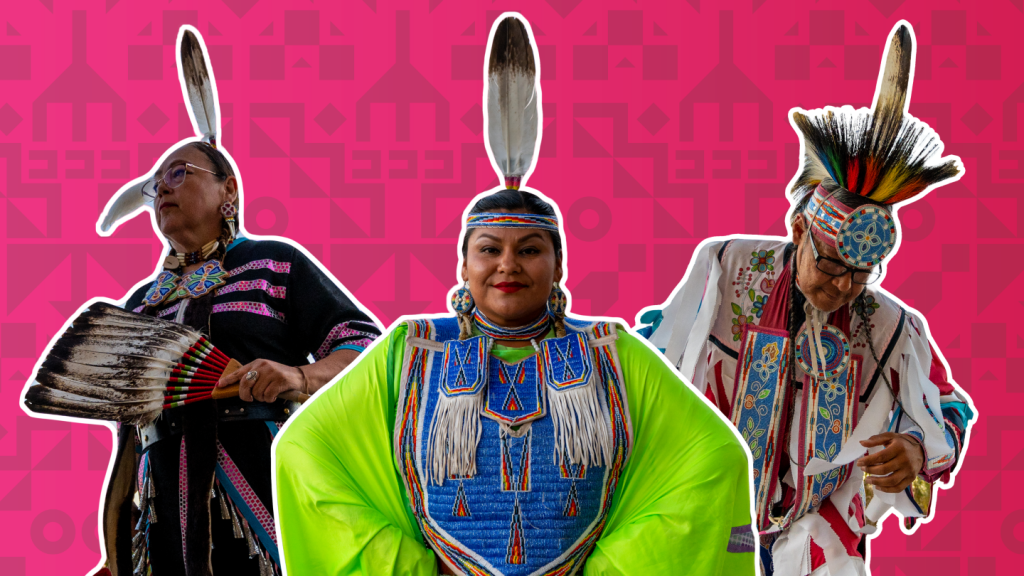
One of the most recognizable forms of dance associated with cultural preservation is the Native American powwow. Powwows are colorful, dynamic events where tribes gather to celebrate their heritage through dance, music, and storytelling. Participants often don traditional regalia with symbolic designs that reflect their tribal affiliations and personal stories. The dances performed, such as the Fancy Dance or the Grass Dance, are filled with meaning, representing everything from historical battles to nature’s beauty. As these gatherings evolve, they also adapt contemporary elements, inviting wider participation while honoring depths of history.
Similarly, traditional African American dances play an essential role in expressing cultural identity and preserving stories rooted in African heritage. Activities like step dancing create rhythmic patterns that resonate with the essence of community and unity, often shared in educational programs aimed at younger generations. The Juba, with its lively claps and foot stomping, showcases creativity and resourcefulness, transforming even simple spaces into thriving cultural hubs. Engaging youth in these dances fosters a connection to heritage, ensuring that cultural narratives are carried forward in meaningful ways.
- Varied Styles: Across the country, various traditional dance styles exist—each with its own stories and significance. The Cajun two-step encapsulates the spirit of Louisiana’s Creole culture, inviting participants to engage with lively tunes and spirited rhythms.
- Adaptive Traditions: Many traditional dances evolve to reflect contemporary society while maintaining core elements. For example, modern line dancing incorporates traditional country steps while attracting people of diverse backgrounds.
- Symbolic Significance: Dances often symbolize more than just art; they are expressions of resilience, community solidarity, and cultural pride, allowing participants to connect with their roots on a deeper level.
In many communities, traditional dances perform the dual role of art and education. Dance studios and community centers frequently offer free or low-cost classes, enabling people of all ages and backgrounds to participate. These initiatives are not only about learning the steps but also about embracing the rich stories behind each movement. By inviting community members to share and teach their traditional dances, intergenerational dialogues flourish, merging the wisdom of elders with the enthusiasm of youth. This fusion further solidifies cultural heritage as an essential thread in America’s ever-evolving narrative.
The exploration of American traditional dances highlights their significance in the ongoing quest for cultural preservation. As participants continue to honor these movements, they engage in a dialogue that transcends time, nurturing an appreciation for the diverse histories entwined in the nation’s identity. By participating in these dances, not only do individuals explore their own heritage, but they also contribute to a broader understanding of what it means to be part of the American story.
Exploring the Diversity of American Traditional Dances
American traditional dances are a vibrant tapestry woven from the rich cultural heritage of various communities. Each dance form tells a story, reflecting the history and values of the people who created it. From the energetic Square Dance rooted in European folk traditions to the expressive movements of Native American Powwow dances, each style offers a unique lens through which to view the cultural diversity of the United States.Moreover, traditional dances serve not only as entertainment but also as key tools for cultural preservation. They encapsulate the essence of shared experiences and the transmission of cultural identity across generations. Dance workshops and community events play a crucial role in teaching the younger generation about their heritage. By learning these dances, participants not only gain skills but also foster a sense of belonging and appreciation for their culture.As societal changes impact the ways communities engage with tradition, many organizations are focusing on the importance of these dances in modern life. Events like cultural festivals and even performances in urban centers allow for greater public interaction and education about the significance of these movements. This renewed interest cultivates a deeper understanding of different cultural backgrounds, enriching the social fabric of American society. It’s important to recognize that while these traditional dances are anchored in history, they continue to evolve, integrating contemporary influences and new artistic expressions. This adaptability ensures their relevance in today’s world, allowing them to thrive well into the future. As we explore these engaging forms of movement, we uncover shared values and narratives that not only entertain but also unite us across cultural divides in a quest for a more inclusive understanding of our history.
| Category | Benefits |
|---|---|
| Cultural Identity | Strengthens connection to heritage and community. |
| Physical Health | Promotes physical fitness and coordination among participants. |
Reviving Traditions through Festivals and Communities
Festivals dedicated to traditional dances play a significant role in fostering cultural exchange and rejuvenating ancient practices. Events like the Northwest Folklife Festival in Seattle or the Smithsonian Folklife Festival in Washington, D.C., showcase diverse dance forms representing various cultures in America. These festivals not only provide platforms for performers but also serve as cultural repositories where attendees can immerse themselves in the richness of traditions through workshops, demonstrations, and interactive sessions.
At these gatherings, one can witness the authenticity of cultural expressions as they unfold in real-time. Dancers, ranging from highly skilled artists to enthusiastic newcomers, unite in a shared appreciation for their roots. This communal atmosphere highlights the importance of connection—between people, their histories, and the rhythms that unite them. Participants often leave these events not just with a better understanding of the dances but with a stronger sense of their identity and place within the broader narrative of American culture.
- Cultural Exchange: Festivals create opportunities for cultural exchange, allowing dancers and spectators from different backgrounds to engage with one another, share stories, and break down barriers.
- Accessibility: By featuring workshops led by practitioners of diverse dance forms, these events encourage attendees of all ages to participate, preserving dances not through mere observation but by engaging actively in practice.
- Creating New Traditions: Some festivals have begun to include collaborative performances that blend traditional techniques with contemporary styles, reflecting how cultures evolve while remaining rooted in their foundational elements.
Moreover, local dance troupes exhibit their commitment to preserving traditional forms through regular performances and educational outreach. Many communities have established dance groups dedicated to specific styles such as Mexican folklorico, Irish step dance, or Appalachian clogging, ensuring that these art forms remain alive and relevant. By performing at schools and community centers, these troupes instill a sense of pride and responsibility among younger generations, reinforcing the necessity of safeguarding their cultural heritage.
Collaboration is key in the journey to preserve traditional dance. Since many dance forms carry elements of storytelling, collaborations with local artists, historians, and educators serve to enrich the narratives around each dance. For instance, programs that incorporate dance into studies of immigration or local history create a multidimensional learning experience, highlighting the intertwined paths of culture and movement. This not only preserves the dances but frames them within a wider historical context, emphasizing their importance in understanding identity.
Additionally, social media platforms have emerged as unexpected allies in promoting traditional dance forms. Groups and individuals utilize these platforms to share tutorials, performances, and cultural discussions, often resulting in a global audience for local traditions. Online communities create a virtual space where innovative adaptations and experiments thrive, merging traditional techniques with modern expressions. This hybridization not only awakens interest among younger populations but enhances the visibility of cultural practices beyond geographical boundaries.
Through festivals, community involvement, and technology connectors, the journey of preserving American traditional dances continues to flourish. Each movement carries a story, each rhythm a legacy—an invitation to participate in a cultural dialogue that transcends generations and borders.
Conclusion
In summary, the exploration of American traditional dances is a testament to the resilience and vibrancy of cultural heritage throughout the nation. As we have seen, events like the Northwest Folklife Festival and the Smithsonian Folklife Festival serve as vital platforms for showcasing diverse dance forms and inviting engagement across generations and communities. These festivals not only highlight the authenticity of traditional movements but also facilitate profound cultural exchange, bringing people together in a spirit of unity and shared history.
The role of local dance troupes and educational outreach is equally significant, ensuring that traditional styles remain pertinent to modern audiences. By investing in the younger generations through performances and workshops, these groups create a sense of pride and a collective responsibility to safeguard the art forms that define their identities. Furthermore, collaborations with artists and historians enrich the narratives of these dances, offering deeper insights into their historical and cultural significance.
Finally, the advent of social media has revolutionized how traditional dances are preserved and propagated. By harnessing the power of online communities, dances that once existed within localized parameters have gained a worldwide audience, enabling them to evolve while retaining their foundational elements. As we move forward, understanding the dynamic interplay between preservation and innovation in American traditional dances will enrich our appreciation of cultural diversity. Thus, by fostering knowledge through movement, storytelling, and community, we ensure that the rich tapestry of American culture continues to thrive for generations to come.