Exploring Digital Art: Creating Worlds and Emotions in Pixels
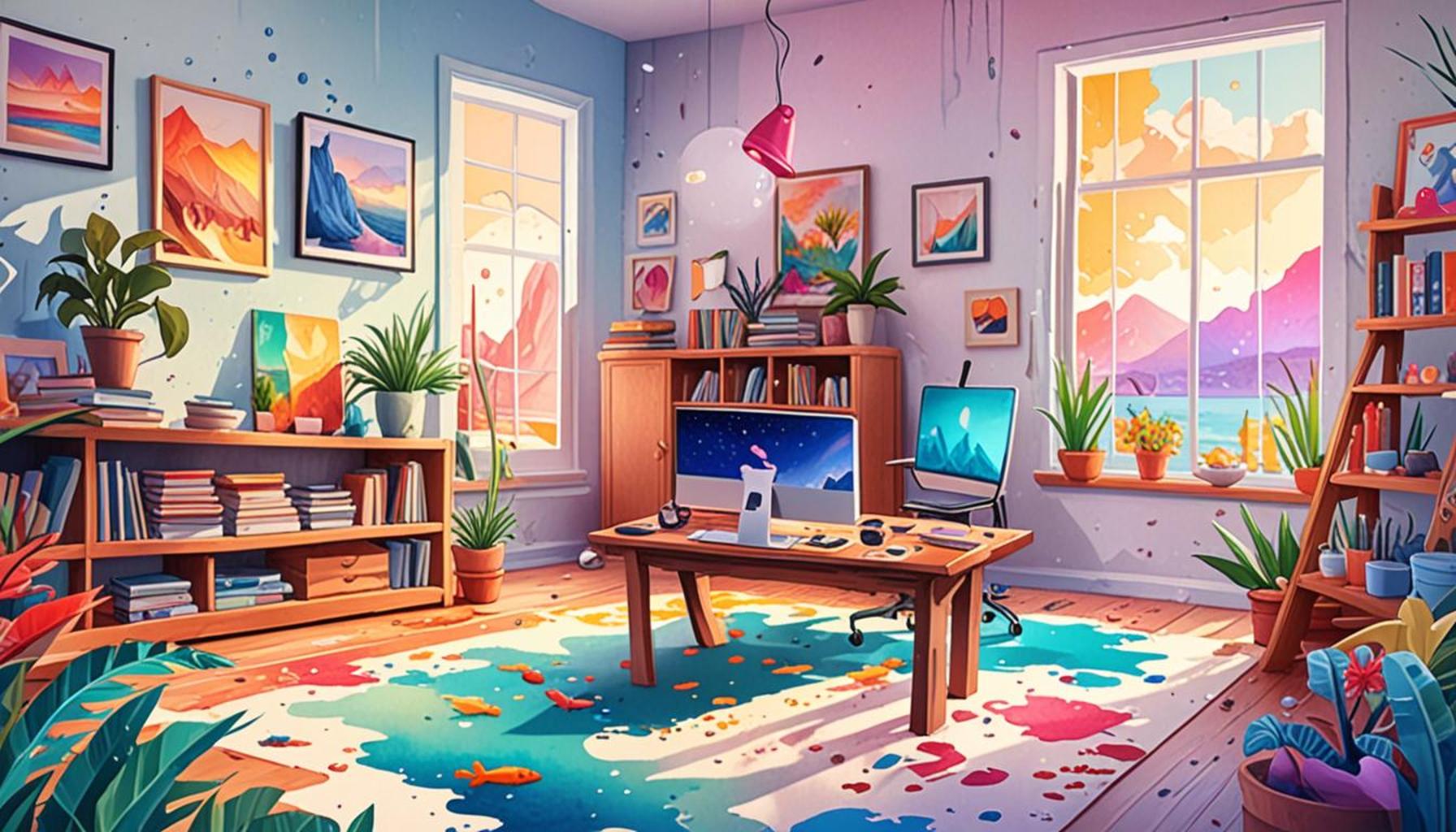
Unleashing Creativity in Digital Realms
In recent years, digital art has transformed from a niche interest into a vibrant mainstream movement. Artists and technologists alike are discovering innovative ways to create stunning visuals that evoke deep emotions and transport viewers to entirely new worlds. This exploration invites us to delve into the various facets of digital artistry, revealing how this medium is reshaping the creative landscape.
Key Aspects of Digital Art
- Versatility: Digital art encompasses a wide array of forms, including digital painting, 3D modeling, animation, and graphic design. For example, platforms like Adobe Photoshop and Procreate enable artists to mimic traditional painting techniques while offering an expansive toolbox for experimenting with colors and textures. Meanwhile, tools like Blender have revolutionized 3D modeling, allowing creators to craft intricate environments that can be explored virtually.
- Accessibility: With powerful software and tools available at increasingly affordable prices, the barrier to entry for aspiring artists has significantly diminished. Programs like Krita are open source and free to anyone, empowering individuals to express their creativity without financial constraints. This accessibility has given rise to a plethora of emerging artists sharing their work online, making digital art a truly democratized space.
- Emotion & Storytelling: Digital artists can weave intricate narratives that resonate deeply, effectively bridging the gap between virtual and emotional realms. As seen in webcomics and animated shorts, creators can explore complex themes such as identity, mental health, and societal change in an engaging format that speaks to diverse audiences.
With the ever-growing capabilities of modern technology, the digital landscape is ripe for exploration. From augmented reality experiences that overlay digital imagery on the real world to interactive installations in galleries, creators are increasingly pushing the boundaries of what art can represent. This artistic revolution is not merely a trend; it promises profound implications for how we perceive and interact with art.
Why Digital Art Matters
- Cultural Reflection: Digital art serves as a powerful mirror to society, often addressing contemporary issues such as social justice, climate change, and technology’s role in our lives. For example, works created during the COVID-19 pandemic have reflected collective anxiety and resilience, capturing the zeitgeist with unparalleled immediacy.
- Global Connectivity: Online platforms such as Instagram, DeviantArt, and NFT marketplaces enable artists to reach audiences worldwide, fostering collaboration and inspiration. As artists from different cultures share their perspectives, they enrich the global dialogue surrounding art and creativity.
- Future of Art: As technology continues to evolve, so too will the methods and mediums through which we express our creativity. The rise of virtual and augmented reality suggests that we may soon experience art in completely immersive ways, revolutionizing our relationship with artistic expression.
Join us as we unpack the enchanting world of digital art, revealing how pixels can spark imagination, tell stories, and evoke emotions. As we delve deeper, it becomes evident that this medium holds the potential not only to entertain but also to challenge, inspire, and speak profound truths about the human experience. Embrace this digital revolution and discover the limitless possibilities that await within the realms of digital creativity.
EXPLORE MORE: Click here to discover the impact of abstract art on personal self-expression
Unraveling the Techniques of Digital Artistry
As we embark on this fascinating journey into the world of digital art, it is essential to explore the techniques and methodologies artists utilize to create their compelling works. The evolution of digital technologies has opened a myriad of pathways for creators to experiment and amplify their artistic voice, allowing them to transcend traditional boundaries. This section sheds light on some of the prominent techniques that propel digital art into new dimensions.
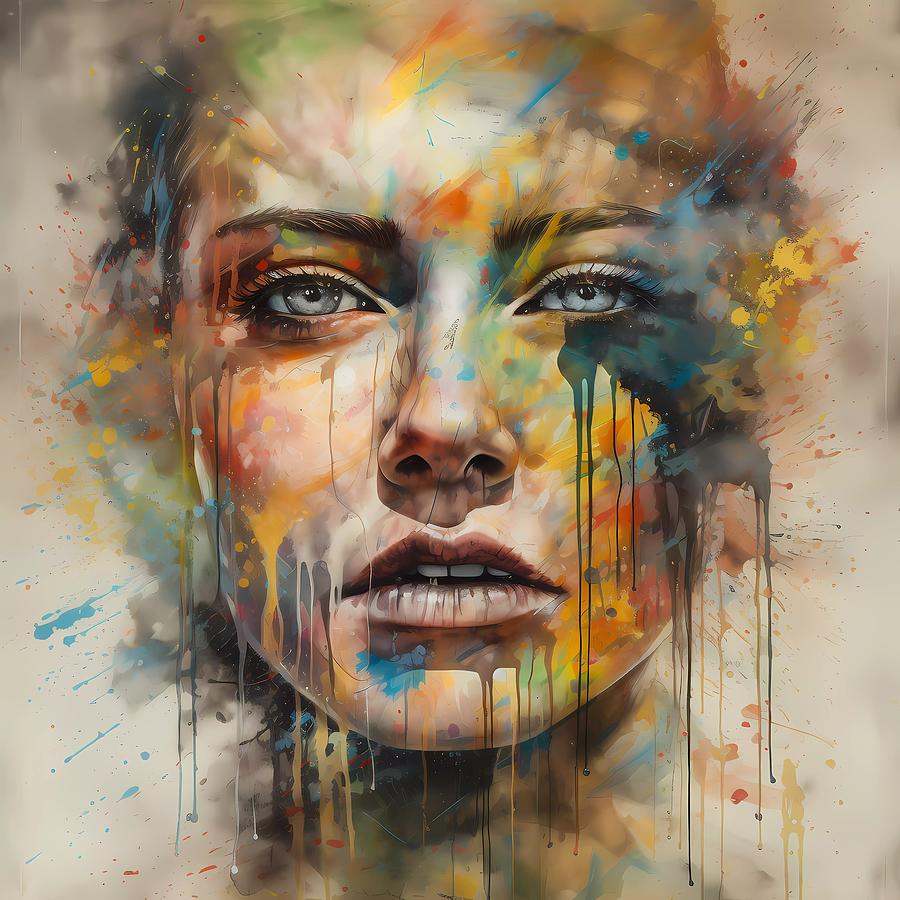
Distinct Techniques in Digital Art
- Digital Painting: At the heart of many digital artists’ repertoire is digital painting, where software programs allow artists to simulate the look and feel of traditional mediums like oil or watercolor. Using tools such as brushes and layers, artists refine their techniques to create vibrant and immersive compositions. By leveraging programs like Corel Painter and Adobe Fresco, they can meticulously manage textures and effects to enhance their visual storytelling.
- 3D Modeling and Animation: Three-dimensional art has risen significantly in popularity due to advances in powerful software like Autodesk Maya and Cinema 4D. Artists are now able to construct intricate 3D models and animate them, lending life to characters and settings that captivate audiences within video games, films, and virtual experiences. The skillful integration of light and shadow in these 3D spaces allows for breathtaking visual effects, engaging viewers in ways previously unimaginable.
- Photo Manipulation: Merging photography with digital illustration, photo manipulation allows artists to create surreal imagery that blurs the line between reality and imagination. Artists can enhance photographs using tools such as filters and blending modes to form new narratives or dreamlike scenes. This technique is prevalent in advertising and conceptual art, where visual impact is vital. Notable platforms like Adobe Photoshop have made this accessible to many creatives, showcasing their ability to transform ordinary images into extraordinary visuals.
- Pixel Art: Emphasizing simplicity and nostalgia, pixel art has emerged as a beloved form of digital creativity that mimics the aesthetics of early video games. Artists use a grid-based approach, meticulously placing pixels to create characters and environments reminiscent of retro gaming. This technique, with its unique charm, fosters a sense of community among enthusiasts who revel in sharing their creations on platforms such as Tumblr and Twitter.
By integrating these varying techniques, digital artists can forge expressive pieces that evoke powerful emotions and spark imagination. Each artist approaches their medium uniquely, allowing for a dynamic exchange of ideas and styles. As we continue to explore the transformative nature of digital art, we will uncover how these methods contribute to a broader understanding of artistic expression in a world driven by technology.
Exploring the Depths of Digital Art
Digital art transcends traditional boundaries, allowing artists to create immersive experiences that resonate on emotional and aesthetic levels. One notable aspect of digital art is its ability to blend various mediums, resulting in visually stunning creations that captivate audiences. The manipulation of pixels can transport viewers to imaginary landscapes, while simultaneously evoking deep emotions. Furthermore, *digital artists* have at their disposal an array of innovative tools and software that grant them unprecedented control over their creations. The flexibility of programs like Adobe Photoshop or Procreate enables artists to experiment with textures, colors, and forms in ways that were once impossible. These tools have democratized art, allowing aspiring creators to express themselves without the need for substantial investment in physical materials.Another key element is the rise of interactive art, which challenges the viewer’s engagement. Through virtual reality (VR) or augmented reality (AR), artists can create worlds that the audience can explore. This innovation deepens the impact of art by transforming passive viewing into an active participation. Imagine stepping into a digital landscape where each brushstroke enhances the narrative and invites interpretation.Moreover, the online platform has expanded the reach of digital art. Artists can now showcase their work globally, connecting with audiences from diverse backgrounds. Social media platforms and online galleries have become essential venues for discovering new artists and trends, making it easier than ever to find inspiration and support within the community.As digital art continues to evolve, it sparks a remarkable dialogue about the nature of creativity itself. The versatility of pixels allows for unique interpretations of emotions and concepts, inviting viewers to embark on their own journeys through art. In turn, this exploration inspires individuals to consider their own connection to the virtual and the real, further enriching the digital art landscape.
| Advantage | Description |
|---|---|
| Innovative Tools | Digital platforms allow precise manipulation of artwork through advanced technology, enhancing creativity. |
| Global Exposure | Artists can reach international audiences via social media and online galleries, expanding their influence. |
DISCOVER MORE: Click here to delve into the power of music
Transforming Digital Narratives Through Technology
In the realm of digital art, the interaction between technology and creativity is continuously evolving, shaping how artists tell stories and communicate emotions. Beyond traditional artistic techniques, advancements in technology have given rise to innovative methods that allow for deeper engagement with audiences. This section delves into how technology is not just a tool, but a catalyst for new narratives within the digital art space.
Interactive Art: Blurring the Lines
One of the most exciting developments in digital artistry is the emergence of interactive art. Artists are increasingly incorporating interactive elements into their works, inviting audiences to participate and influence the outcome. Platforms like Artivive empower creators to enhance their traditional artworks with augmented reality (AR), enabling viewers to use their smartphones to unlock hidden layers of narratives. This fusion of digital overlays with physical art creates an immersive experience that transcends the passive viewing of art, allowing individuals to engage with the story on a personal level.
The Role of Artificial Intelligence in Art Creation
Artificial intelligence (AI) is another game-changer within the digital art sphere. Tools such as DeepArt and Runway ML utilize machine learning algorithms to generate striking visual compositions, bridging the gap between human emotion and machine precision. Artists can use AI to explore uncharted territories of creativity, producing works that inspire discussions around authorship and originality. Projects like Refik Anadol’s data-driven art visualizations exemplify how AI can interpret vast datasets to create dynamic visuals that evoke emotional responses—an innovative merging of art and technology that redefines the creator’s role.
Virtual Reality: Immersive Artistic Realms
Virtual Reality (VR) is transforming the digital art landscape by offering artists a platform to create worlds untouched by physical limitations. Using software like Tilt Brush and Oculus Medium, artists can paint in a 3D space, constructing environments where viewers are not just observers but active participants within a fully realized universe. This radical shift allows creators to convey complex emotions and narratives, taking viewers on emotional journeys through their artistry that challenge conventional storytelling.
The Rise of NFT Art
The advent of blockchain technology has given rise to the phenomenon of Non-Fungible Tokens (NFTs), offering digital artists the opportunity to monetize their work while ensuring authenticity and ownership. Platforms such as OpenSea and Nifty Gateway enable artists to sell unique digital creations directly to collectors, thereby transforming the economics of the art world. This new model fosters greater recognition for digital artists, providing them a space to flourish in an arena traditionally dominated by physical mediums. This revolution raises questions about the nature of art and value in a digital age, making it imperative for art enthusiasts and collectors to engage with this burgeoning market.
As technology advances, digital art continues to transform, pushing the boundaries of creativity and emotional expression. The convergence of various mediums and technological innovations offers artists unprecedented opportunities to craft immersive experiences and narratives, leading to a richer engagement with audiences and a deeper appreciation of the power of digital artistry. Through these developments, we arrive at a profound realization: in exploring digital art, we are not merely observing pixels on a screen; we are entering new worlds and emotions that resonate with the human experience.
DIVE DEEPER: Click here to discover more
Conclusion: A New Era of Expression in Digital Art
As we draw the curtain on our exploration of digital art, it becomes evident that this medium is not merely a fleeting trend but a fundamental evolution in the narrative of creative expression. The integration of technology—from interactive art and artificial intelligence to virtual reality and NFTs—has not only redefined the tools artists use, but has also expanded the horizons of how stories are told and emotions are conveyed. In this digital landscape, the artist’s canvas is boundless, enabling the construction of immersive worlds that invite audiences to engage in ways that were previously unimaginable.
The potential of digital art lies in its ability to foster connection and provoke thought, challenging viewers to become active participants in their artistic journeys. As technology continues to advance, artists are encouraged to push the limits of their creativity, blending mediums and experimenting with new platforms. This ongoing evolution prompts questions about the future of art itself: What does it mean to create and own art in a digital age? How will emerging technologies continue to reshape our understanding of creativity and emotion?
In a society increasingly driven by digital innovation, the relevance of digital art cannot be overstated. It serves as a reminder of the power of pixels to evoke feelings, inspire dialogue, and connect individuals across diverse backgrounds. Therefore, whether you are an artist, a collector, or simply an aficionado, embracing this unique blend of creativity and technology will undoubtedly lead you to unexpected discoveries and innovative experiences. The world of digital art is vast and continuously expanding—join the journey and uncover the profound layers hidden within the pixels.
Related posts:
The Art of Telling Stories in Comics: Mixing Illustration and Narrative to Express Ideas
The Intersection of Science and Art: How Biology Inspires Artistic Creations
Exploring Photography as a Form of Creative Expression: Capturing Moments and Emotions
Music as Sound Painting: Composing Emotions Through Melodies
The Art of Cooking: Transforming Ingredients into Creative and Tasty Creations
The Art of Mixing Techniques: Exploring Creativity Through the Hybridization of Artistic Styles
Linda Carter is a writer and creative hobbies expert specializing in crafting, DIY projects, and artistic exploration. With extensive experience helping individuals discover their creative potential and bring their ideas to life, Linda shares her knowledge on our platform. Her goal is to empower readers with practical tips, inspiring ideas, and step-by-step strategies for success in the world of creative hobbies.