Exploring Shadow Theatre: The Magic of Visual Narrative
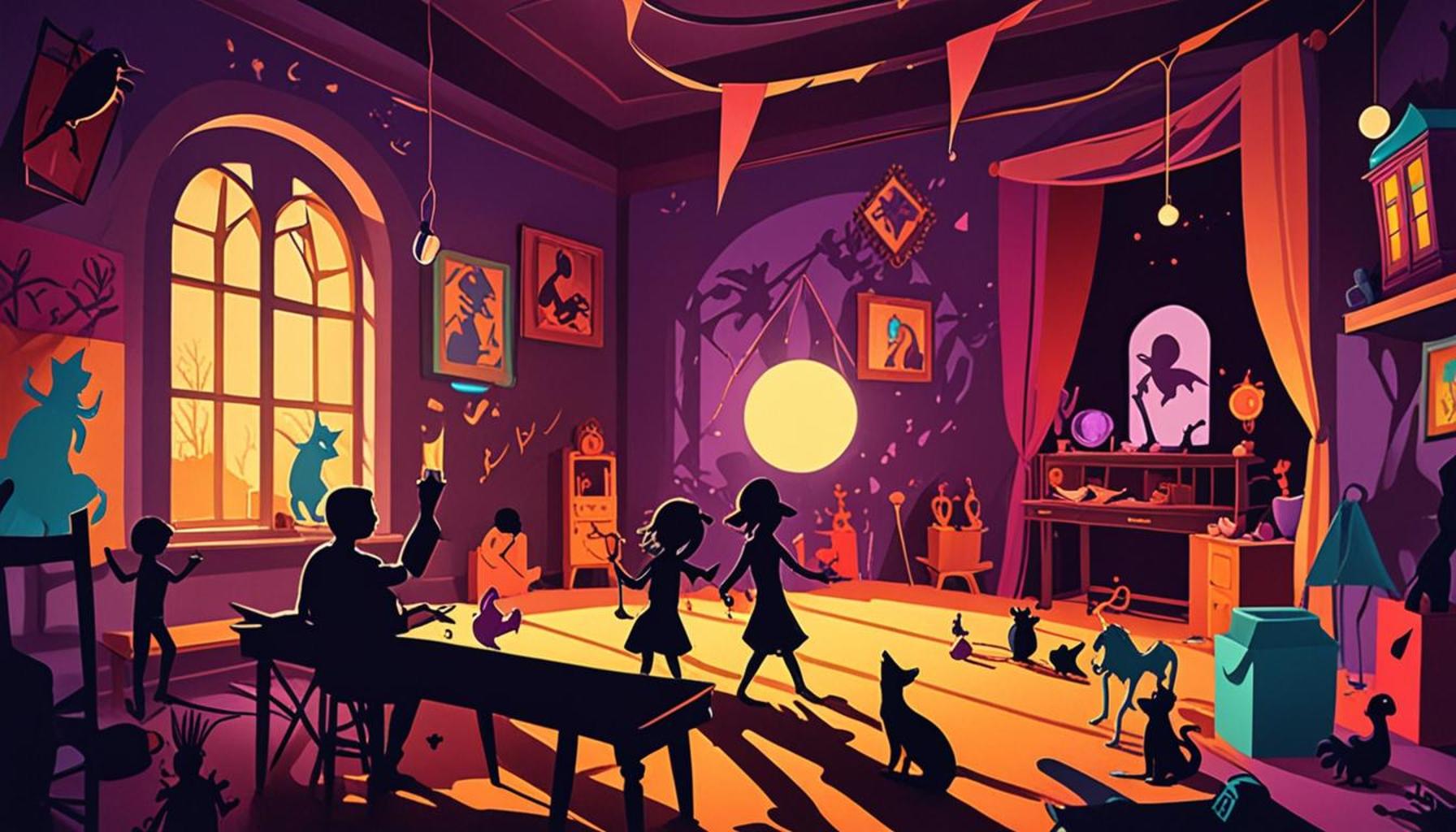
Exploring the Depths of Shadow Theatre
Shadow theatre captivates audiences with its unique ability to tell stories through the interplay of light and darkness. This ancient art form transcends cultural boundaries, offering a rich tapestry of visual narratives that are steeped in history and creativity. As we peel back the layers, we uncover not just a mode of entertainment, but a profound means of artistic expression that resonates across generations and societies.
- Historical Roots: The origins of shadow theatre can be traced back thousands of years. It has flourished in various cultures, notably in China, with its centuries-old tradition of shadow puppetry often called “pi ying,” where meticulous craftsmanship of puppets brings to life folkloric tales. Similarly, in India, the art is exemplified in the form of “tholu bommalata,” known for its intricately painted leather puppets and vibrant storytelling. In ancient Greece, shadow theatre evolved through the works of philosophers and dramatists who utilized rudimentary forms of shadow play to convey moral and philosophical lessons, thus laying the groundwork for the theatrical traditions that followed.
- Artistic Techniques: The techniques employed in shadow theatre are as diverse as the cultures from which they originate. Artists meticulously craft puppets from materials such as leather or paper, often painting them with elaborate details. The manipulation of these figures against a screen, illuminated by a carefully positioned light source, creates an enchanting ambience. This fusion of artistry transforms simple shapes into complex characters and narratives. For instance, in traditional performances, the puppeteer’s skill and timing are crucial, turning the puppets’ movements into a dance of shadows that evoke emotions ranging from joy to sorrow.
- Modern Adaptations: In recent years, contemporary performances have begun blending traditional shadow theatre techniques with cutting-edge technology. Artists incorporate digital projections, interactive elements, and even augmented reality to enhance the storytelling experience. Notable examples can be seen in modern adaptations like “Shadowland,” a production by Pilobolus Dance Theatre, which combines shadow play with live dance, offering audiences a fresh perspective on this timeless art form.
Through its intriguing simplicity, shadow theatre elicits powerful emotions and serves as a vessel for teaching valuable lessons while sharing cultural narratives. The medium marries storytelling elements inherent in visual arts, theatre, and folklore. The dynamic interplay of shadow and light invites audiences to engage their imaginations, transforming the act of observation into an immersive experience.
As we delve deeper into this magical realm, we discover its astonishing versatility—each flicker of light carefully choreographed to narrate tales that resonate deeply with the human experience. From ancient rituals to contemporary performances, shadow theatre remains a treasured art form that continues to inspire and captivate, inviting us to cherish and celebrate its enduring legacy.
DIVE DEEPER: Click here to discover more
The Cultural Significance of Shadow Theatre
Shadow theatre is not merely a storytelling medium; it is a reflective canvas that mirrors the societal values, rituals, and beliefs of the cultures it represents. Its narratives serve as a conduit for exploring the human condition, illuminating issues of love, power, and moral dilemmas that have persisted through the ages. Each region’s interpretation of shadow theatre carries unique cultural significance and storytelling traditions that breathe life into the figures cast against the light.

- Cultural Narratives: Each performance of shadow theatre is steeped in the folklore and mythology of its origin. For instance, in Southeast Asia, the “Wayang Kulit” is a form of shadow puppetry that reflects the epics of the Ramayana and Mahabharata, revealing not just the plot, but also the complex moral framework of these historical texts. In Turkey, the character of “Karagöz” often reflects social and political critiques, showcasing the sharp humor and wit that is emblematic of Turkish culture.
- Ritualistic Elements: The practice of shadow theatre often ties into religious and cultural rituals. For example, in many indigenous practices, shadow puppets are utilized in ceremonial performances, signifying a connection to ancestral spirits or natural elements. These performances can serve as rites of passage, community gatherings, or celebrations of harvests, fostering a collective identity among participants and audiences alike.
- Educational Value: Shadow theatre also plays a crucial role in education, particularly in cultures where oral storytelling is paramount. Puppeteers often use their craft to impart moral lessons, historical narratives, and cultural heritage to younger generations. By engaging audiences visually and auditorily, shadow play becomes an effective method for retaining and transmitting knowledge and traditions that might otherwise fade over time.
As we explore the cultural significance of shadow theatre, we find an intricate blend of entertainment and enlightenment. The power to evoke empathy through shadow narratives serves as a reminder of our shared humanity, transcending linguistic and geographical barriers. By witnessing these narratives unfold, audiences are invited to engage not just with the story, but also with the context in which it is rooted.
The enchantment of shadow theatre lies in its ability to craft visuals that resonate deeply with the audience, provoking reflection and dialogue long after the performance has ended. It reveals truths about different cultures and the universality of human experiences, reinforcing the notion that storytelling is a fundamental aspect of existence. As we continue to explore this art form, its relevance in today’s globalized world offers a profound insight into how visual narratives can help bridge divides, celebrate diversity, and foster understanding among diverse communities.
| Advantages | Key Features |
|---|---|
| Visually Captivating | The interplay of light and shadow creates a mesmerizing experience that draws audiences in. |
| Cultural Significance | Shadow theatre has deep roots in various cultures, enriching storytelling through its unique aesthetics. |
| Accessibility | It can be performed in diverse settings, making it approachable for audiences of all ages. |
| Interactive Experience | Engages the audience by inviting participation in the narrative flow. |
Through the advantages outlined in this table, shadow theatre emerges not just as a form of entertainment, but as a powerful medium that fosters cultural appreciation and community engagement. The utilization of light and shadow not only enhances visual storytelling but also makes it a robust vehicle for preserving history and tradition. As audiences embrace this unique art form, they are invited to explore new narratives that challenge their perceptions and inspire creativity. The beauty of shadow theatre lies in its simplicity and depth, making it a captivating subject to investigate further.
DISCOVER MORE: Click here for budget-friendly DIY ideas
The Artistic Craftsmanship Behind Shadow Theatre
The allure of shadow theatre lies not only in its narratives but also in its intricate artistry that captivates audiences around the world. The creation of shadow puppets and the staging of performances are meticulous processes that transform simple materials into vehicles of storytelling. Through innovative techniques and craftsmanship, puppeteers give life to characters that articulate emotions and carry the weight of cultural tales.
- Puppet Creation: At the heart of shadow theatre is the artistry of puppet making. Traditional puppets are often crafted from materials such as leather, paper, or wood, with fine details etched into their surfaces to create intricate designs. In places like Indonesia, artisans employ meticulous carving techniques to produce puppets that not only look striking against the light but also resonate with their cultural narratives. The craftsmanship involved extends beyond aesthetics—it is a labor of love that connects the creator to their heritage.
- Manipulation Techniques: The puppeteer’s role is crucial in bringing shadow figures to life. Using delicate rods and strings, they manipulate the puppets behind a illuminated screen, creating a mesmerizing interplay of light and movement. Each gesture, whether subtle or dramatic, contributes to the emotional depth of the story being told. This interactive relationship between the puppeteer and the puppet allows for a dynamic performance that draws audiences into the unfolding drama.
- Innovation and Technology: While shadow theatre has strong historical roots, contemporary artists explore new frontiers by integrating technology into their performances. Some have begun to utilize digital projections and multimedia elements to enrich traditional storytelling. This fusion creates a multi-layered visual experience that not only honors the past but also resonates with a modern audience. For instance, artists in urban centers such as New York City and Los Angeles have embraced innovative techniques that enhance the visual narrative, illustrating that shadow theatre is an evolving art form.
Moreover, the visual narrative created through shadow theatre engages audiences in a unique way, challenging their perceptions and encouraging them to witness stories through a different lens. The absence of detailed facial expressions forces viewers to engage their imaginations, allowing them to interpret emotions based on the characters’ silhouette movements. This characteristic of shadow theatre enriches the experience and engages audiences’ creativity as they invest their interpretations into the performance.
Additionally, the settings for shadow theatre are as varied as its narratives. From humble local schools in rural communities to grand theaters in metropolitan cities, shadow performances can adapt to any environment. This flexibility broadens its accessibility, allowing shadow theatre to reach diverse audiences. In education, for example, schools across the United States have incorporated shadow theatre into their curriculum to teach storytelling skills and cultural appreciation, demonstrating its value in fostering creativity and collaboration among students.
As we delve deeper into the artistry of shadow theatre, we gain insight into the profound connection between visual narratives and cultural identity. The meticulous craftsmanship, innovative techniques, and adaptive performance environments underscore the power of shadow theatre as both an art form and a cultural dialogue. In an increasingly visual world, shadow theatre maintains its relevancy by captivating hearts and minds, transcending time and borders through the magic it weaves in the ethereal glow of its shadows.
DIVE DEEPER: Click here to discover eco-friendly DIY projects
Conclusion: The Enduring Charm of Shadow Theatre
In conclusion, the exploration of shadow theatre reveals a captivating blend of artistry, culture, and innovation. This ancient form of storytelling transforms simple silhouettes into profound narratives, engaging audiences in a uniquely immersive experience. The meticulous craftsmanship involved in puppet creation and the intricate performance techniques reflect the dedication of artists who strive to preserve cultural heritage while pushing the boundaries of creativity.
Moreover, the integration of modern technology has reinvigorated the art form, allowing contemporary artists to extend its reach and relevance in today’s digital age. By incorporating multimedia elements, they create dynamic performances that resonate with diverse audiences, enriching the traditional storytelling experience. This fusion of old and new is a testament to the flexibility and evolution of shadow theatre.
As shadow theatre continues to adapt and thrive, it also serves as an educational tool, fostering creativity and collaboration among young learners. Schools across the United States are increasingly recognizing its potential to teach storytelling skills and cultural appreciation, ensuring this visual narrative form remains a vibrant part of our cultural dialogue.
In a world overflowing with digital content, shadow theatre invites us to reconnect with the magic of imagination and intuition. It encourages us to see beyond mere shadows, enriching our understanding of the human experience through the lens of crucial themes such as identity, community, and tradition. As we embrace the rich tapestry of narratives woven through shadow theatre, we open ourselves to a deeper appreciation of the stories that shape our lives and cultures.
Related posts:
Exploring Photography as a Form of Creative Expression: Capturing Moments and Emotions
Exploring Mixed Media Integrating Diverse Art Techniques
The Expression of the Collective Imagination: How Dreams and Myths Influence Artistic Creation
Sculpture as Therapy: Shaping Creativity and Emotional Well-Being
The Art of Cooking: Transforming Ingredients into Creative and Tasty Creations
The Art of Mixing Techniques: Exploring Creativity Through the Hybridization of Artistic Styles

Linda Carter is a writer and creative hobbies expert specializing in crafting, DIY projects, and artistic exploration. With extensive experience helping individuals discover their creative potential and bring their ideas to life, Linda shares her knowledge on our platform. Her goal is to empower readers with practical tips, inspiring ideas, and step-by-step strategies for success in the world of creative hobbies.